Support CleanTechnica's work through a Substack subscription or on Stripe.
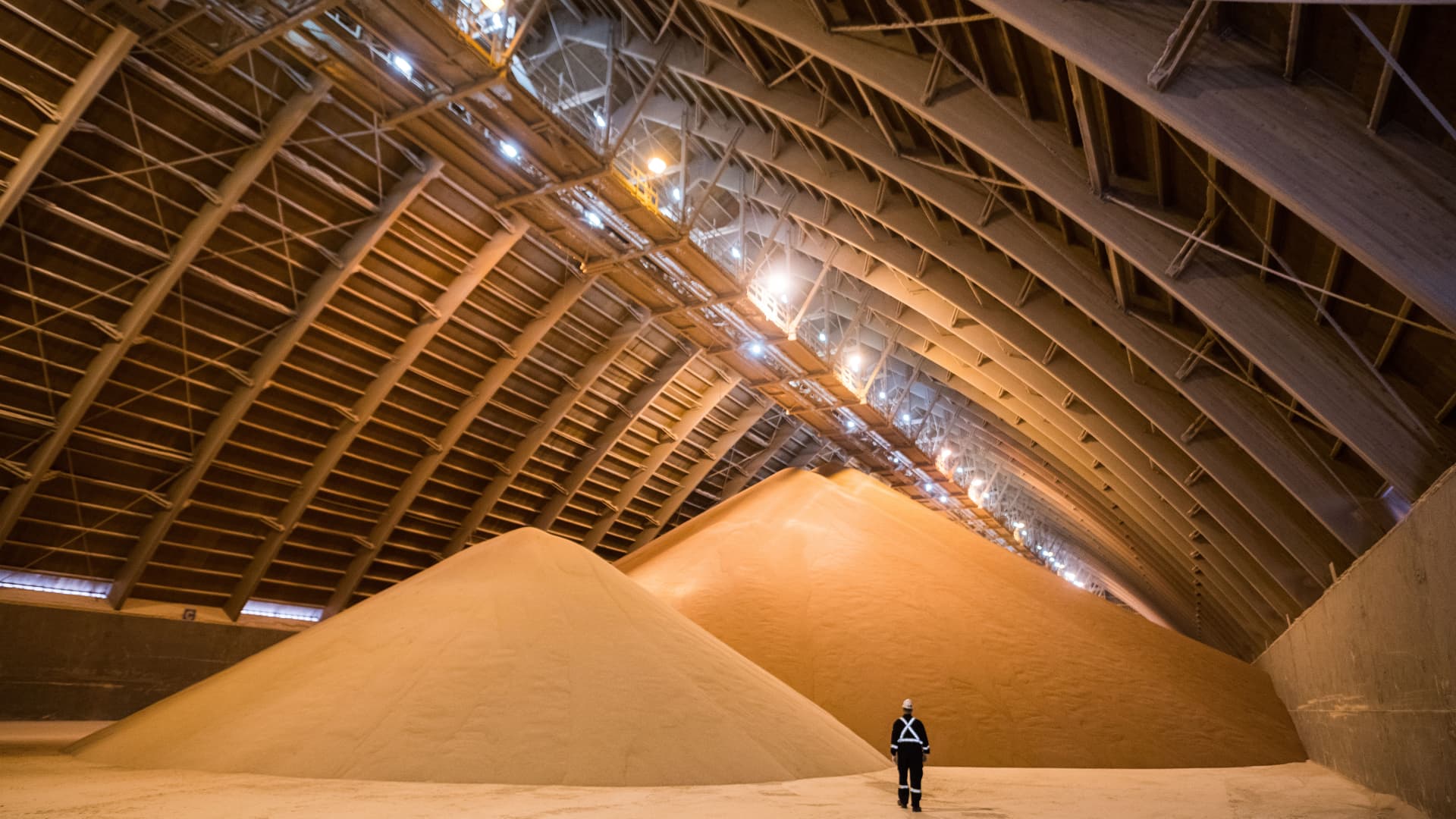
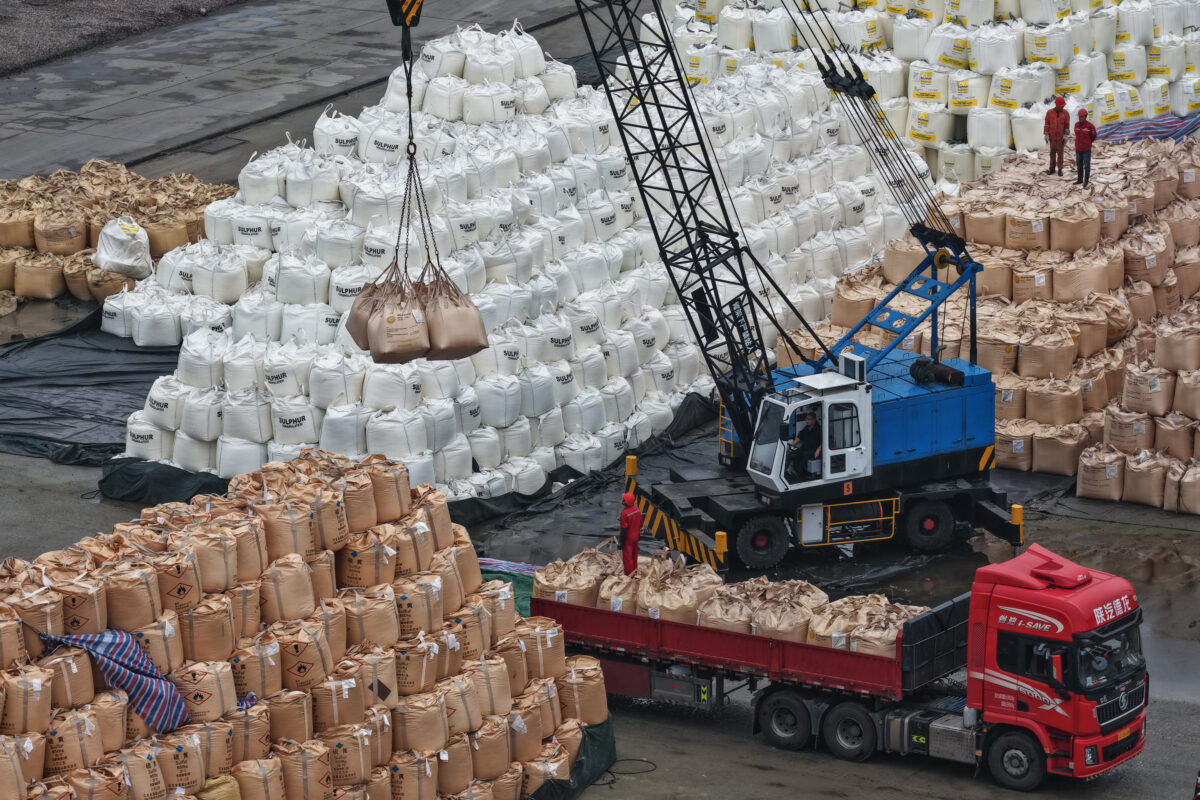
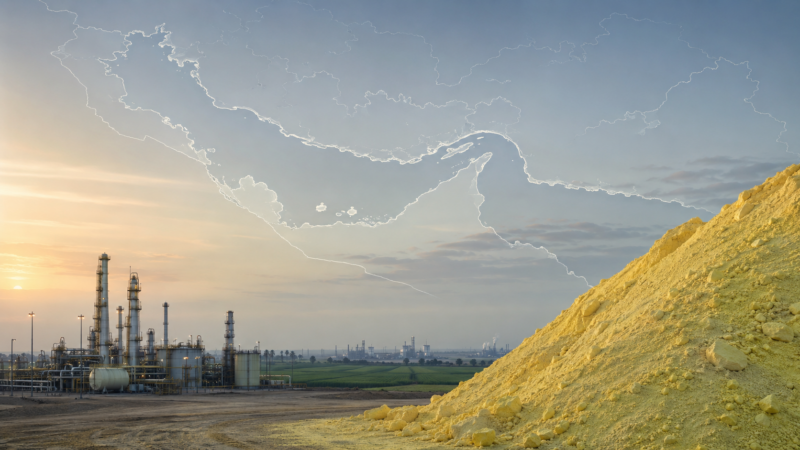
When people think about the Strait of Hormuz, they think about oil tankers, LNG carriers, naval escorts, insurance premiums, and the price of gasoline. They generally do not think about yellow piles of sulfur beside gas plants, phosphate fertilizer complexes, or the acid circuits that keep copper and nickel processing running. They should. The current sulfur price spike is not just another commodity-market twitch. It is a preview of a future in which the cheap sulfur system created by oil and gas cleanup is much smaller, while much of the demand for sulfur remains.
Sulfur is not glamorous. It does not have lithium’s battery glow, copper’s electrification story, hydrogen’s marketing department, or uranium’s fan club. It is a basic industrial input that mostly disappears into sulfuric acid. That acid then disappears into phosphate fertilizer, metal leaching, mineral processing, chemical production, wastewater treatment, and a long list of industrial uses. For agriculture, the most important part is phosphate fertilizer. For critical minerals, it is leaching and processing. For the energy transition, it is another reminder that decarbonization changes industrial supply chains in places people were not looking.