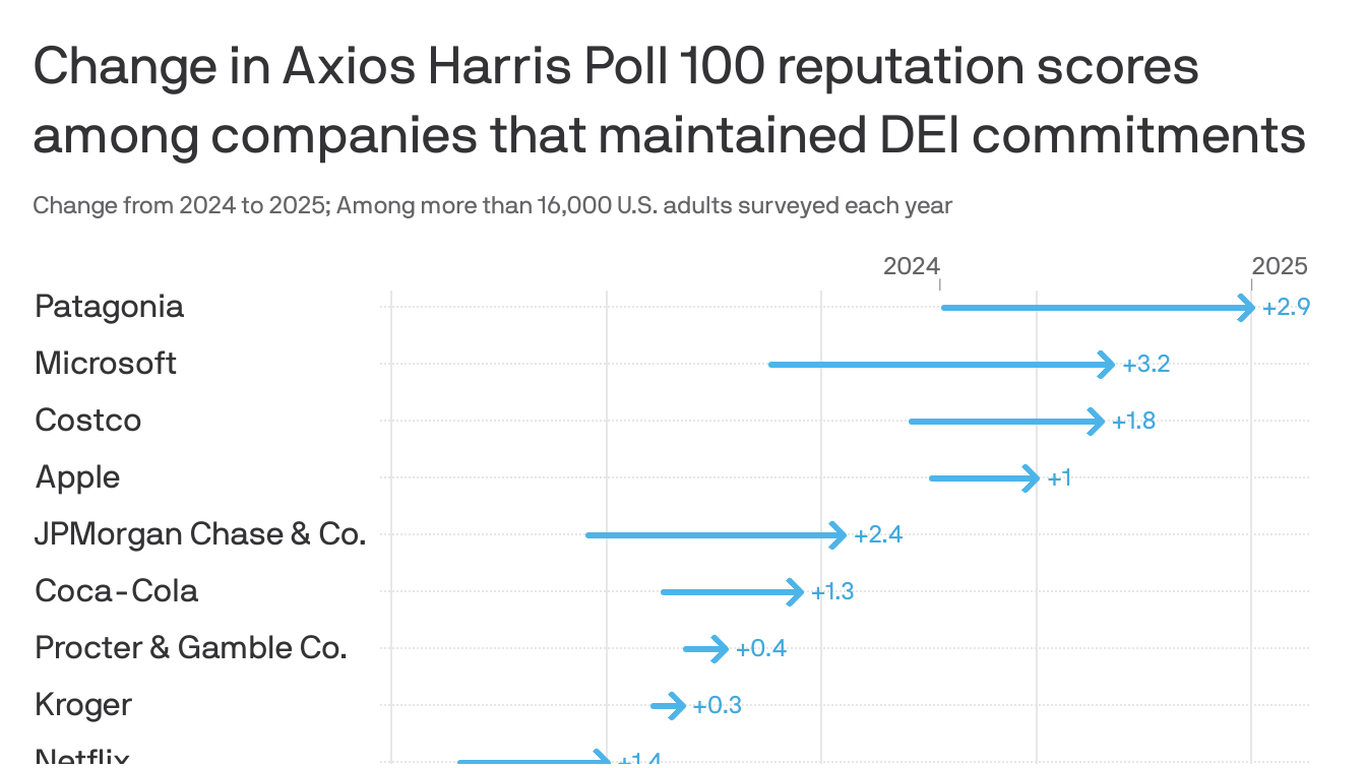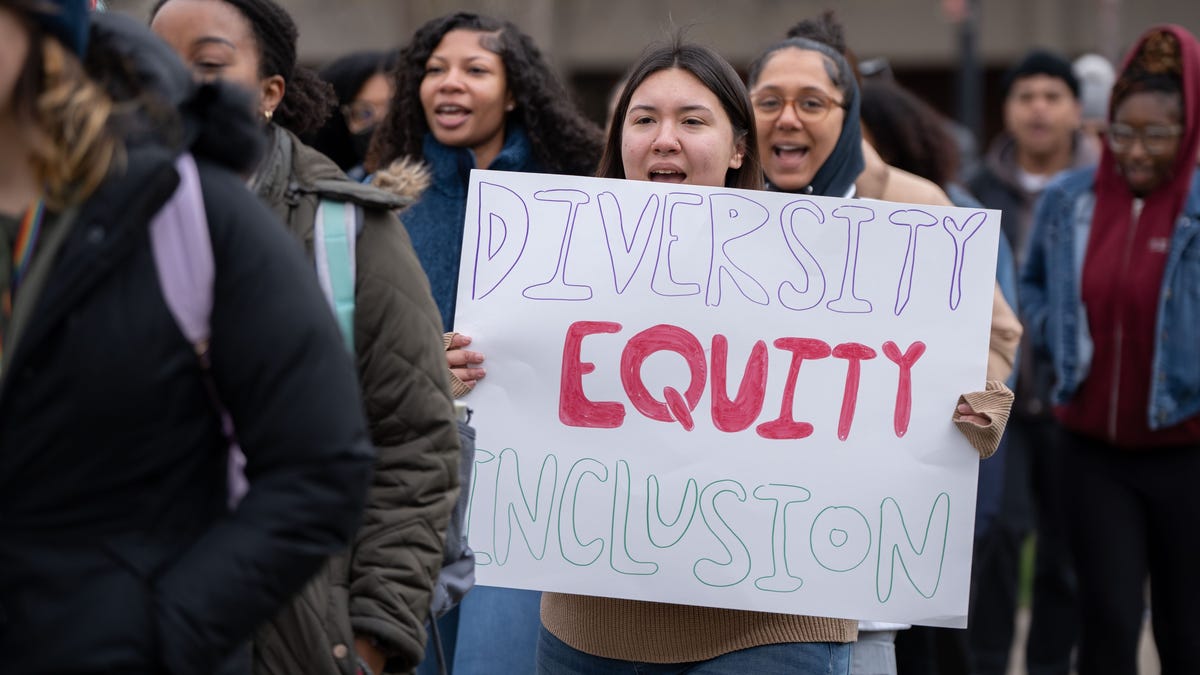
Over the past year, companies have scaled back or eliminated their commitment to diversity, equity, and inclusion (DEI) partly under pressure from President Donald Trump—yet experts say the organizations that stay the course are the ones that will come out on top.
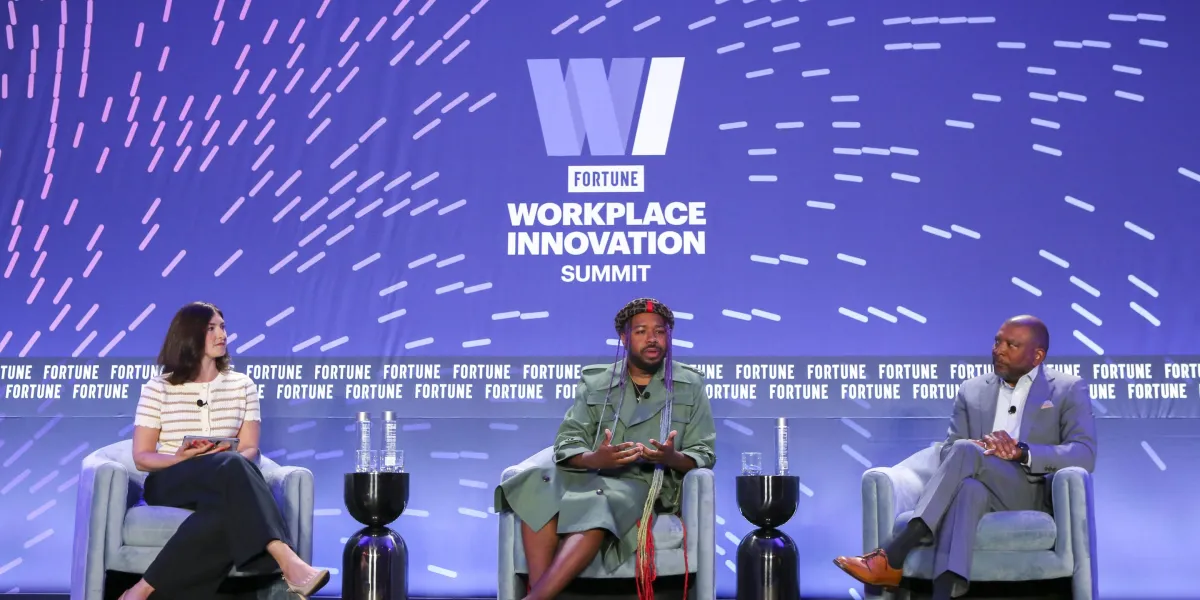
Speaking at the Fortune Workplace Innovation Summit in Atlanta, Georgia, on Tuesday, two former chief diversity officers weighed in on why DEI remains important despite criticism from the current administration.
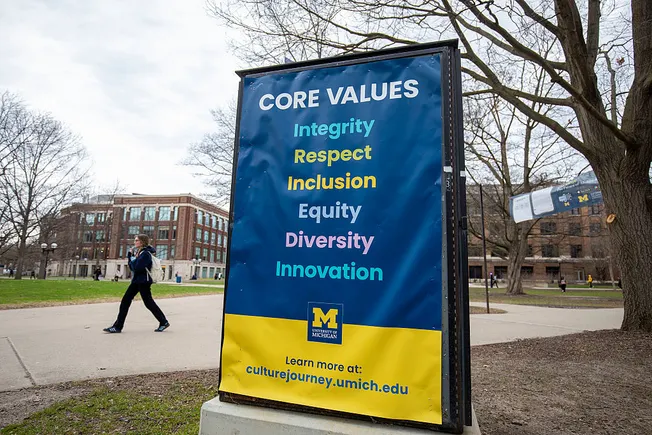
Diversity, equity, and inclusion (DEI) refers to a set of organizational practices aimed at building workforces that reflect a range of backgrounds, ensuring fair access to opportunity, and fostering workplace cultures where employees from different demographics can contribute fully. In practice, this can take the form of inclusive recruiting and hiring processes, mentorship and sponsorship programs, pay equity audits, employee resource groups, supplier diversity initiatives, and management training designed to reduce bias in performance reviews and promotions.
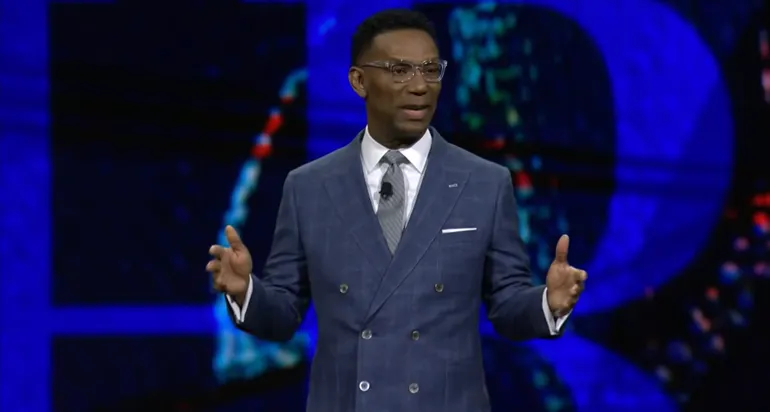
Ray Dempsey, a former chief diversity officer at BP and Barclays and now the founder of Dempsey Inclusion Group, said corporate America’s pivot toward stigmatizing the acronym “DEI” has been led by people who don’t understand it. While DEI’s standing has floundered, the work behind it has nothing to do with a label, he added. Instead, the efforts behind DEI are really meant “to create value for the business.”