This audio is auto-generated. Please let us know if you have feedback.
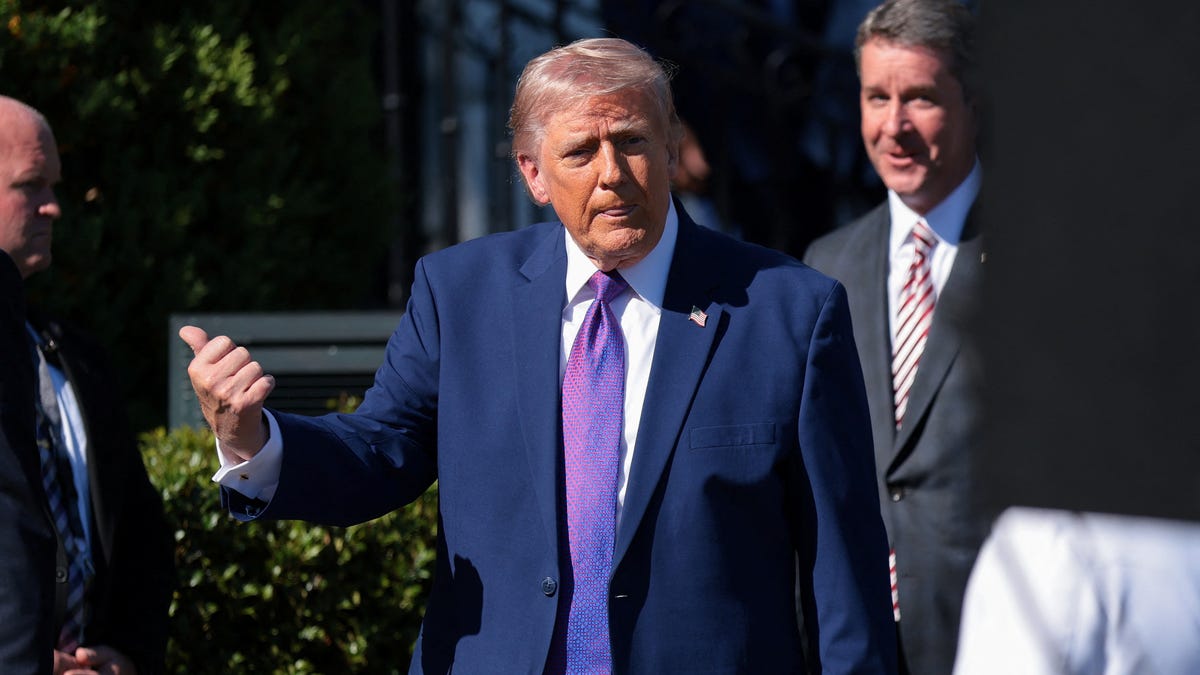
The legal ground continues to shift for diversity, equity and inclusion programs, driven in no small part by an openly hostile White House. Few moments sum up the modern DEI landscape better than President Donald Trump’s claim during February’s State of the Union that his administration had “ended DEI.”
But corporate DEI programs are very much alive, attorneys at Epstein Becker Green said during a virtual event on Thursday, even if employers have made significant changes to the programs’ language, content and underlying policies. And while federal authorities now claim that some DEI initiatives are discriminatory, organizations largely meant well by adopting them, said Pete Steinmeyer, member of the firm at EBG.
“People did not implement these policies and procedures with the intent of being unfair to anybody,” Steinmeyer said during the event. “To the contrary, they were intended to lift people up and extend a helping hand.”
The law has changed to some extent in recent years, he added, perhaps best exemplified by the U.S. Supreme Court’s collegiate admissions program decision and subsequent developments associated with it.