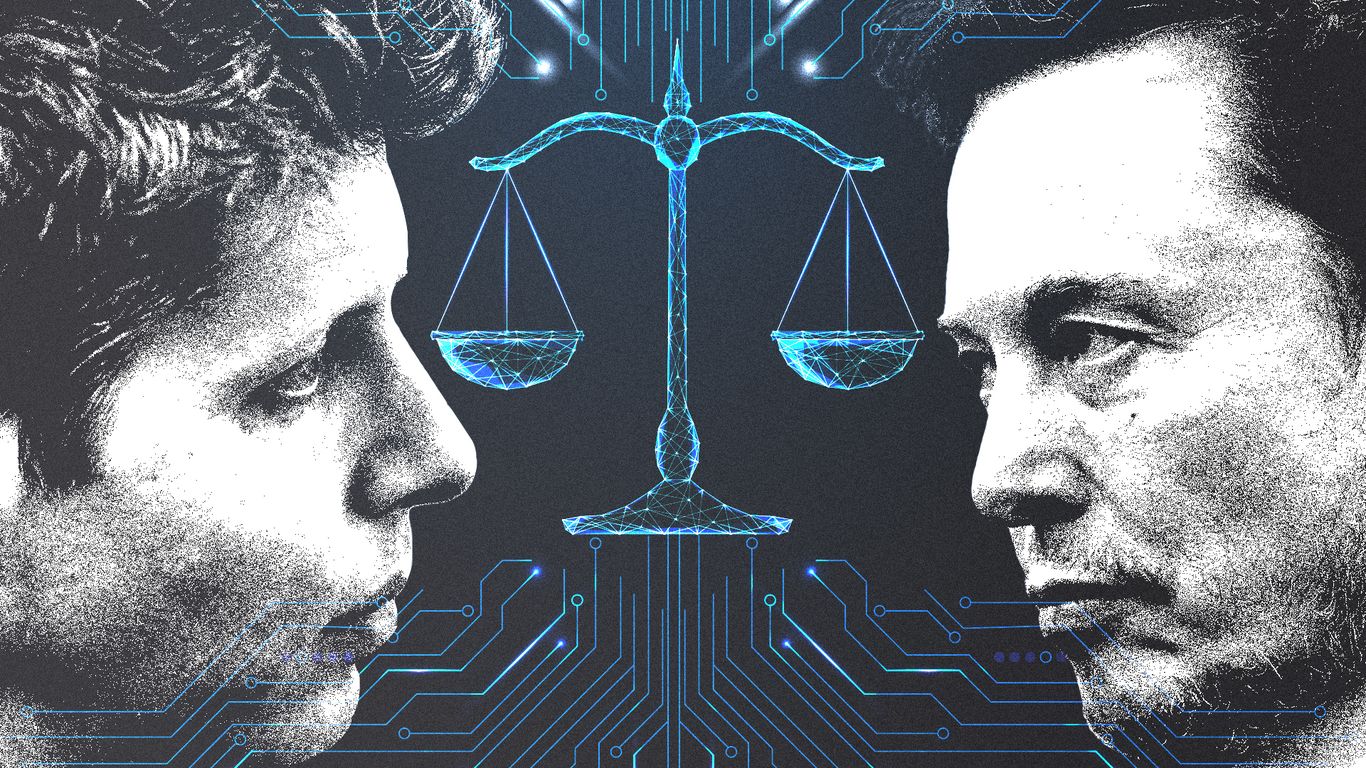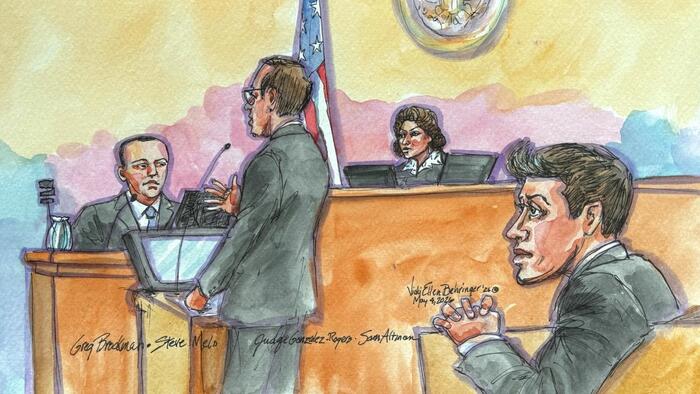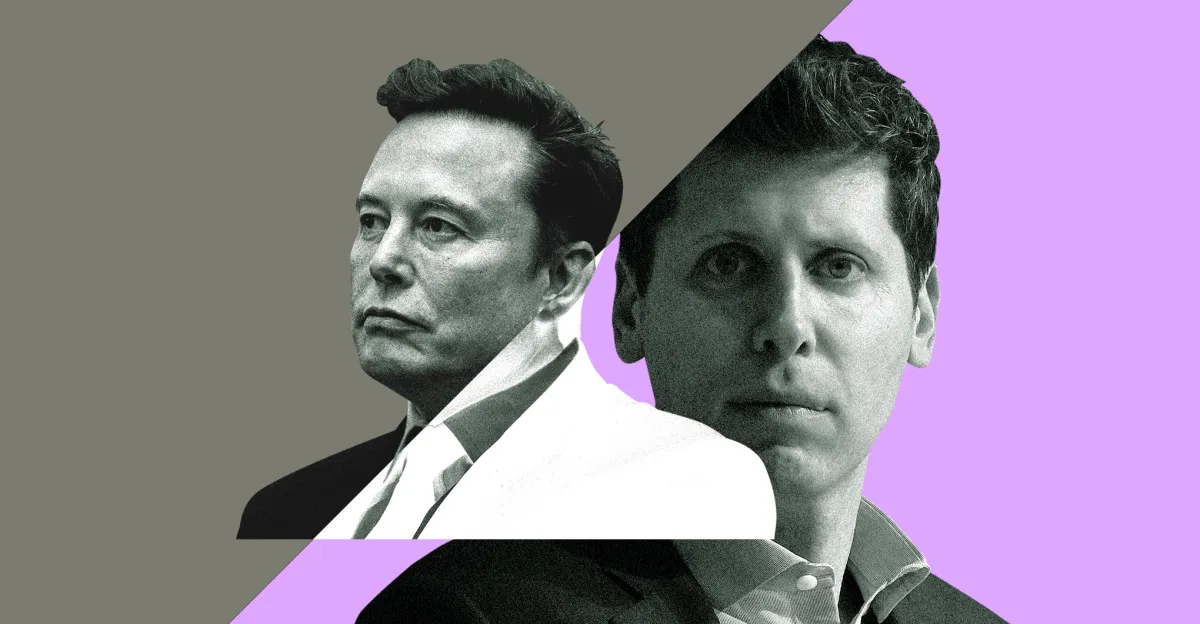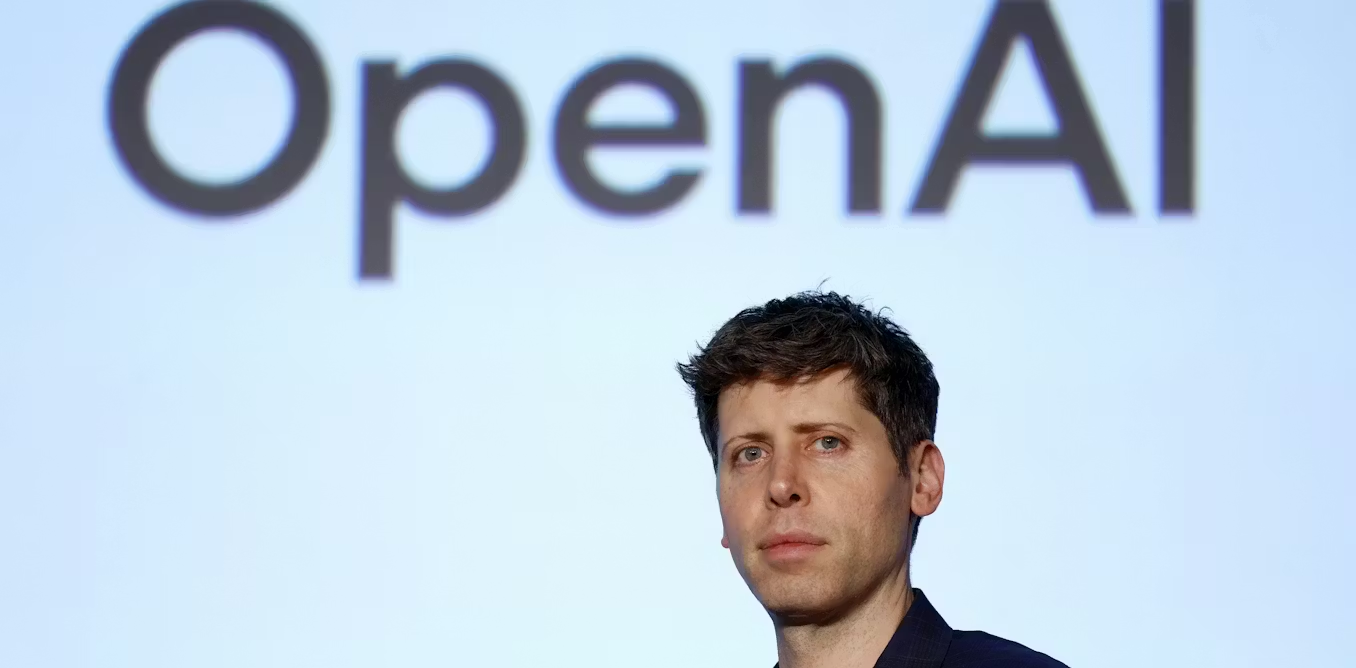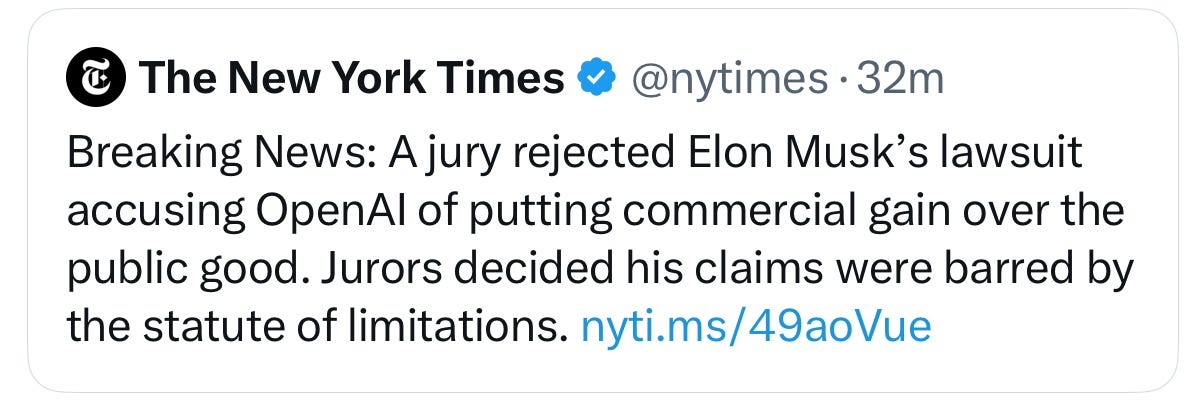
The procedural dismissal is more consequential than a substantive verdict would have been, and for the opposite reason most people assume. A ruling on the merits would have established precedent either way. The statute of limitations dismissal established something worse: the absence of precedent. Every future AI company that starts as a mission-driven entity now knows the conversion playbook is legally viable as long as you manage the timing. Start nonprofit to attract idealistic talent and philanthropic capital, build under the mission umbrella, then convert once the technology is valuable enough to justify the pivot. If anyone objects, run the clock.The deeper problem is that the nonprofit-to-commercial conversion is a one-way valve and this trial was the last realistic mechanism for establishing that it could be forced back open. None of the commercial conversions in AI have ever reversed. Each one permanently reduces the amount of mission-aligned research in the field by one entity. the trial ending on procedure rather than substance means the valve is now permanently stuck open. thats an AI governance outcome that happens to have been delivered by a legal proceeding, and the governance implications will outlast the trial by decades because every future mission-to-commercial conversion now has a template and no legal constraint.
The AI trial of the century ends with a whimper
and so there are some things we will never know
208 words~1 min read