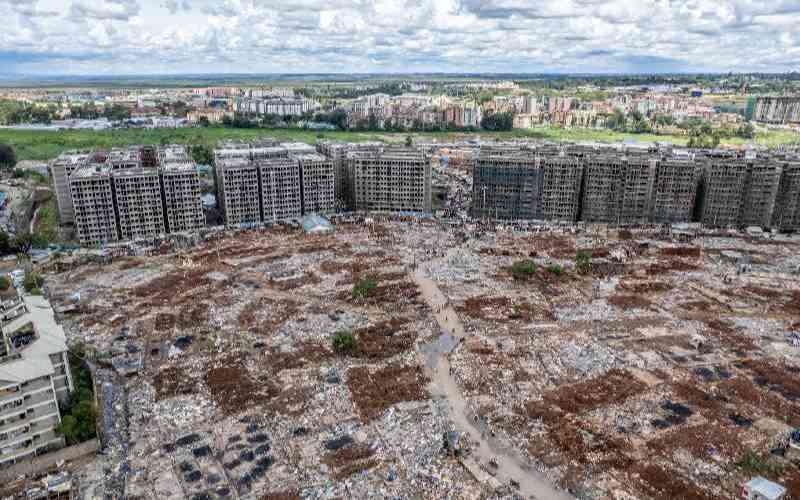
From favelas to informal settlements, new UN report points to housing solutions that work
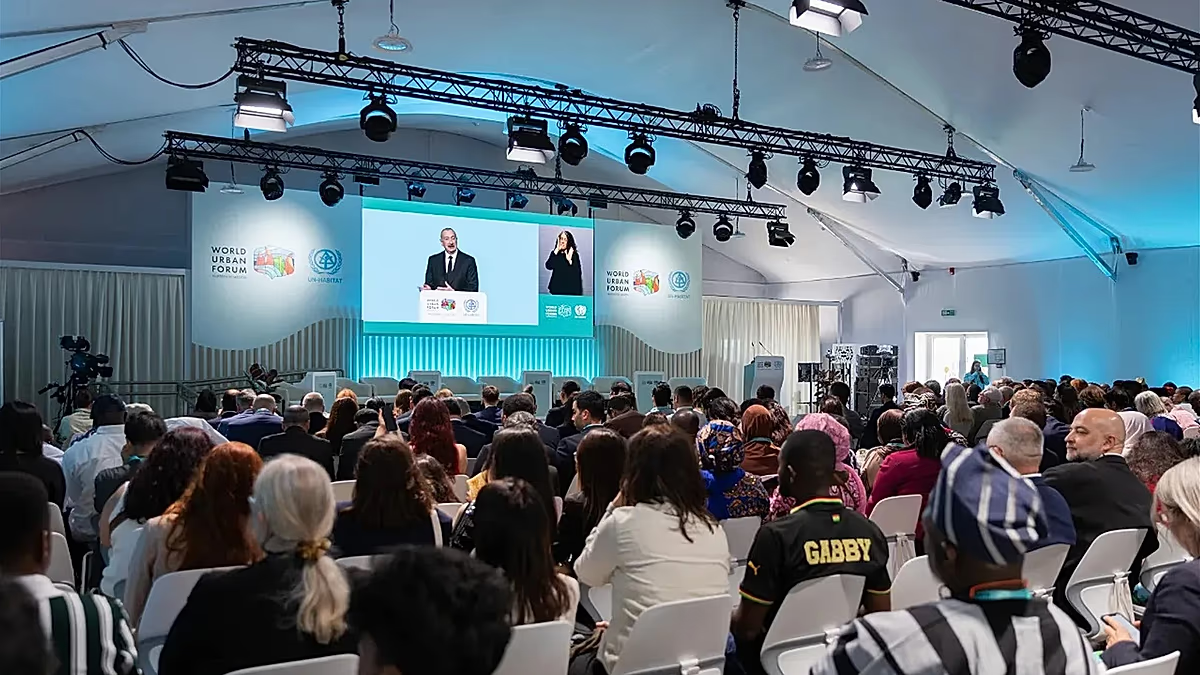
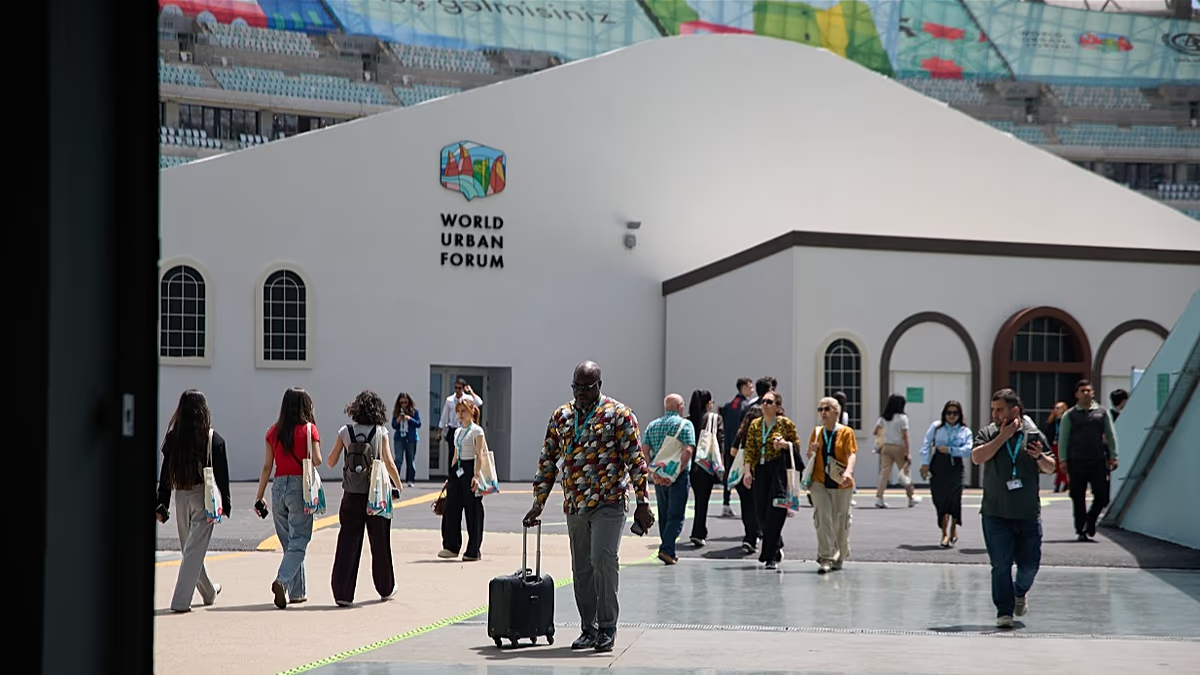
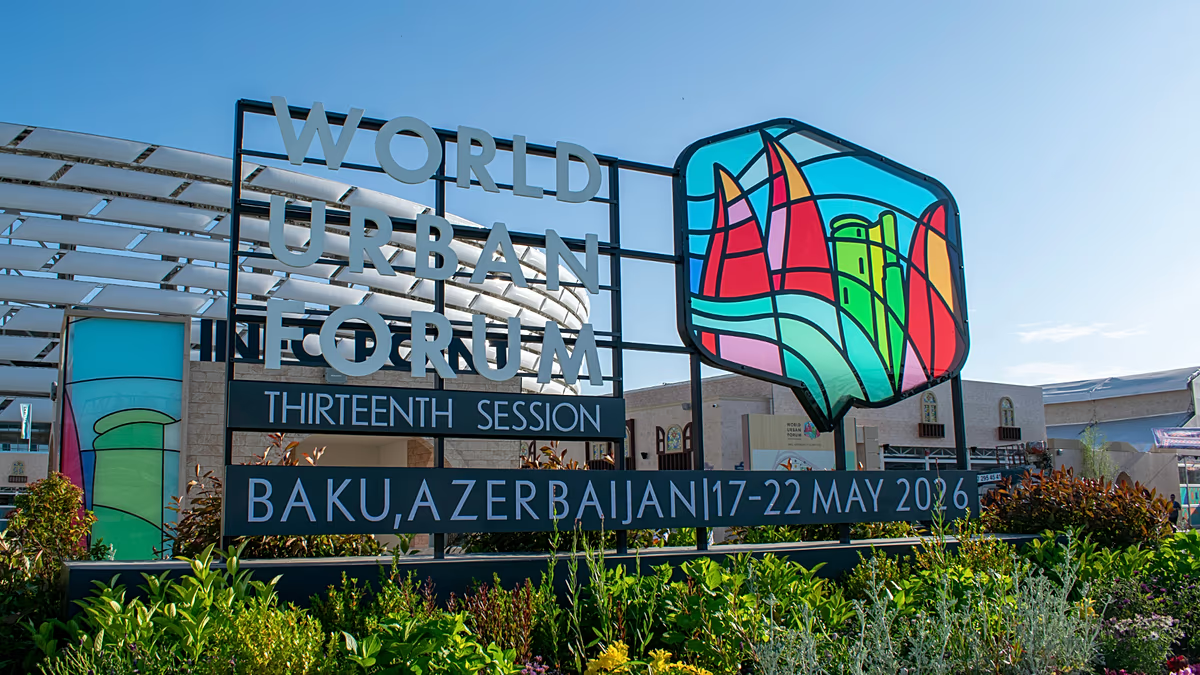
A major new UN report says such efforts are more than isolated successes. With the right tools, it argues, easing the global housing crisis – impacting billions – may be within reach.Released by UN-Habitat and launched on Tuesday at the 13th World Urban Forum (WUF13), in Baku, Azerbaijan, the report also points to a broader role for the UN system in helping countries move beyond short-term fixes towards long-term housing solutions rooted in human rights, climate resilience and community participation.
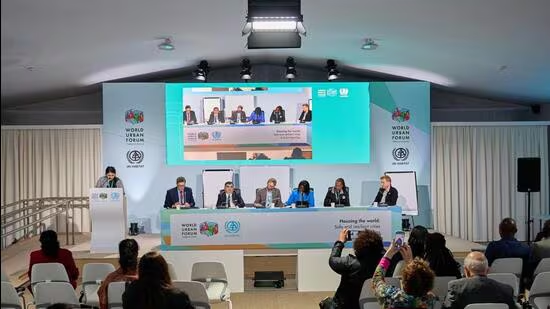
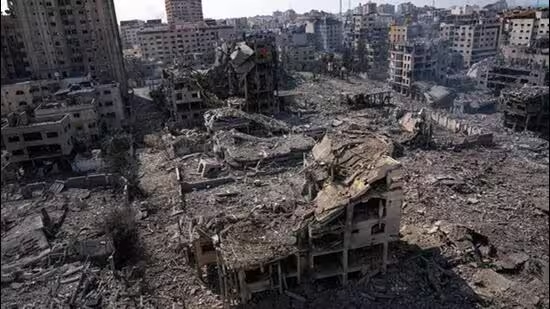
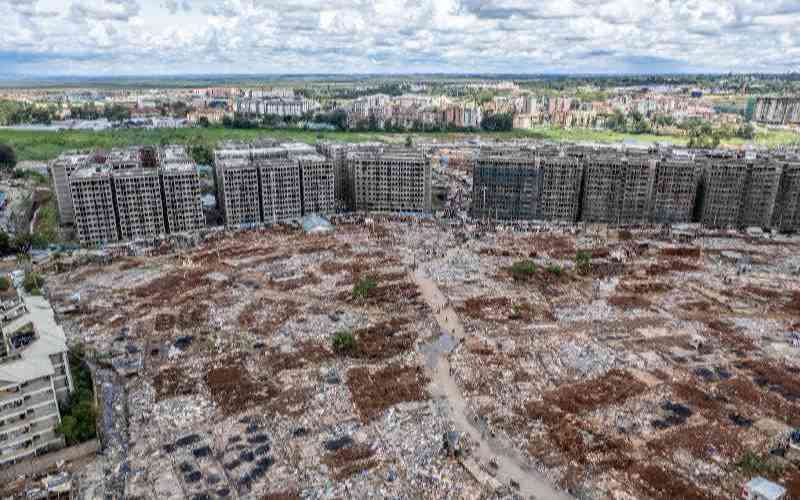
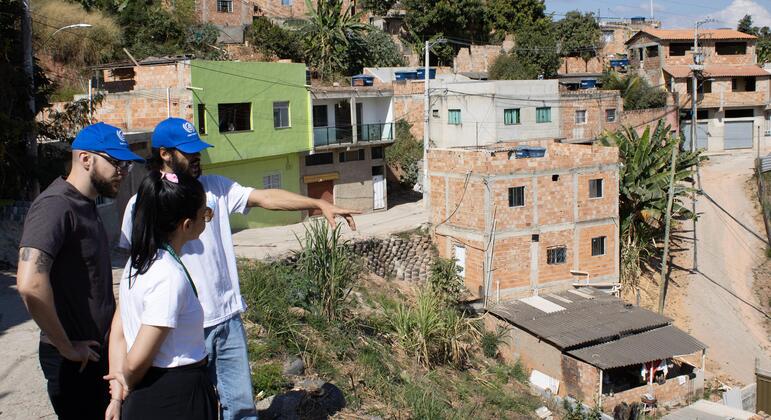
Held every two years, the forum brings together policymakers, practitioners and community leaders, offering a space to connect local experience with global decision-making – from slum upgrading and affordable housing finance to climate adaptation and post-conflict reconstruction.The World Cities Report 2026: The Global Housing Crisis – Pathways to Action paints a stark picture.Up to 3.4 billion people worldwide lack access to adequate housing, while more than 1.1 billion live in informal settlements and slums. Yet across its 300-plus pages, the report emphasises not only the scale of the challenge but also examples of what works.UN as coordinator, advocate and partnerUN-Habitat says the role of the United Nations is not simply to sound the alarm, but to help governments, cities and communities build practical solutions.The report describes housing as central to sustainable development and calls for greater political priority through the New Urban Agenda, an action-oriented framework adopted in 2016 that sets global standards for urban planning and helps advance the urban dimensions of the Sustainable Development Goals (SDGs).Housing should be seen as more than a market commodity, says UN-Habitat Executive Director Anacláudia Rossbach, “Adequate housing represents one of the most powerful entry points for accelerating sustainable and inclusive development.” The UN’s role includes:helping governments develop housing policies,promoting housing as a human right,coordinating international cooperation,supporting climate-resilient urban planning,backing community-led upgrading projects. Rather than top-down solutions, the report emphasizes partnership with local communities, illustrating the approach through case studies from different regions.