Housing crisis takes centre stage at World Urban Forum in Baku
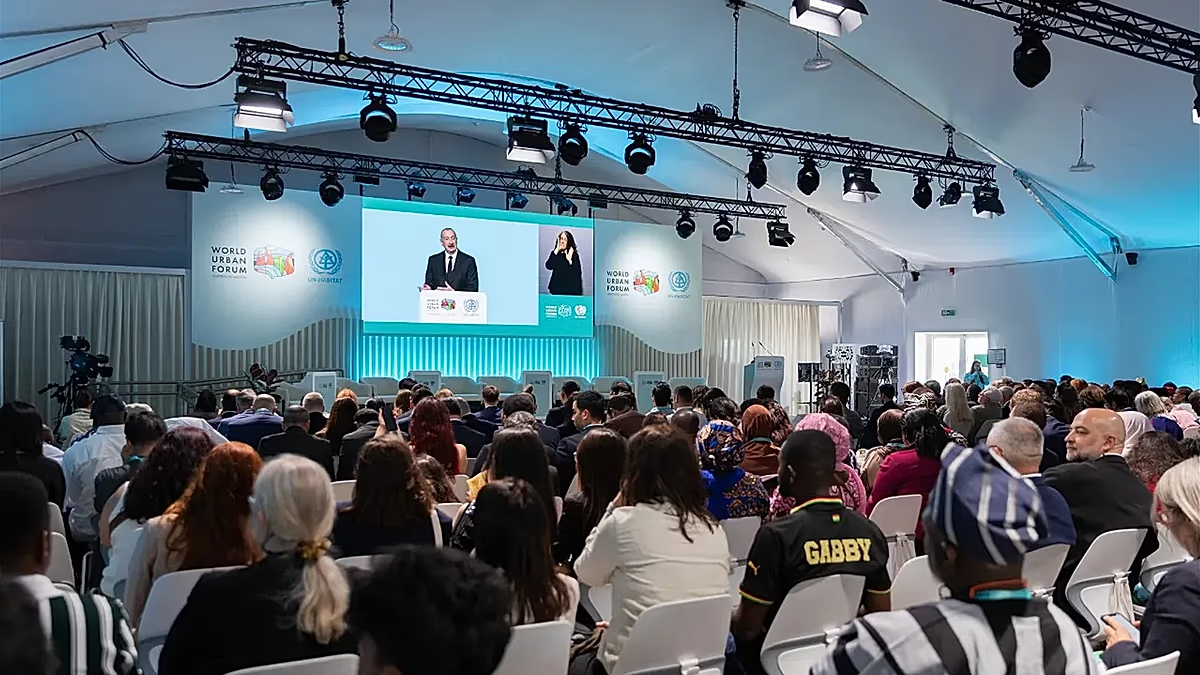
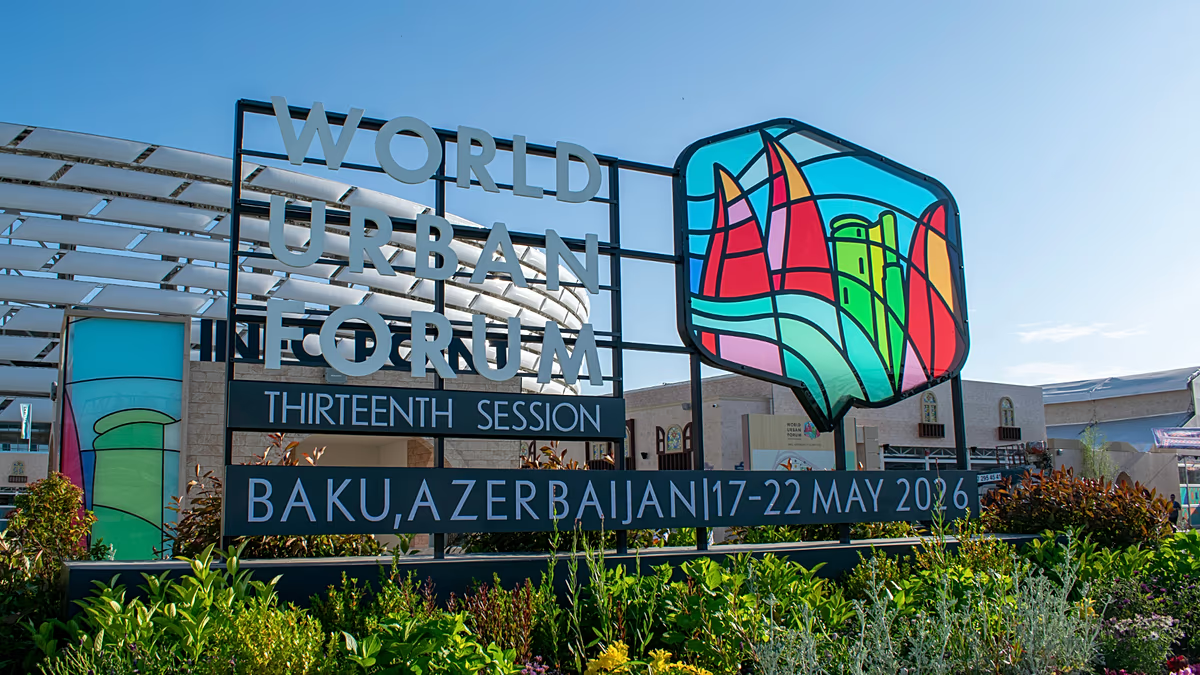
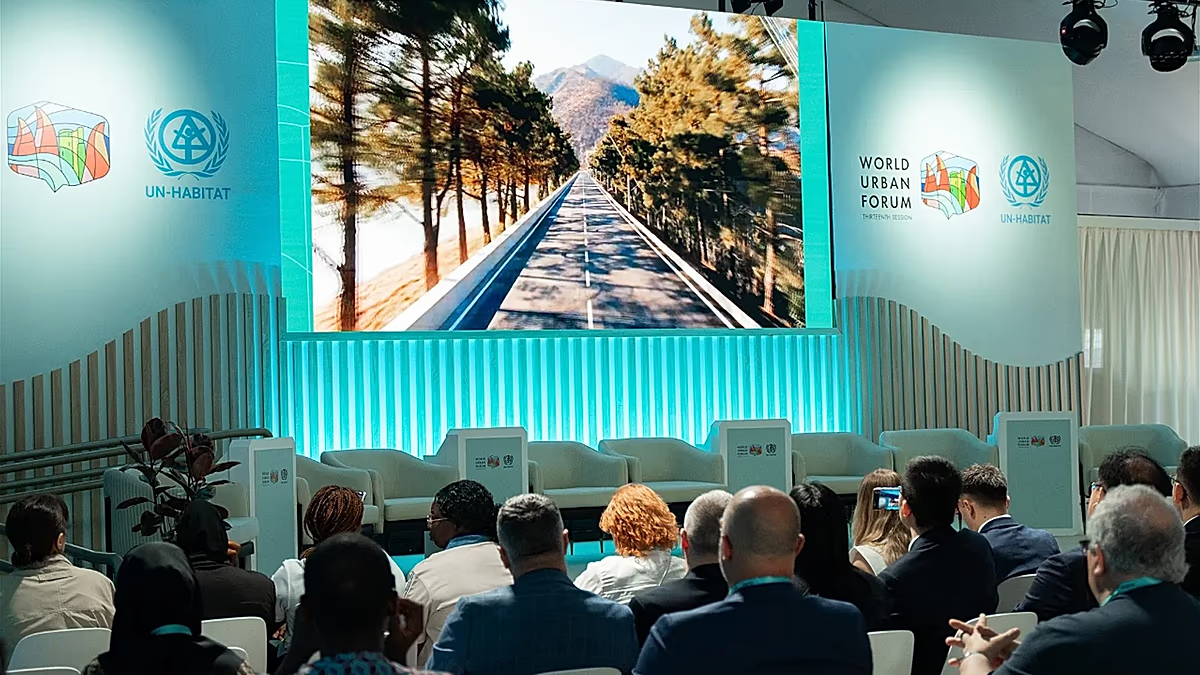
His video address set the tone for the 13th session of the World Urban Forum (WUF13), which comes at a critical moment as cities grapple with deepening inequalities, rapid urbanisation and a growing climate crisis.Organised by UN‑Habitat in partnership with the Government of Azerbaijan, the forum, which has drawin a record number of participants, officially opened today following Sunday’s ceremonial events, which included the first-ever World Leaders Summit in the history of the gathering.Housing rises up the global agenda
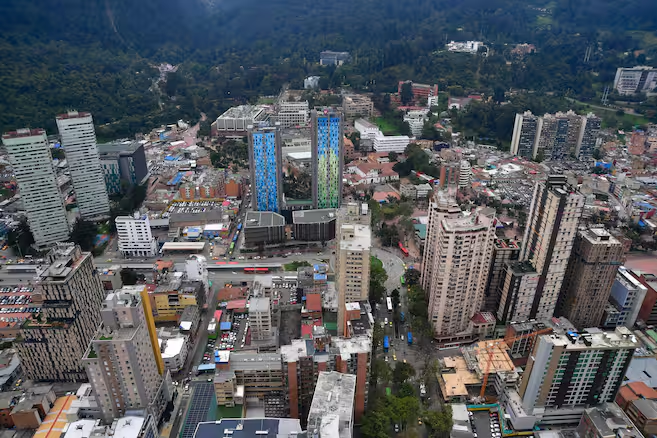
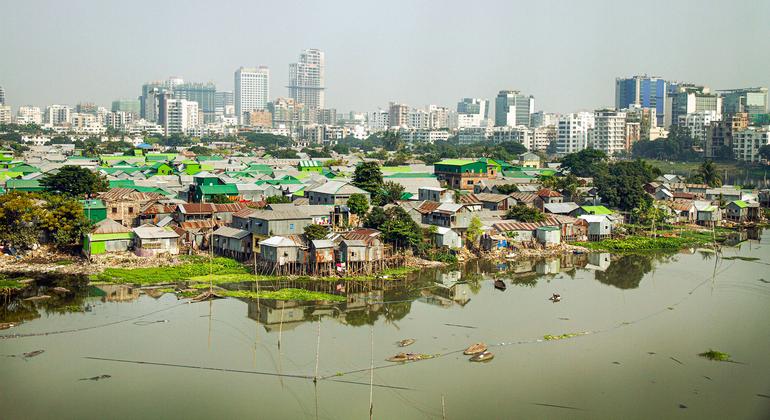
UN‑Habitat officials describe the summit as a major step in elevating housing and urbanisation to the highest political level.Mr. Guterres stressed that housing directly affects people’s health, education and future opportunities.“As Secretary-General, I am proud that the Pact for the Future and the Doha Political Declaration recognize housing as a priority,” he added, referring respectively to a landmark 2024 UN agreement aimed at strengthening global cooperation and safeguarding the needs of future generations, and the declaration adopted at last year’s World Social Summit, focused on advancing inclusive development.“Housing is a human right, and fundamental for human dignity,” Mr. Guterres emphasized, calling on participants to make affordable housing a “shared reality.”The Secretary‑General also warned that the crisis is no longer confined to low‑income countries. “No society is immune, from fast‑growing cities in the developing world, to advanced economies with high rents and rising homelessness,” he said.No simple fixes for a global crisisPresident of the UN General Assembly Annalena Baerbock said in a separate video message that there are no straightforward solutions.“Building more houses is necessary, but it will not be enough on its own,” she stressed.She called for a more comprehensive approach – one that links housing with infrastructure, climate resilience, financing and urban planning – and underlined that sustainable urban development is impossible without the participation of local communities, civil society and residents themselves.Cities under pressureAccording to UN estimates, around 1.5 million people move into cities every week. By 2050, more than two‑thirds of the world’s population will be living in urban areas, with nearly 90 per cent of that growth concentrated in Africa and Asia.At the same time, informal settlements are continuing to expand: in developing countries, more than 30 per cent of urban residents live in slums and neighbourhoods lacking adequate infrastructure.