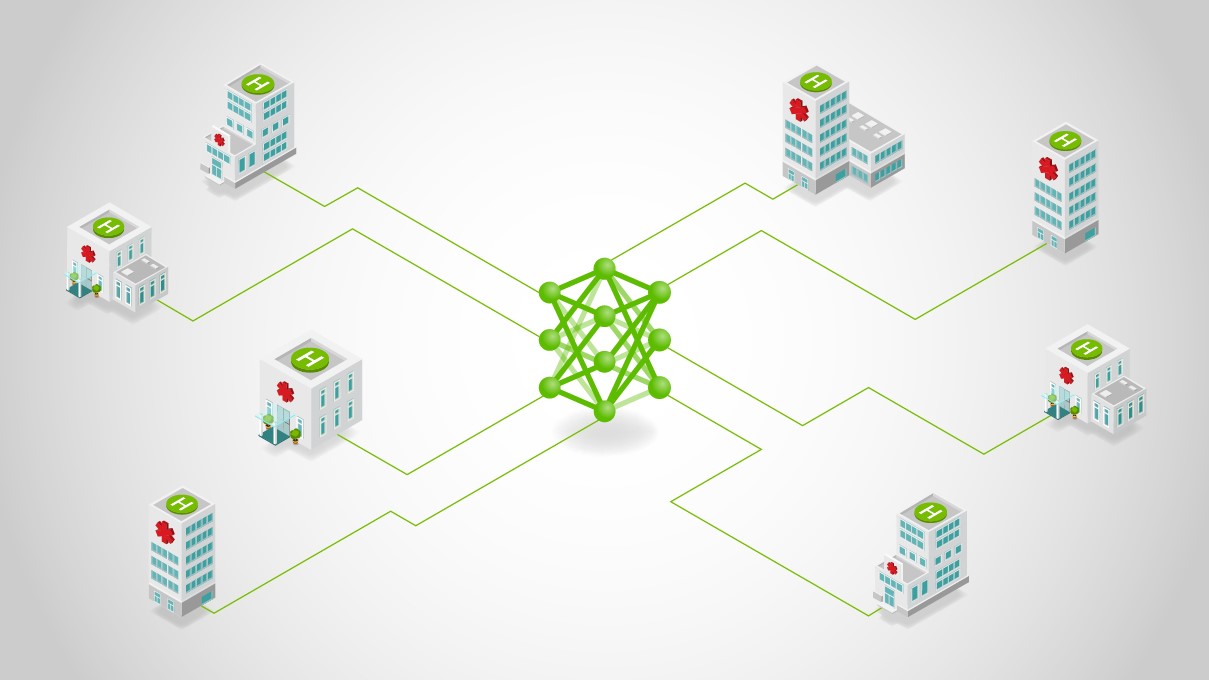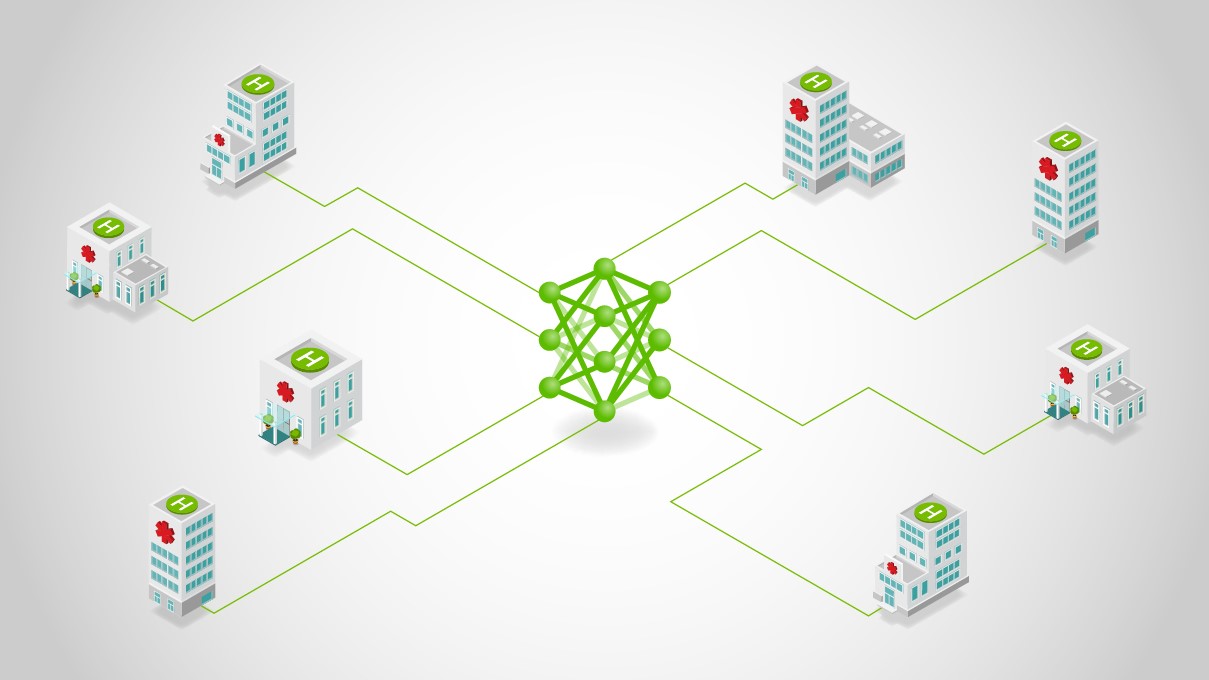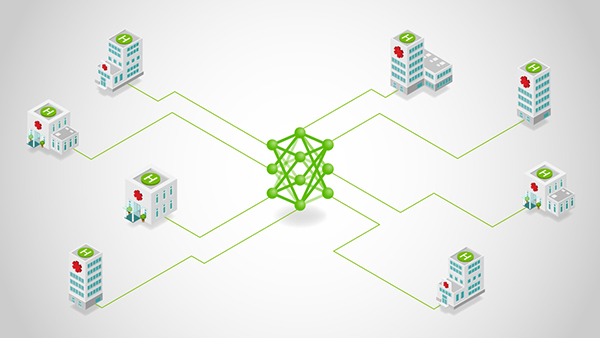
Federated learning (FL) is no longer a research curiosity—it’s a practical response to a hard constraint: the most valuable data is often the least movable. Regulatory boundaries, data sovereignty rules, and organizational risk tolerance routinely prevent centralized aggregation. Meanwhile, sheer data gravity makes even permitted transfers slow, expensive, and fragile at scale.
The latest version of NVIDIA FLARE addresses this reality with a federated computing runtime that moves the training logic to the data, while raw data stays put. In high-stakes environments, centrally aggregating data is often not possible or practical, so a modern federated platform must treat data isolation, compliance, and privacy-enhancing technologies as first-class requirements.
What has historically slowed adoption isn’t the concept of FL—it’s the developer experience. If the path from “my local script trains” to “my job runs across federated sites” requires deep refactoring, new class hierarchies, or brittle configuration, many projects stall after the pilot.
The FLARE API evolution targets exactly that: eliminating the refactoring overhead by splitting the work into two concrete steps that map cleanly onto how teams actually build and ship ML systems: