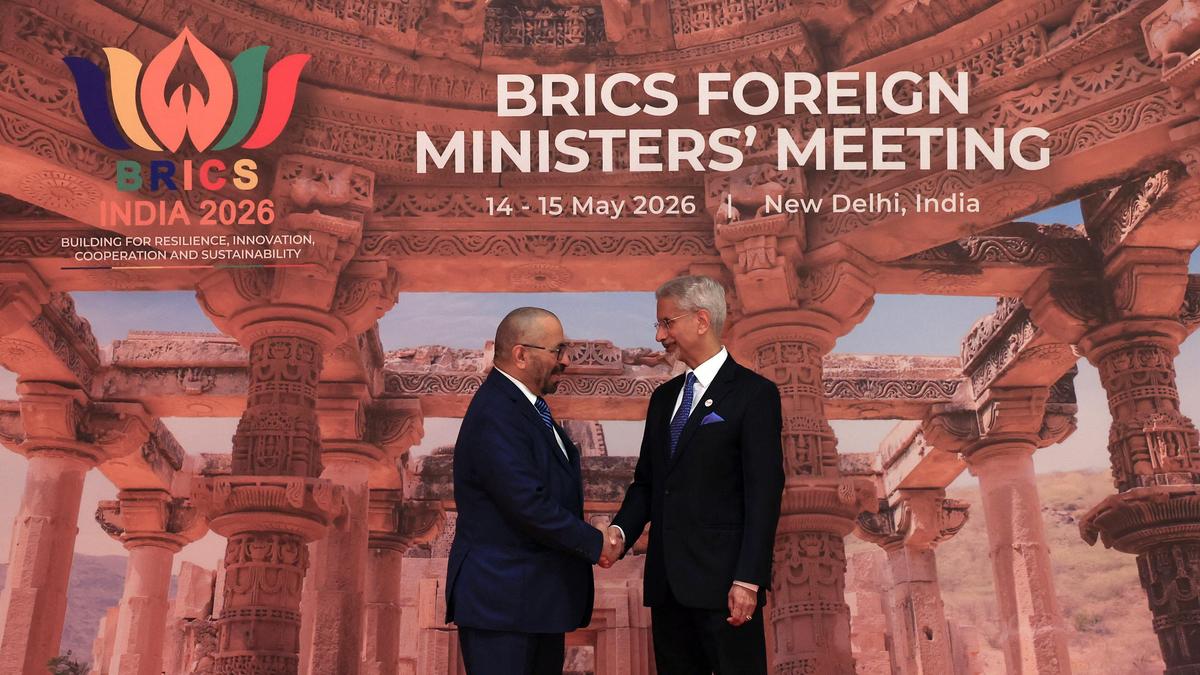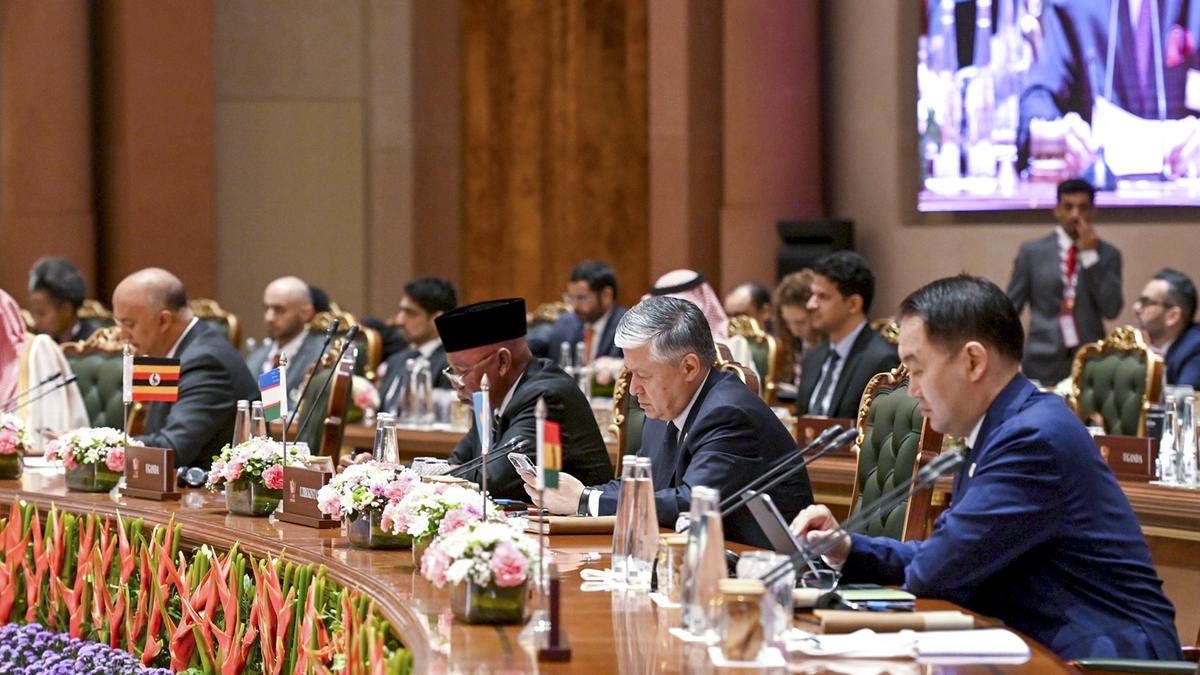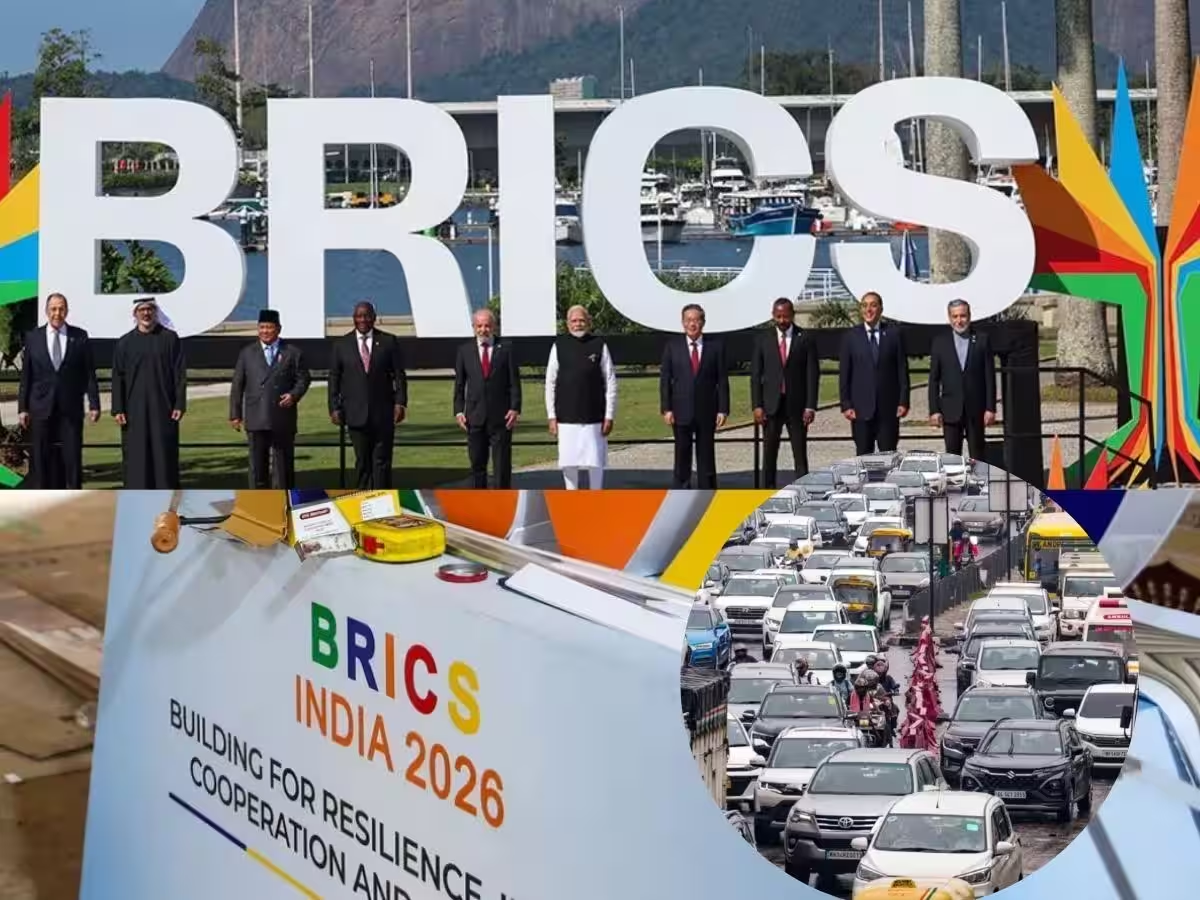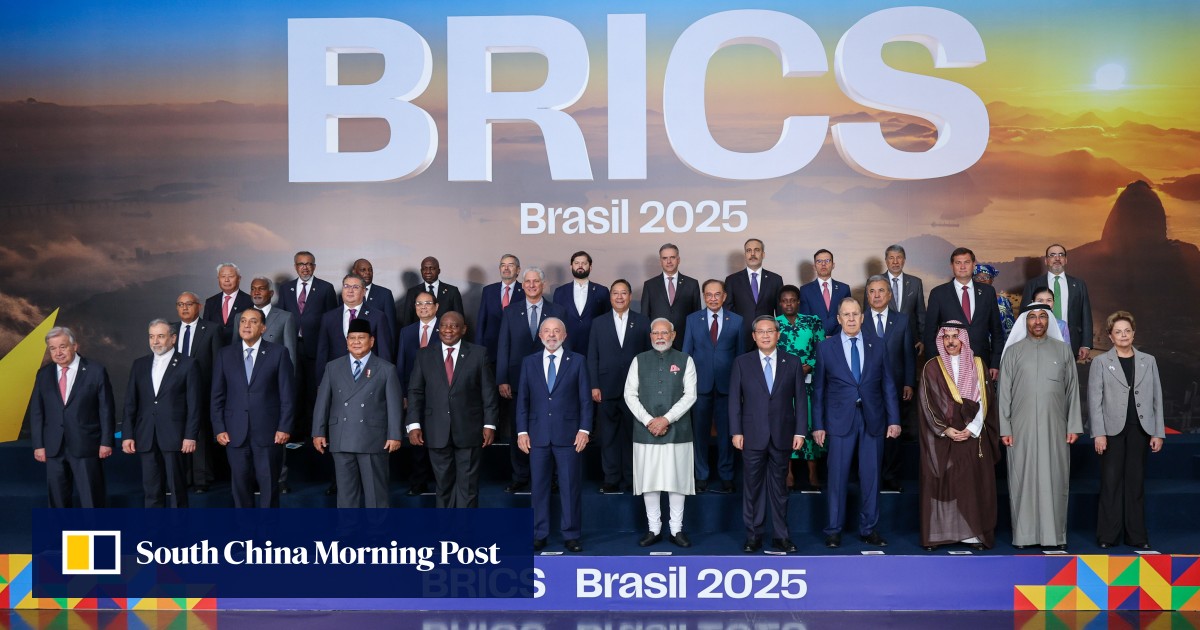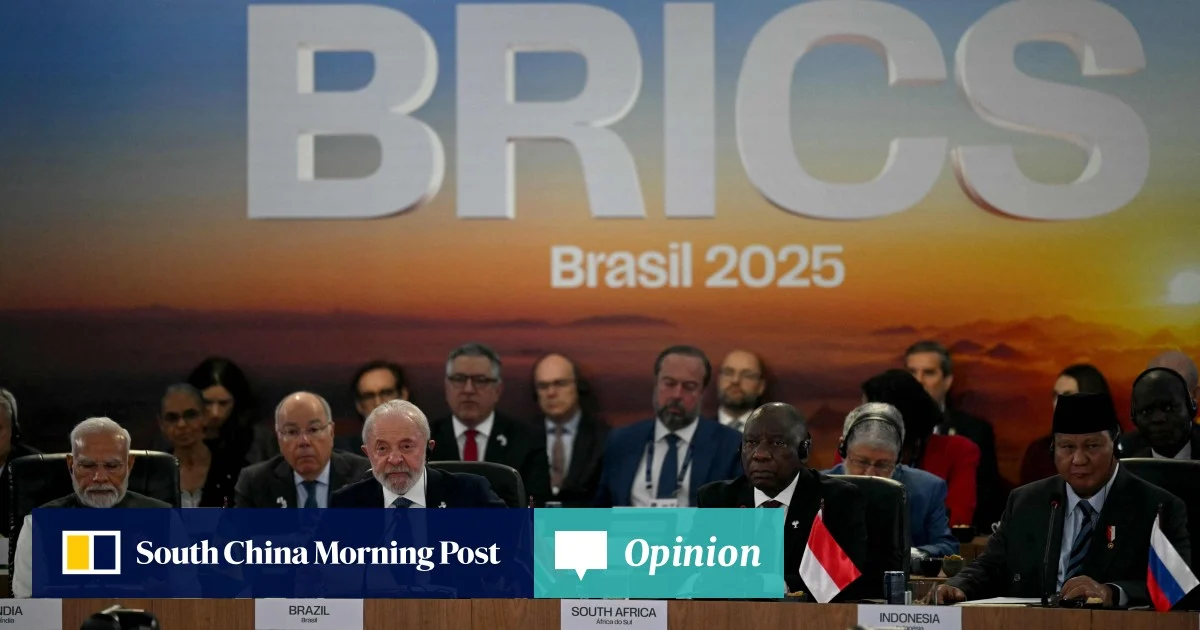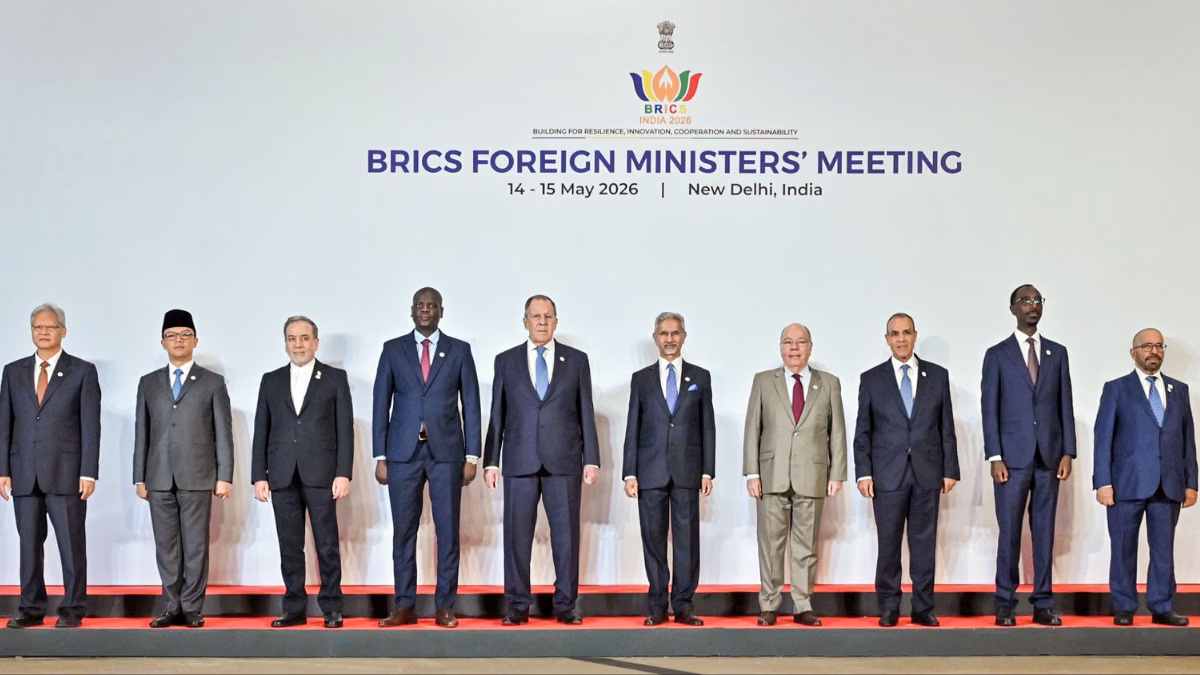
Araghchi urged member states to condemn the US and Israel for their “aggression” against Iran, laying bare how conflicting alliances within the grouping have weakened BRICS’ ability to function cohesively. A primary example of this was the lack of a joint statement—a likely conclusion at a BRICS meeting or summit.But, were these contradictions embedded in BRICS from the very beginning?ThePrint explains how BRICS came into being, what makes it unique, why it has continued to expand over the years, and why it may be the only grouping that was neither born out of a crisis nor has any common denominator.
Also read: India fails to achieve consensus at BRICS foreign ministers meet as Iran dissents on Palestine, Red Sea
How BRICS came into being
In 2001, Goldman Sachs’ research division published a report that coined the term BRIC (Brazil, Russia, India, and China). The paper, titled “Build Better Global Economic BRICs,” authored by Jim O’Neill during his tenure as head of Global Economic Research at Goldman Sachs, projected that over the following decade, the share of the “BRIC” in global GDP would rise dramatically.This report became a canonical work, prompting further research. Another paper by Goldman Sachs in 2003 titled, “Dreaming with BRICs: The Path to 2050,” argued that BRIC countries would take over the “largest developed economies” by 2039.Then, in 2008, Russian President Vladimir Putin called a meeting of the four BRIC countries in Yekaterinburg. In July that year, the first informal BRIC summit took place on the sidelines of the 34th G8 Summit in Hokkaido, Japan.The next year, in 2009, Moscow hosted the first official BRIC summit in Yekaterinburg. Rachel S. Salzman, in her book “Russia, BRICS, and the Disruption of Global Order,” writes about how Russia’s leadership in BRIC’s nascent phase was symbolic of its desire to counter US hegemony and redraw the geopolitical map.In 2010, South Africa joined the group at the invitation of China, completing the acronym BRICS. To position itself “as the most reputable and representative group of non-Western developing countries”, BRICS started expanding outwards.BRIC’s first meeting took place in 2008, the year of the great economic recession in the US, when the IMF and the World Bank had faced criticism for not foreseeing the crisis. The BRICS had thus emerged as a “relevant group for the restructuring of the global economic order”.Moreover, institutions like the IMF, World Bank and OECD were also dominated by America and Europe, leaving little room for emerging economies.The US dollar has been included in the IMF’s Special Drawing Rights since 1969, the British pound since 1974, the Japanese yen since 1981, and the euro since 1999. It was only in 2015 that the Chinese Renminbi (RMB) was included in the SDR basket.By convention, the World Bank President is an American citizen, while the IMF traditionally has a European Managing Director. The US is also the only country that effectively holds veto power over major IMF decisions, with more than a 16.49 percent voting share.The developed countries eclipsed the membership of new entrants, too.Infographic: Shruti Naithani | ThePrint