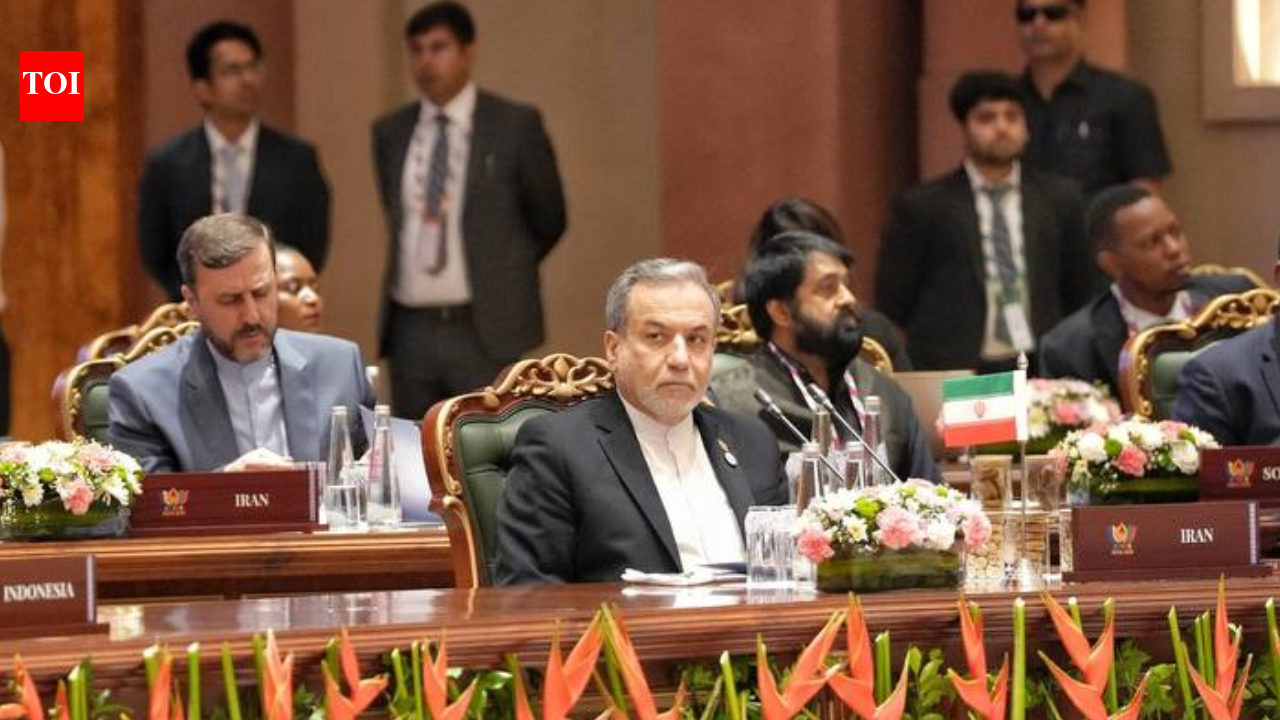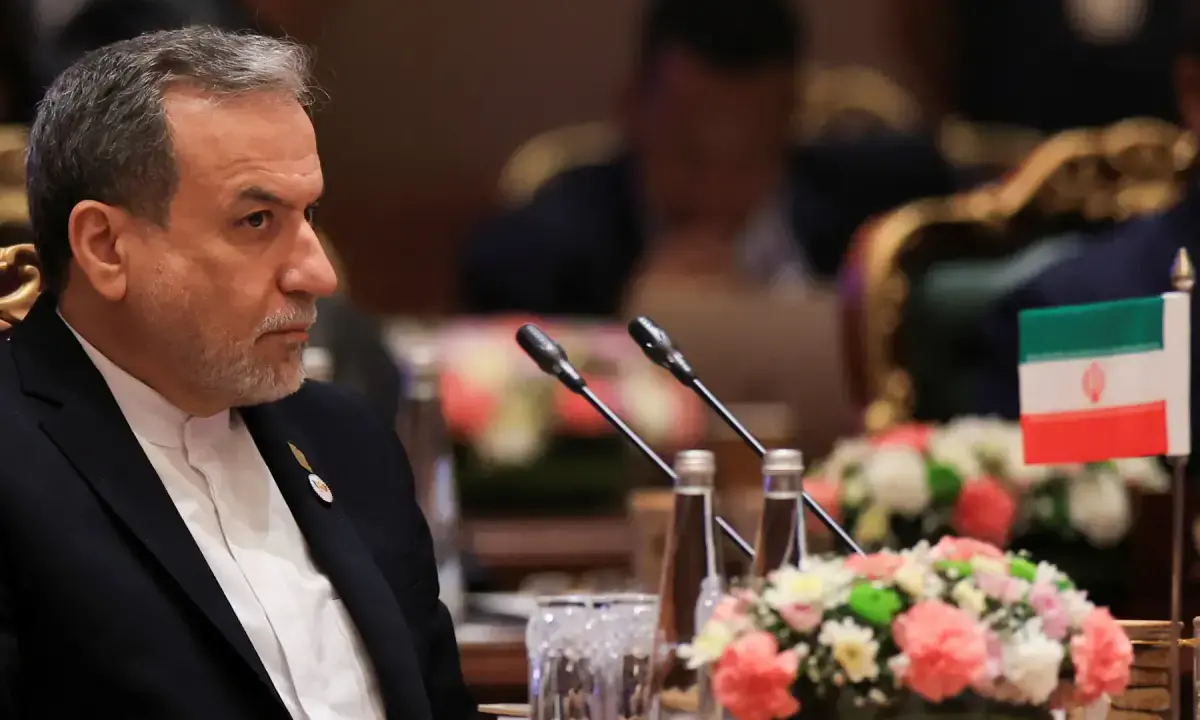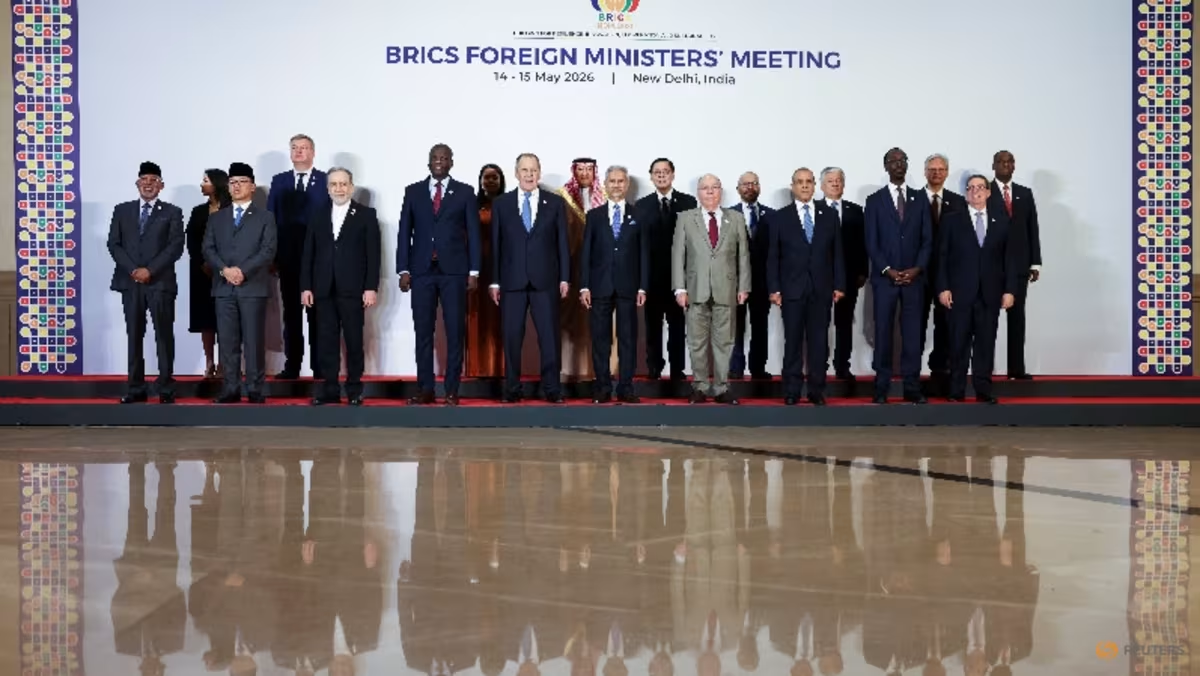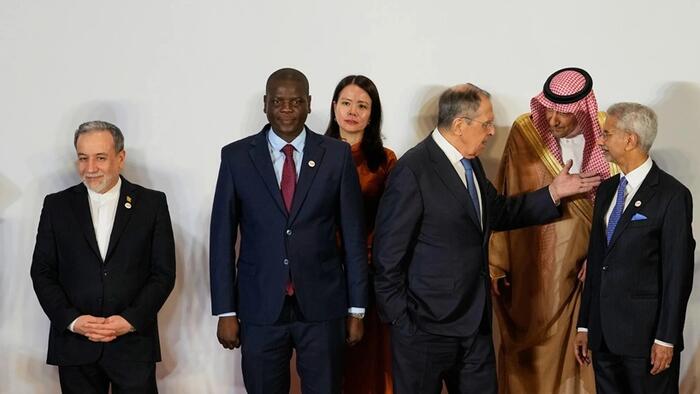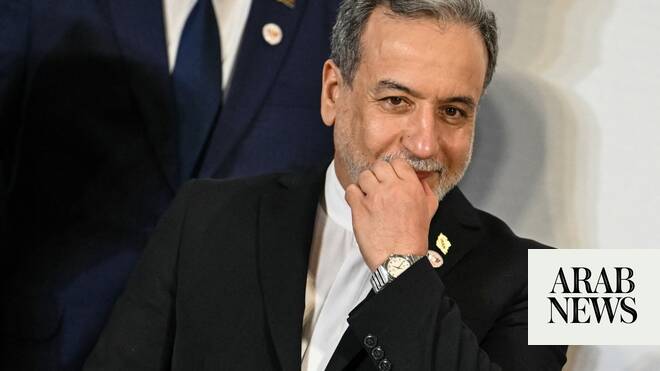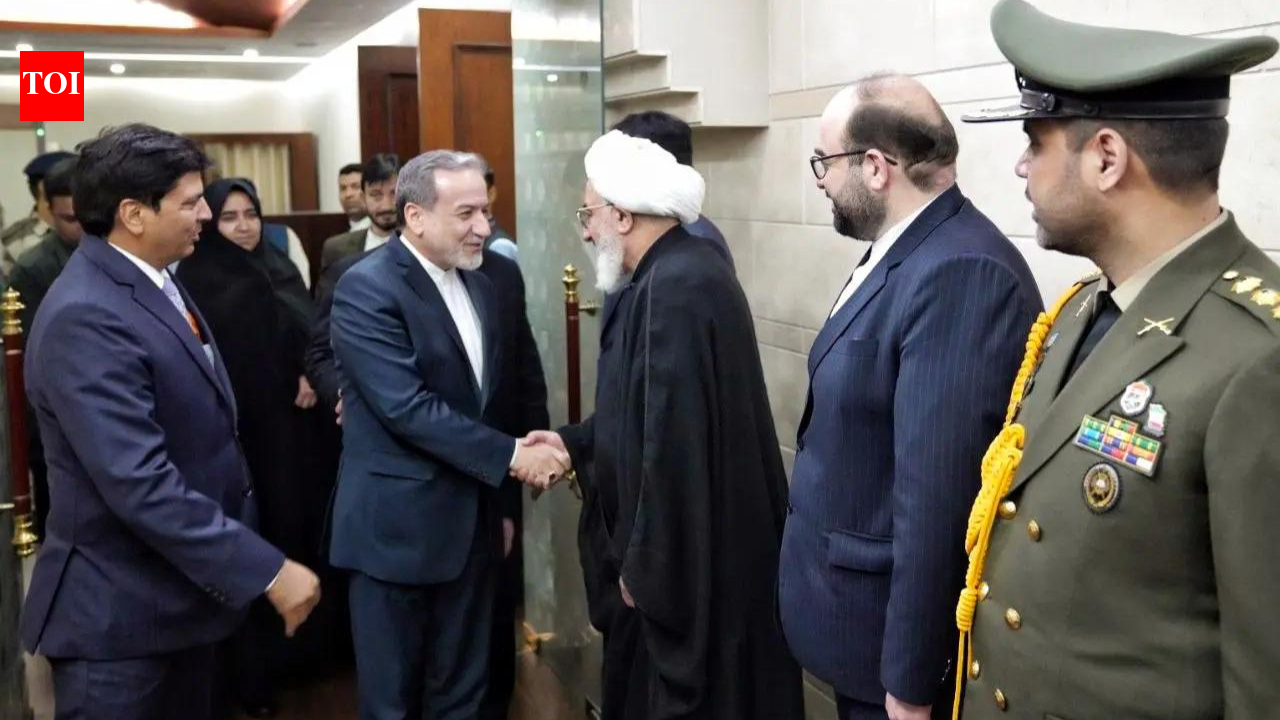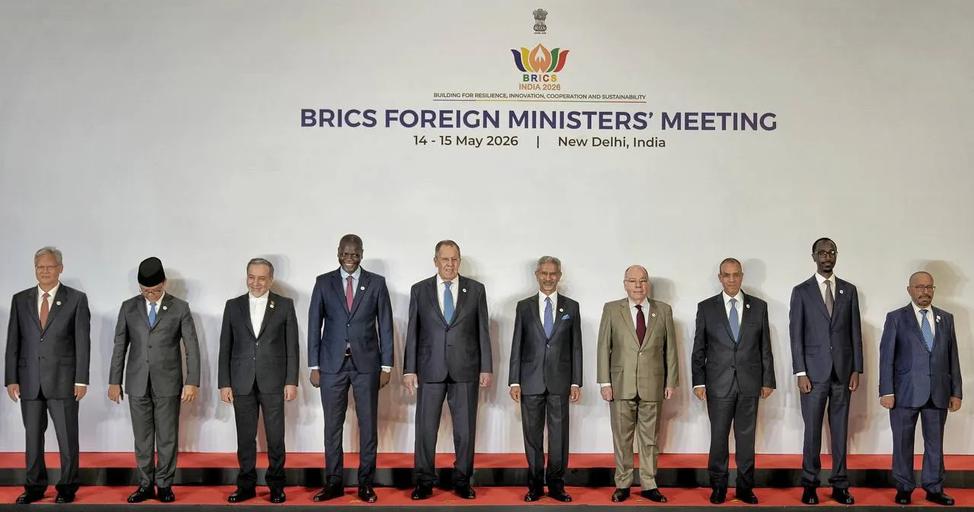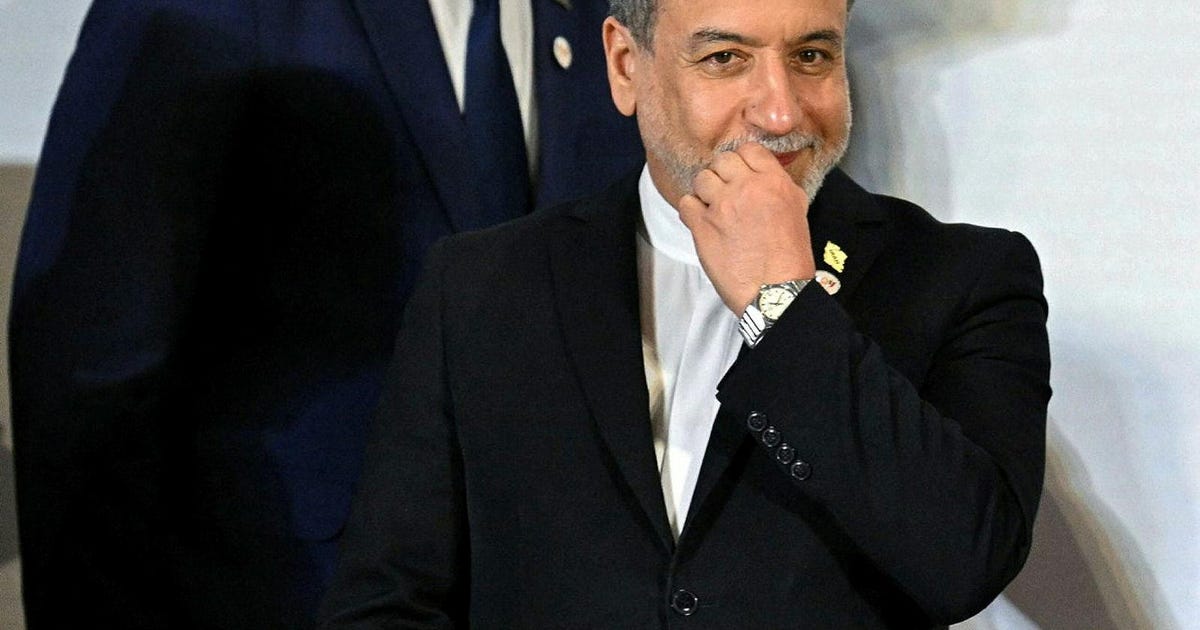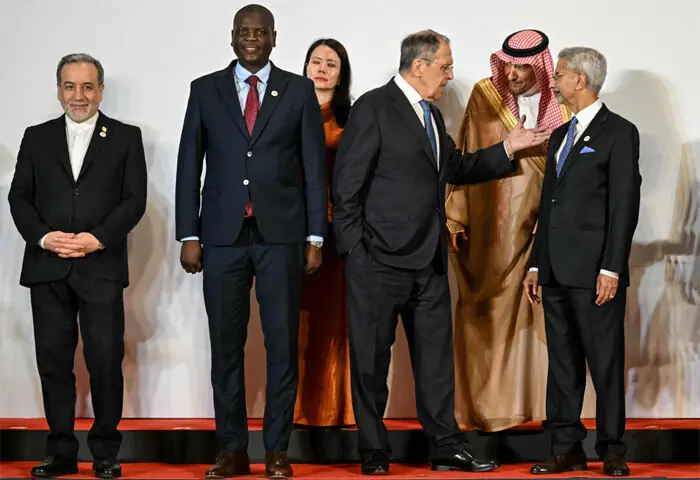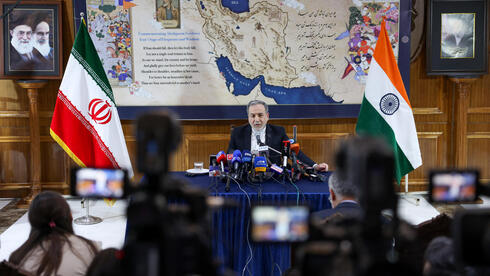
Against the backdrop of a fragile ceasefire and reports of UAE involvement in the war, Iran accused Abu Dhabi of siding with the US and Israel, while the Emirates rejected what it called an attempt to justify attacks against itThe BRICS foreign ministers’ meeting, held over the past two days in New Delhi, was meant to project unity among emerging economies. Instead, it brought Iran and the United Arab Emirates into the same room at one of the most sensitive moments in their relations, turning the summit into a stage for open accusations.The meeting took place against the backdrop of reports that Abu Dhabi had secretly struck Iran during the war, alongside claims that Israel had stationed air defense systems in the UAE to help counter the missile and drone threat from the Islamic Republic. Since the start of the war, more than 550 ballistic missiles, dozens of cruise missiles and over 2,260 drones have been launched from Iran toward the Emirates.Iranian Foreign Minister Abbas Araghchi (Video: Reuters)The tensions were visible at the BRICS gathering, which ended without a joint statement because of divisions over the situation in the Middle East. India, the host country, instead issued a chair’s statement noting that member states had expressed differing views and emphasized the need for diplomacy, respect for sovereignty, international law, freedom of navigation and protection of civilian lives and infrastructure. BRICS was created to promote cooperation among major developing economies. It began in 2009 with Brazil, Russia, India and China, before South Africa joined in 2010, giving the bloc its current acronym. It has since expanded to include Ethiopia, Iran, Egypt, the United Arab Emirates and Indonesia.Even before the New Delhi meeting, Iranian officials had signaled frustration with one of their regional neighbors inside the bloc. Kazem Gharibabadi, an aide to Iran’s foreign minister, was quoted last Wednesday as saying Tehran was facing “complications” because a neighboring BRICS member had “placed its territory at the disposal of the aggressors.”Iranian Foreign Minister Abbas Araghchi was quoted as saying that the UAE “stood alongside the United States and Israel in the war,” adding that Tehran had “precise information and clear documentation” to prove it.“Iran attacked only American targets on Emirati soil,” Araghchi said. “We did not want to raise these issues in order to preserve the unity of the BRICS group, but since the UAE representative raised them, we were forced to reveal the facts.”2 View gallery Abbas Araghchi (Photo: Adnan Abidi/ Reuters)He added that Iran had advised the UAE that Israel and the United States “cannot provide it with security.”“It would be better for the UAE to change its policy toward Iran,” Araghchi said. “We are two neighboring countries with a shared history and a shared future. Security must be sought through cooperation among the countries of the region, not through reliance on foreign powers.”Earlier at the summit, Araghchi said Iran had been “a victim of warmongering,” but had “not surrendered and will not surrender.”“The Iranian people stood courageously against the plots of their enemies in order to achieve justice, independence and defend their sovereignty and territorial integrity,” he said. “It should be clear to everyone that Iran is invincible, and the more pressure it faces, the stronger and more united it becomes.”Araghchi said Iran was prepared to defend its freedom and territory “with all its strength,” while also continuing to defend diplomacy.“The time has come for us to cooperate in confronting hegemony,” he said, referring to the United States. “We cannot ignore the serious common threat we all face.”He called on BRICS members to condemn what he described as violations of international law by the United States and Israel, and to take practical steps to stop “warmongering.”According to Araghchi, he was surprised that the UAE representative raised the war and Iran’s responses against American targets on Emirati territory during the BRICS session.“I had to clarify to the members of the meeting that we usually do not raise these issues, but everything has a limit,” he said. “I said we do not want to enter into these discussions in order to preserve the unity and harmony of BRICS. Since the UAE representative raised these issues, we were obligated to clarify the facts to the international community.”2 View gallery BRICS foreign ministers in New Delhi, including Iran’s Abbas Araghchi and the UAE representative (Photo: Adnan Abidi/ Reuters)The UAE Foreign Ministry later published remarks by Khalifa bin Shaheen Al Marar, the Emirati representative at the meeting. According to the ministry, Al Marar said the UAE “rejects the Iranian claims and attempts to justify attacks against it,” and rejects any threat to its sovereignty, national security or independent decision-making.“The United Arab Emirates reserves all its sovereign, legal, diplomatic and military rights in the face of any threat, claim or hostile action,” he said.Al Marar added that no pressure, accusation or “malicious claims” would undermine the UAE’s positions or deter it from defending its supreme national interests, sovereignty and independent decision-making.He said the UAE’s air defenses had confronted around 3,000 attacks aimed directly at civilian facilities and vital infrastructure, and stressed that the Emirates does not rely on anyone else for its defense and is capable of deterring aggression.India’s statement after the meeting acknowledged the disagreements among members. It said participants had clarified their national positions and exchanged a wide range of views, while stressing the need for a swift resolution to the current crisis.According to the statement, the sides emphasized the importance of dialogue and diplomacy, respect for sovereignty and territorial integrity, adherence to international law, freedom of navigation in international waterways and the protection of civilian infrastructure and lives.The ministers also condemned continued violations of the ceasefire in Lebanon and expressed support for the Palestinian cause. But the very fact that India issued a chair’s statement instead of the customary joint statement underscored how deep the rifts inside the expanded BRICS bloc have become.
Iran and UAE trade accusations at BRICS summit after weeks of escalation
Against the backdrop of a fragile ceasefire and reports of UAE involvement in the war, Iran accused Abu Dhabi of siding with the US and Israel, while the Emirates rejected what it called an attempt to justify attacks against it
980 words~4 min read