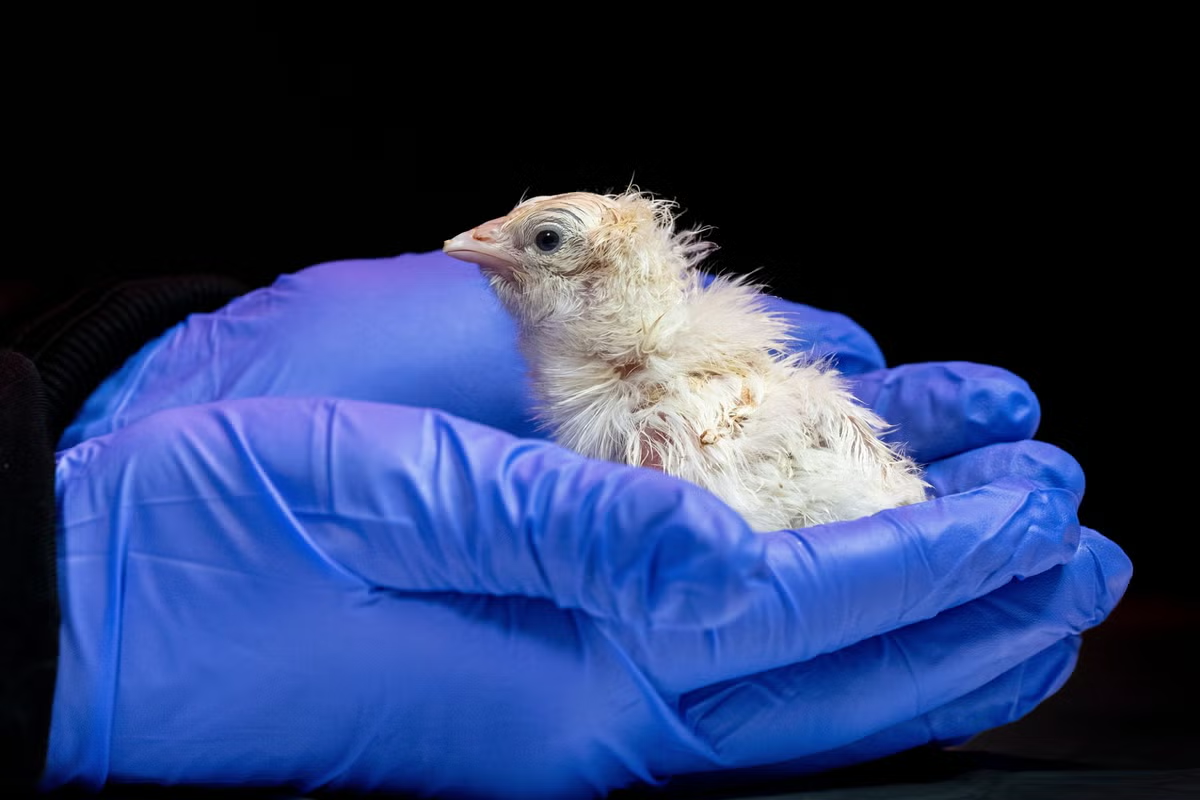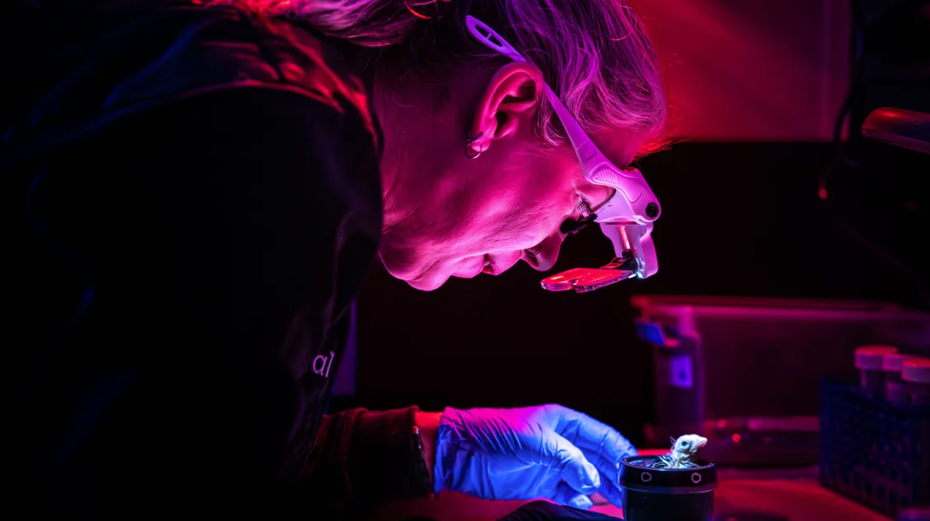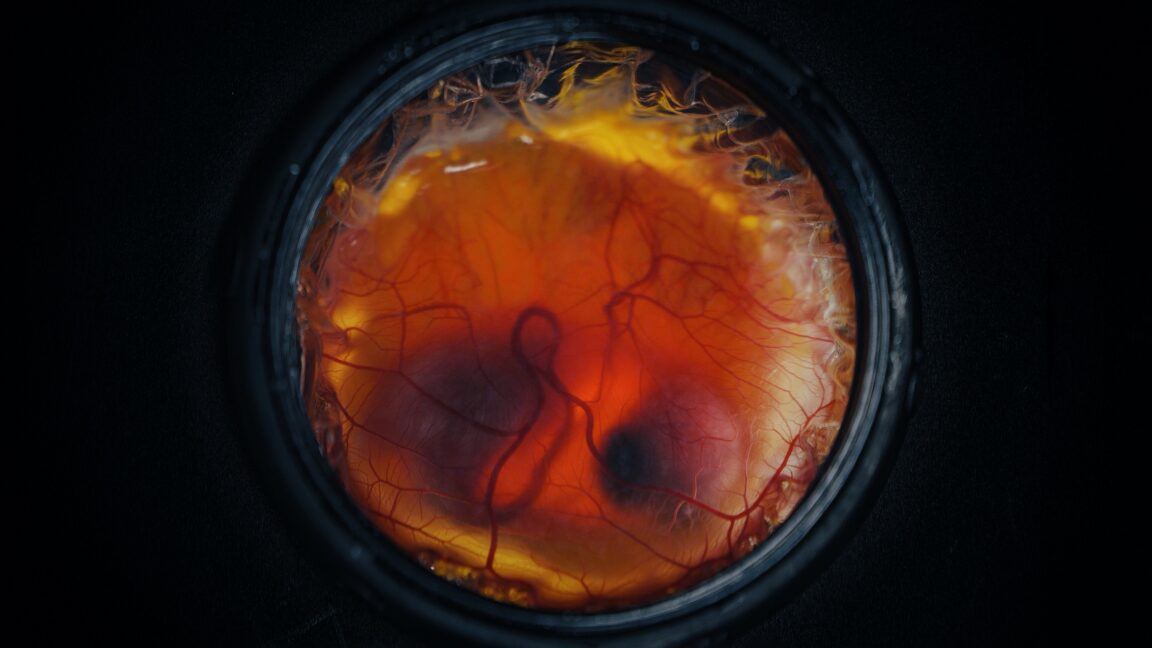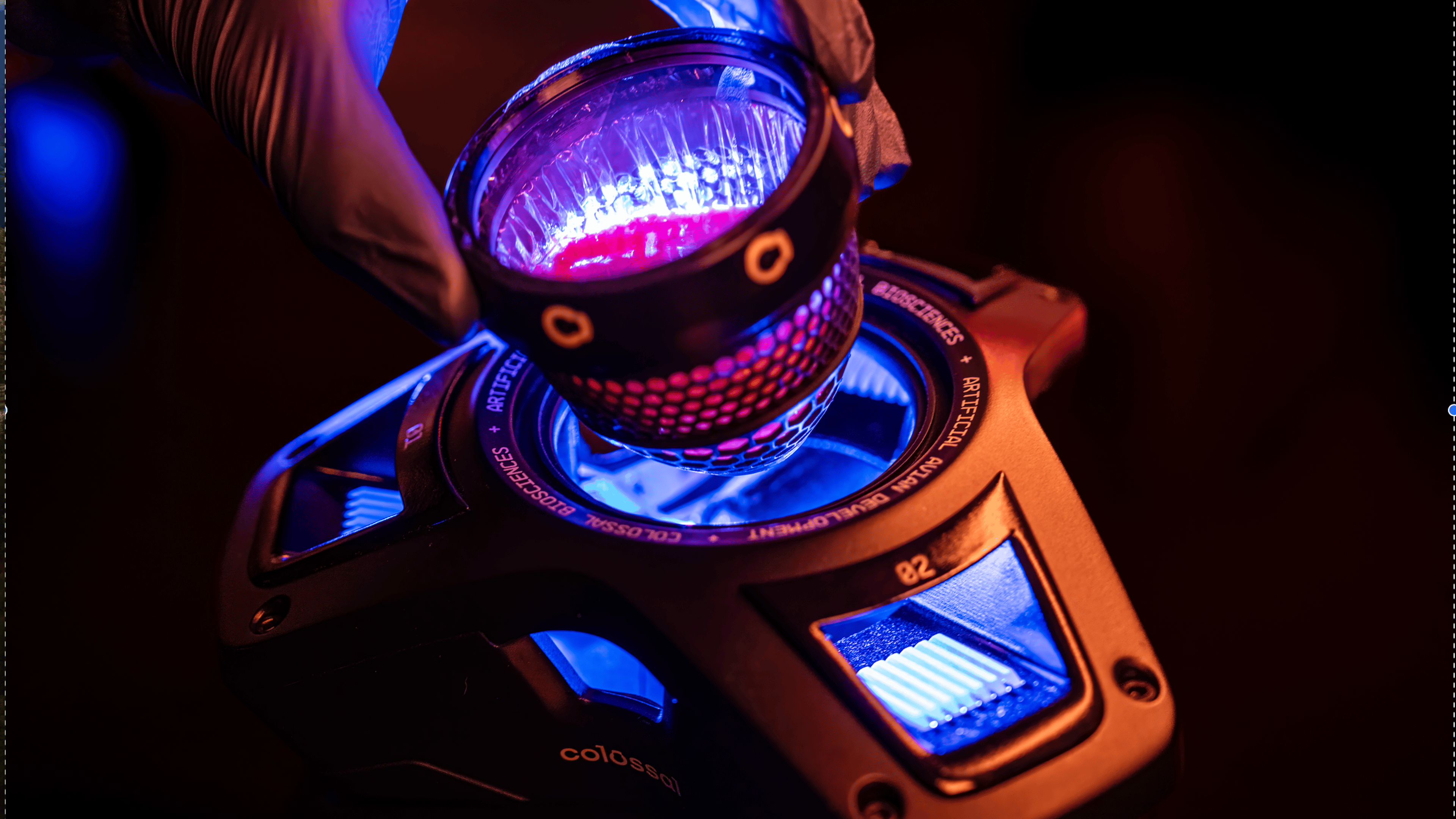
The biotech company today claimed it has developed a “fully artificial egg” as part of its effort to resurrect extinct avian species, including birds like the dodo and the giant moa. But “artificial eggshell” would probably be a better description for the invention. It’s an oval-shaped printed lattice, coated inside with a special silicone-based membrane that lets in oxygen, just as a real eggshell does.
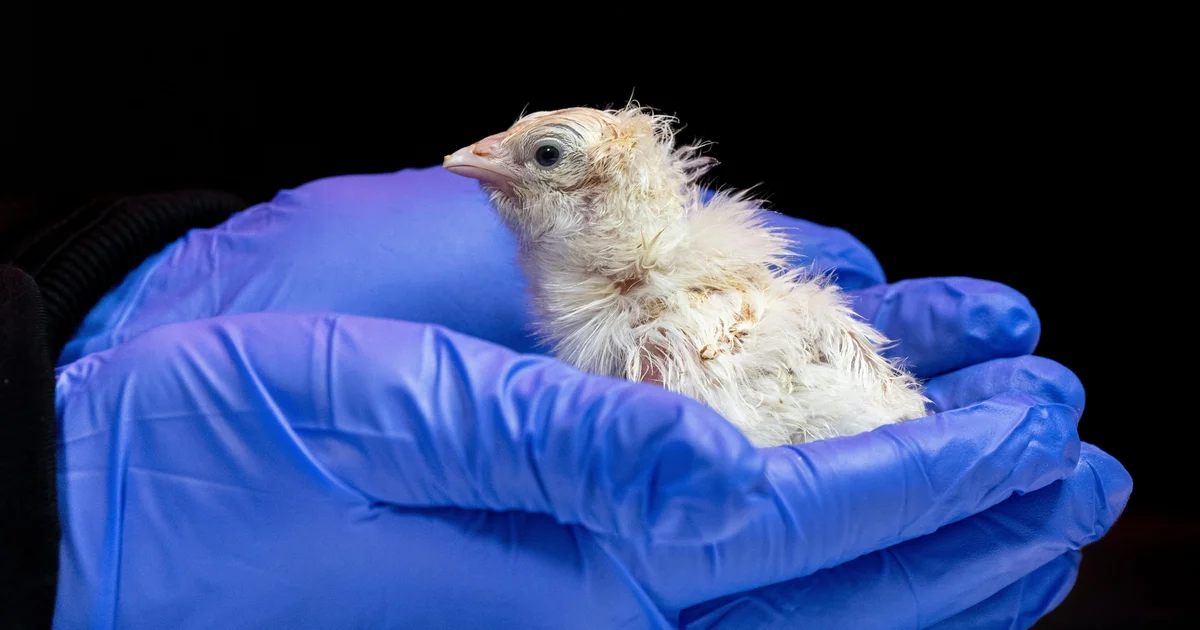
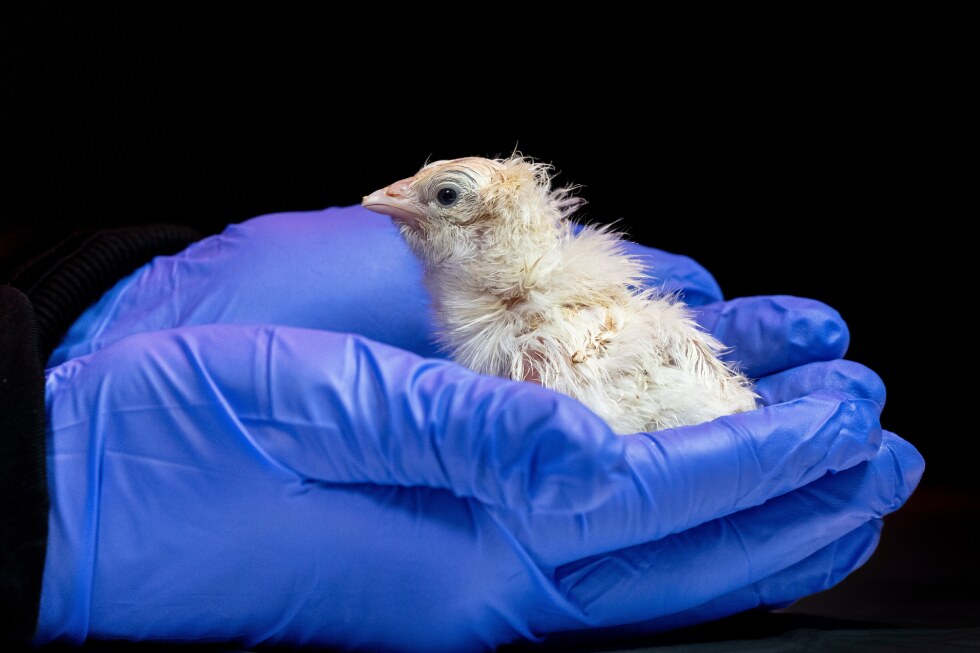
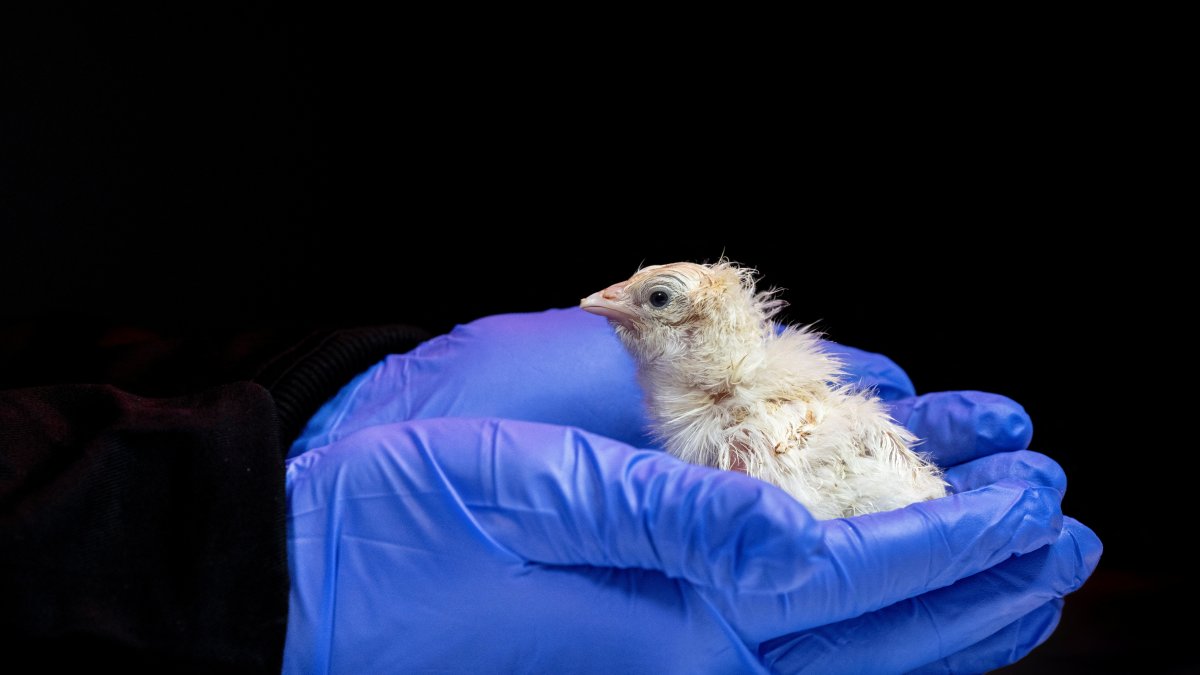
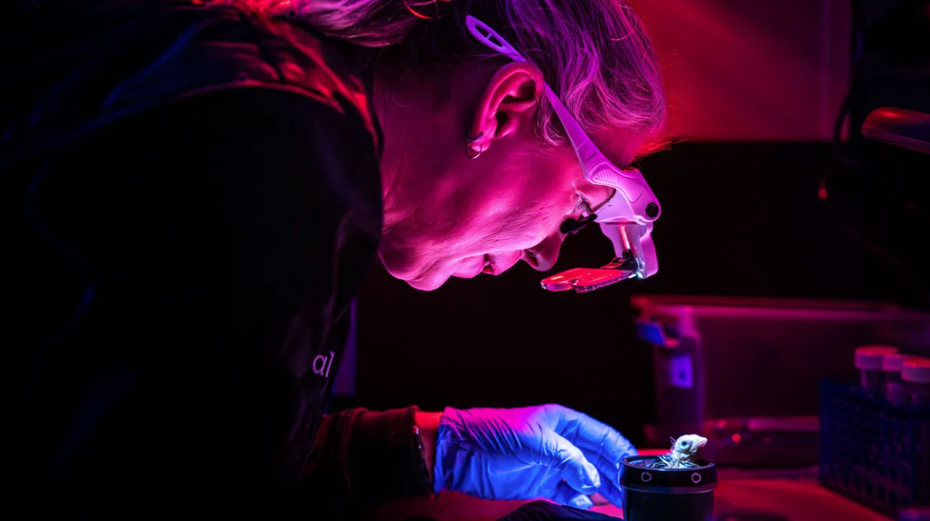
To generate birds, Colossal took recently laid chicken eggs and carefully poured their contents into the artificial shells, where they continued growing. A window on top lets researchers peek inside. “To see them all moving around in their artificial eggs was absolutely mind blowing,” says Andrew Pask, the company’s chief biology officer. “You really feel you can grow life outside of the womb.”
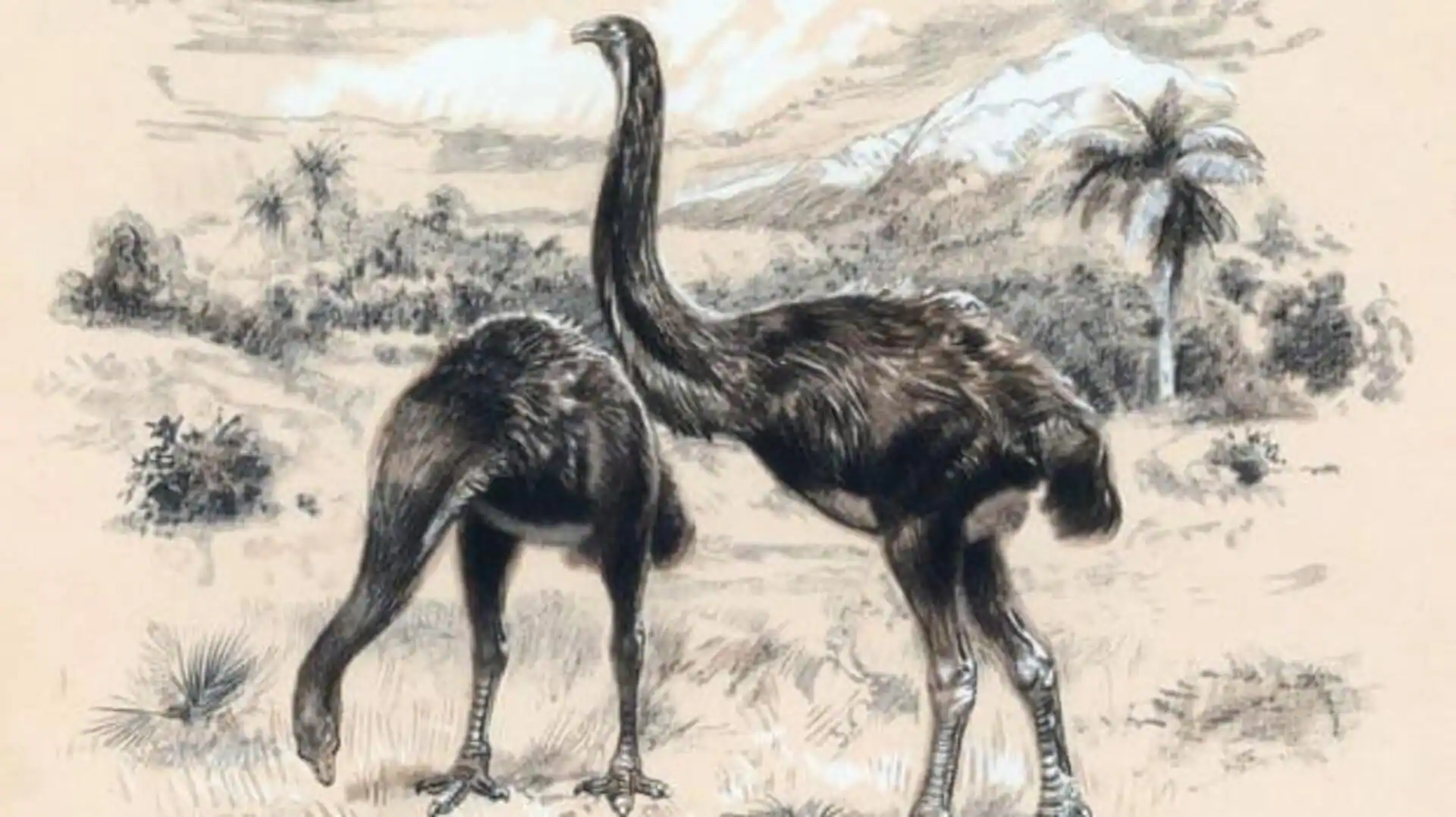
Colossal was founded in 2021 with plans to use gene editing and reproductive technology to restore extinct species, including the woolly mammoth. It’s since raised more than $800 million toward what it now terms the “scalable and controllable” creation of animals. According to Pask, the egg technology could help conserve at-risk bird species. It could also play a role in a project to re-create the extinct giant moa, a flightless 12-foot-tall bird that once lived in New Zealand and laid four-liter eggs, larger than those of any living bird. But Colossal may be able build one that’s big enough. The company provided a photograph of a prototype 3D-printed egg so large that staff have started to call it the “salad spinner.” The moa went extinct after canoes carrying the ancestors of the Maori arrived on New Zealand’s South Island about 750 years ago. Archeological sites showcase the birds’ bones alongside stone cutting tools—clear evidence that they were hunted. To be clear—Colossal isn’t close to re-creating the moa. Before that could happen, scientists would need to study DNA data from old moa bones and insert thousands of genetic changes into the genome of an existing bird, something that’s still technically difficult to do—with or without an artificial egg. COLOSSAL BIOSCIENCES Some scientists also think Colossal is taking too much credit for its artificial eggshell, which it announced in a thundering YouTube video intoning that the company has solved the “impossible question of which came first, the chicken or the egg.” The video is pure Hollywood—it’s meant to be funny and exciting. But Colossal has a habit of antagonizing scientists by making false and exaggerated claims. Last year, for instance, the company said it had re-created the extinct dire wolf—a claim widely rejected by experts. This time, Colossal’s fluffed-up assertion of having created the “first-ever shell-less incubation system” is what’s raising hackles among the small flock of scientists who’ve been working on the technology for years.