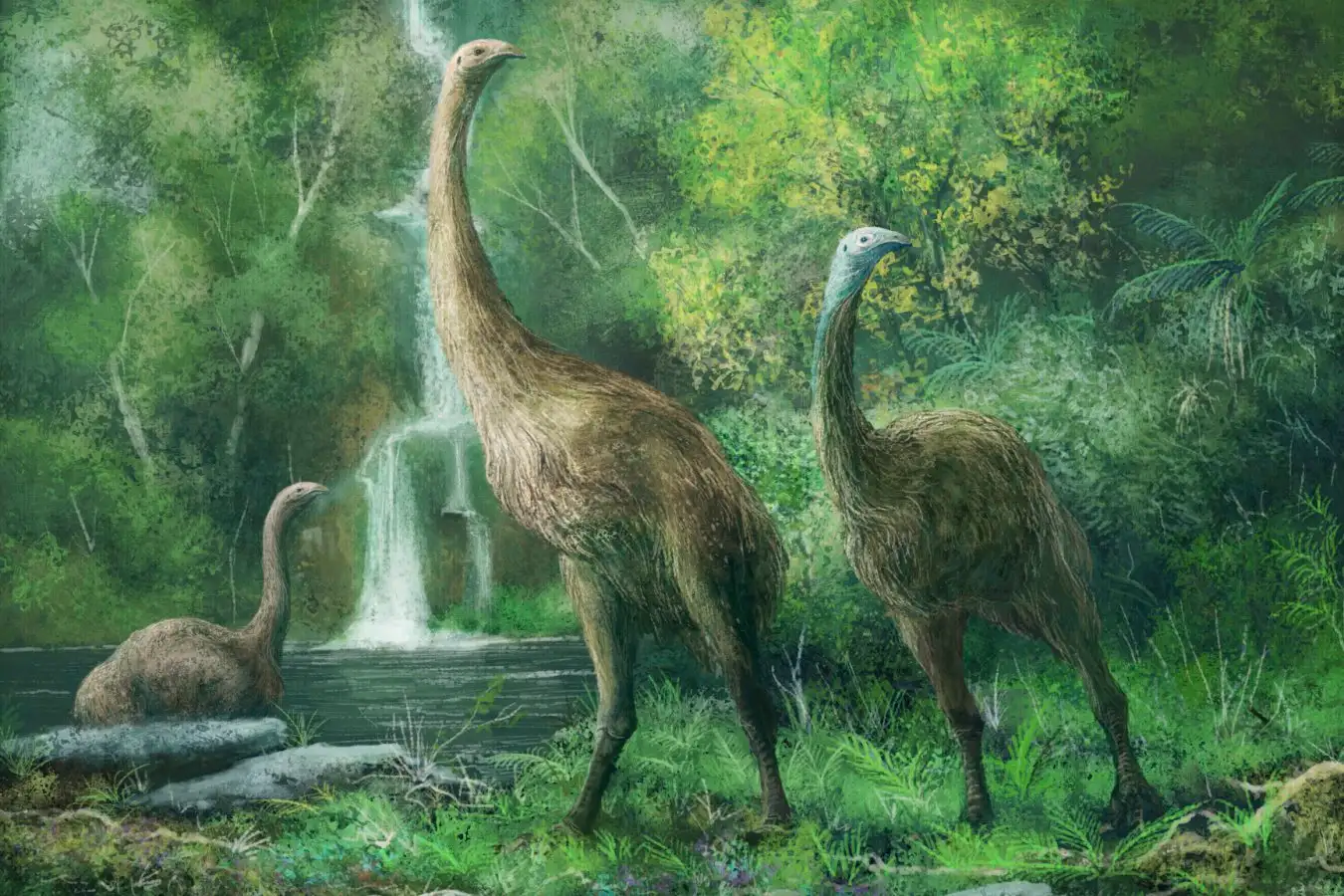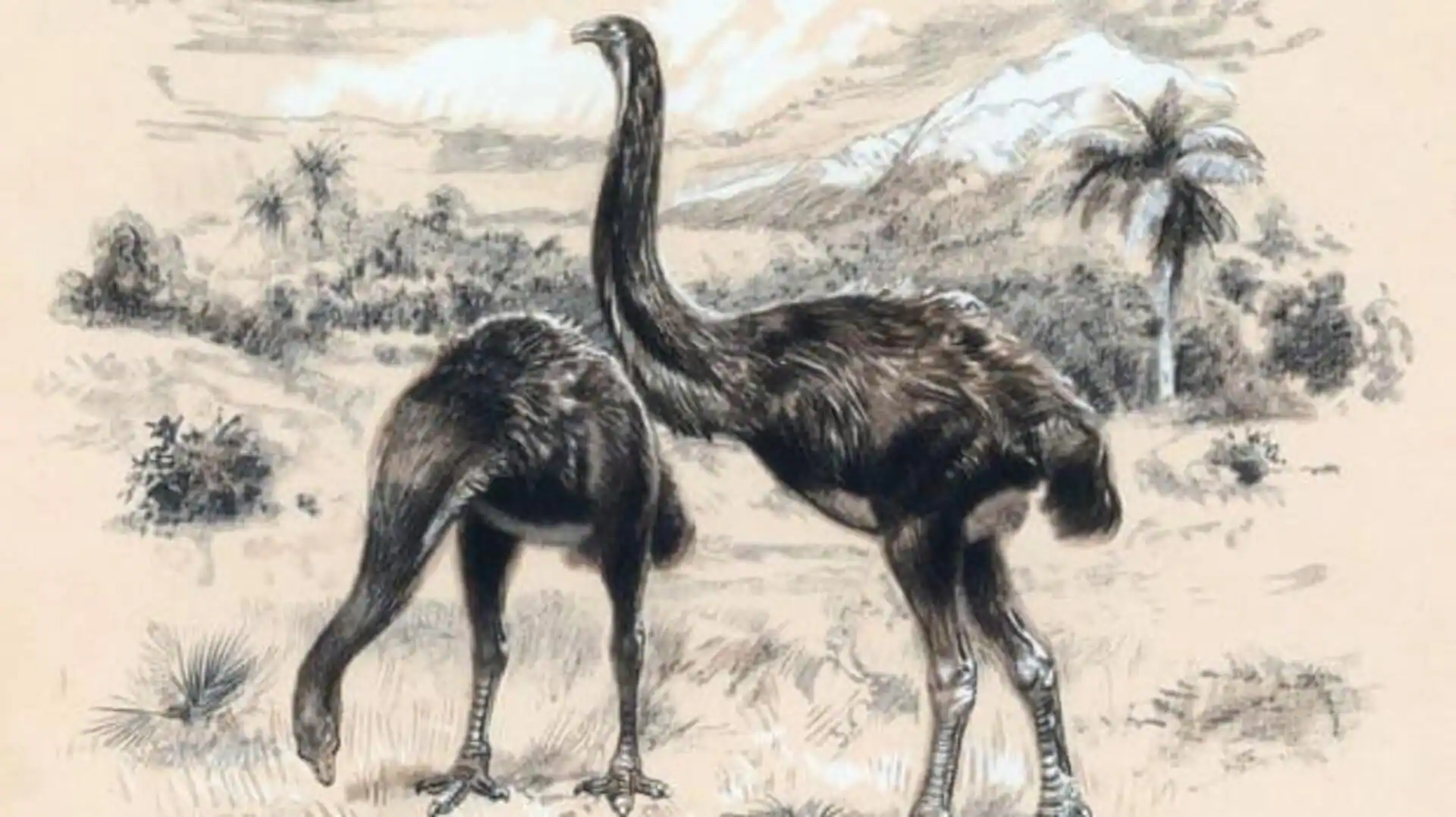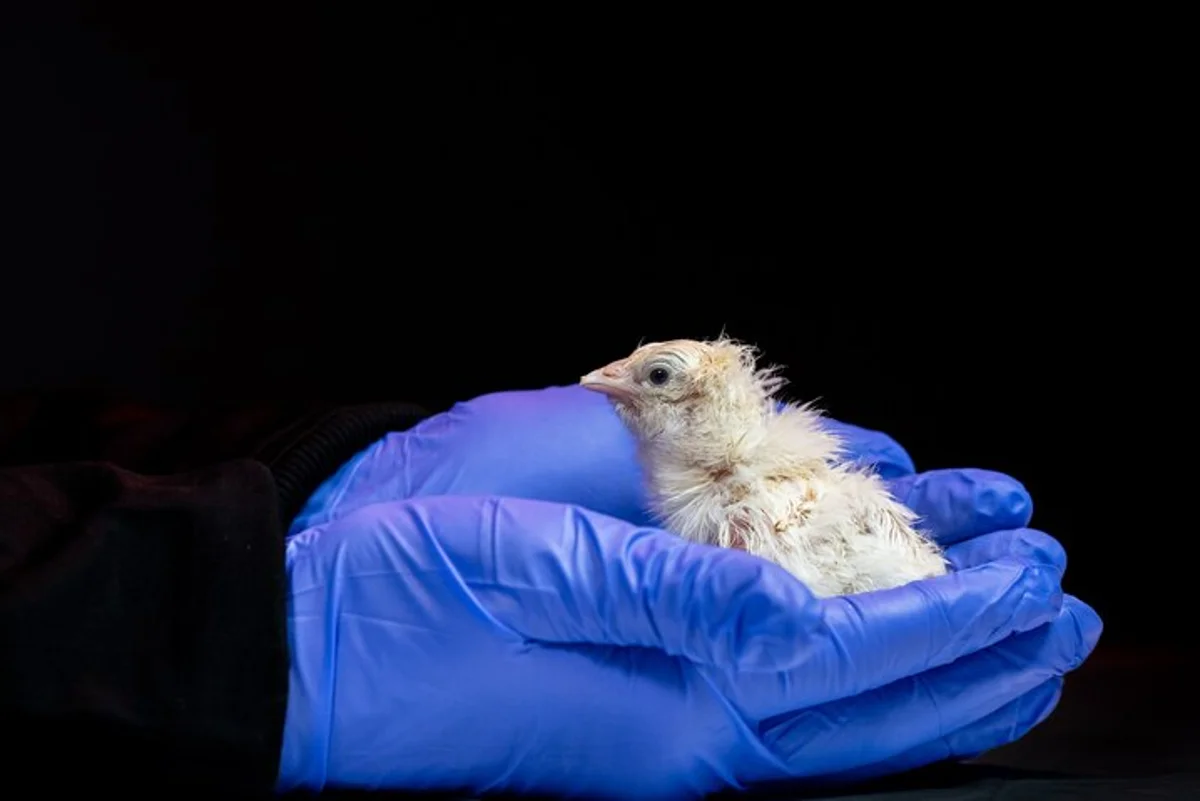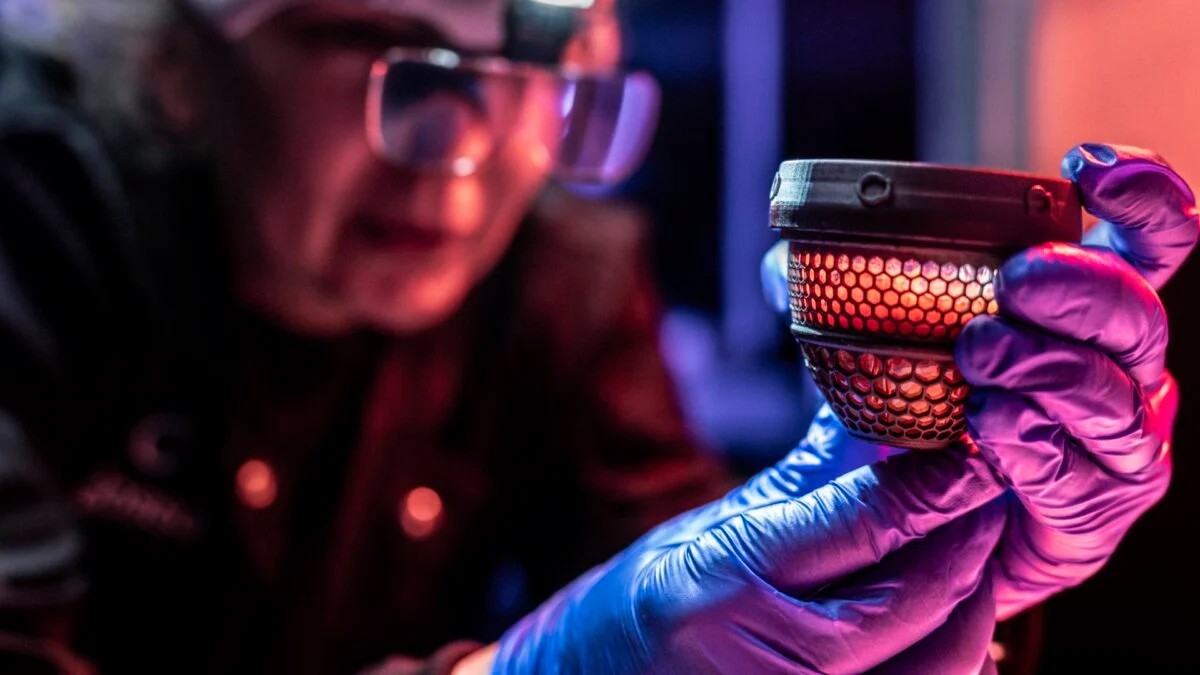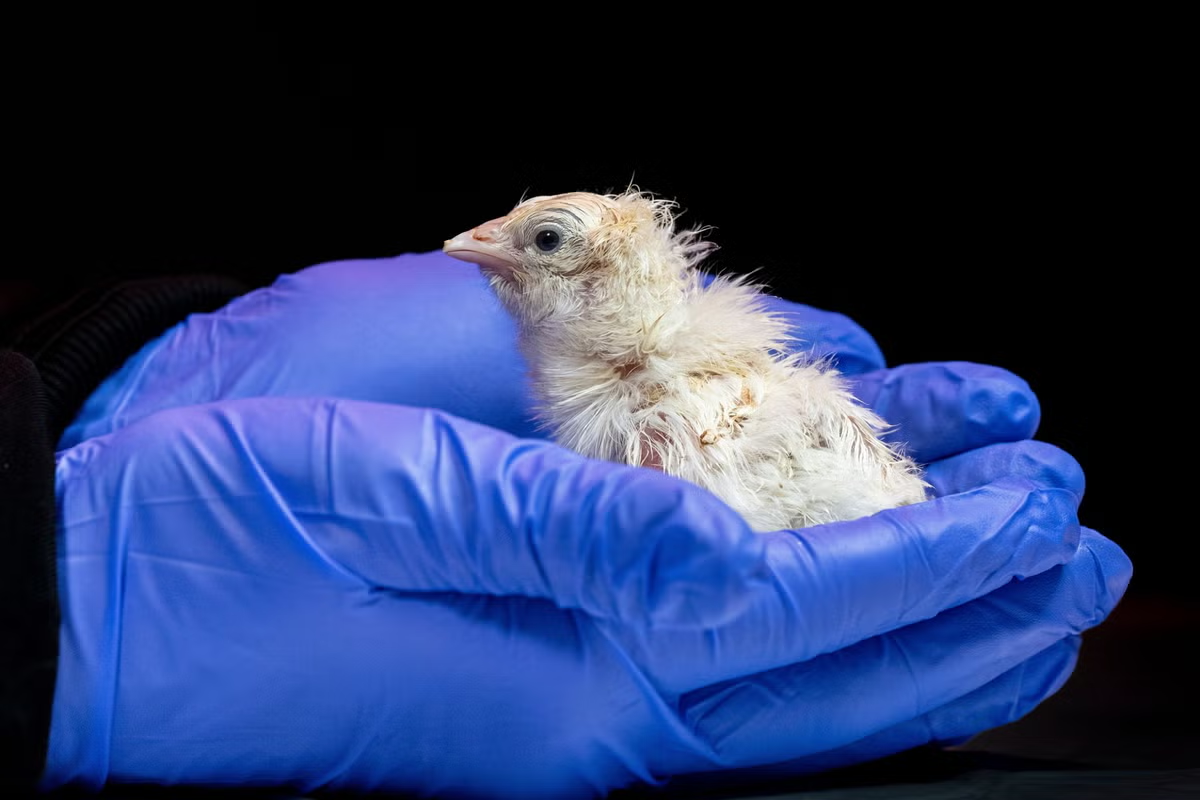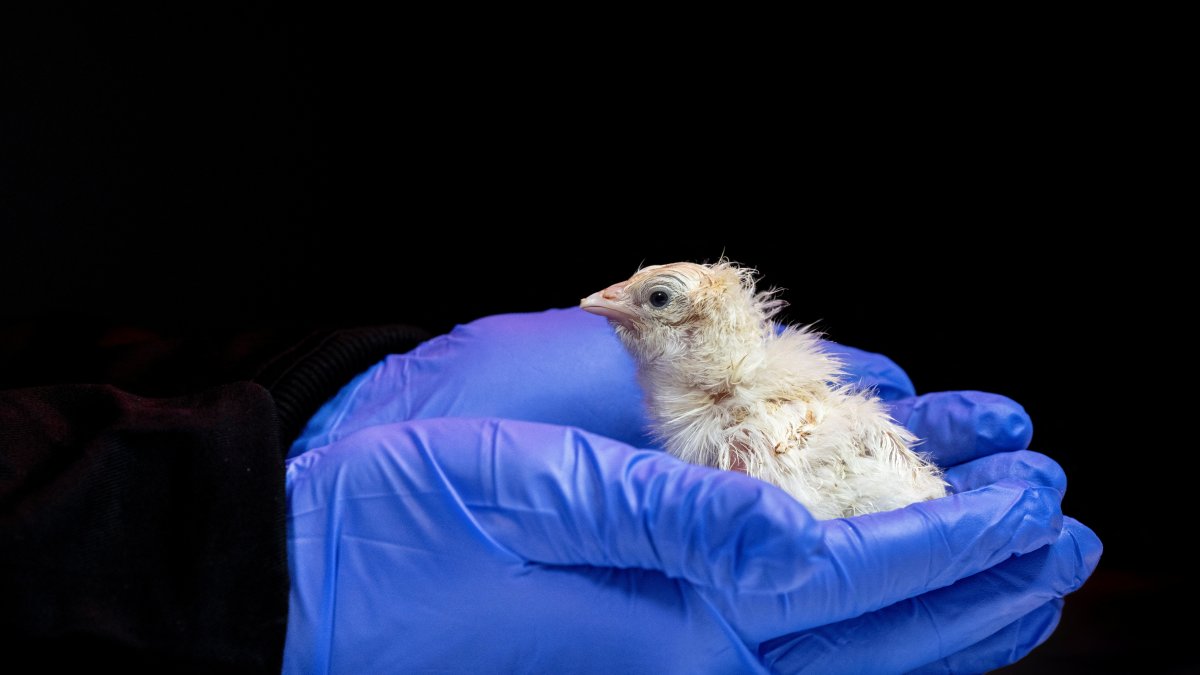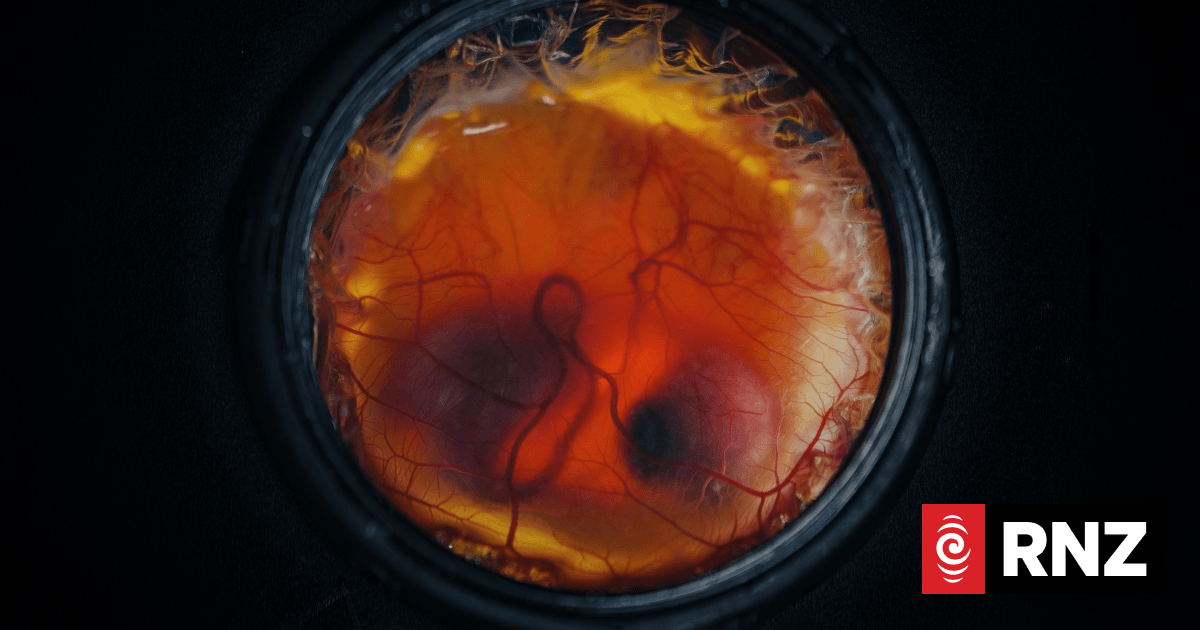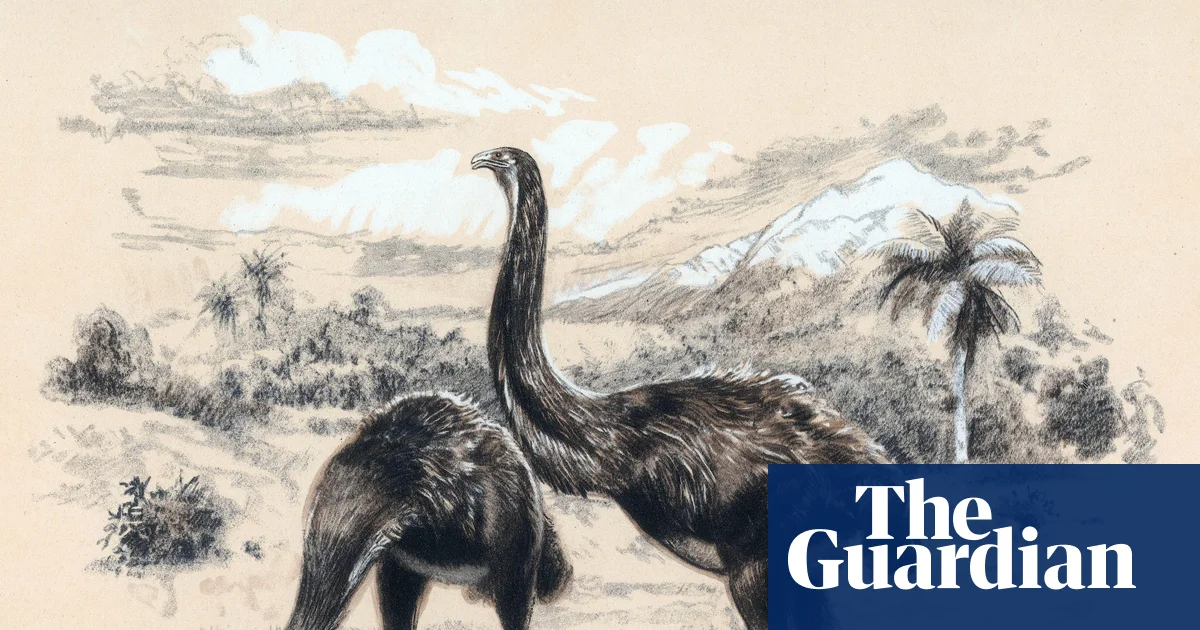
The flightless moa, an extinct bird of New Zealand, stood more than 3 metres tall, weighed over 200kg and had eggs larger than those of any bird now living. Now the de-extinction company Colossal Biosciences says it is a step closer to resurrecting the moa after creating an artificial eggshell.Colossal hopes the artificial incubation system, which it successfully used to hatch chickens, could be scaled up to create a bird as big as the moa in future. “We’ve created a novel shell-less culture system that is fully scalable and biologically accurate,” said Prof Andrew Pask, the chief biology officer at Colossal.The company previously provoked controversy with claims to have de-extincted the dire wolf and its ambition to bring back the woolly mammoth. The latest advance has been met with scepticism by scientists who say its scope is impossible to judge given that the company made the announcement through a press release with scarce scientific detail or data.It is already possible to hatch chicks from artificial eggshells but the survival rate is limited because chicks may not get enough oxygen. Colossal suggests its new platform, a silicone membrane, is better than existing “ex-ovo” approaches because it allows oxygen through at the same rate as a chicken eggshell.“It sounds impressive but then it would, because it’s a press release,” said Dr Louise Johnson, an evolutionary geneticist at the University of Reading. “I look forward to reading more details when they’re published, but until there’s a peer-reviewed paper I might as well give expert commentary on a YouTube ad.”Moa eggs are estimated to have been approximately 80 times the volume of a chicken egg and roughly eight times the volume of an emu egg, placing them beyond the capacity of any available avian surrogate.Even if the artificial eggshell is effective and can be scaled up, Colossal will still face significant scientific challenges in its attempt to bring back the moa. The species went extinct about 600 years ago, and since DNA fragments over time it will not be possible to reproduce a complete copy of the genome.Colossal’s approach with the dire wolf was to tweak 20 genes in the grey wolf aimed at making them closer in appearance to a dire wolf – but far from a complete genetic replication.Others raise broader ethical questions about the company’s ultimate objectives. “It is legitimate to ask whether it makes ecological sense to genetically redesign some modern birds to superficially resemble moas, and what fate would await such animals,” said Carles Lalueza-Fox, the director of the Museum of Natural Sciences of Barcelona and a specialist in DNA recovery.“Would we release them on New Zealand’s South Island? As with other examples publicised by the same company – one need only recall the mammoth or the giant wolf – there is a rather surprising mix of scientific advances and publicity that could be described as misleading, which transcends the scientific sphere and must always be interpreted in the context of a private company’s business interests.”
Artificial eggshell comes first in attempt to revive giant flightless moa
De-extinction company hopes artificial incubation system can be scaled up but other scientists are sceptical
497 words~2 min read