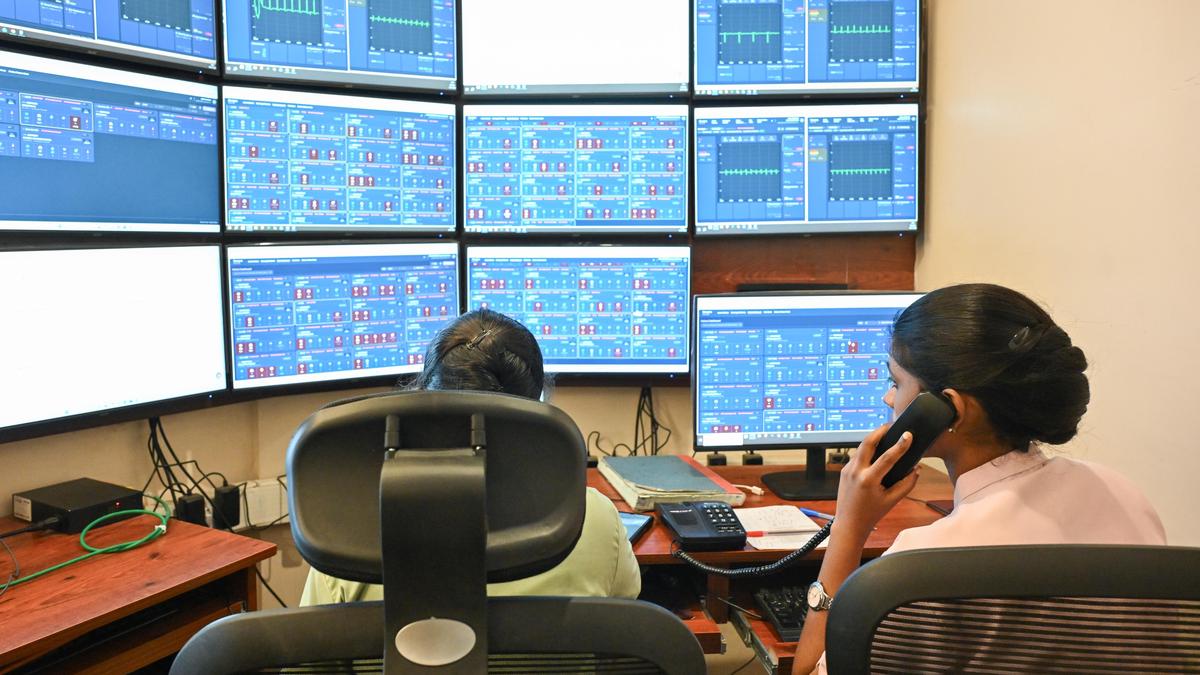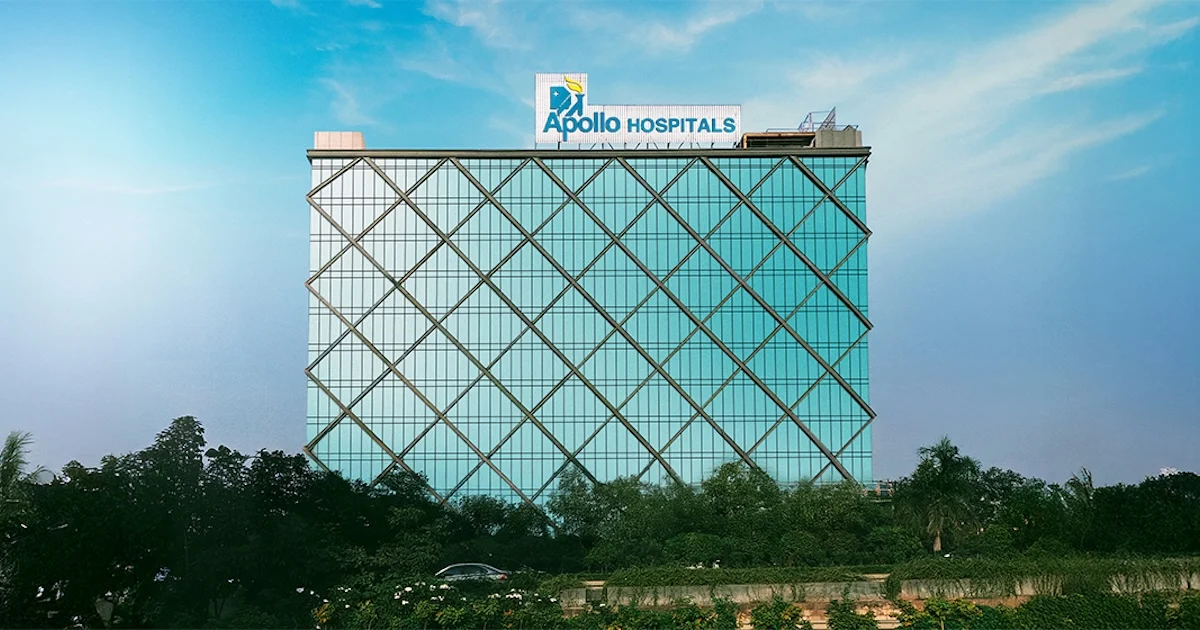
Apollo Hospitals, one of India's largest hospital chains, has stepped into the next phase of its digital transformation journey with the opening of a new digitally integrated hospital in the south-central state of Telangana.It recently unveiled its 76th hospital, a 400-bed smart hospital in the capital city of Hyderabad's Financial District. WHAT'S IT ABOUTWhile this new hospital also runs the same digital operating model – a unified MedMantra and EMR platform – deployed across the Apollo Hospital network, it now integrates AI-assisted tools, alongside advanced equipment for surgery, rehabilitation, and diagnostic imaging. This branch's digital system is "not a separate or replacement digital system," but represents "the next evolution of Apollo's existing digital backbone," Dr Sangita Reddy, Apollo Hospitals joint managing director, explained to Healthcare IT News.It is also a model "intended not as a one-off deployment, but as a scalable smart hospital blueprint that can be replicated across Apollo's ecosystem and extended beyond it."Across the Apollo network, the existing end-to-end digital backbone links clinical records, outpatient and inpatient notes, diagnostics, scheduling, bed management, closed-loop medication management, billing and coding. It also gives patients access to discharge summaries, prescriptions, lab results and imaging records through Apollo 24/7, and extends the organisation's protocols to remote institutions via the Care Console platform.Building on that base, the new Hyderabad hospital adds an AI layer intended to turn Apollo's digital backbone from a record-keeping and coordination system into a more active clinical support environment.The evolved model, according to Dr Reddy, aims to address four recurring operational and clinical pain points, namely: reactive care, clinician workload, care coordination delays, and throughput inefficiency.For clinicians, this shift means they do not have to move outside the EMR to receive decision support, risk alerts, disease progression signals or care recommendations; the tools are designed to surface "within their natural workflow," Dr Reddy said.For patients, this model makes digital care less passive. Instead of only viewing records or reports, patients can receive personalised reminders, track symptoms, and be monitored remotely, with those inputs feeding back into care teams.Dr Reddy described this shift as one "from digitised workflows to intelligent workflows, from systems of record to systems of assistance, and from episode-based care to continuous, AI-enabled care surveillance."The model, she clarified, was not built from scratch or led by a single technology partner. It is an "Apollo-orchestrated smart hospital architecture built by integrating existing platforms, AI capabilities, and selective external innovation."Over the next two years, the Apollo network will develop and introduce "practical clinician co-pilots" that support daily decision-making. According to Dr Reddy, the organisation will focus on "predictive analytics, remote monitoring, automation, and stronger interoperability with Apollo's broader digital health ecosystem."THE LARGER CONTEXTIn recent years, Apollo Hospitals has worked on AI integration through its partnerships with Monash University, Microsoft, and Solventum. Its digital transformation journey received recognition in 2022 when it was validated for Stage 6 of the three HIMSS models assessing its digital maturity across digital imaging, outpatient EMR, and infrastructure.
Apollo Hospitals enters next phase of digital transformation
Joint managing director Dr Sangita Reddy says AI has become an integral part of its scalable smart hospital transformation model.
493 words~2 min read