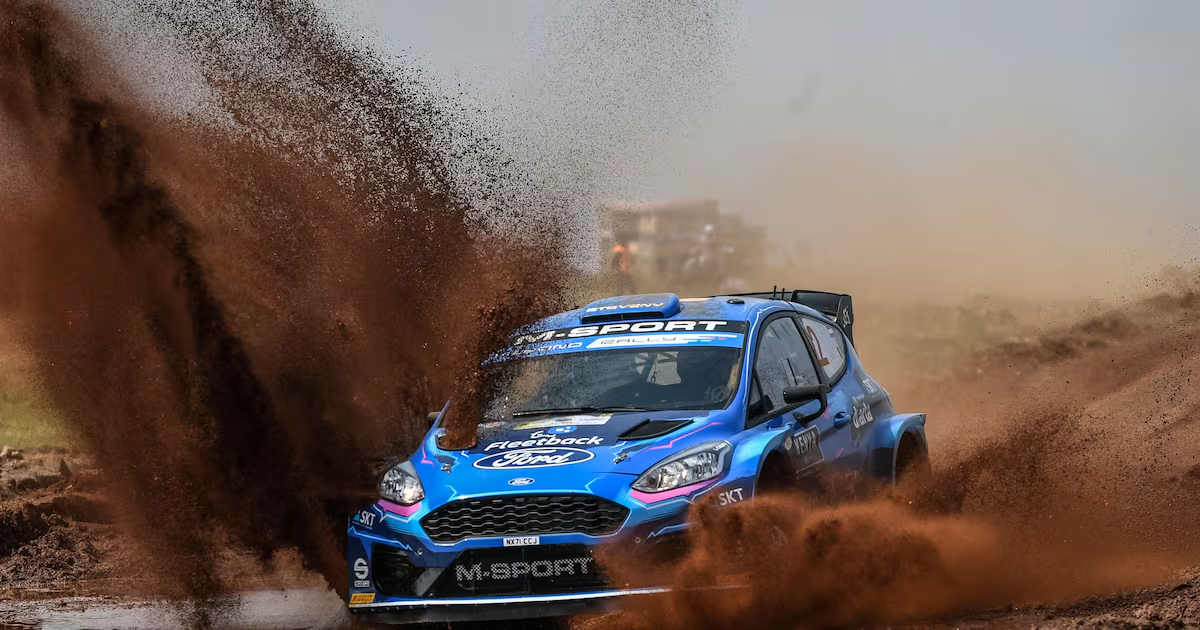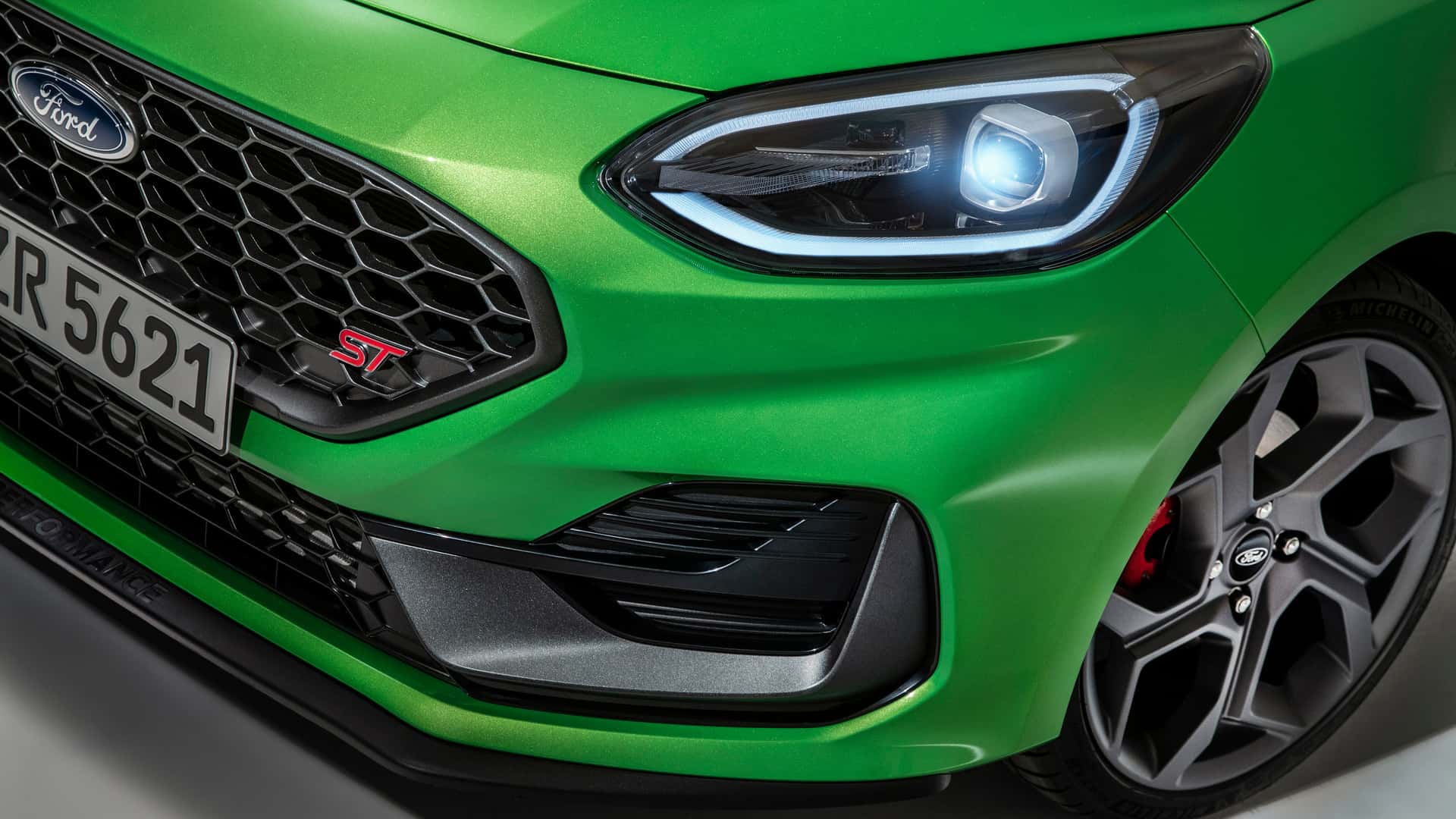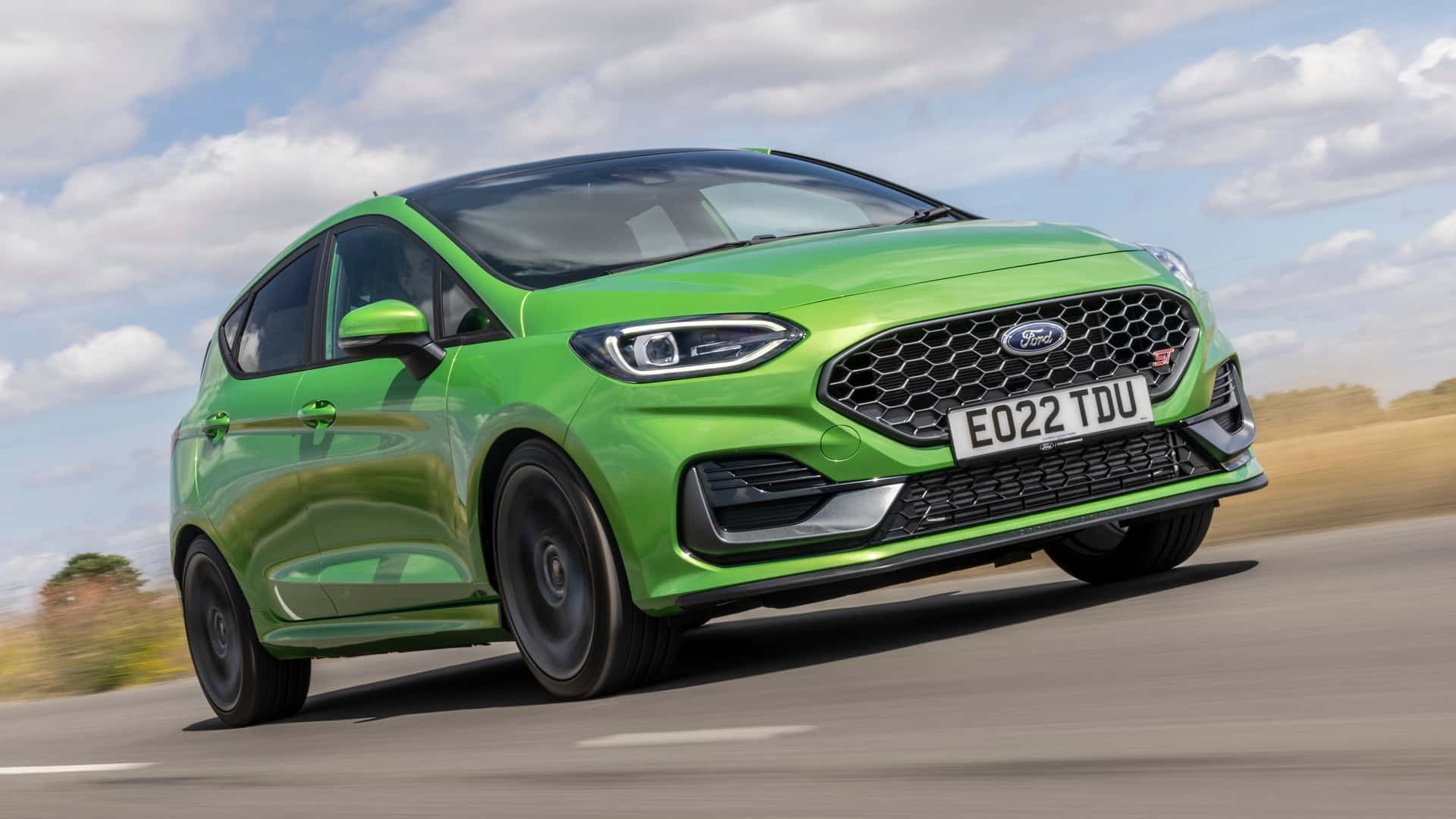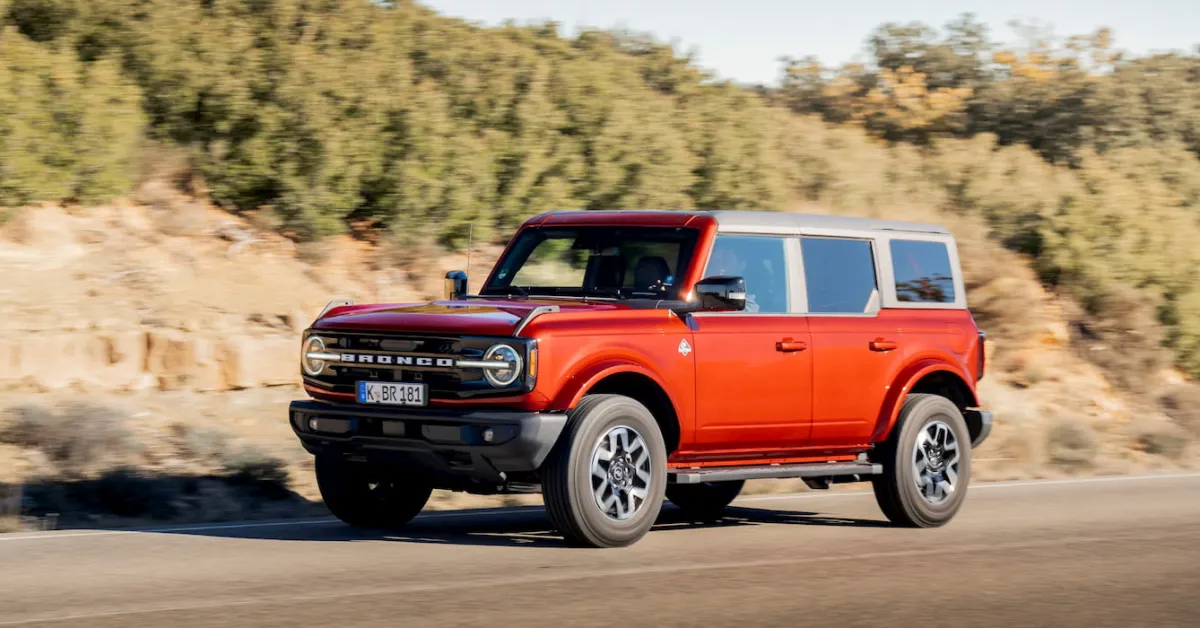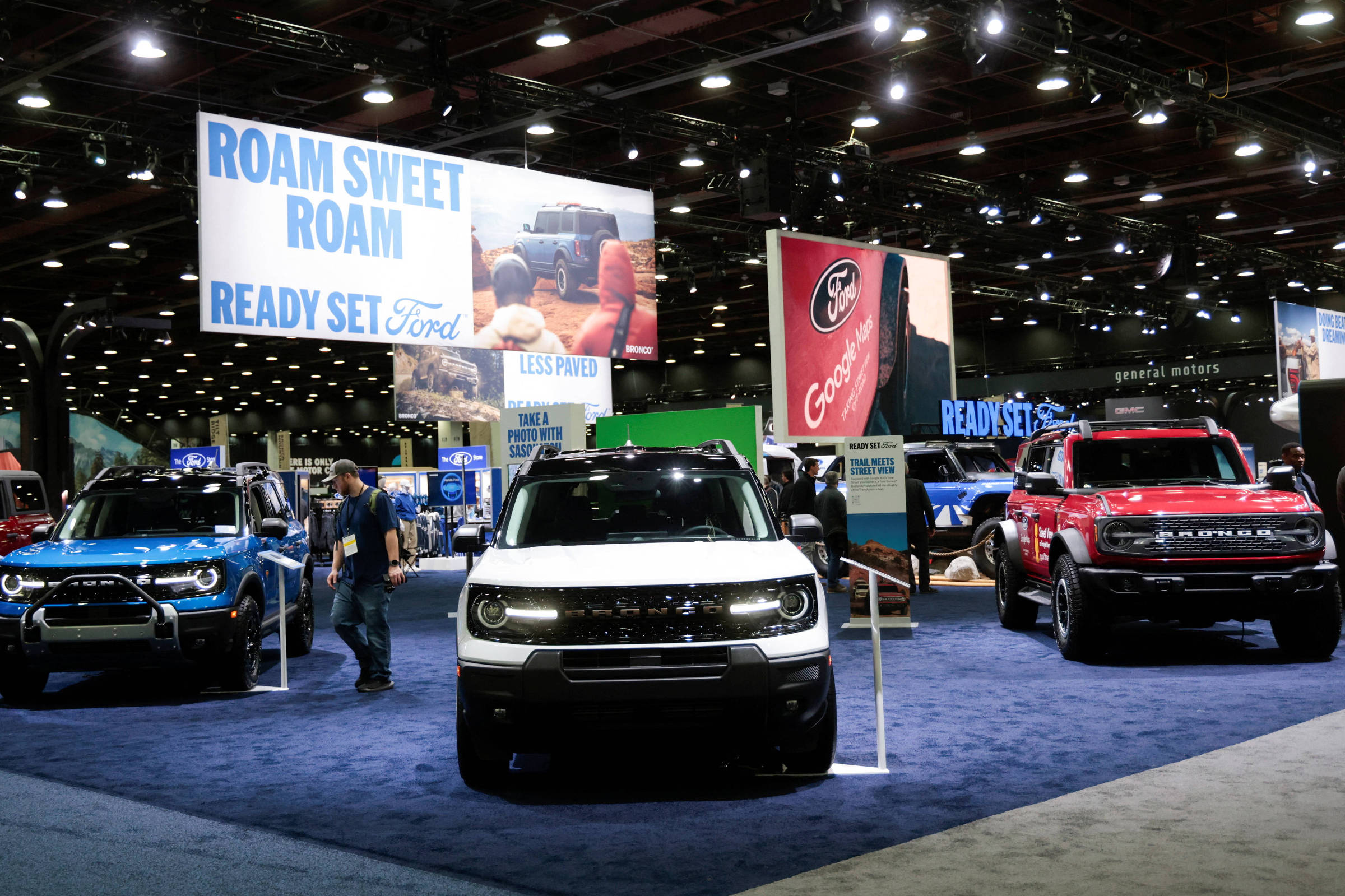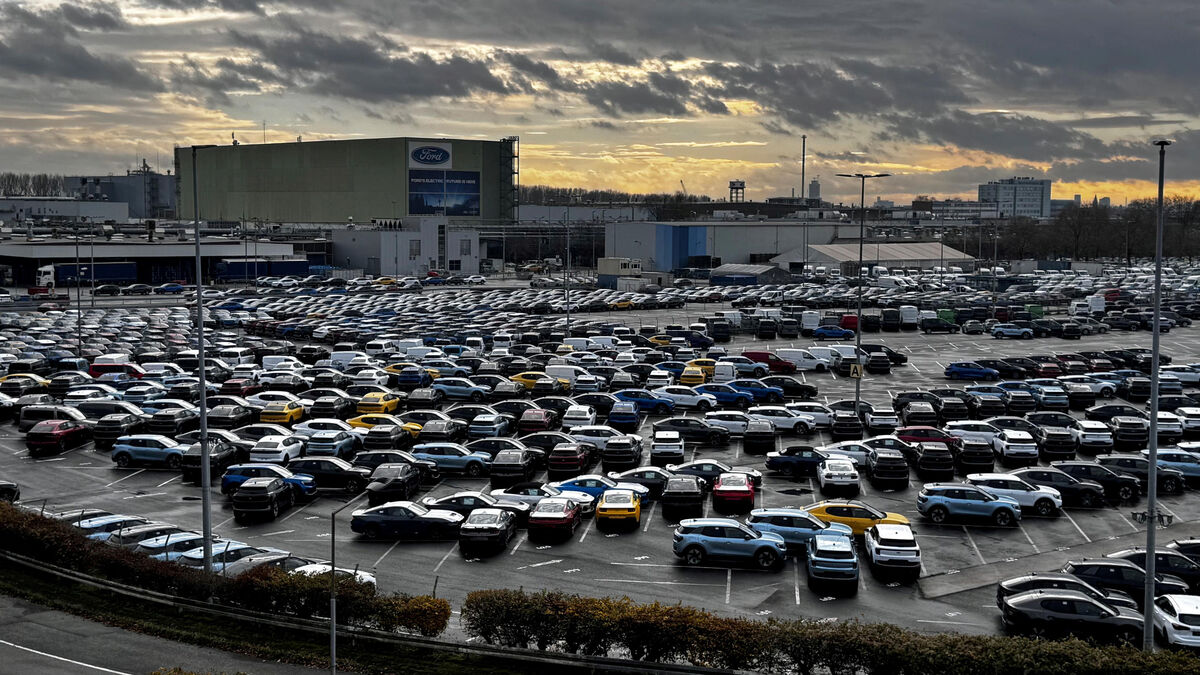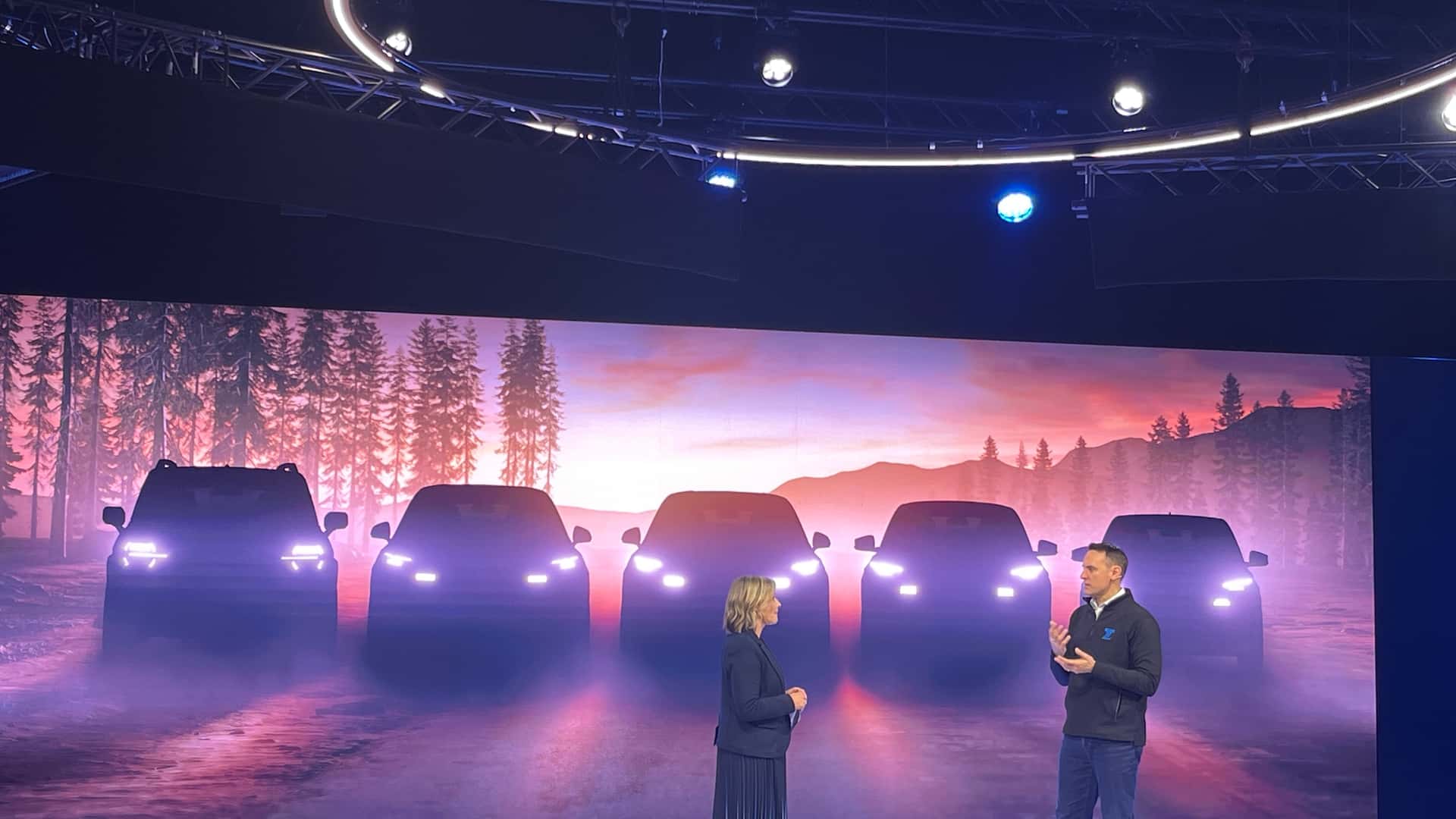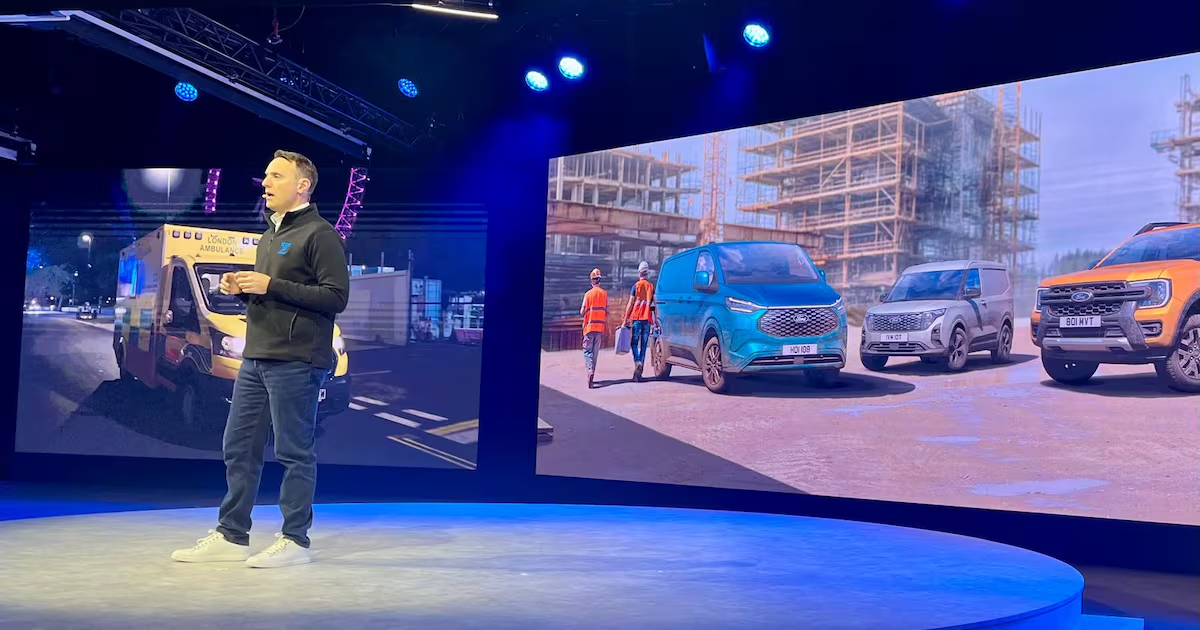
Ford is planning a new Fiesta-sized electric vehicle for Europe as part of its new strategy to stave off stiff competition from Chinese newcomers and restore its passenger car sales volumes. The model will be one of five new passenger vehicles due by the end of 2029, as the US car maker tries to recover lost ground in a market where it has fallen from more than one million annual sales a decade ago to just over 426,000 last year.“Our plan is to actually grow our market share in a marketplace that is almost fracturing in terms of the number of competitors,” Jim Baumbick, Ford’s European president said. It marks a major shift for the US car giant, which has shed jobs and passenger models such as Fiesta, Focus and Mondeo in recent years. It seemed to retreat from the volatile passenger car market and instead leaned heavily on its commercial vehicle business to deliver turnover across Europe. A decade ago, Ford was the fourth biggest car maker in Europe, with sales of more than one million cars. Last year it sold just over 426,000, falling behind Mercedes-Benz. During this time, Chinese brands such as BYD have rapidly expanded in Europe. Ford wants to rebuild its passenger-car volume in Europe, but it cannot afford to do it the old way. Partnerships, hybrids, plug-in hybrids, software revenue and Ford Pro profits are the scaffolding for the comeback.Five new passenger models are being introduced as part of the strategy, including a mid-sized SUV carrying the Bronco moniker and built at its Spanish plant in Valencia and expected to share parts with the current Kuga.The Fiesta-sized model is the fruit of a partnership with Renault and is effectively a blue oval take on the French brand’s Renault 5 model. Alongside these, there will be a future all-electric small electric SUV and two new crossover models due by the end of 2029, which will be both hybrid and electric.A lot of the work on these will be delivered through partnerships. Currently, Ford has a partnership with VW Group and, more recently, signed a deal with Renault. Reports suggest a potential co-operation with Chinese giant Geely is also being considered, with suggestions that it will be given access to spare capacity on the production lines at Ford’s Spanish plant in Valencia, where the Mondeo, S-Max, and Galaxy used to be produced. Media reports in Spain suggest Geely is seeking to build a compact crossover at the Spanish plant, which may then lend itself to possible future Ford models created on Geely’s GEA platform. However, Baumbick refused to be drawn on details of future partnerships, but said strategic partnerships are central to how Ford competes in Europe “to move with speed and scale”.Partnerships are also needed to fill spare capacity in Europe’s car plants where electric vehicle production lines were installed but demand has failed to live up to expectations. Last September the company said it would cut up to 1,000 jobs in Germany at its electric car production operation in Cologne as “demand for electric cars remains well below industry forecasts”.Baumbick criticised the EU’s approach to pushing EV adoption, saying “CO2 targets must reflect actual consumer demand” and calling for legislation to focus more on supporting plug-in hybrids, so a wider group of European motorists can get into the habit of plugging in their cars and see the benefits of living with electric. He said if people could be encouraged to adopt PHEVs and regularly plug in, it would make a significant difference in reducing Europe’s emissions.“We don’t build vehicles to meet regulatory mandates; we build them for people,” Baumbick said. “The fastest route to zero emissions is the one customers will actually take. We can accelerate emissions reductions today with hybrid technologies that let customers drive electric whenever they can.”The success of Ford’s new strategy will be judged by sales volumes. Can Ford recoup its foothold in the passenger market? It’s making no statements on market share targets, but Baumbick hopes to tap into the brand’s rich racing heritage, off-road experience in the US and commercial experience under the brand pillars of Build, Thrill and Adventure. Echoing Akio Toyoda’s famous injunction against “boring cars”, Baumbick said Ford would avoid building “toasters with wheels”. Yet he denies the brand is going to end up as a niche player. “The cars will serve the mainstream buyers. Our aim is to create cars that augment the talents of the expert [drivers] and flatter the novice,” he said.The renewed focus on passenger models seemed to please dealers attending a presentation of the new strategy. The withdrawal of models such as Fiesta and Focus has left them with little to sell to their traditional customer base, even if the latest Puma and Kuga have helped fill some of that gap. A decade ago, Ford was one of the first to reposition itself as a mobility company, looking to be more about the tech than simply the cars. In much the way that Enzo Ferrari said he sold engines with cars attached, Ford tried to sound like a tech firm with its Smart Mobility division at the core. Under the current leadership that has shifted slightly towards a software and subscriptions business model. That’s where its efforts on the commercial vehicle front come into play. Ford’s commercial vehicles have all been fitted with telematic modems since 2019, so the hardware is in place. Now it plans to roll out the applications, where dealers can offer constant monitoring of vehicles to alert owners and managers early of potential issues. According to Hans Schep, general manager of Ford Pro Europe, the Uptime Services system will dramatically reduce vehicle downtime for repairs and cut big repair bills. Schep estimates savings of 50 per cent for owners. To date the monitoring has been the preserve of large fleet operators and monitored out of the UK and Germany. The plan is to roll this out to local dealers and make it available for small and medium-sized businesses. For the commercial fleet a new Super Duty version of Ford’s popular Ranger pickup is going on sale, targeting heavy-duty workloads in the mining, military or forestry sectors. Taking the hard-core Super Duty moniker from the US, the Ranger version was developed with lessons learned from the likes of Australian mining operators, but with eyes towards the booming defence sector across Europe. “European governments and converters serving the defence industry are increasingly looking for off-the-shelf vehicles that deliver the extreme capabilities required by the military,” Baumbick said. “Ranger Super Duty is the right vehicle for the job.”Because the Ranger Super Duty has a 4.5-tonne gross vehicle rating, it would fall outside the standard car-licence category in Ireland.Baumbick laughed off questions about the presidency of Ford’s Europe operation being a poisoned chalice, and he will take comfort from the support shown by head office in the US to what is likely to be a substantial reinvestment in the passenger car market. A lot depends on the Ford Pro commercial arm continuing to deliver profits, while partnerships cut costs, particularly in the EV sector. The new models should boost volumes again, but the real focus back in the firm’s Dearborn head office is likely to be on profits.The car maker’s chairman, Bill Ford, has made it clear in numerous interviews that its European operations need to be profitable. Against a backdrop of razor-tight margins, an increasingly complex regulatory environment and a flood of cheaper car stock from China, Europe has been a problem market when it comes to delivering profit from passenger cars for the blue oval brand. The true extent of those troubles have been cushioned by the success of its commercial vehicle business. The new plan hopes to use partnerships to put passenger cars back on an even keel. Despite constant refrains that Ford is totally committed to Europe, patience in the US boardroom must be finite. A return to growth in passenger car volume sales while profits remain elusive is unlikely to be regarded as a strategic success.
Why Ford’s new Fiesta-sized EV matters far beyond the small-car market
Ford wants to rebuild its passenger-car volume in Europe, but it cannot afford to do it the old way - and it must return a profit
1,341 words~6 min read