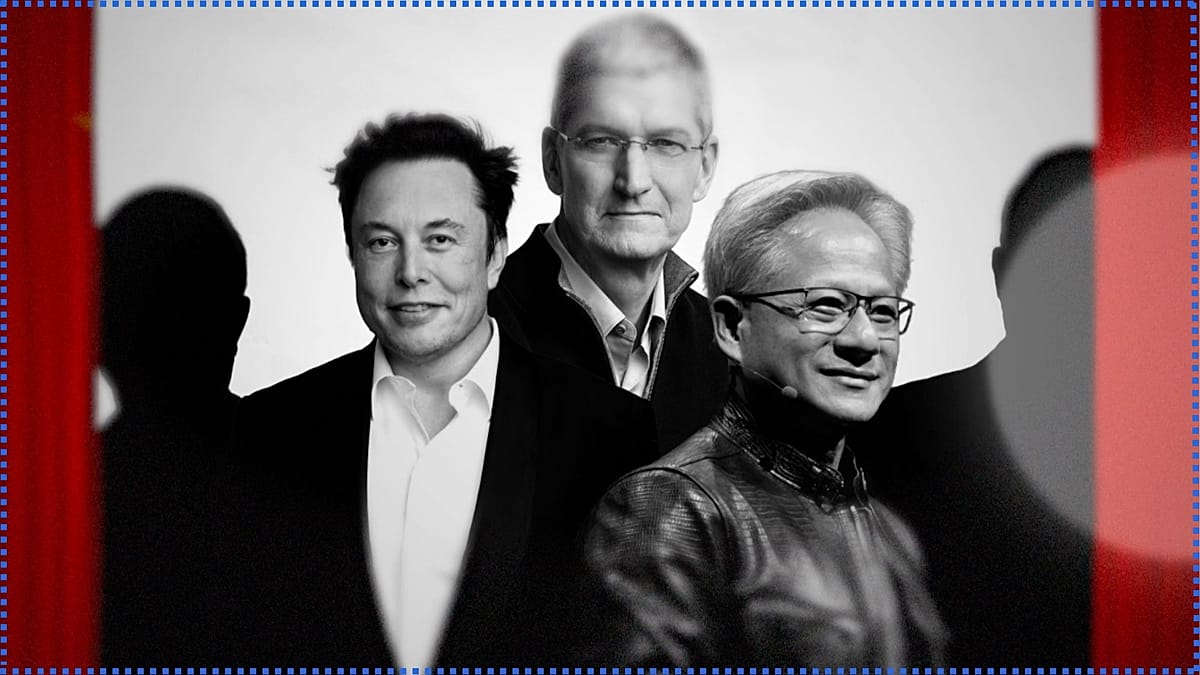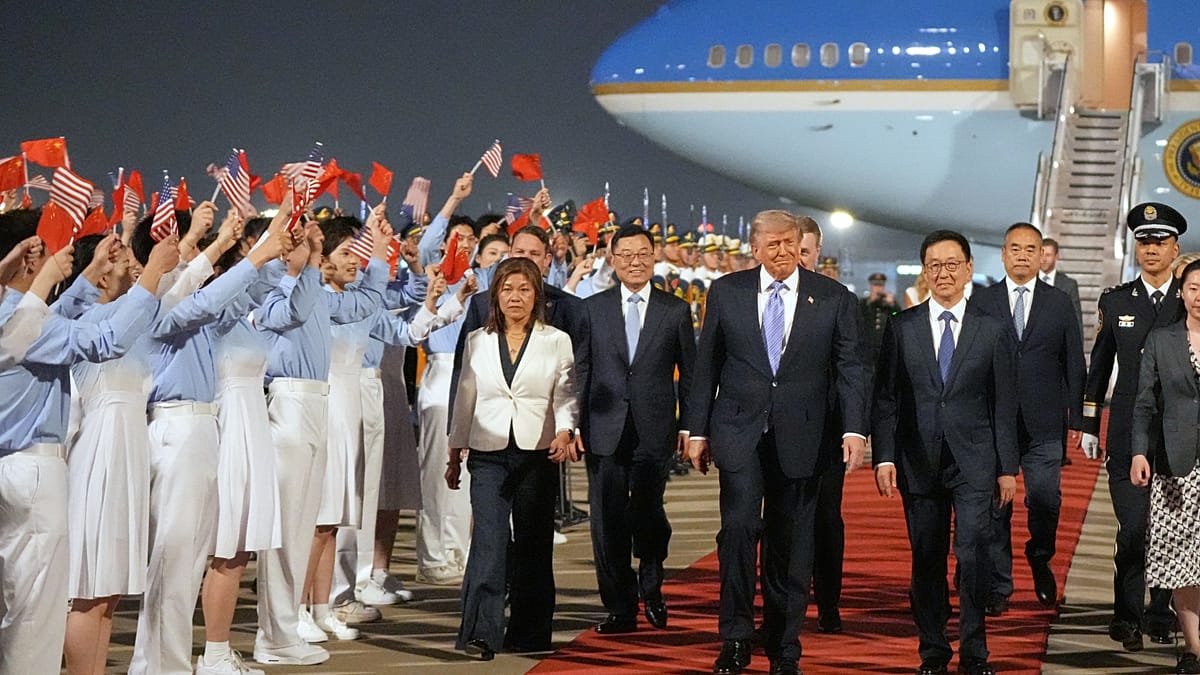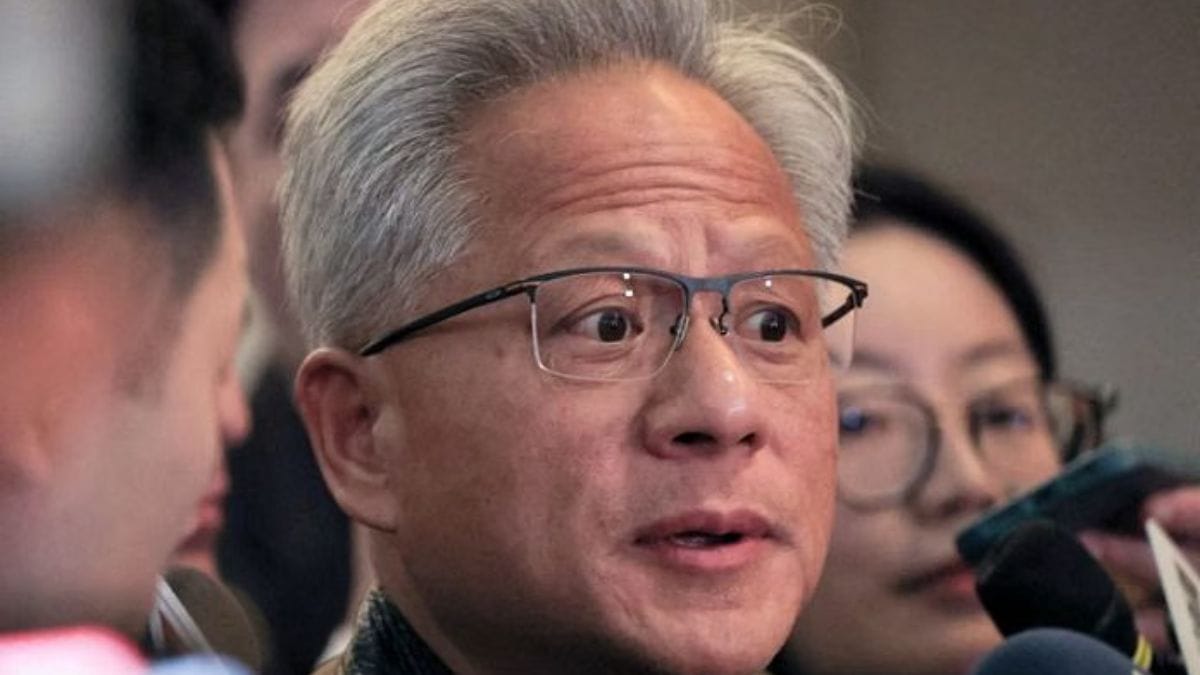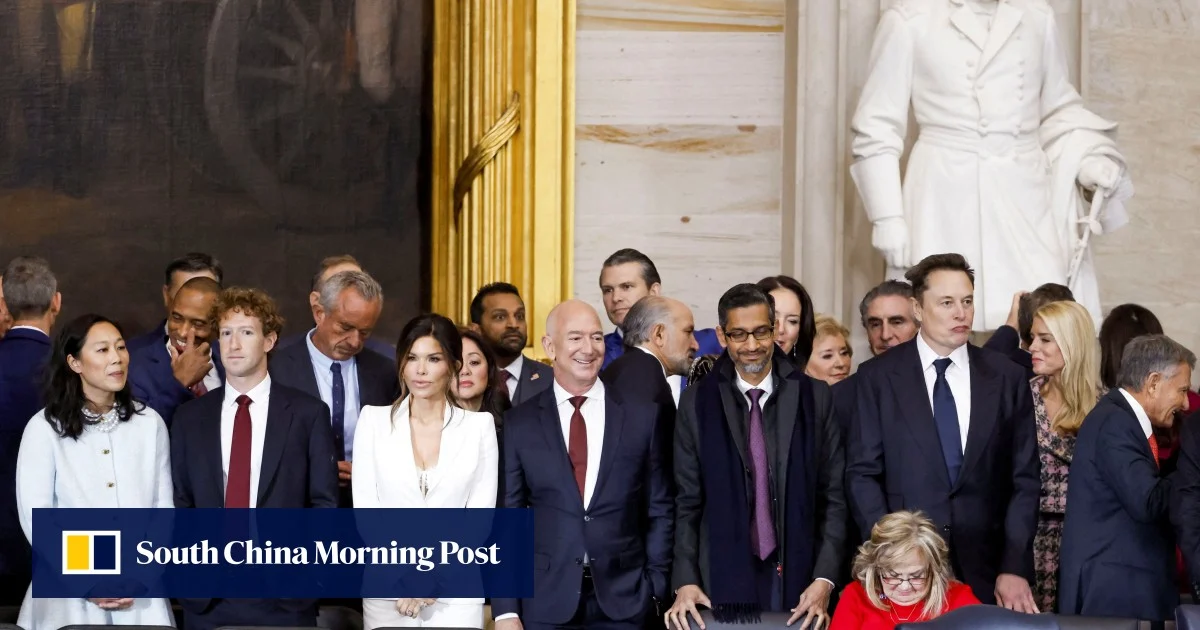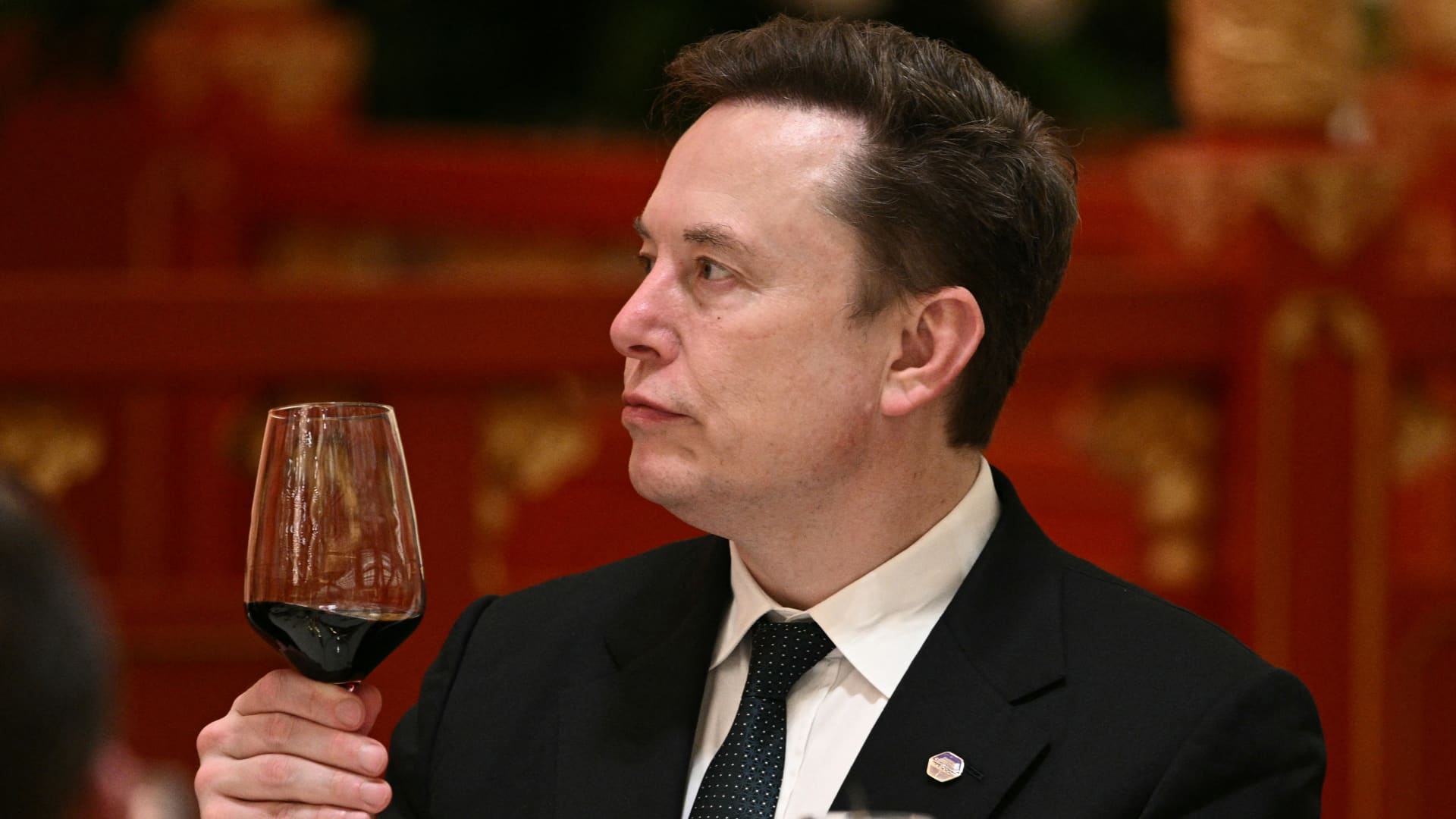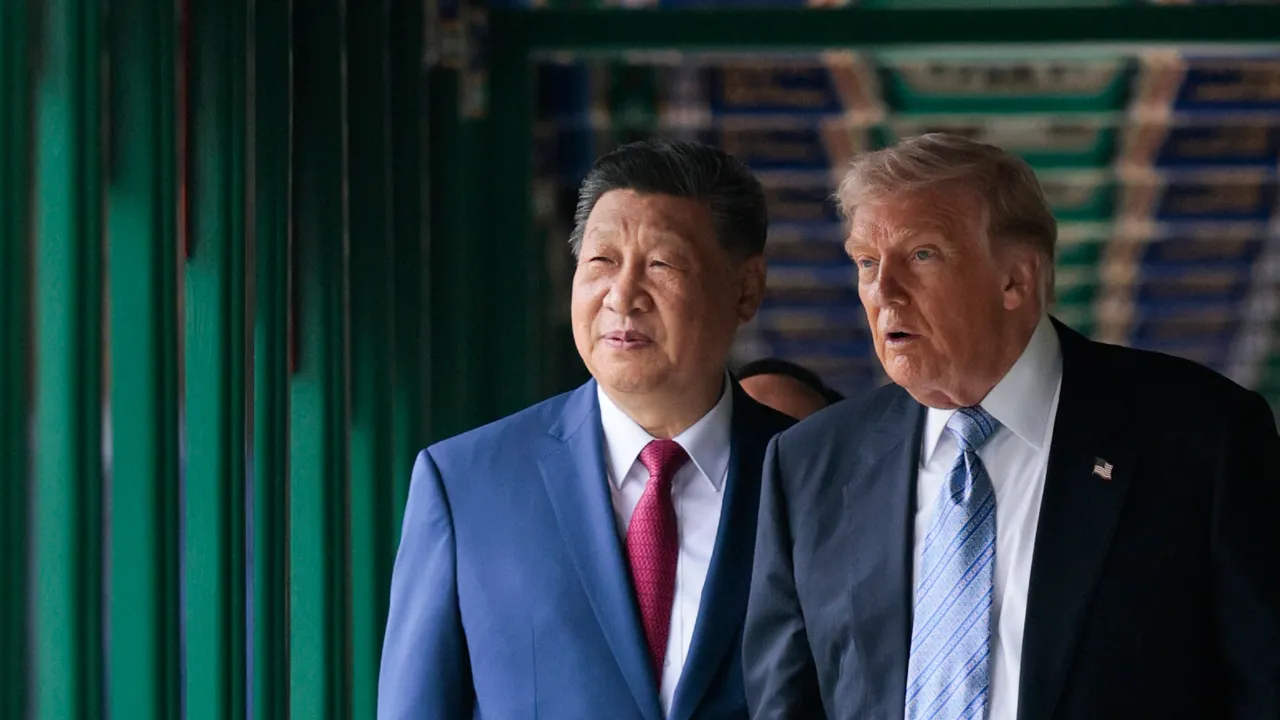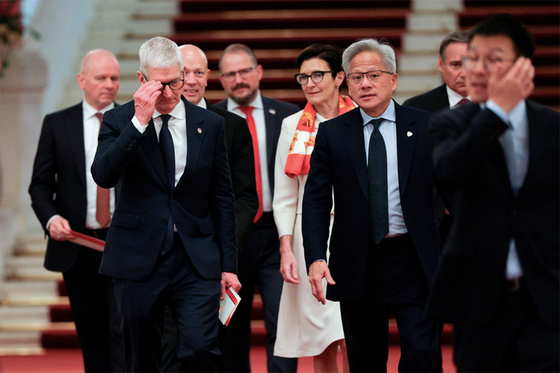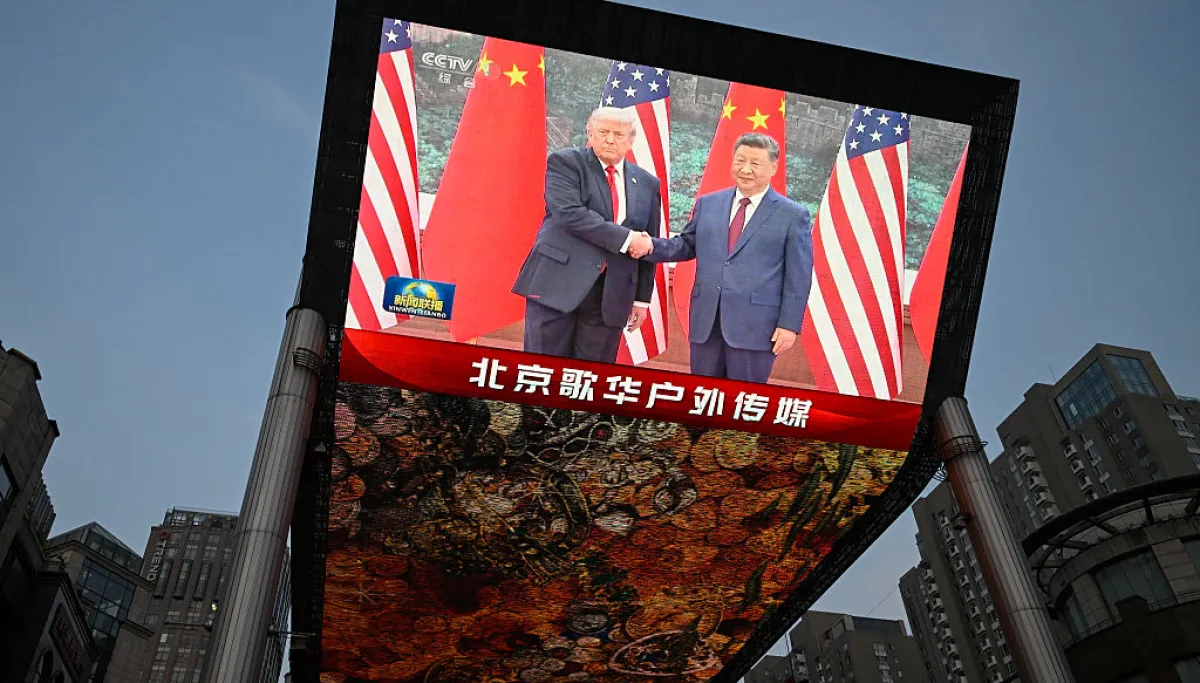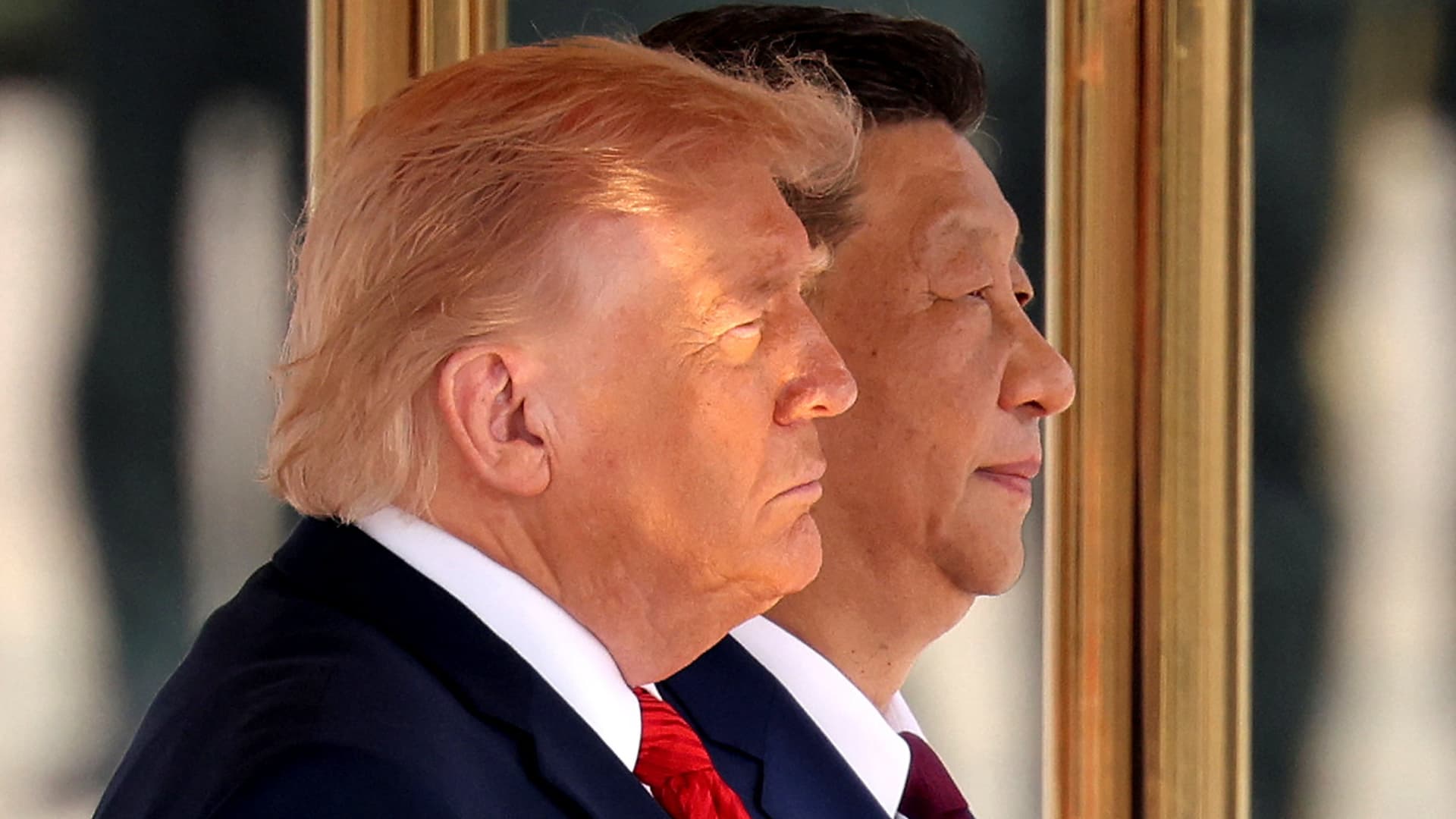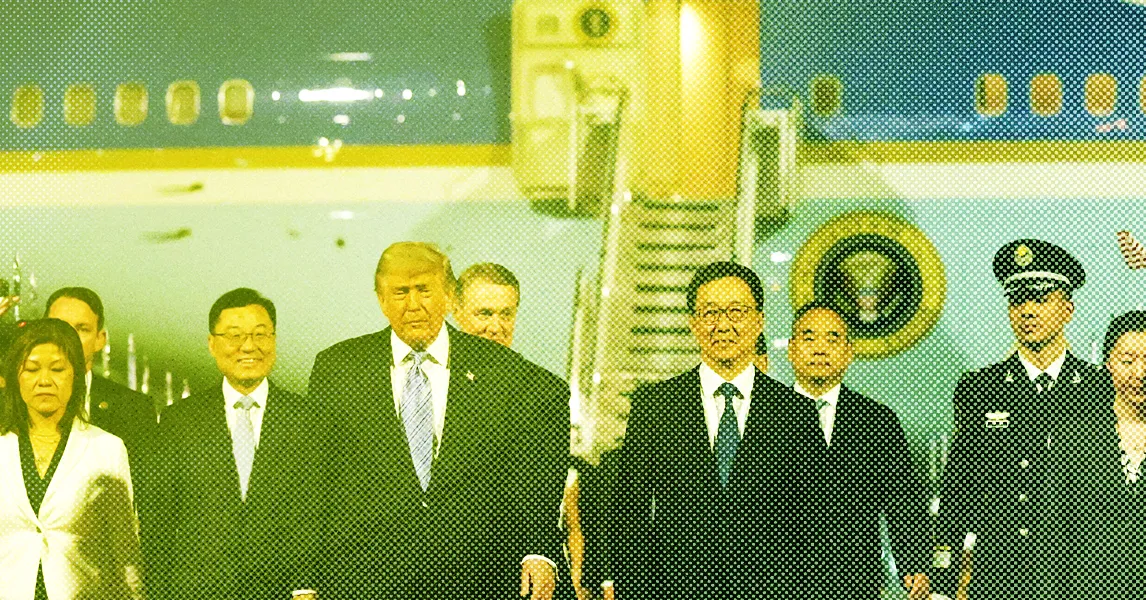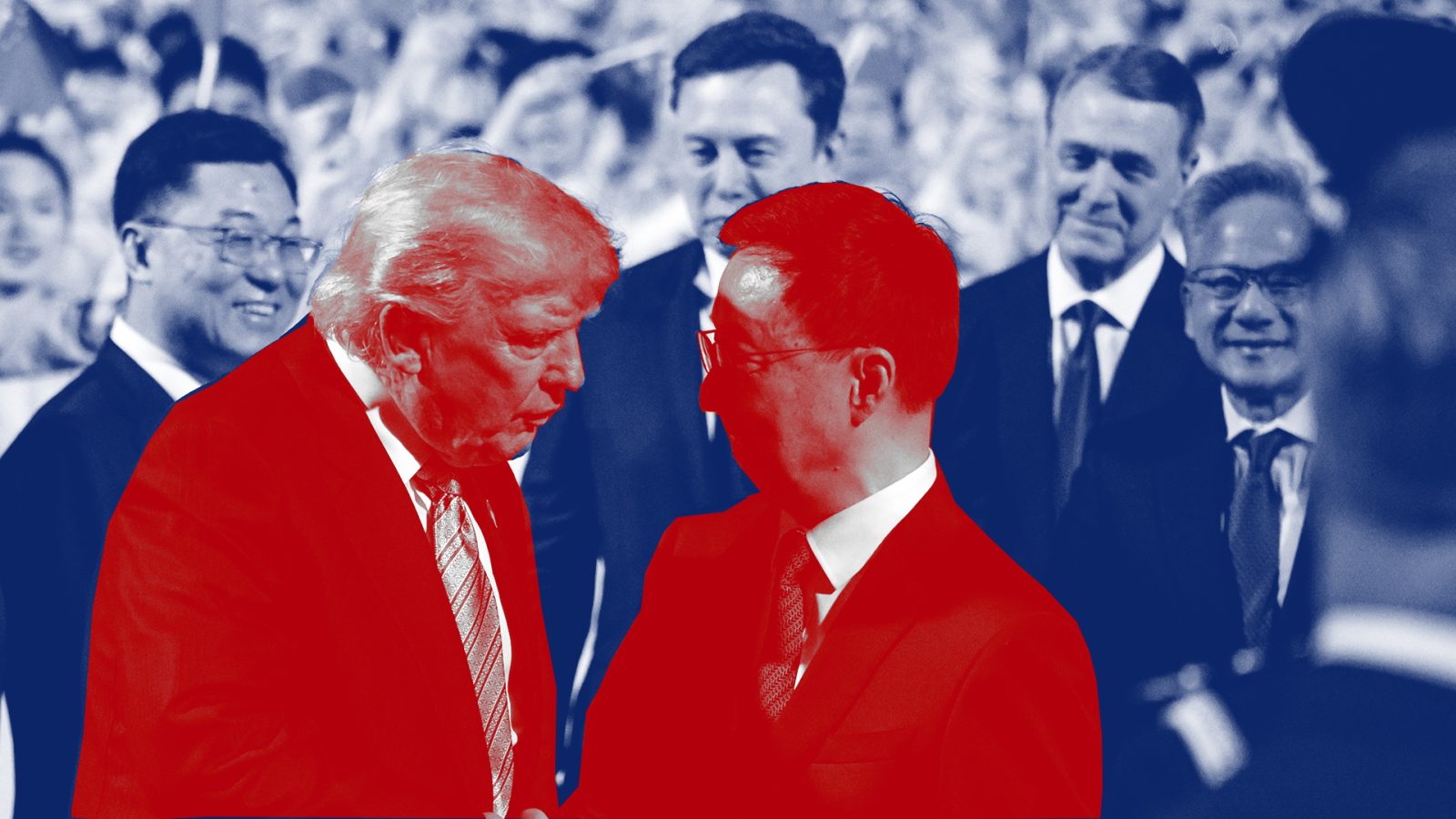
When Donald Trump arrived in Beijing last week for his first state visit to China since 2017, he was joined by the CEOs of Tesla, Apple, Nvidia, Micron, Qualcomm, and others. Their presence went against the rhetoric coming out of Washington and Silicon Valley of deteriorating U.S.-China relations. Instead, these CEOs appeared to convey that the version of U.S.-China relations being sold to investors, founders, and the general public is not the one their own companies are operating with.
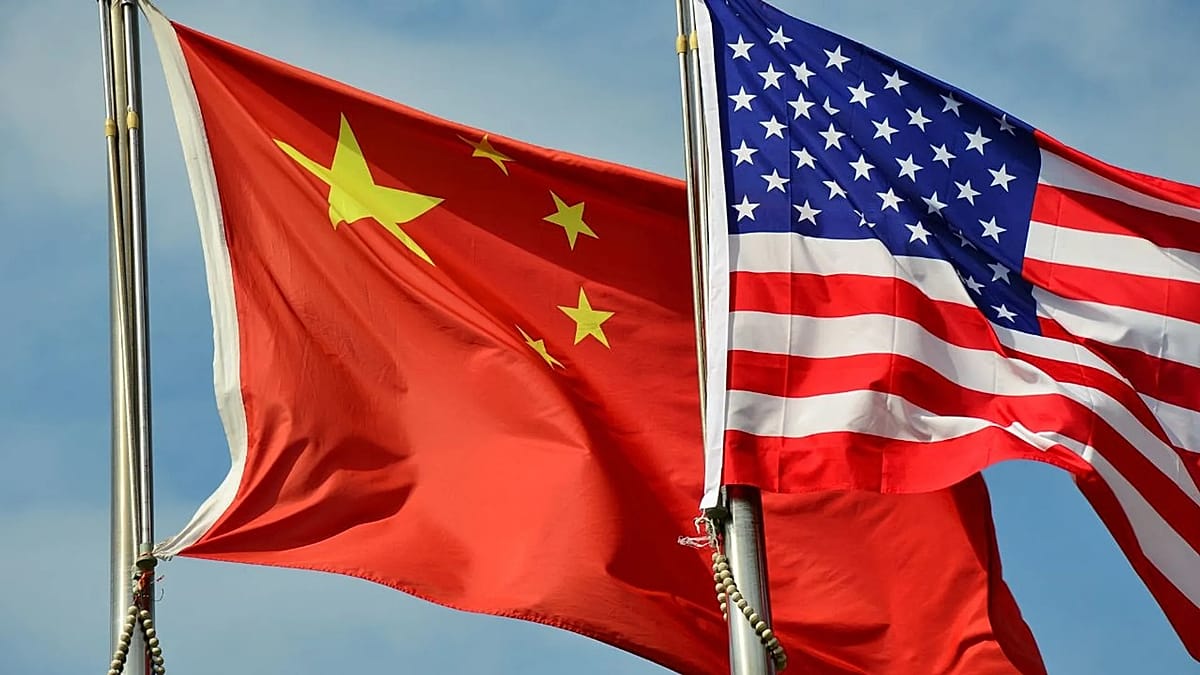
China is a competitor, and should be treated as one. But there’s a difference between competitor-as-adversary and competitor-as-peer. The U.S. tech community — startup founders and venture investors alike — has drifted toward the former, and it’s going to cost them.
Reality vs rhetoric
Apple still manufactures an overwhelming majority of its iPhones in China. In 2024, Tesla delivered more than a third of its global vehicles to Chinese customers. Tesla’s Shanghai Gigafactory, built in 2019, has produced more than 4 million vehicles. Nvidia’s chips are routinely smuggled into China to get around export bans, which have been loosened after Xi and Trump met last week.
The public narrative is about China being a foe. In reality, every major U.S. tech company is deeply entangled with China.”