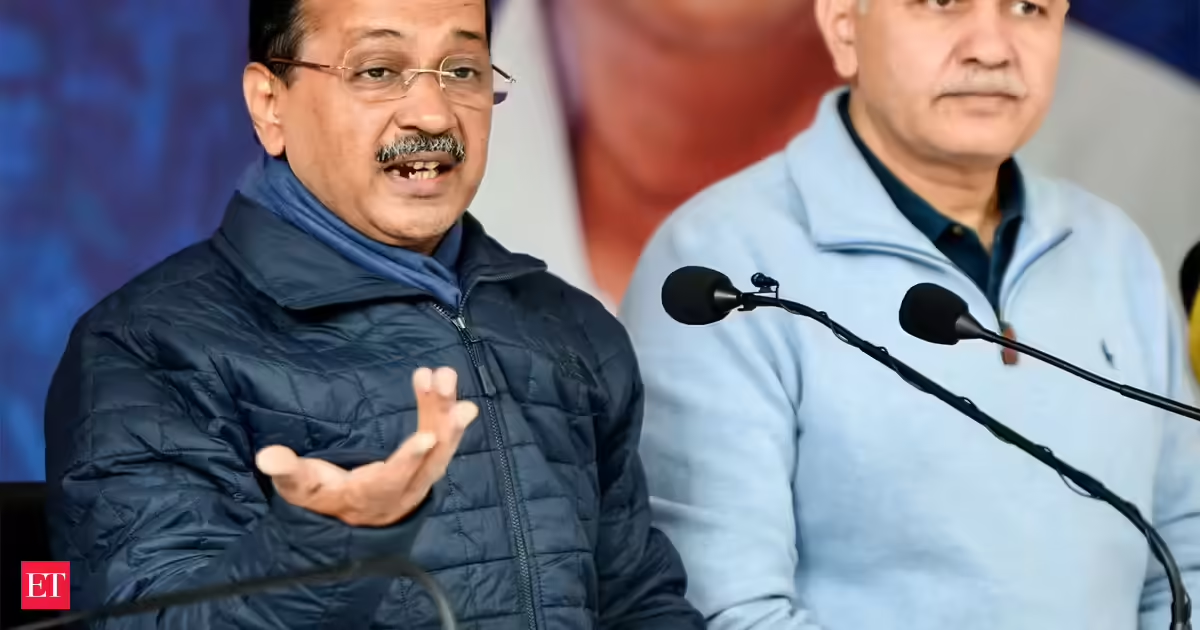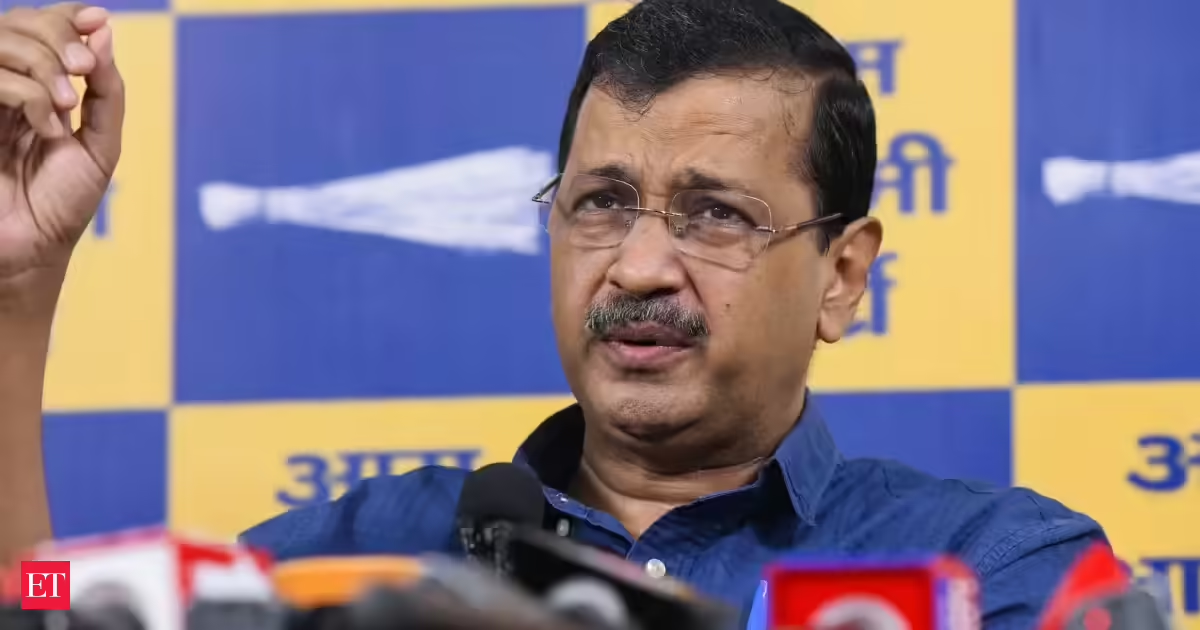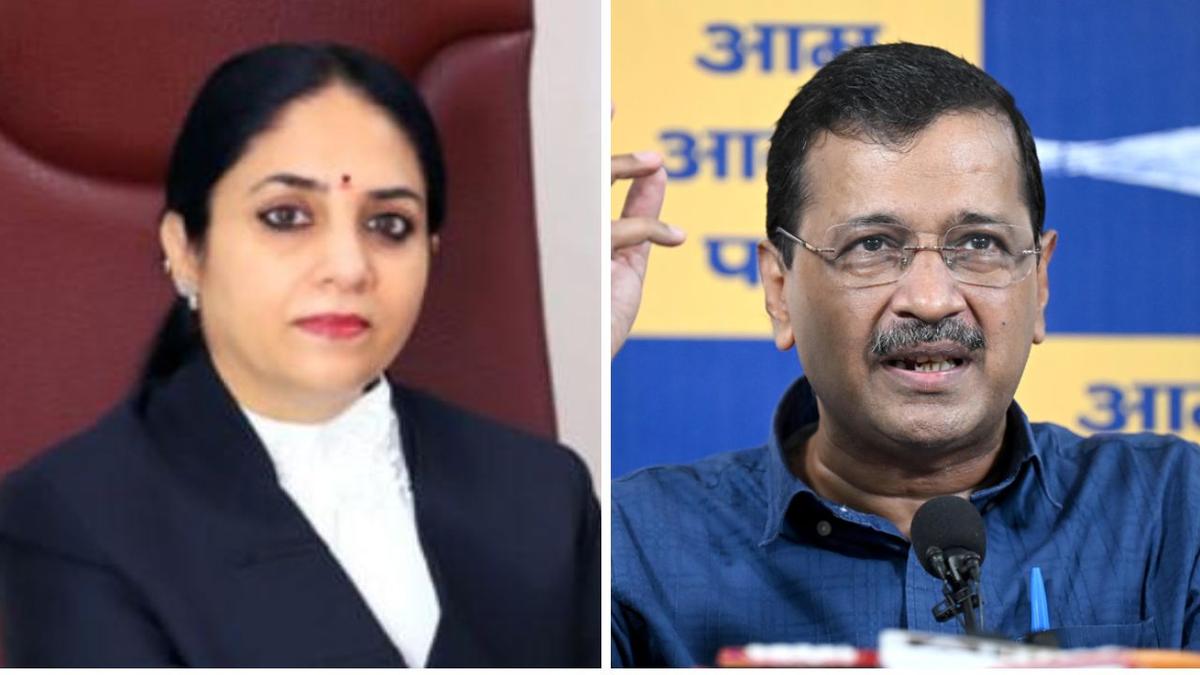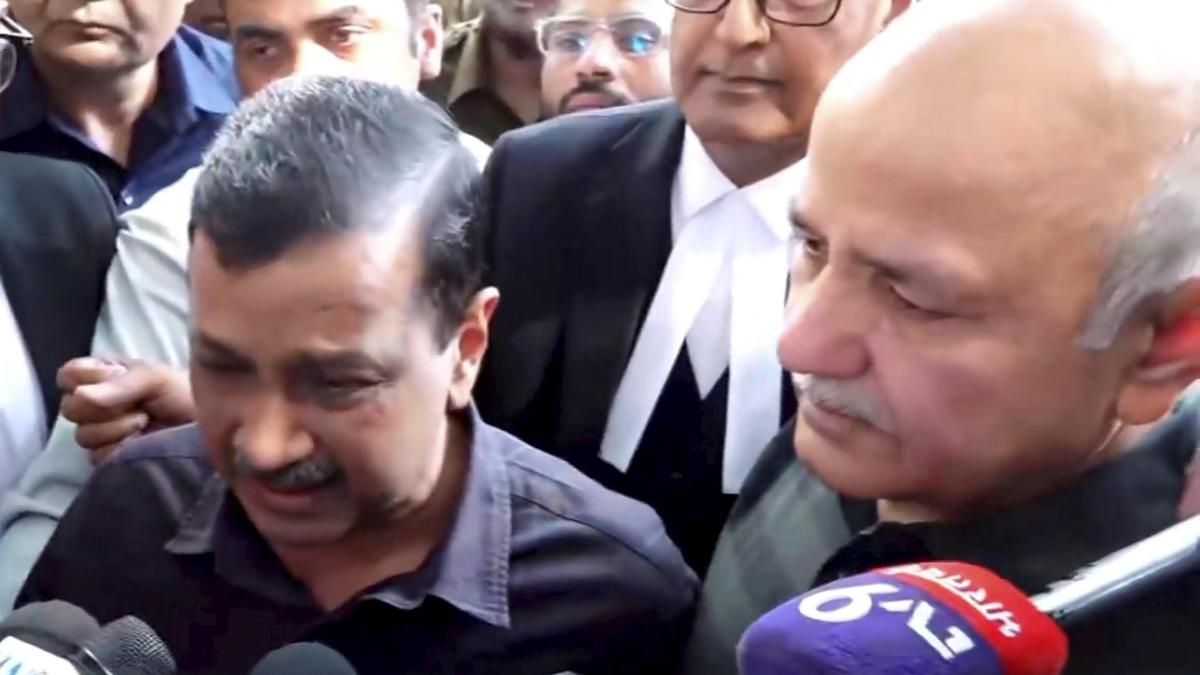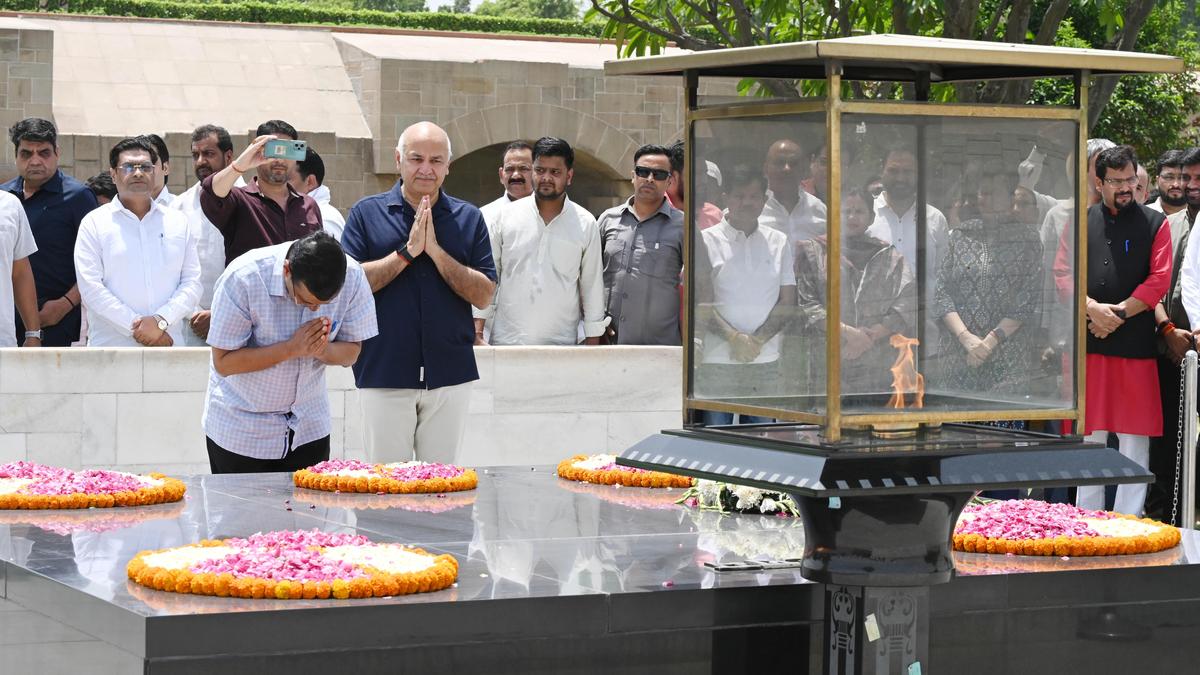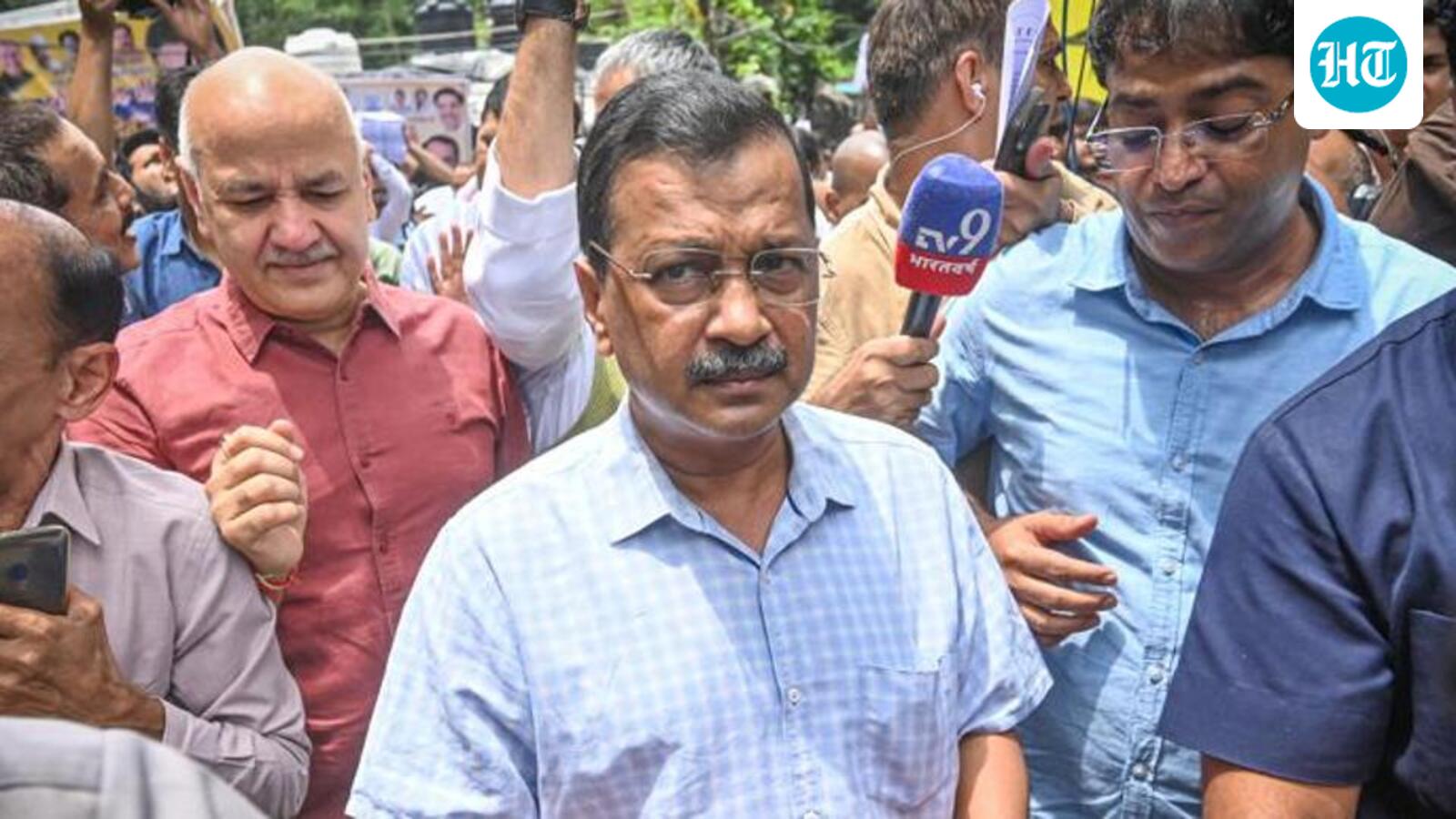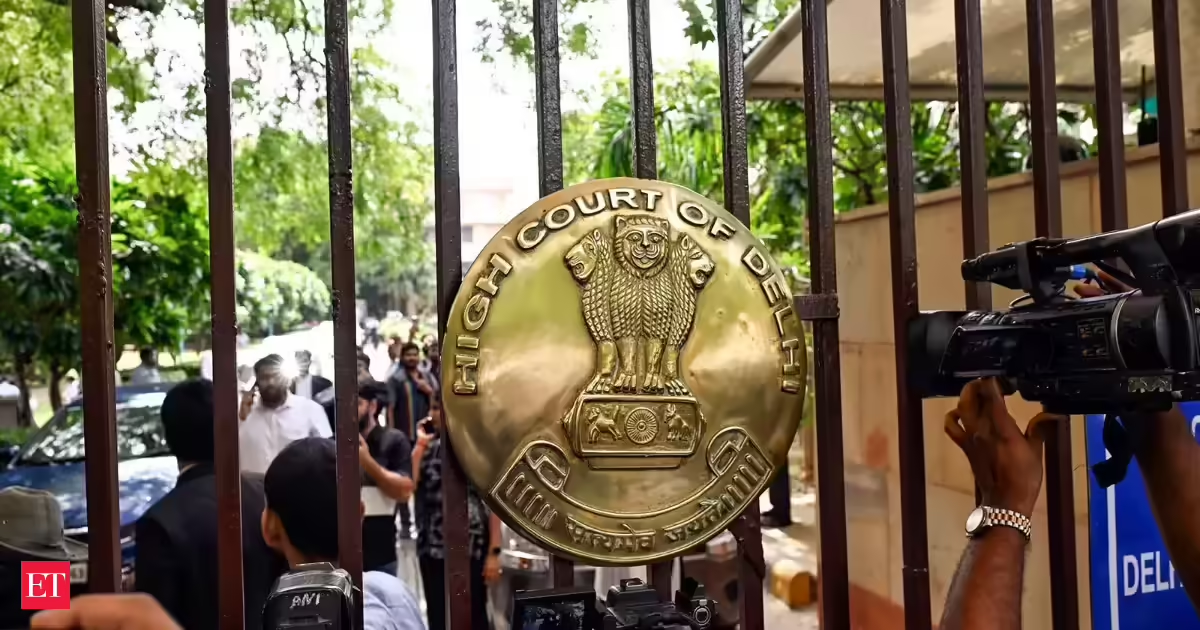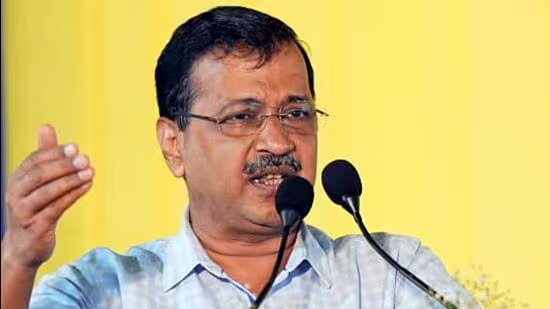
The Delhi high court on Tuesday directed the Central Bureau of Investigation (CBI) to inform Aam Aadmi Party (AAP) leaders Arvind Kejriwal, Manish Sisodia, and Durgesh Pathak about the allocation of the agency’s appeal against their discharge by a trial court on February 27 in the excise policy case to Justice Manoj Jain.AAP leader Arvind Kejriwal. (ANI)This came after Justice Jain noted that neither Kejriwal, Sisodia, nor Pathak appeared in the case, which was assigned to him after its transfer from Justice Swarana Kanta Sharma. “We understand that the case has been received on transfer...the matter is already in the news, and still, if you so desire, we will not shy away from sending them to send a fresh notice that the matter is before this court, and if they want to appear, they can a day here and there, we do not know,” said Justice Jain. “The ideal scenario is only when everyone is here, and everybody is heard.”Earlier on Tuesday, the high court issued notices to Kejriwal, Sisodia, and AAP leaders Sanjay Singh, Saurabh Bharadwaj, and Vinay Mishra in the criminal contempt case that Justice Sharma initiated against them over alleged defamatory social media posts targeting her.A bench of Justices Navin Chawla and Ravinder Dudeja directed them to file their responses in four weeks and fixed August 4 as the next date of hearing. It said it would appoint an amicus curiae in the matter and directed the registry to preserve copies of the social media posts and other relevant records and place them before the bench. “In the judgment, the single judge has placed reliance on social media posts and other electronic and publication records. The registry is directed to preserve copies of the same and place them before this court.”An unprecedented face-off between Justice Sharma and Kejriwal began after the trial court discharged him and other AAP leaders in the excise policy case, prompting the CBI to approach the high court.On March 9, Justice Sharma stayed the trial court’s direction for departmental action against a CBI officer and deferred Enforcement Directorate proceedings. Kejriwal sought to transfer the matter from her bench. Chief Justice DK Upadhyaya rejected this on March 13.On April 5, Kejriwal, Sisodia, and others sought Justice Sharma’s recusal, which she dismissed on April 20. On April 27, Kejriwal informed Justice Sharma that he would boycott the proceedings. Sisodia and Pathak followed suit.On May 5, the court appointed senior advocates as amici curiae to represent the three leaders, but the matter was deferred on three occasions. Justice Sharma, on April 14, initiated contempt proceedings and withdrew herself, saying that the law did not permit a judge who had initiated contempt proceedings in relation to a matter to continue hearing it.Justice Sharma said that after she refused to recuse, Kejriwal adopted a course of “vilification” and “intimidation.” She observed that instead of challenging the order before the Supreme Court, Kejriwal chose to issue a letter boycotting the proceedings and a video in which, according to the court, he levelled false allegations against her that had been adjudicated in the April 20 verdict.She said that Kejriwal orchestrated a campaign of vilification by circulating and criticising the order on social media to ridicule the court. She said his actions sought to sow distrust among the general public against her, attribute political influence and lack of judicial independence to the court, and undermine its authority.
HC asks CBI to inform Kejriwal about excise policy case allocation to new bench
A trial court on February 27 discharged Aam Aadmi Party (AAP) leaders including Arvind Kejriwal in the excise policy case | India News
566 words~3 min read