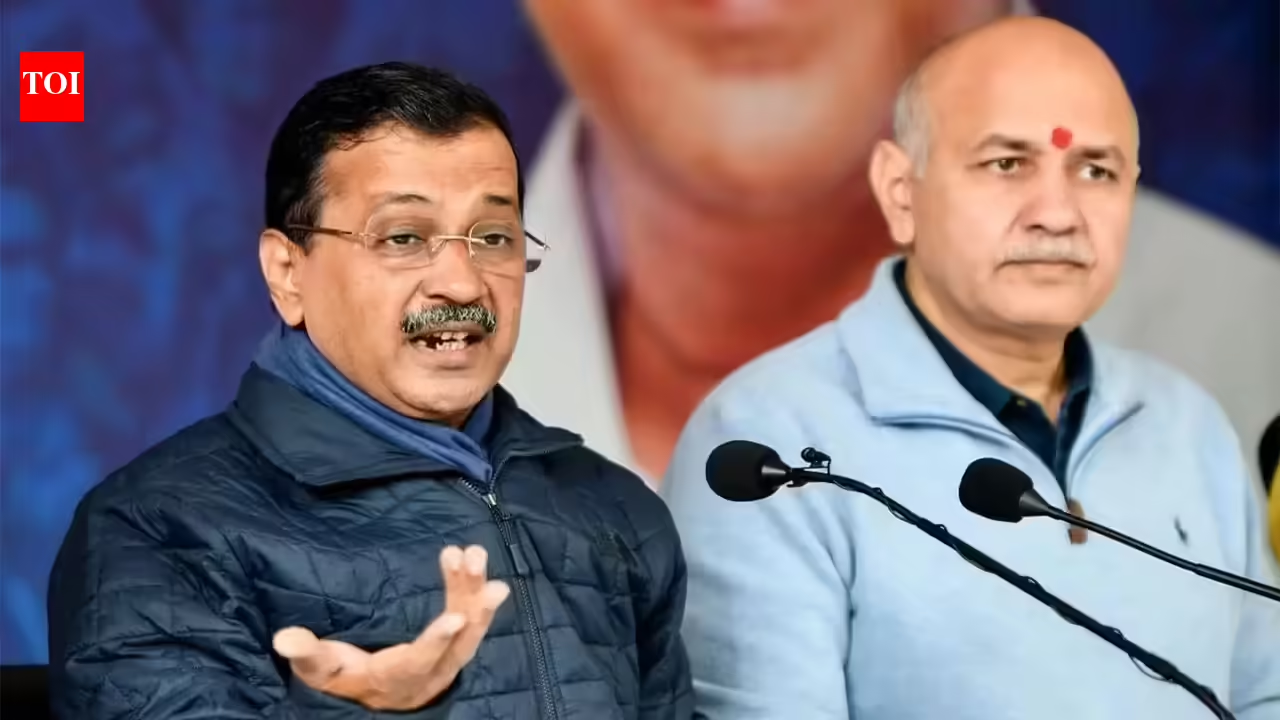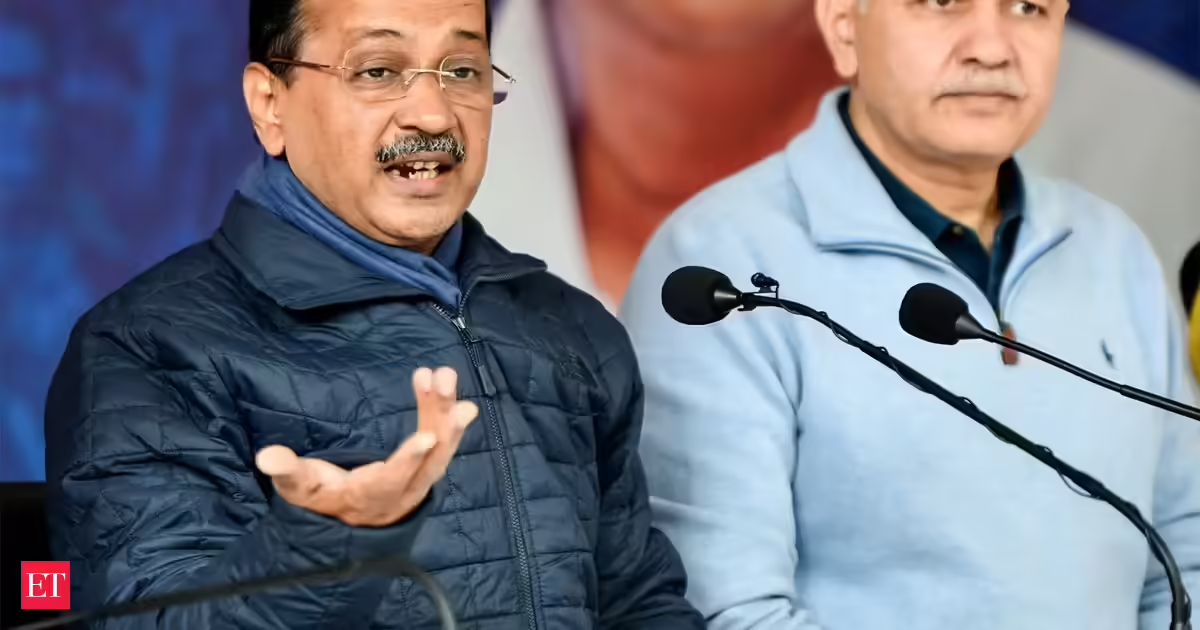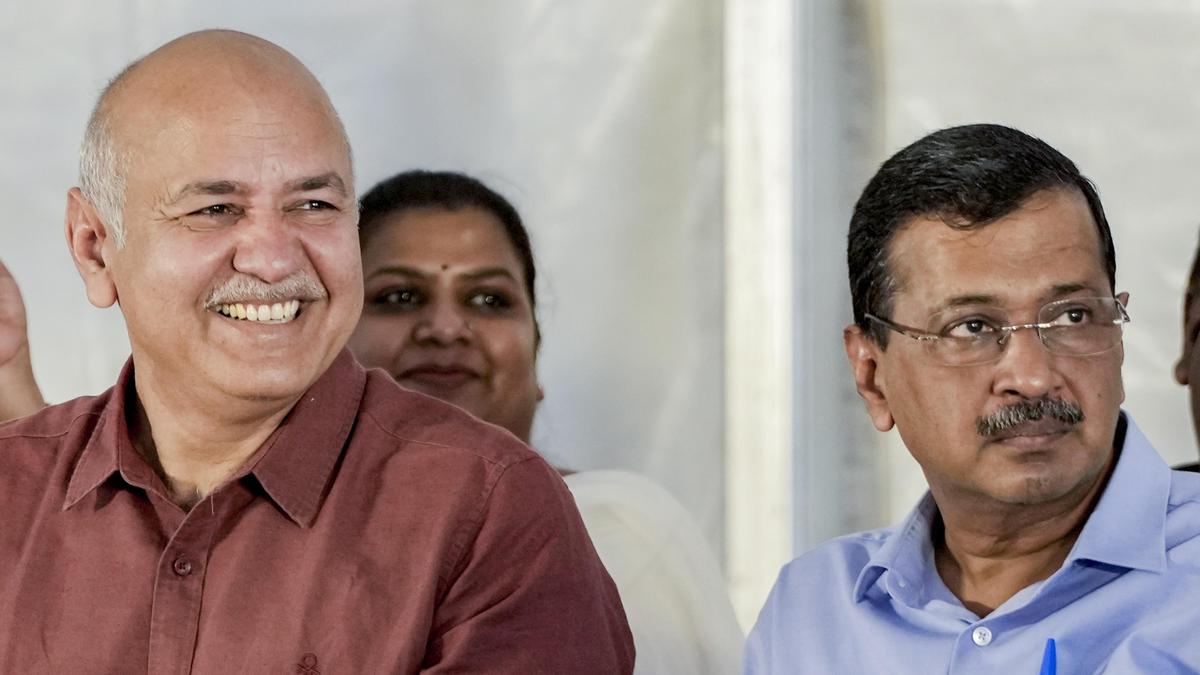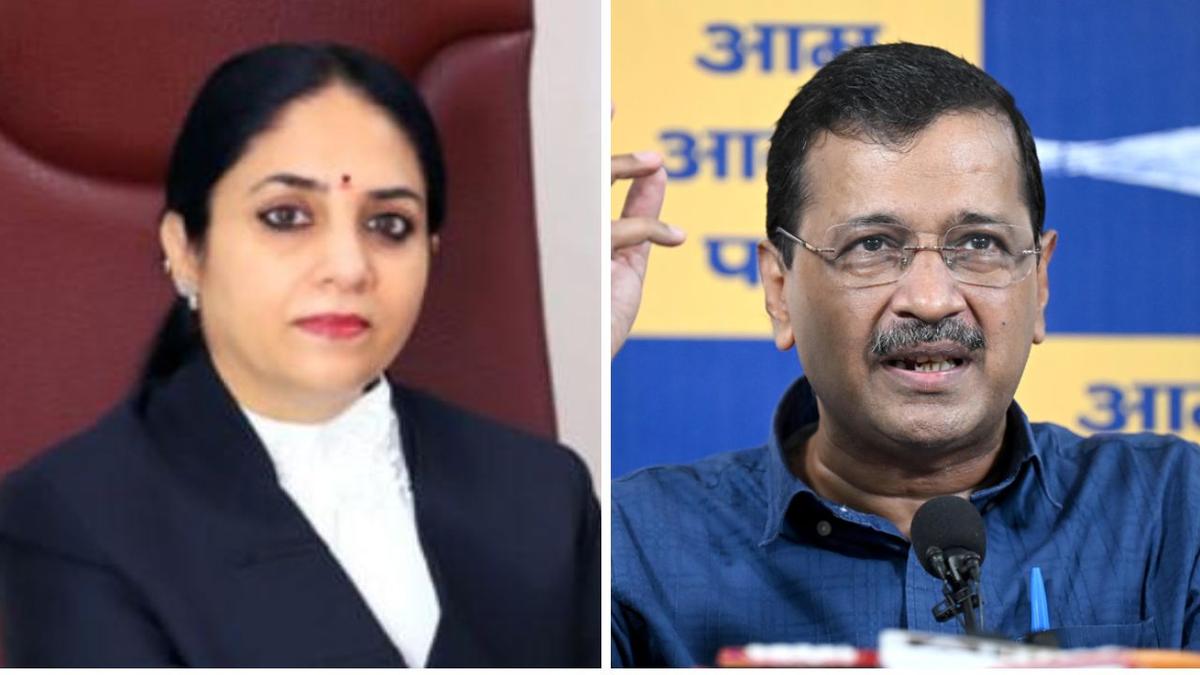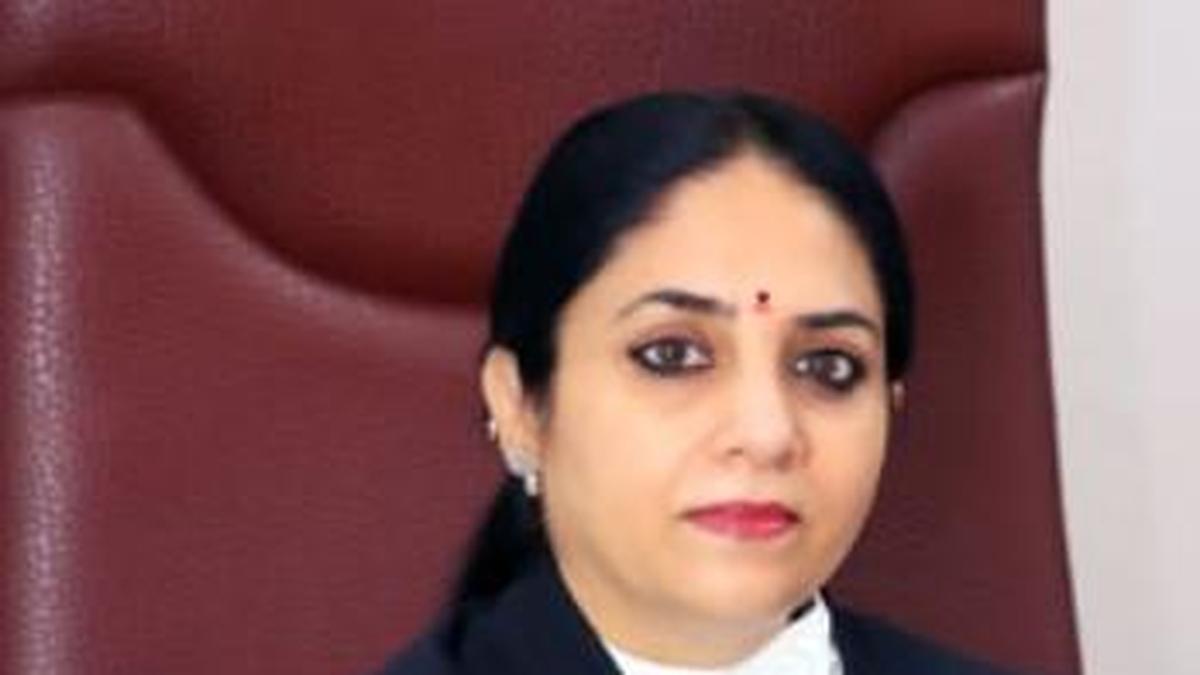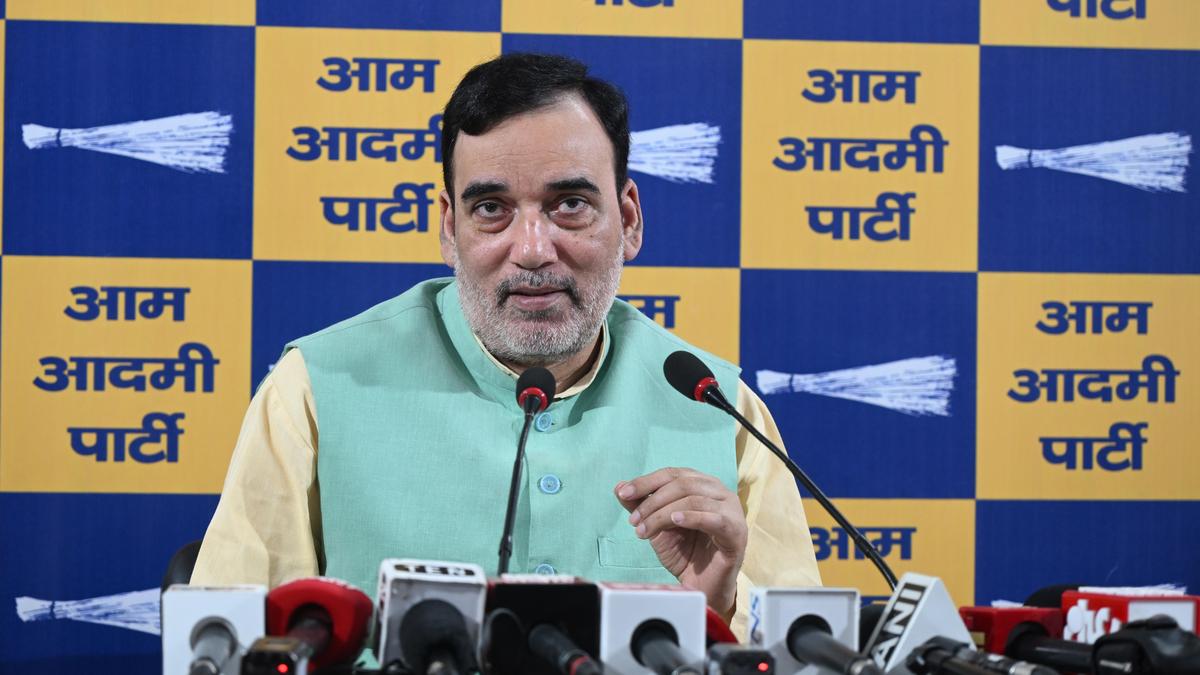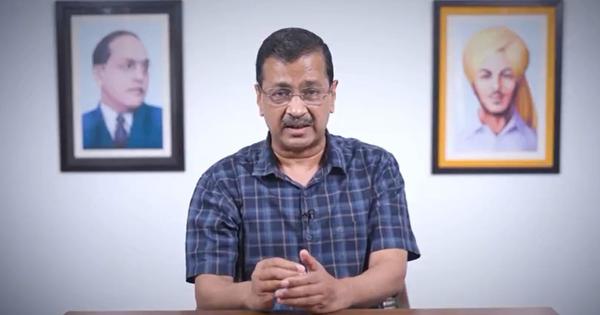
The Delhi High Court on Tuesday sought responses from Aam Aadmi Party leaders Arvind Kejriwal, Manish Sisodia and several others in criminal contempt proceedings against them for allegedly vilifying Justice Swarana Kanta Sharma on social media in connection with the liquor policy case, reported Bar and Bench.A bench of Justices Navin Chawla and Ravinder Dudeja asked the alleged contemnors to file their responses within four weeks, according to Live Law. It also directed the registry to preserve copies of the “derogatory” material that led to the proceedings.On May 14, Sharma initiated the contempt of court proceedings against Kejriwal, Sisodia and another AAP leader, Durgesh Pathak, for allegedly defaming and vilifying her.The judge had also recused herself from hearing the Central Bureau of Investigation’s revision petition against their discharge in the liquor policy case.“It could be that if I keep hearing this case, Arvind Kejriwal and other people might think that I have a grudge against him,” Sharma had said. “That’s why I have thought that this particular case will be heard by some other bench.”The judge has since transferred the matter to another bench.The developments came after Kejriwal, Sisodia and Pathak in April boycotted the proceedings before Sharma in the petition filed by the CBI against the trial court order discharging them and several others in the case.On April 20, Sharma rejected a petition filed by the AAP leaders demanding that she recuse herself from hearing the case. Their petition raised concerns about “perceived ideological proximity”, referring to her attending an event of an organisation linked to the Rashtriya Swayamsevak Sangh.The RSS is the parent organisation of the ruling Bharatiya Janata Party.Kejriwal also argued before Sharma that she had repeatedly passed orders in favour of the CBI and the Enforcement Directorate in the liquor policy case.While initiating the contempt proceedings on May 14, Sharma had said that her recusing herself from the case should not be understood as a transfer of the matter merely because such demands were made by Kejriwal and the others.Noting that she had already rejected their demand for recusal, Sharma said that subsequent events, such as the initiation of contempt proceedings, had given rise to different problems. “Therefore, let it be a reminder that you pay a personal price for constitutional courage,” she was quoted as having said.On April 27, Kejriwal said that he would not appear before Sharma. Subsequently, Sisodia and Pathak also told Sharma that they would not appear before her in the liquor policy case.In separate letters, Kejriwal and Sisodia had reiterated their concern about Sharma’s “public association” with the Akhil Bharatiya Adhivakta Parishad, which is a lawyers’ group linked to the RSS.The two party leaders also noted that Sharma’s son and daughter have been empanelled as counsels by the Union government. Kejriwal highlighted that they are both allocated cases by Solicitor General Tushar Mehta, who is appearing before the High Court representing the CBI.An empanelled counsel is a lawyer selected by a government body, public sector undertaking or organisation to represent their legal cases for a designated period.The liquor policy caseThe CBI had alleged irregularities in the Delhi government’s liquor excise policy, which has since been scrapped. Based on the CBI case, the ED also launched an investigation into allegations of money-laundering.The policy came into effect in November 2021. It was withdrawn in July 2022 with Vinai Kumar Saxena, the Delhi lieutenant governor at the time, recommending an investigation into the alleged irregularities of the policy.The two central agencies alleged that the AAP government at the time modified the liquor policy by increasing the commission for wholesalers from 5% to 12%. This allegedly facilitated the receipt of bribes from wholesalers who had a substantial market share and turnover.On February 27, the trial court discharged Kejriwal, Sisodia, Pathak and 20 others accused by the CBI in the case. There was no overarching conspiracy or criminal intent in the excise policy, the court had ruled.The court had also criticised the central agency for implicating Kejriwal without any cogent material. It said that the chargesheet had several gaps not supported by any witnesses or statements.However, the High Court on March 9 stayed the adverse observations made by the trial court about the CBI. The matter was heard by Sharma, who prima facie observed that the trial court’s findings were erroneous.Edited by Sneha.
Delhi HC seeks replies from Arvind Kejriwal, others in contempt case for ‘defaming’ judge
The bench also directed the registry to preserve copies of the ‘derogatory’ material that led to the proceedings.
717 words~3 min read