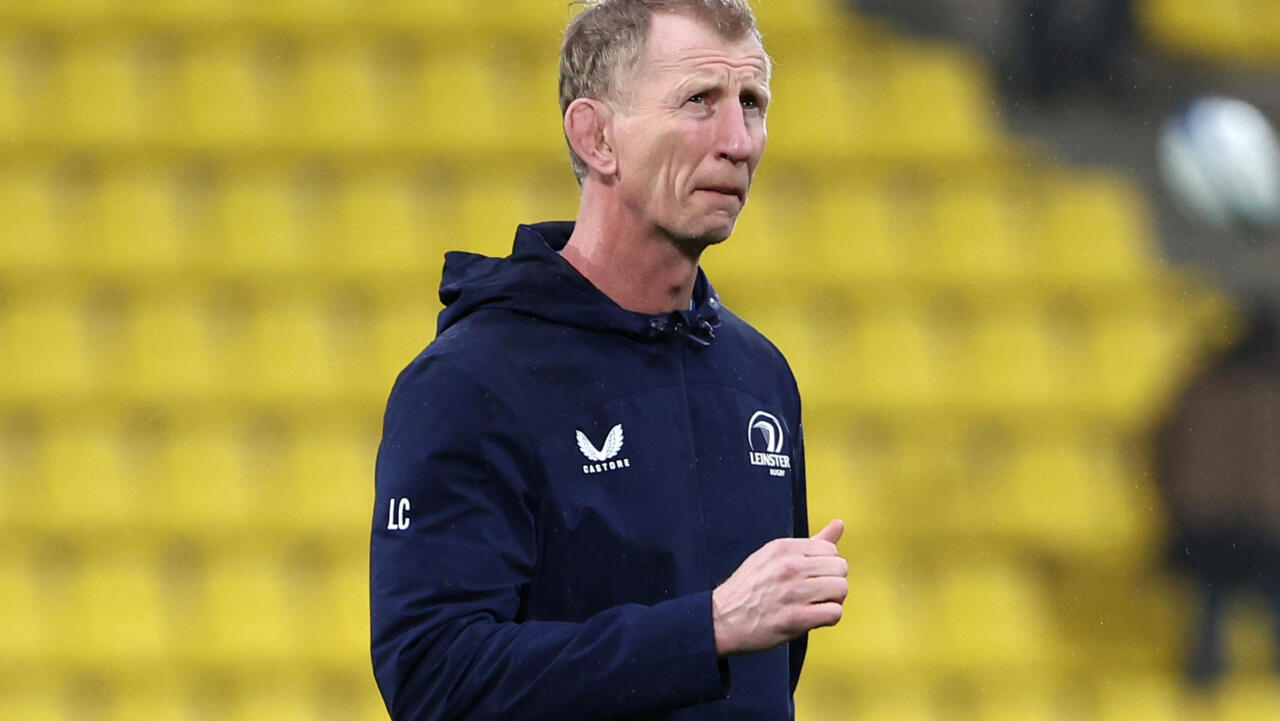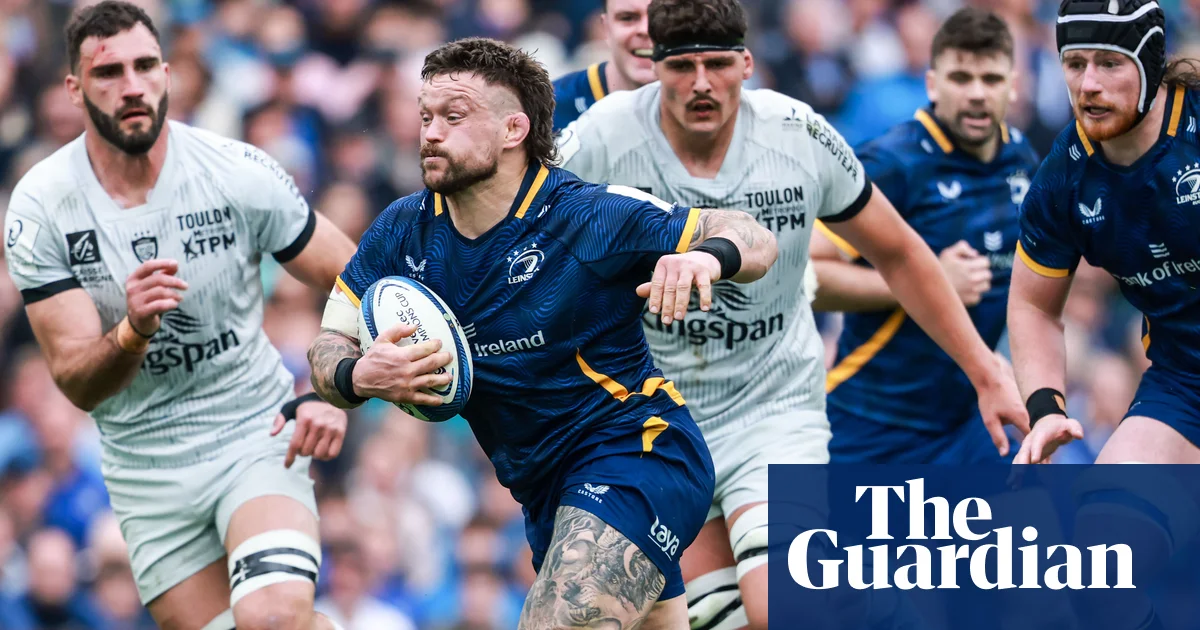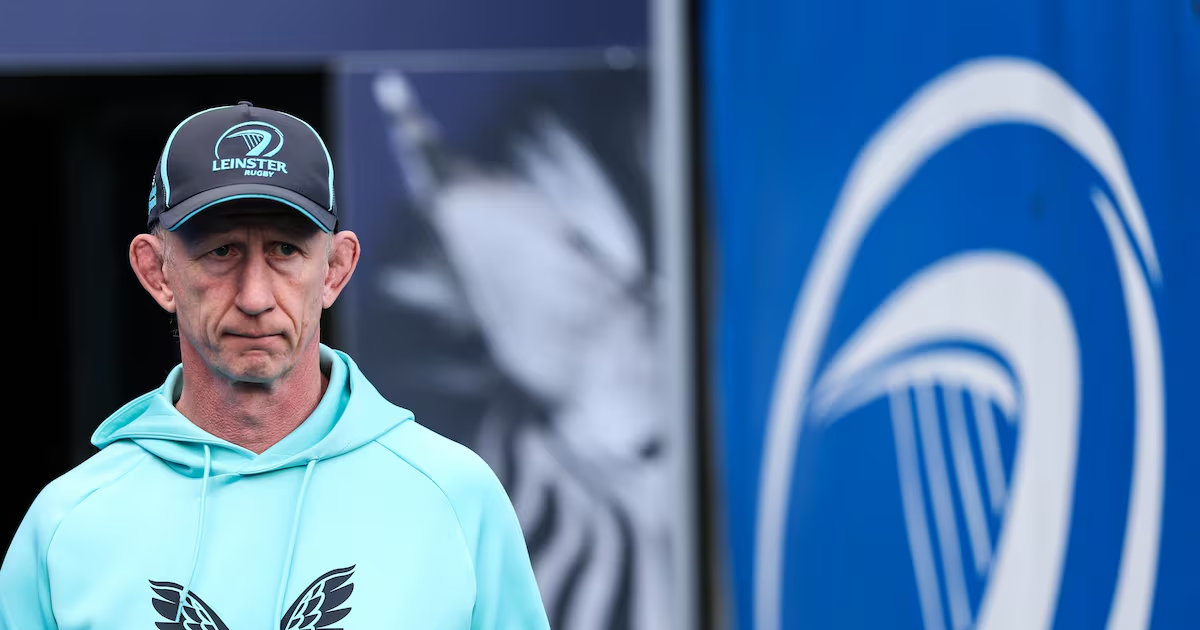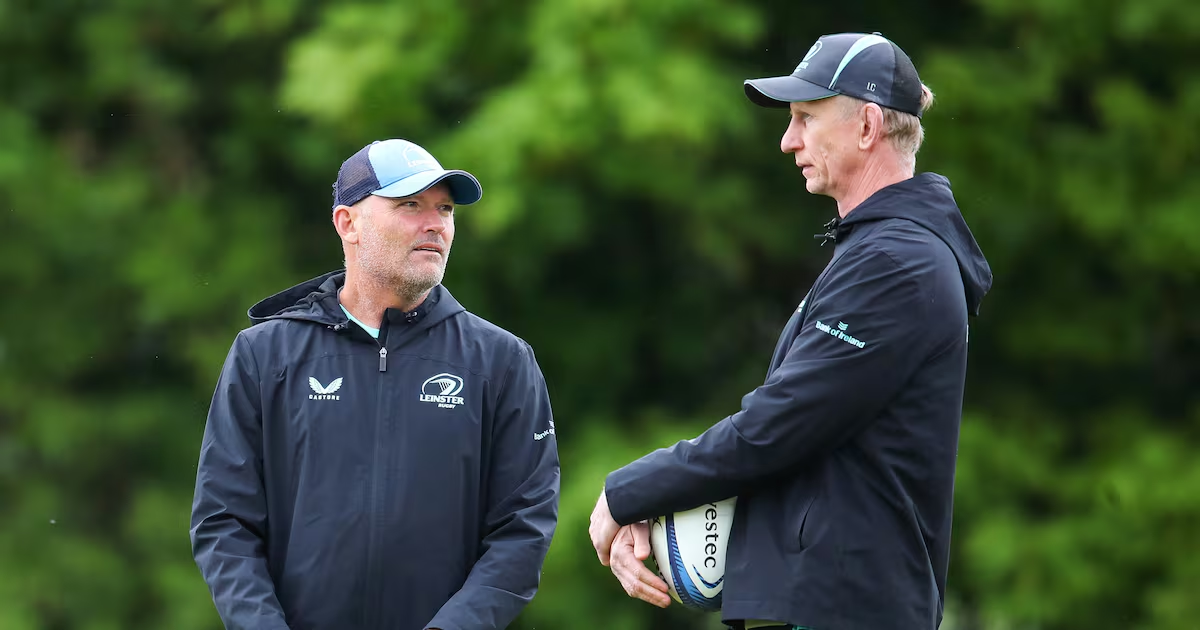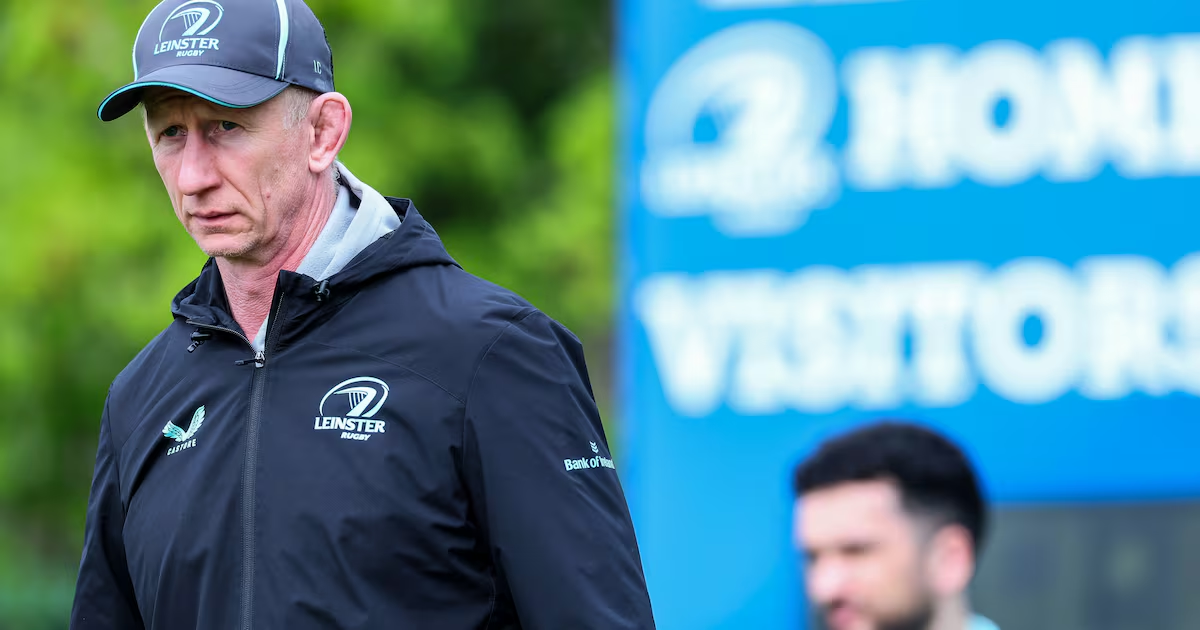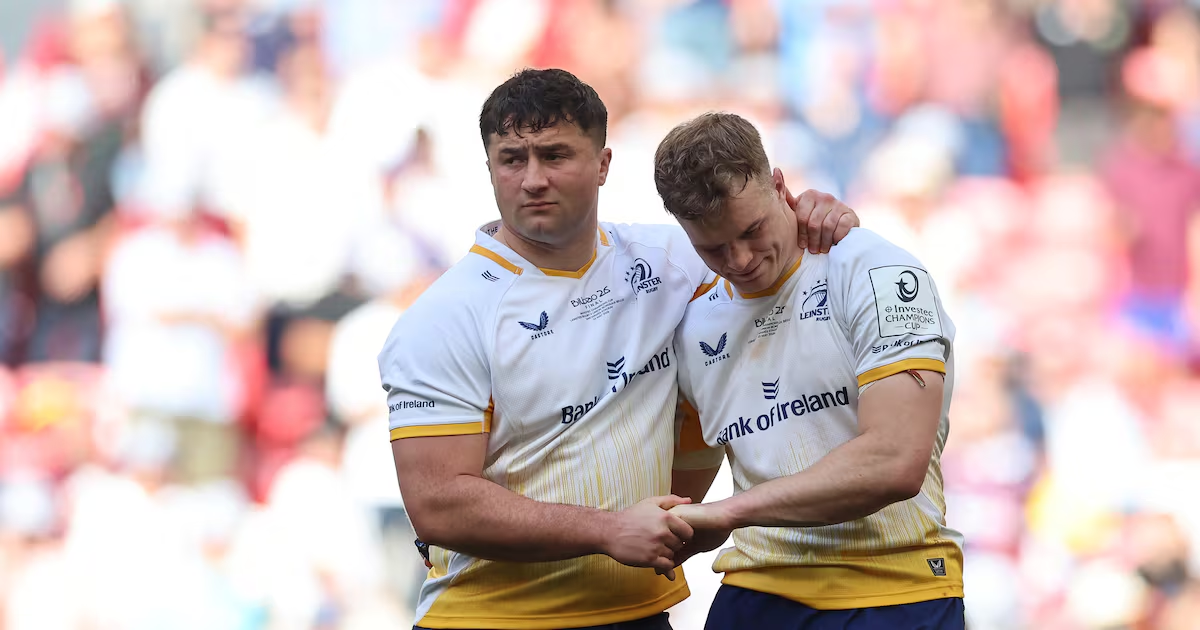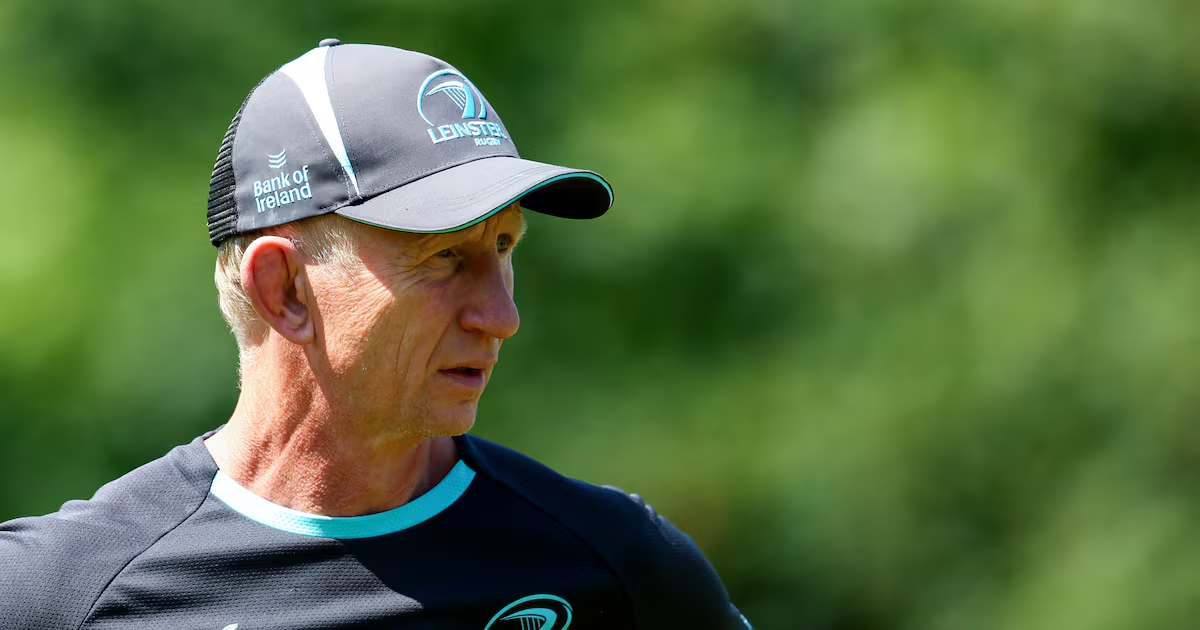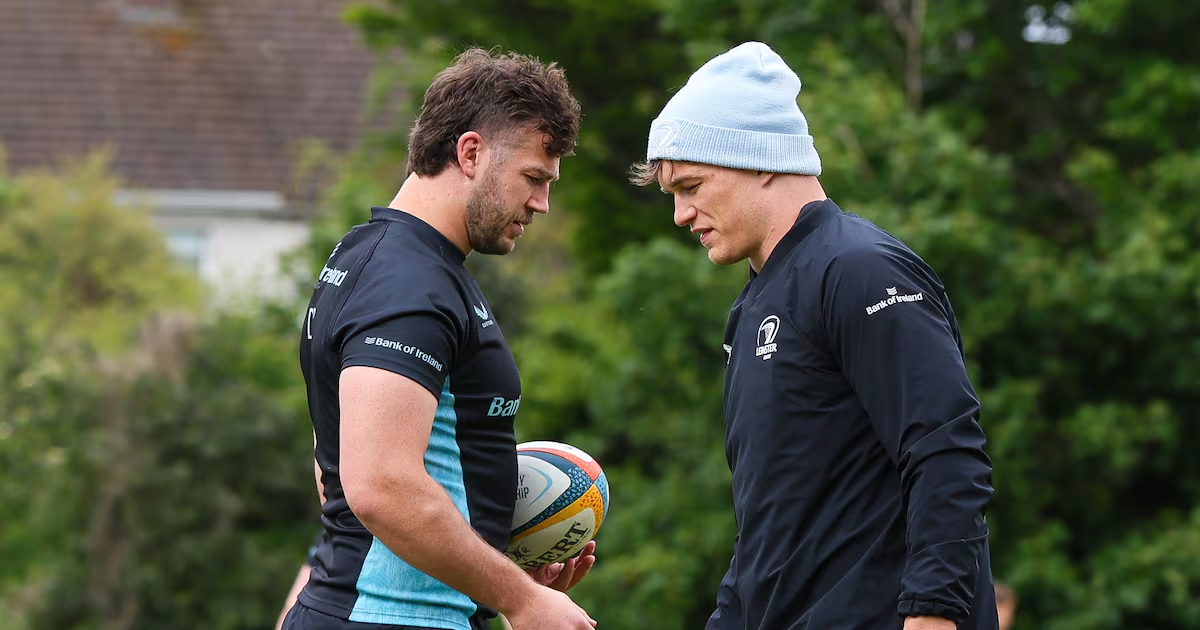
A little like Leinster themselves, no matter what they do, Leo Cullen and his think tank are damned either way. Wrap the frontliners in cotton wool for the two weeks in between a Champions Cup semi-final and a final? That would lead to accusations of being too protective, thereby leaving his players insufficiently match hardened. “Shudda played them Leo!”Yet, woe betide Cullen if he risks them in between times and any players pick up injuries which then rule them out of the Champions Cup final.“Ah Leo, you should never have risked them.”There was a time when resting up before a Champions Cup final was widely considered to be sensible and advantageous. Indeed, there were common Anglo-French complaints about the Irish teams, and especially Leinster, being able to pick and choose their games.Look back on 2017-18 when Leinster won their fourth and most recent star by beating Racing 15-12 in the final in Bilbao. Cullen didn’t risk any of Leinster’s starting XV in the fortnight following their semi-final win over Scarlets.The only changes to the starting line-ups for the semi-final and final were Jordan Larmour replacing the injured Fergus McFadden and Luke McGrath being recalled after missing the semi-final through injury.Leinster head coach Leo Cullen during squad training in Dublin this week. Photograph: Grace Halton/Inpho It’s remarkable to think there was disquiet aplenty among pundits and fans about the prospect of Jamison Gibson-Park starting the semi-final. Cullen was restricted to choosing just two of his three non-EU players, and with Scott Fardy starting, he surprised many by preferring Gibson-Park on the bench ahead of James Lowe for the final.The head coach had made 15 changes from that semi-final starting XV for their round 22 trek to Galway a week later, when suffering a record 47-10 defeat to Connacht. As they were already assured of a rest week the following weekend, Leinster’s Champions Cup final team were fresh for the trip to Bilbao. After overcoming Racing, Leinster also beat Munster a week later and completed their one and only double by beating Scarlets 40-32 in the Pro14 final.So what’s changed? Well, the policy of resting frontliners has now been brought into question after three successive final losses in 2022, 2023 and 2024, and last season’s semi-final defeat at home to Northampton. This in turn has prompted a clear change of selection policy ahead of next Saturday’s Champions Cup final in the San Mamés Stadium (kick-off 3.45pm local time/2.45pm Irish). Admittedly, when Leinster retained the Heineken Cup in 2012 with their most dominant performance in the final, by beating Ulster 42-14 at Twickenham, their frontliners were not wrapped in cotton wool over the previous fortnight.Granted, the two games in between the semi-final and final were away to the Dragons in their 22nd and final regular-season game, and then a Pro12 semi-final at home to Glasgow.What’s more, Leinster had already secured first place when they travelled to Rodney Parade. Needless to say, none of Leinster’s starting XV from their epic 19-15 semi-final win over Clermont in Bordeaux featured a week later in Newport, save for Isa Nacewa, who was an unused sub.Rob Kearney celebrates Leinster’s Heineken Cup final victory over Ulster at Twickenham in 2012. Photograph: Colm O’Neill/Inpho However, a dozen of the Leinster starting team and the bulk of the matchday squad who would feature in Twickenham in the Heineken Cup final against Ulster also played a week beforehand in the 19-15 Pro12 semi-final win over Glasgow at the RDS. The only players who did not have any minutes in between the Heineken Cup semi-final and final were Rob Kearney and Brian O’Driscoll.That said, a week after Twickenham, Leinster lost their Pro12 final to the Ospreys at the RDS when, save for rotating Brad Thorn and Devin Toner, Joe Schmidt went with an otherwise unchanged line-up.Leinster’s twin-pronged trophy hunt in 2021-22 differed slightly in that their Champions Cup final loss to La Rochelle in Marseille was just a fortnight after their semi-final win over Toulouse. Cullen and co picked the exact same starting line-up and matchday squad for both games, and only Ciaran Frawley and Cian Healy (as a replacement) played in the intervening 35-25 win over Munster.But there was a three-week gap again the following season when Cullen and co retained five of the starting XV that beat Toulouse 41-22 for their comprehensive URC quarter-final win over the Sharks. However, Cullen drew criticism for starting only two of Leinster’s Champions Cup final starting XV a week before in a 16-15 semi-final loss to Munster – and lost to La Rochelle again anyway.Two seasons ago, Cullen retained a dozen of the starting line-up in the semi-final win over Northampton at Croke Park, with Dan Sheehan and Gibson-Park also on the bench, when loading up for a 61-14 win at home to the Ospreys a week later.But all of them were saved the trip to Belfast when Leinster lost 23-21 to Ulster. Only the returning Hugo Keenan and Will Connors, a surprise pick, started a week later against Toulouse in the Tottenham Hotspur Stadium when Leinster came up just short again.There was a similar approach before last season’s semi-final loss to Northampton, whereas this season has seen a more nuanced selection strategy in the two games before both the semi-final and now this final. All of the starting line-up from the semi-final win over Toulon – bar Tommy O’Brien – have had some game time since, admittedly with Leinster pushing for a top-two seeding.The vast majority played in Saturday’s facile 68-14 win over the Ospreys, and Cullen’s hand has been strengthened by the return of Tadhg Furlong, James Lowe and Jordan Larmour.The selections at tighthead, inside centre and on the bench all look up for discussion. Some very good players are going to miss out on the 23 as well as those injured. As ever with these things, the verdict on Leinster’s changed selection policy will be determined by one thing above all others. The result.gerry.thornley@irishtimes.com
Gerry Thornley: Leo Cullen’s pre-final selections will be critiqued against one metric
Opinions around the use of key players ahead of a season-defining clash have evolved significantly
992 words~5 min read