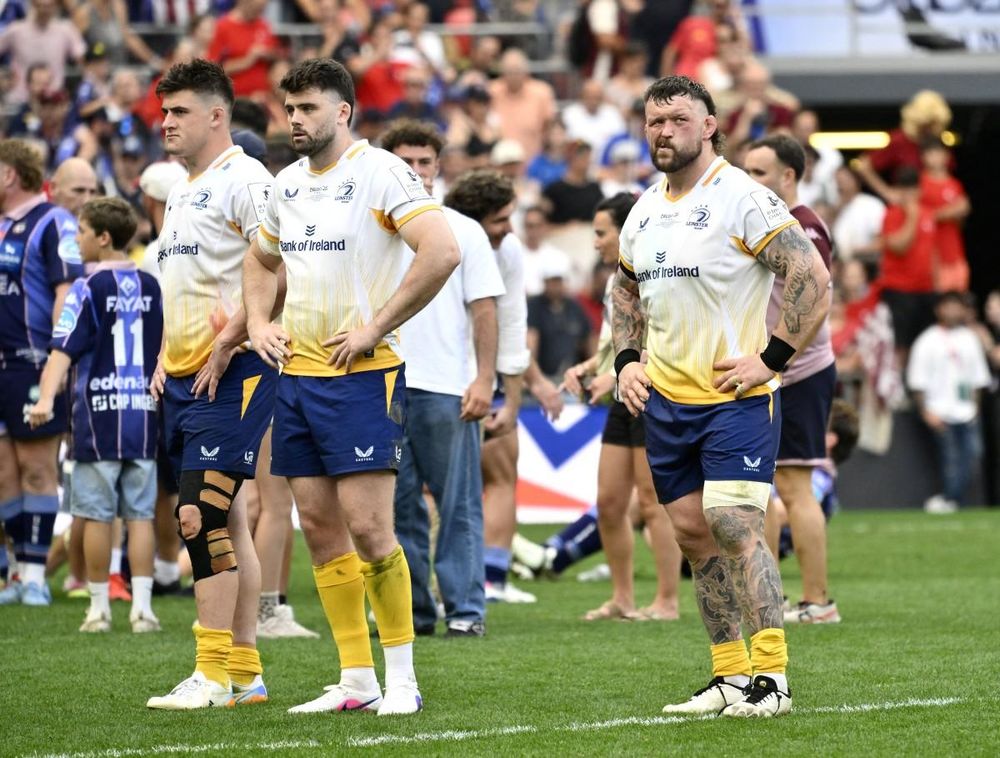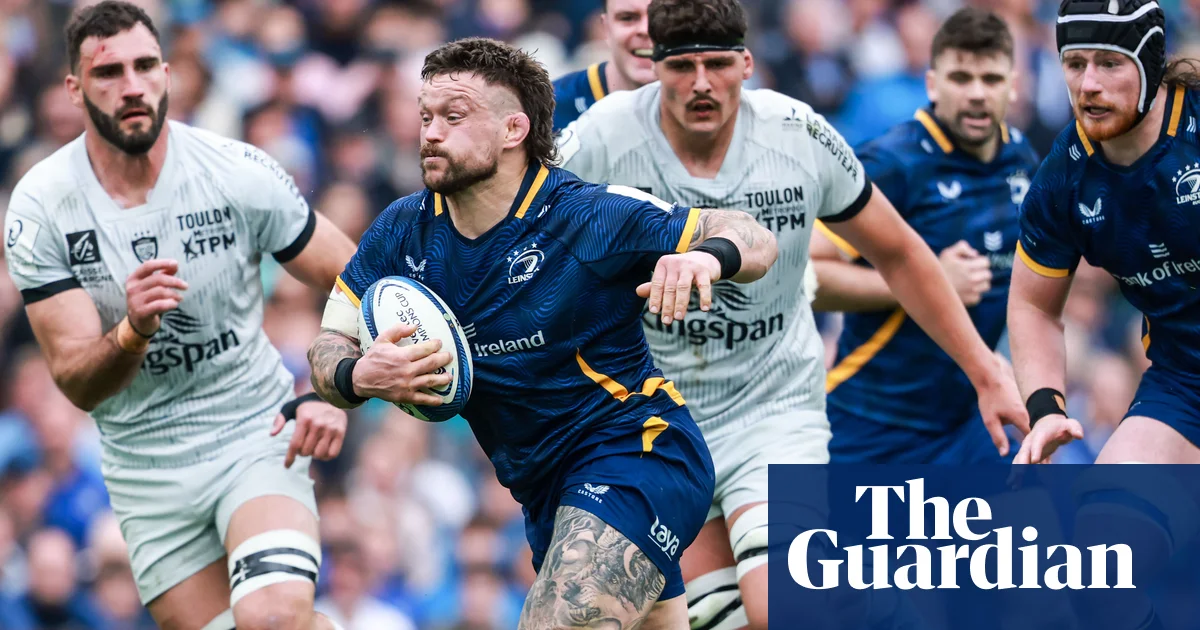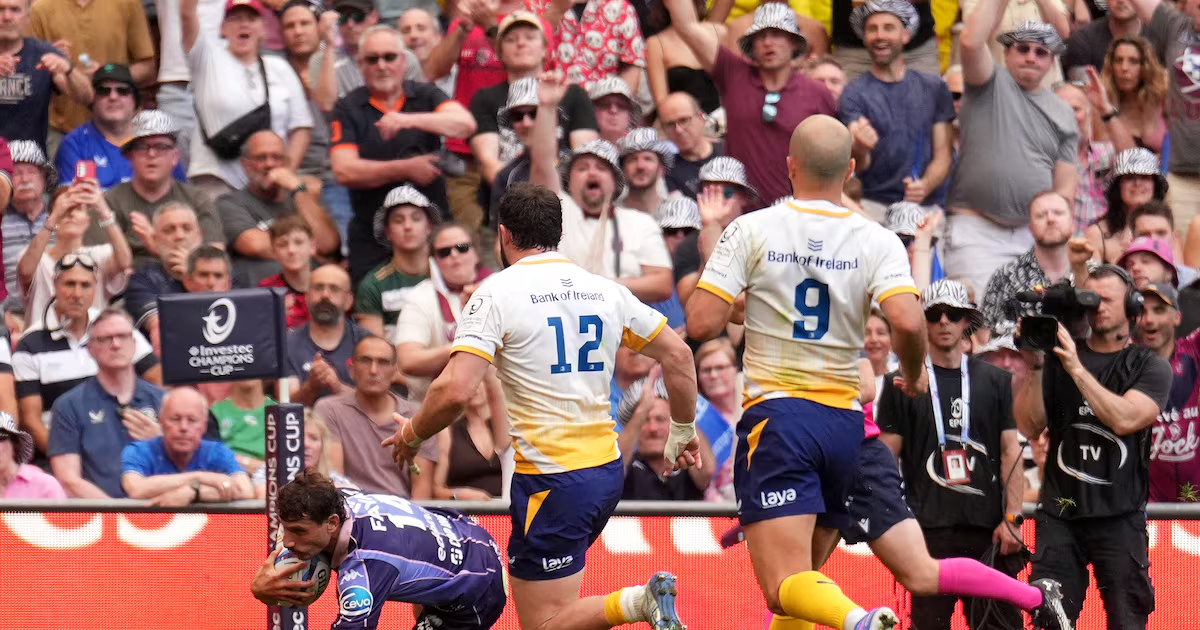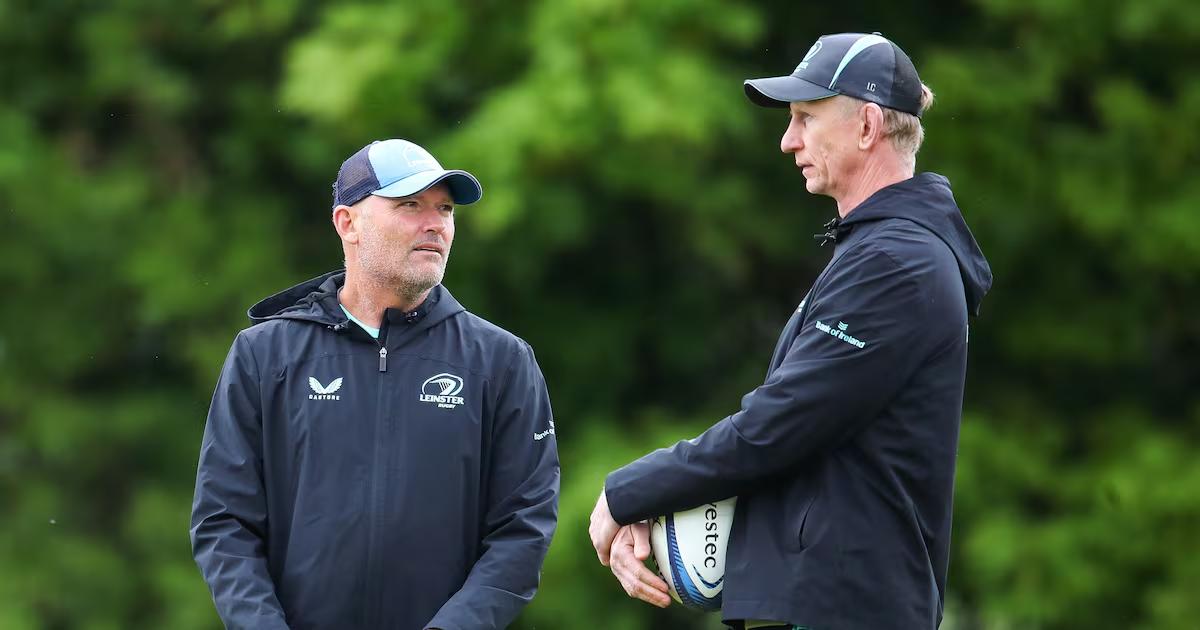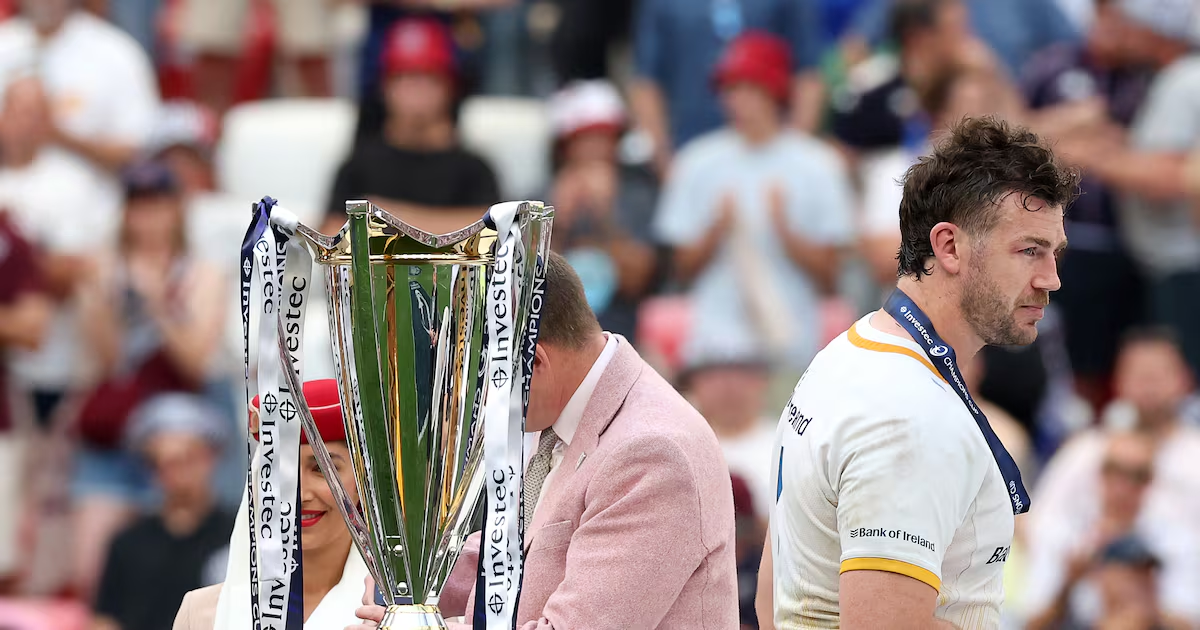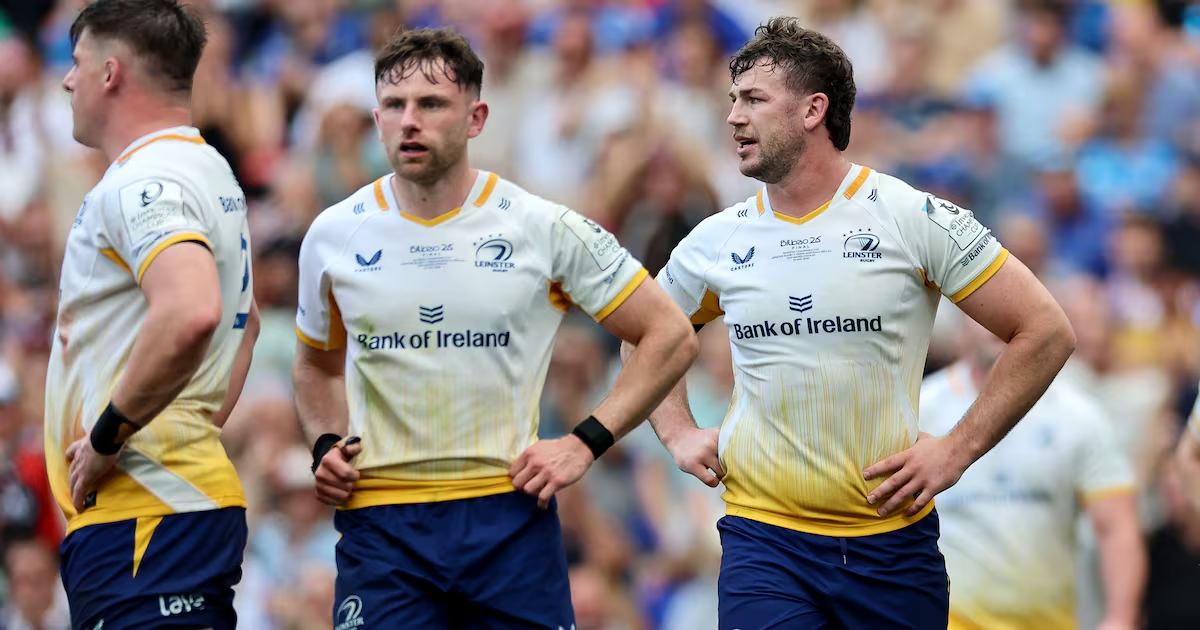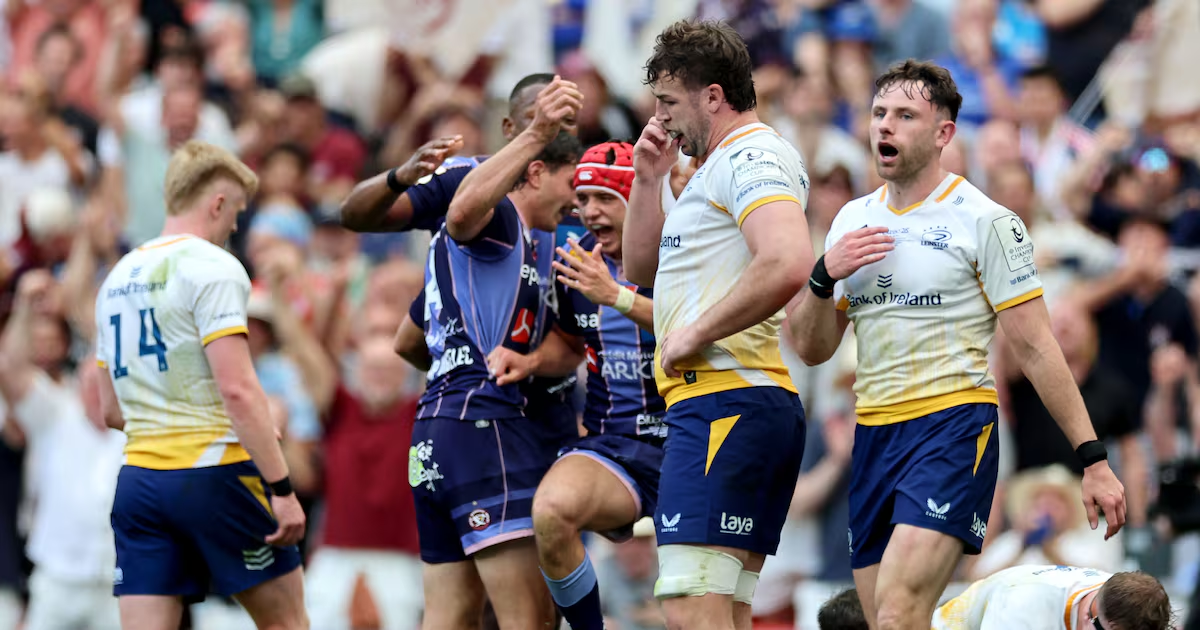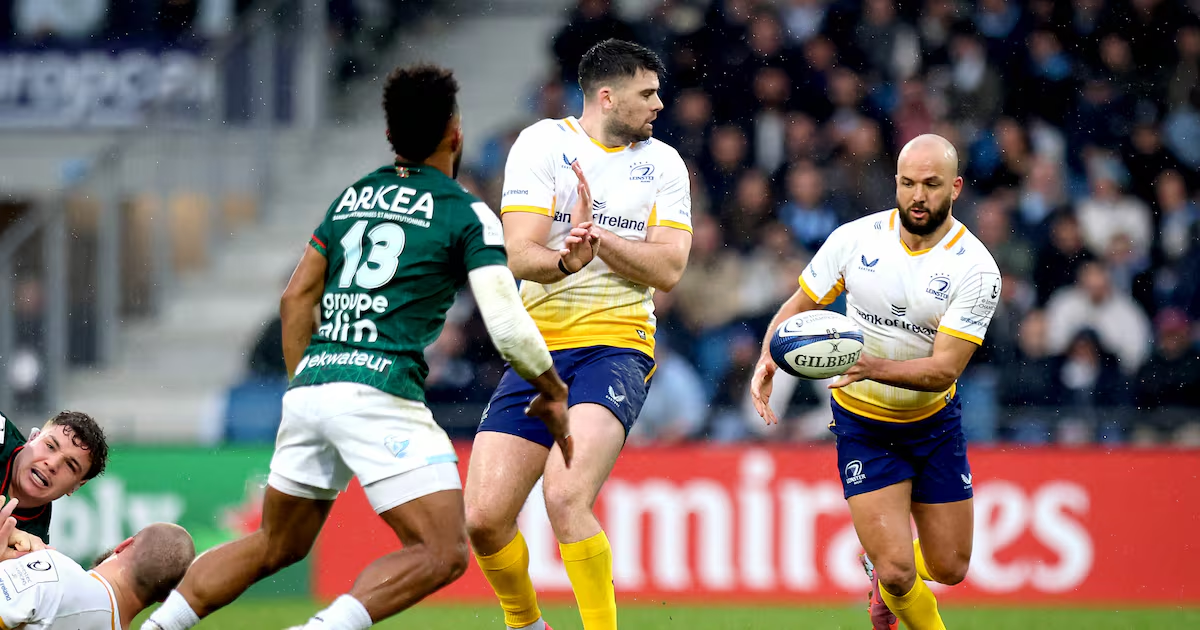
I still remember, vividly, the first time I truly understood the feeling of losing. It was the opening round of the Leinster Schools Junior Cup. This was everything I had wanted and dreamed of. I was wearing the Clongowes jersey, in a storied venue, on a pitch graced by so many rugby greats down through the ages.We lost to Blackrock. The result was both comprehensive and devastating. To this day, I can recall that feeling of helplessness. They were better drilled and in desperation mode, I tried a low-percentage chip from behind my own line. Spoiler alert: it didn’t end happily.I was despondent afterwards and found myself struggling to make sense of life’s inequalities. We had trained hard, prepared well and given everything. And in one match, one afternoon, the whole season was gone.I remember asking Frank Kelly, our coach, how any of it was fair. He let me ramble away. Then he said something to the effect of, “you must take the bad days with the good”. Now that I’d had the bad day, he added, I had to decide whether I’d come back for the good days.Perhaps it was the pain that lit a fire in me. Three years later, Clongowes won the Senior Cup with a large cohort of the same players that were unceremoniously dumped out of the tournament’s junior sibling.I have thought about the connection between loss and what can follow many times since then. With Leinster, I spent years wondering if we would ever get there as a team. Personally, there was the self-doubt – “am I good enough?”.For the first 11 years of my career, we never got within touching distance of a European trophy. That is a key point. Leinster had skirted around the group stages or made the odd semi-final appearance. We thought we had done the work, but we hadn’t. At least not well enough. You don’t end up in finals by chance. The bad days, when you let them, have a way of becoming positive.Leinster's Joe McCarthy wins a lineout during the province's Champions Cup quarter-final win against Edinburgh at the Aviva Stadium. Photograph: Ben Brady/Inpho Leinster arrive in Bilbao on Saturday carrying a version of that same weight. They have been on the losing side in Europe for longer than a squad of this quality would expect. Finals lost, semi-finals that slipped away, seasons that promised more than they delivered.That history does not disappear simply because a new final has arrived. But it doesn’t have to be a burden either. It can be exactly what Frank Kelly described – a reason to come back, the purpose behind the team.What strikes me most about this Leinster group is how difficult they are to define. You can articulate clearly what Bordeaux-Bègles do well, what Toulouse or Ulster bring, what La Rochelle or Saracens are built on. Leinster this season have been harder to read.They do not have a dominant scrum of note, nor the lineout security that once felt automatic beneath a Devin Toner-sized shadow. What they have – and it has carried them further than many expected – is doggedness, a refusal to drift, to accept defeat, to let a match go.They have ground out wins when the performance did not merit them and they have done so repeatedly. That is not nothing. In a final, it may be exactly what is required. They have also, finally, found a shape that suits the players.The halfback partnership of Jamison Gibson-Park and Harry Byrne has developed into something genuinely appealing and has the lingering promise of more. Gibson-Park has always been what the French call “le petit général”. He is the metronome, the one who regulates the rhythm.As the season has progressed, Byrne has added a willingness to operate as a genuine first receiver, holding the defensive line and releasing the ball with accuracy and timing. As I wrote a few weeks ago, the outhalves winning at the highest level right now – Jack Crowley, Matthieu Jalibert, Finn Russell and Sacha Feinberg-Mngomezulu – all share that quality. Byrne is moving towards them. The stage on Saturday is the biggest of his career.Bordeaux Begles' Salesi Rayasi (left) and Louis Bielle-Biarrey will take some stopping in Saturday's Champions Cup final in Bilbao. Photograph: Romain Perrocheau/AFP via Getty Images There is another dimension to the Byrne and Gibson-Park dynamic that matters specifically against Bordeaux. Leinster’s accuracy in possession will not only drive their own attack, but it will also limit Bordeaux’s opportunities in transition. Louis Bielle-Biarrey and Salesi Rayasi are extremely dangerous when the ball is turned over in space. The surest way to keep them quiet is to not give it to them. A disciplined, accurate Leinster attack, moving the ball through the phases with accuracy, does two things simultaneously. It will likely lead to points and it starves Bordeaux of the moments in which they are most dangerous. The responsibility that places on the halfbacks is significant.Leo Cullen made an important statement last weekend. Rather than resting his frontline players ahead of the final, as has been the case in previous seasons, he sent out a strong team against the Ospreys and asked them to perform. It was a shift in philosophy and it certainly feels like the right one.There was a lightness to how Leinster played. Players looked fresher than they have at any time this season, which was perhaps down to finally shaking off the effects of the Lions tour. Everyone was better for the run-out, coaches included.Former Ulster and Ireland captain Paddy Johns used to smile and say that when your body tells you it’s tired, your brain is doing the talking. I argued with him about that more than once. I would say I was pretty sure it was my muscles and lungs that were in pain, but he was the type of player that lived for tough challenges.Finals don’t come much bigger in our world and they are decided on the smallest of margins – a defensive read, a pass that sticks, a kick that finds touch when the pressure is at its highest. The team that wins those small contests, that holds its shape and its nerve when the other side is pushing, is usually the team that lifts the trophy. Leinster have shown that quality regularly this season.For the players pulling on that Leinster jersey in Bilbao, it is worth pausing, just briefly, on what the moment means. It can be too easy to gloss over. Every player began somewhere, whether it was a Junior Cup match, a training session in the cold or a bus journey home from a demoralising club defeat. They have been on the receiving end of bad days. They have come back. Saturday is a chance to make good.
Gordon D’Arcy: Harry Byrne and ‘le petit general’ hold Leinster’s keys to victory
Leo Cullen’s team can gain more from past disappointments than they perhaps even realise
1,129 words~5 min read