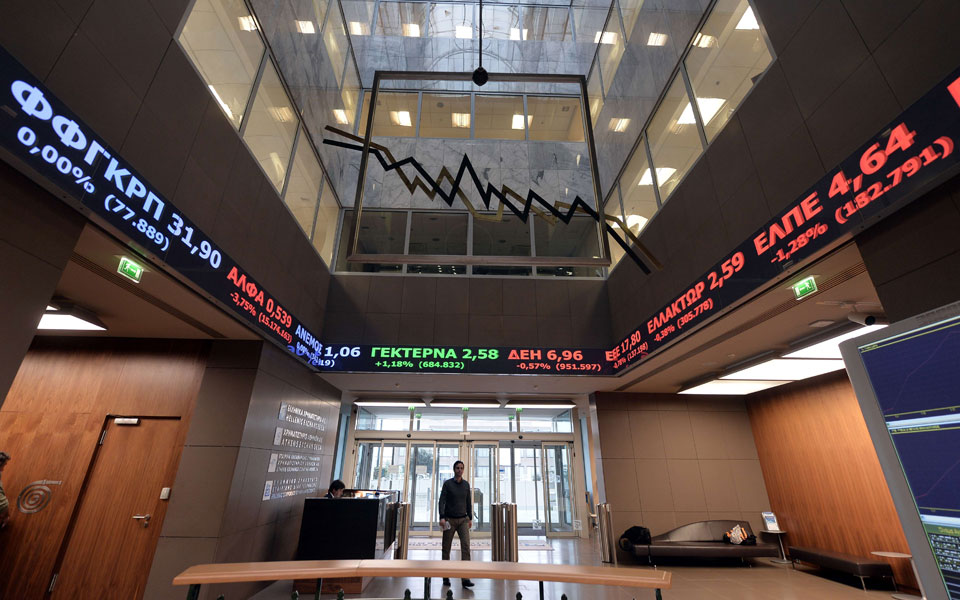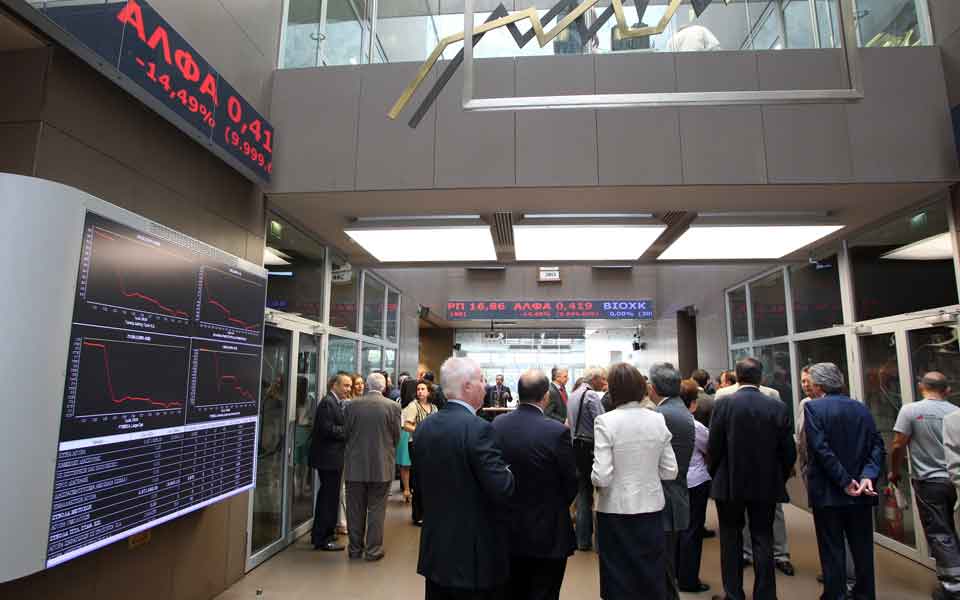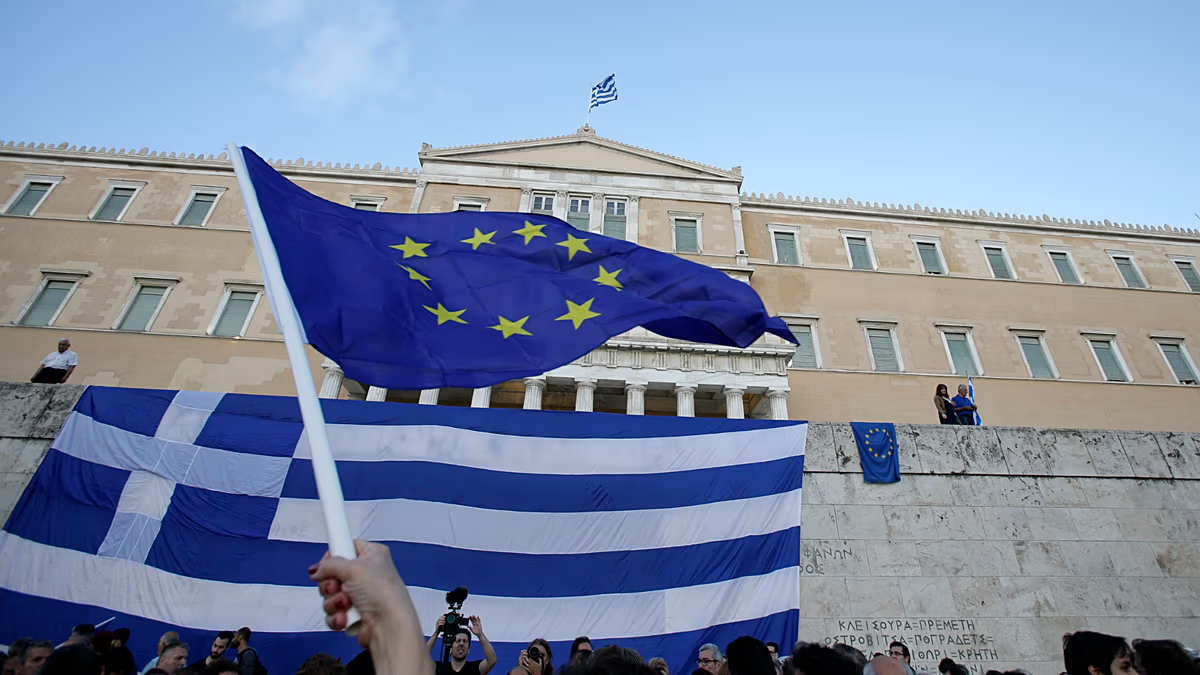
On the morning of 29 June 2015, Greeks woke up to find their banks closed.
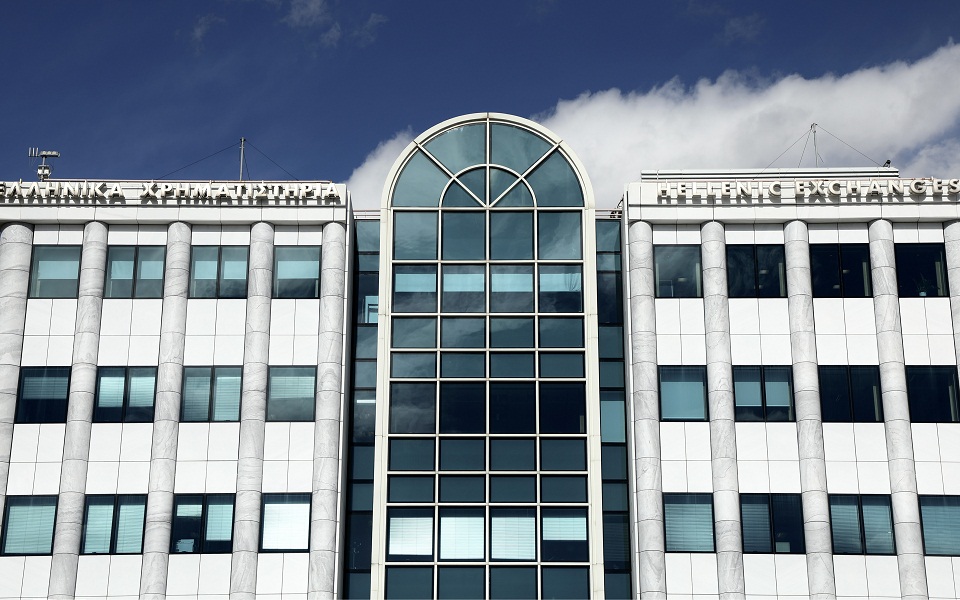
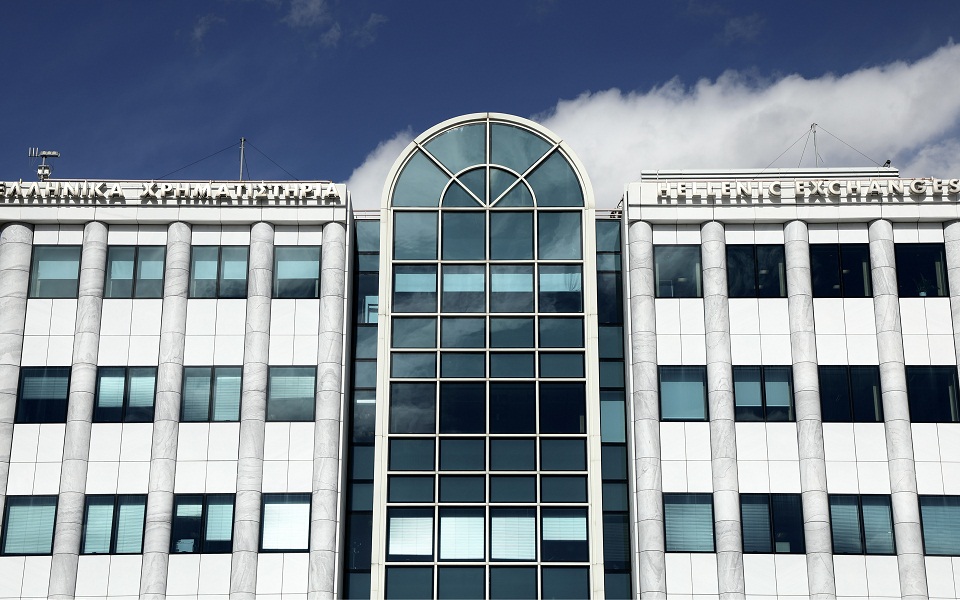
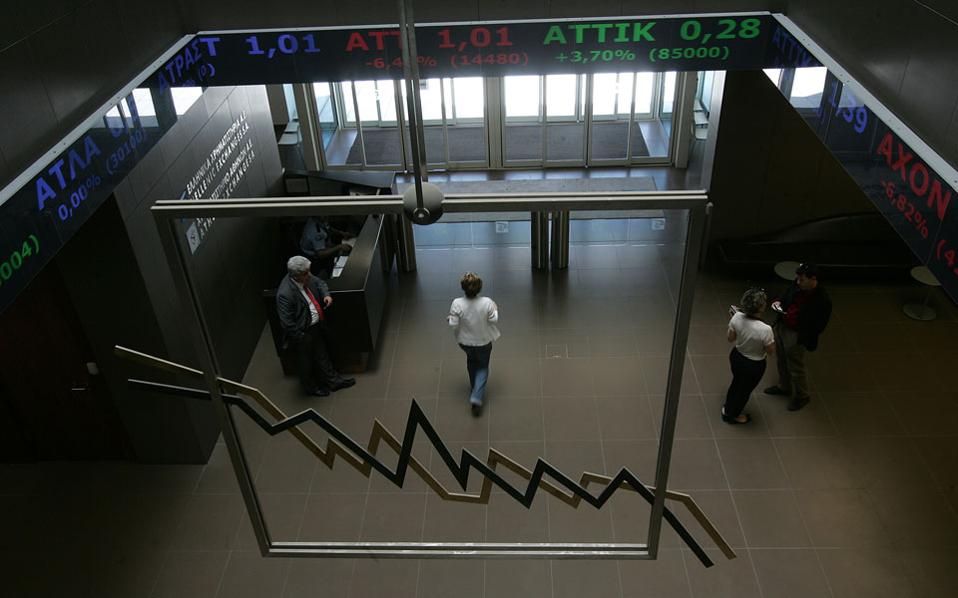
ATMs were limited to €60 a day. The Athens Stock Exchange did not open for trading.
Capital controls, the kind associated with crisis-era emerging markets rather than members of a developed-economy currency union, had arrived.
Five years earlier, in April and June 2010, Standard & Poor's and Moody's had cut Greek sovereign debt to junk, the first eurozone member to lose investment grade.
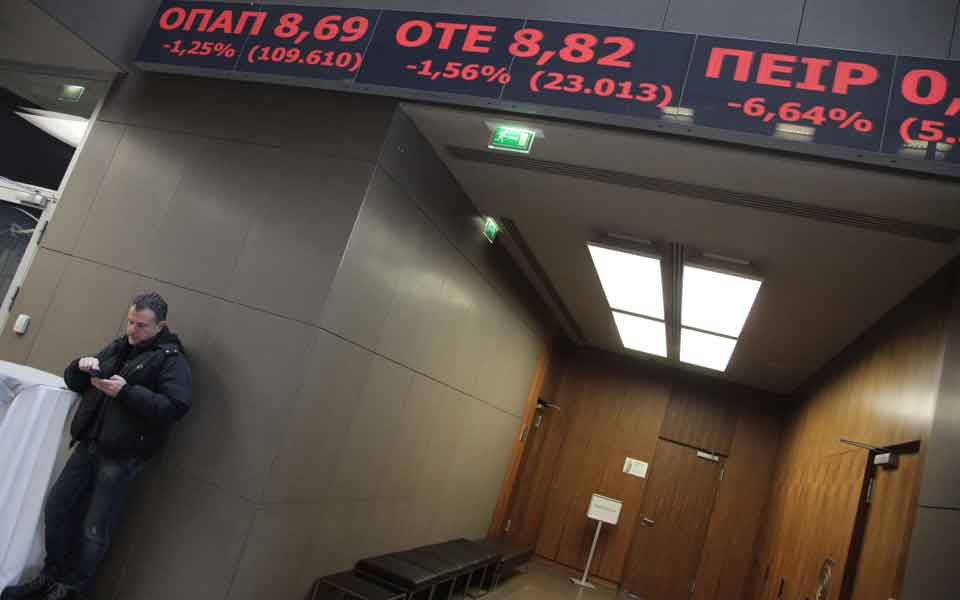
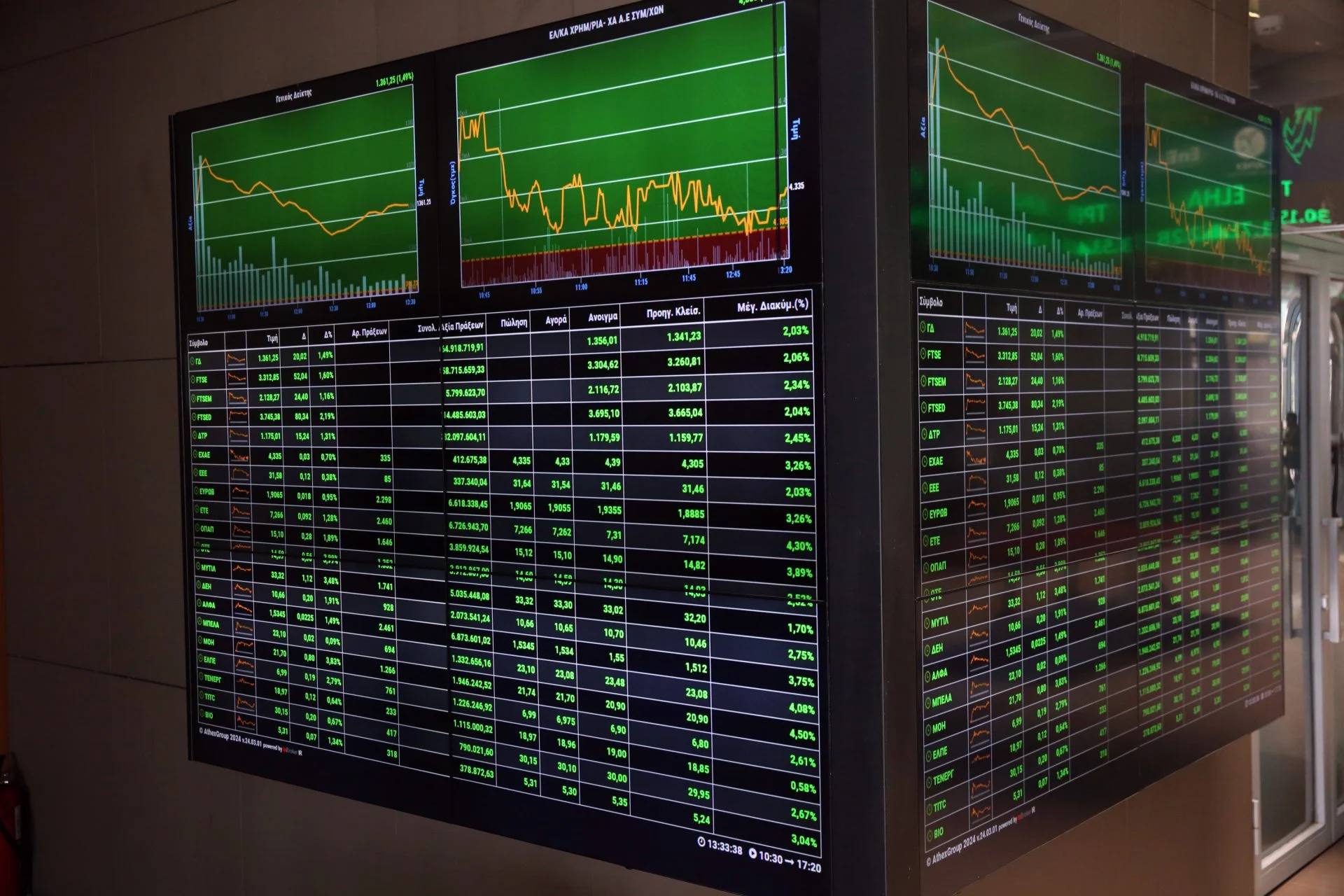
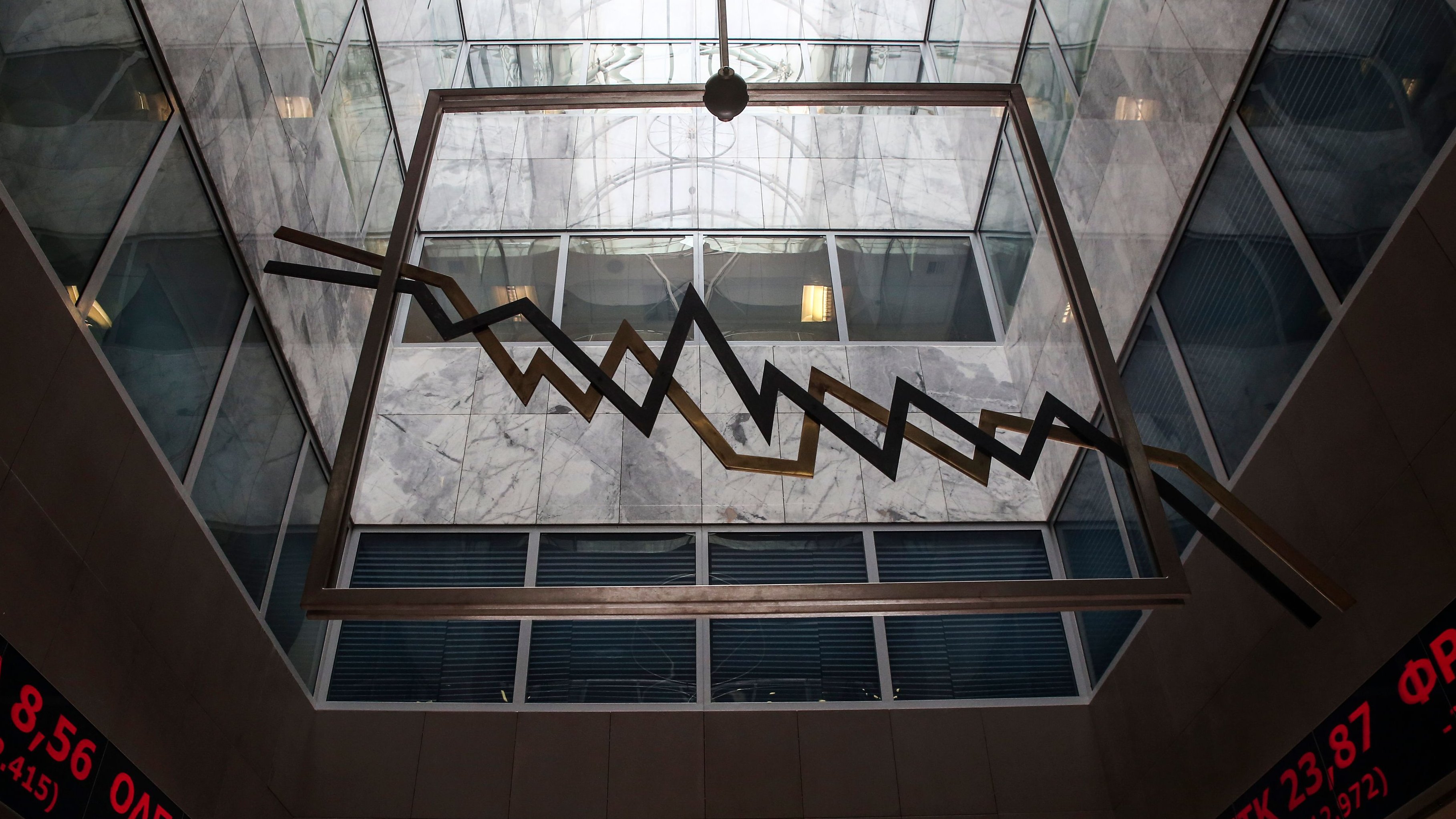
By February 2016 the Athex Composite had bottomed at 516.7 points, a fall of more than 90% from its October 2007 high of 5,334.5. The FTSE Athex Banks index, the country's lenders, had collapsed by 99.6%.