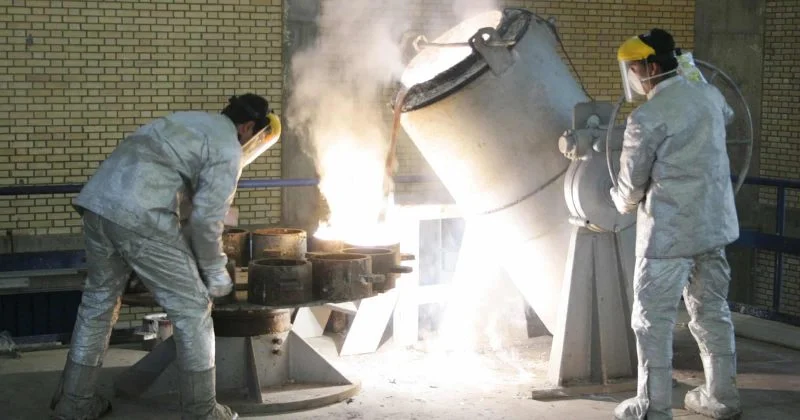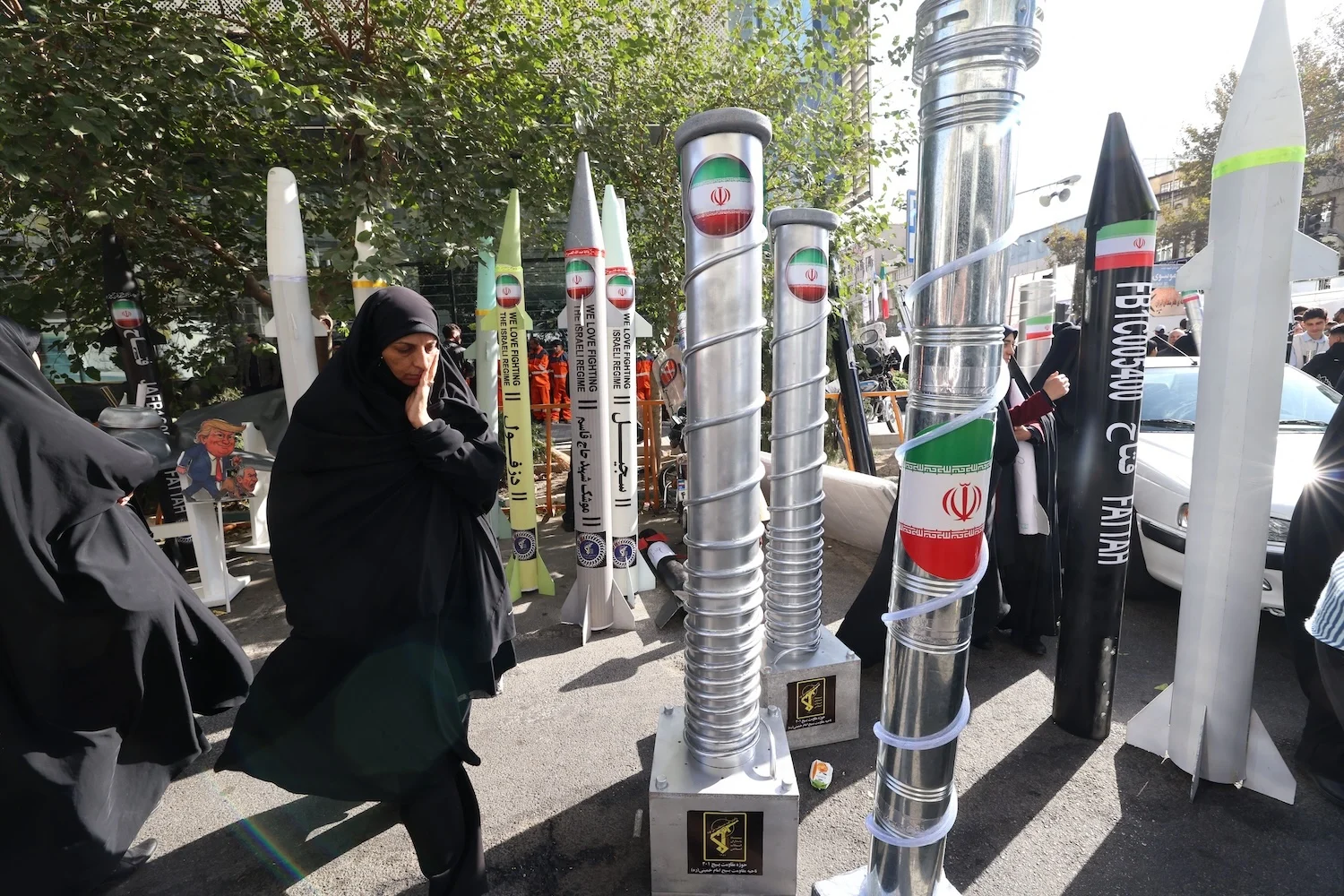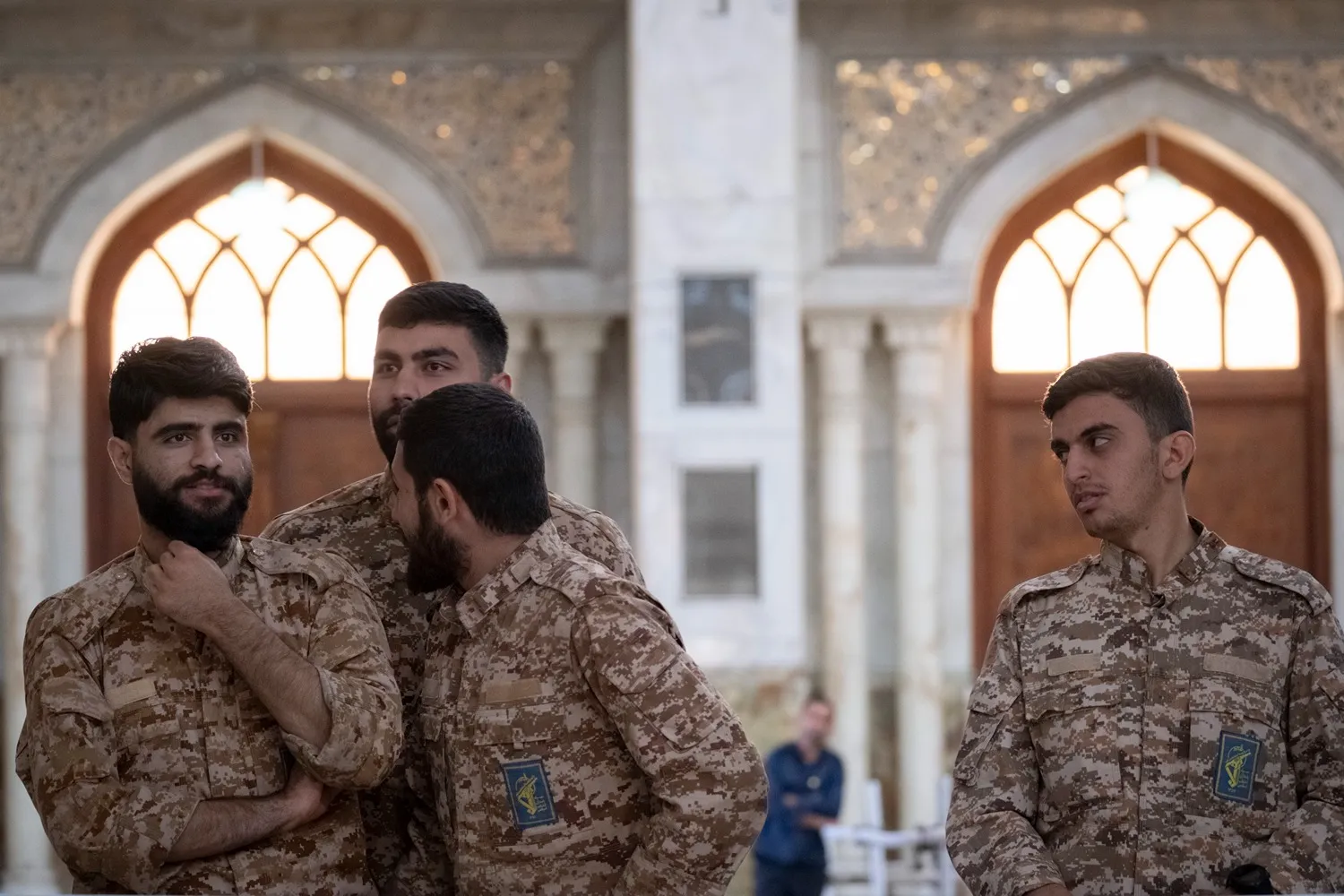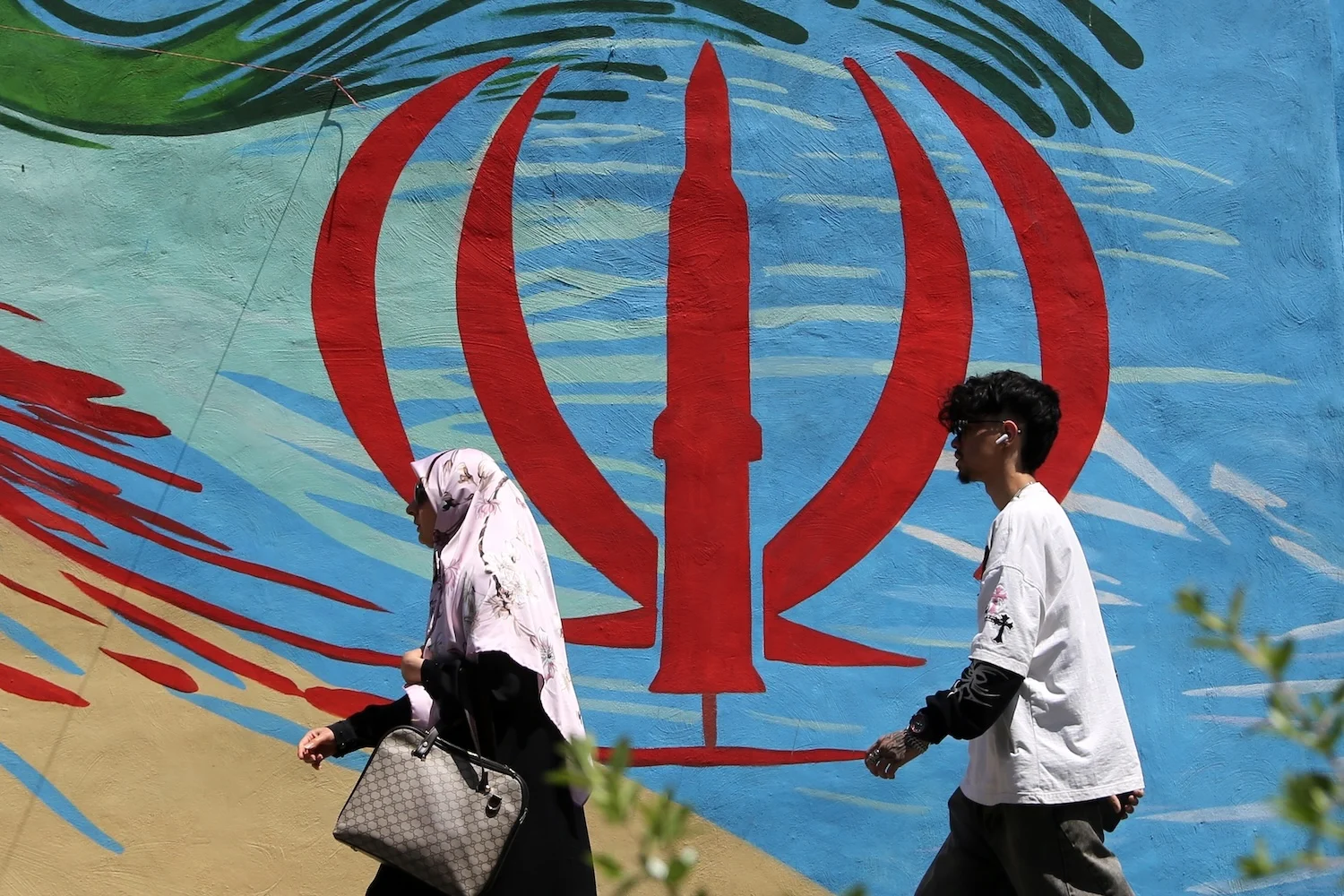
As a fragile cease-fire holds between the United States and Iran, negotiators remain deadlocked over the future of Tehran’s nuclear program. Both sides entered the talks convinced that they had prevailed in what Iranians now call the “third imposed war,” reducing incentives for compromise and reinforcing maximalist positions. All the while, the issue that has shaped U.S.-Iran relations for more than two decades—uranium enrichment on Iranian soil—remains intractable.
Operation Epic Fury, as the United States calls it, has not fundamentally altered Iran’s nuclear calculus. If anything, it has reinforced Tehran’s determination to preserve what it views as both a strategic asset and a symbol of its national sovereignty. This reality carries an uncomfortable implication for Washington: Demands for “zero enrichment” remain as unrealistic today as they were before the war. In fact, arguably they are more so, in that the war has reinforced Tehran’s negotiating baseline. Any future agreement will therefore have to focus not on the complete dismantlement of Iran’s enrichment capacity but on rigorously monitoring its nuclear program, enhancing transparency, and preventing weaponization.
As a fragile cease-fire holds between the United States and Iran, negotiators remain deadlocked over the future of Tehran’s nuclear program. Both sides entered the talks convinced that they had prevailed in what Iranians now call the “third imposed war,” reducing incentives for compromise and reinforcing maximalist positions. All the while, the issue that has shaped U.S.-Iran relations for more than two decades—uranium enrichment on Iranian soil—remains intractable.