The US has failed to bomb Iran into submission. Now, from the strait of Hormuz to nuclear concessions, Tehran senses its position strengthening
I
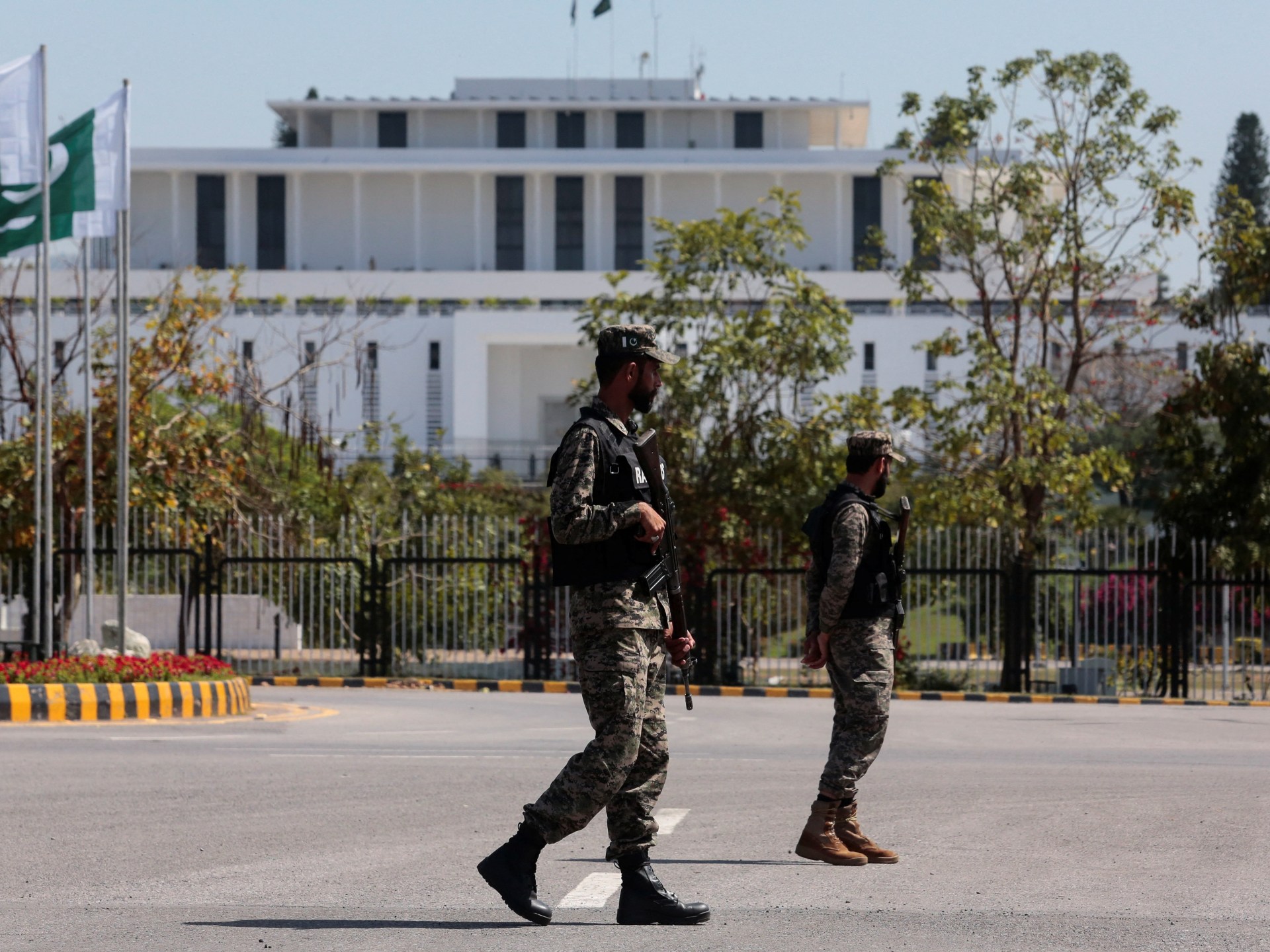
ran’s delegation to the first round of post-ceasefire talks with the US in Islamabad arrived on a plane named Minab 168 after the people – mostly young schoolgirls – killed in a US bombing early in the war. The name signalled both grievance and resolve, framing the talks as part of a conflict in which Tehran has already absorbed immense costs.
That framing helps explain how Iranian officials approached the talks and how they view the current impasse. Rather than negotiation from a position of weakness or urgency, they see diplomacy as an extension of a battle they believe they endured without losing their core advantages. With the ceasefire set to expire on Wednesday and no diplomatic breakthrough in sight, the risk of a return to war is sharply rising.
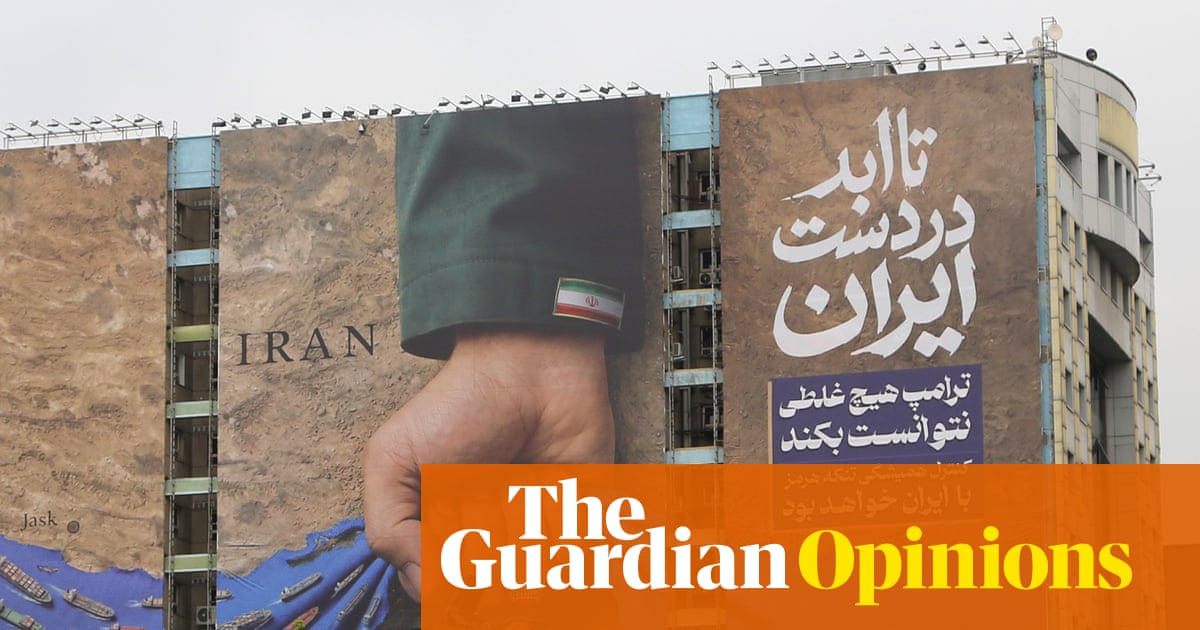
From the Iranian vantage point, military pressure did not break their position. Their main leverage remains: stockpiles of enriched uranium, the disruption of the strait of Hormuz and its global economic ramifications, and a wartime record of absorbing sustained US and Israeli strikes over more than 40 days while continuing to strike back across the region with missiles, drones, and allied forces in Iraq, Lebanon and Yemen.