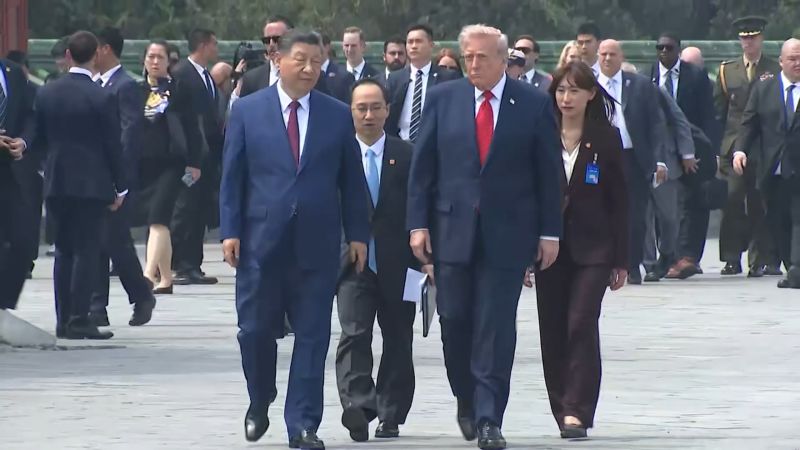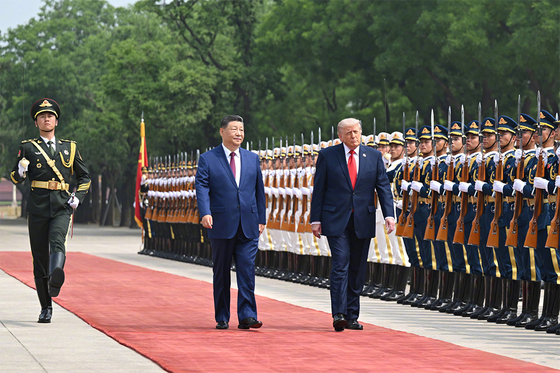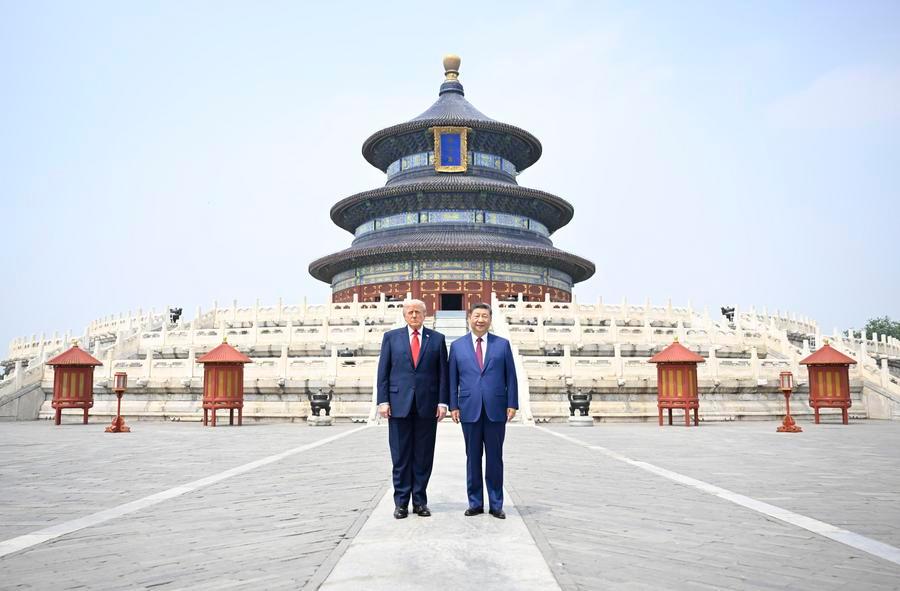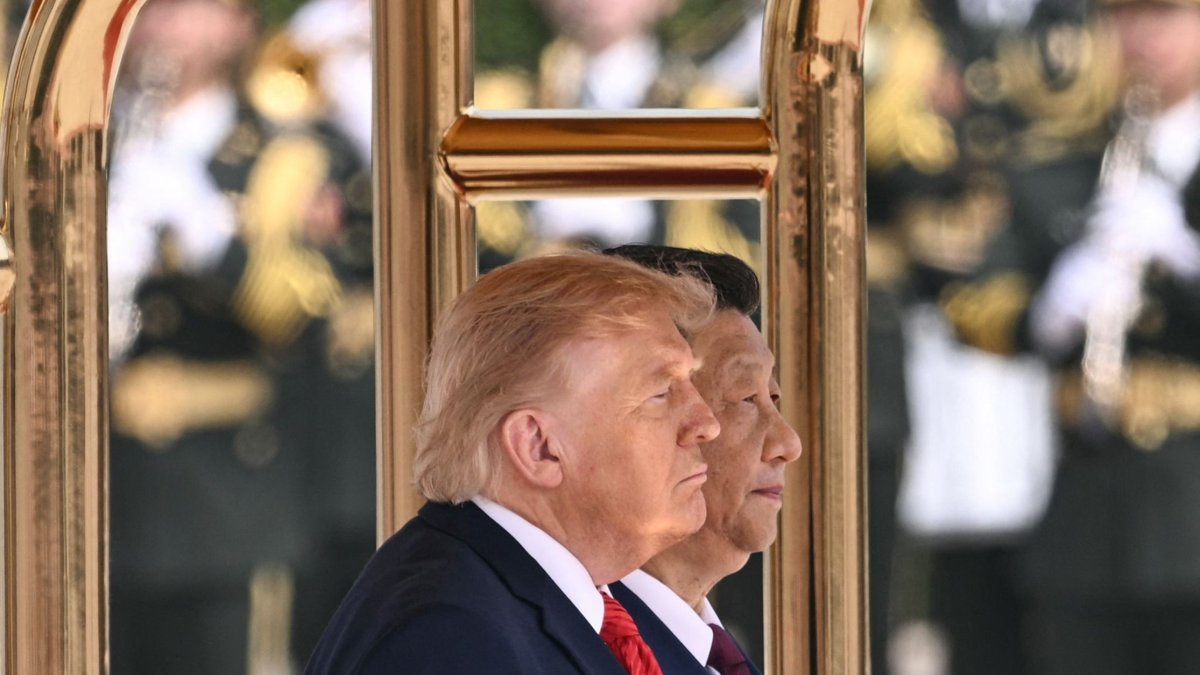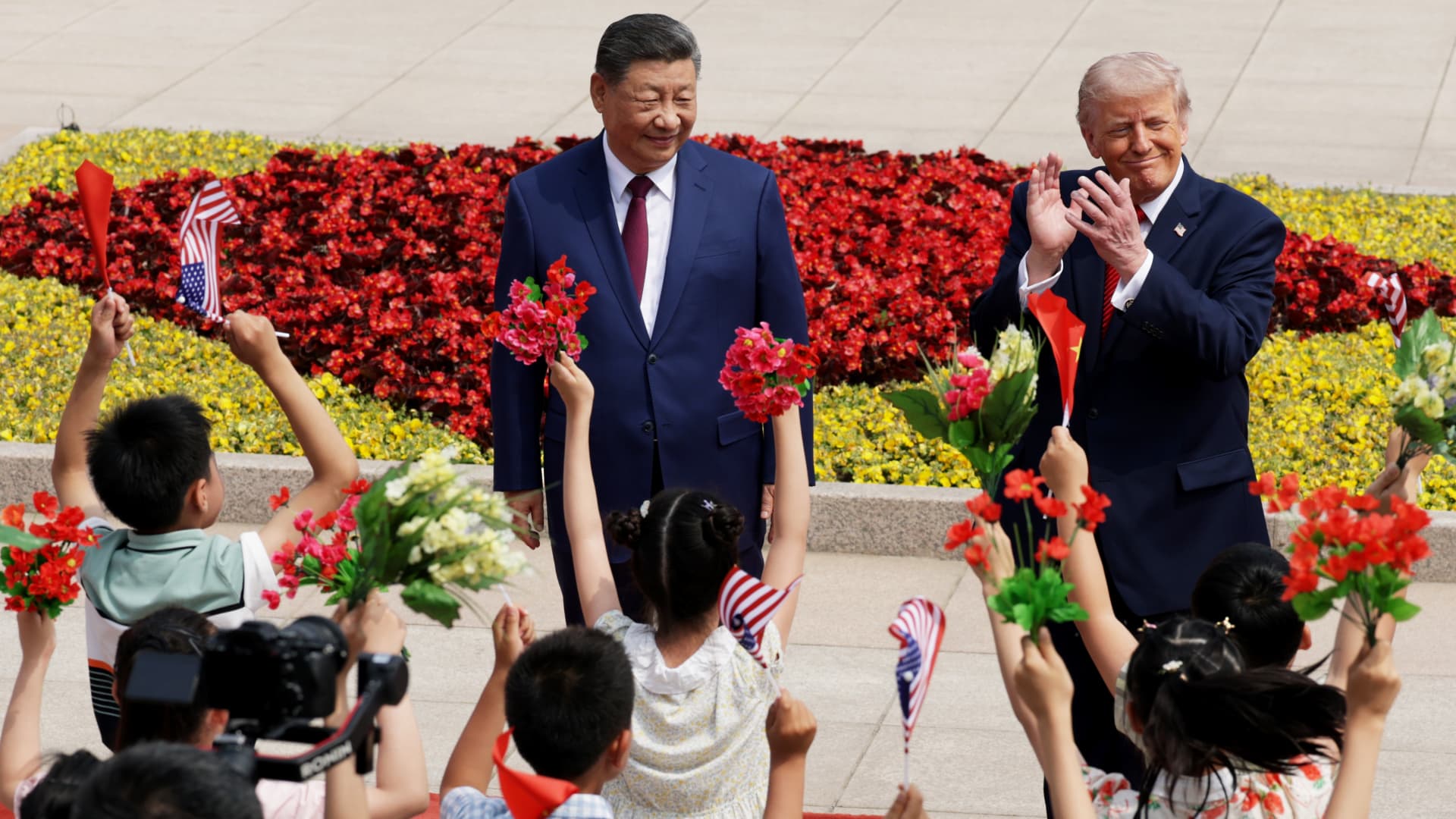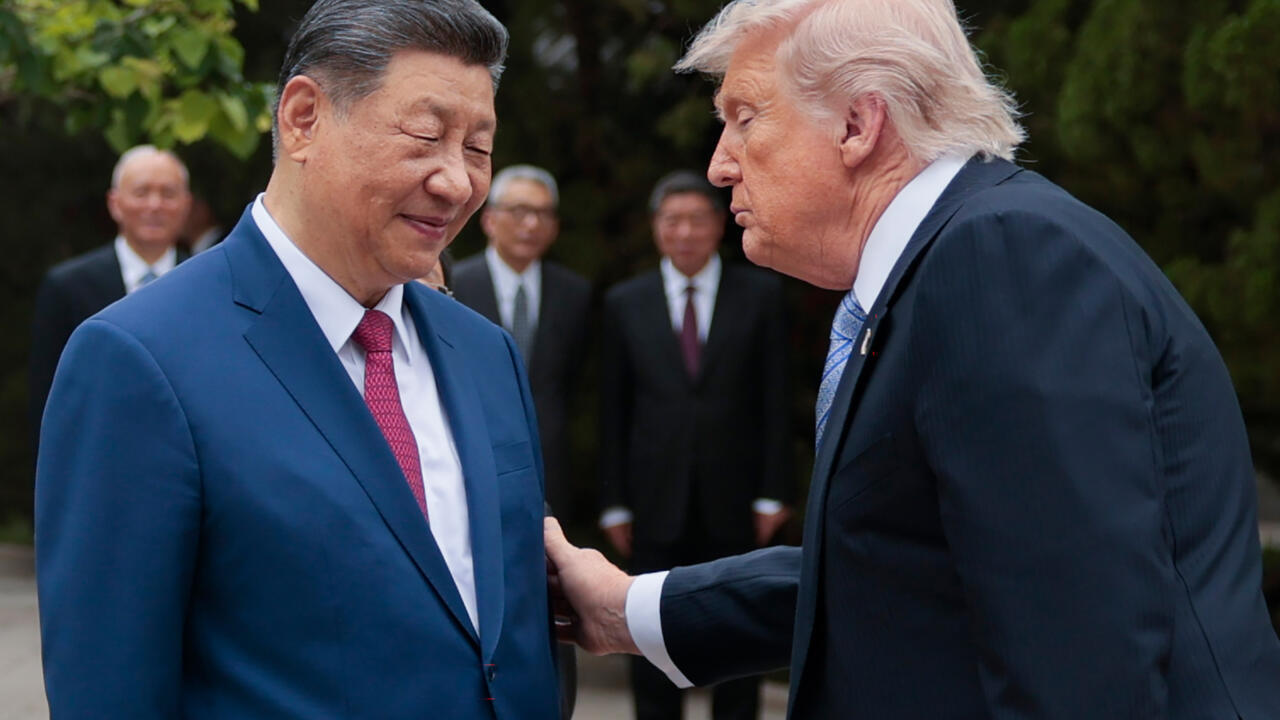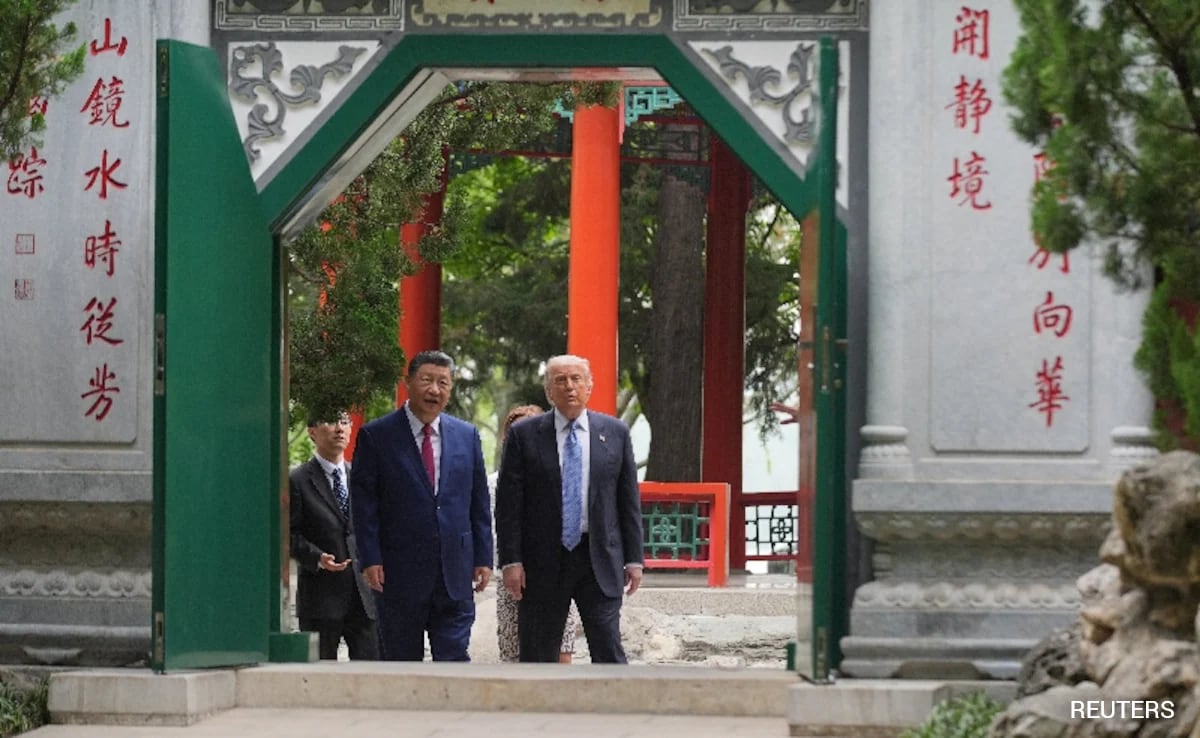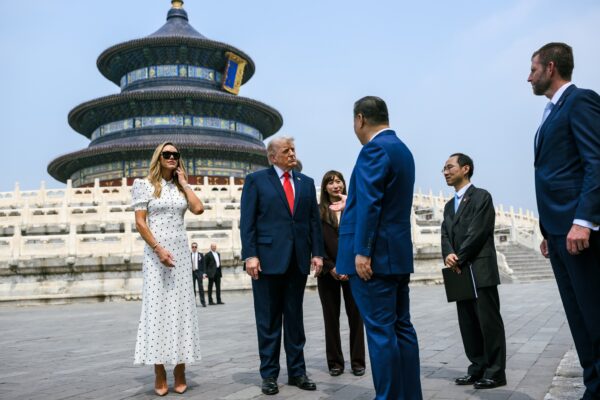
On May 14, China’s top leader Xi Jinping took U.S. President Donald Trump to the Temple of Heaven in Beijing, where the two posed for a photo standing before the Hall of Prayer for Good Harvests. English reports treated the visit to the Temple of Heaven as a mere formality between talks – the phrase “followed by a visit to the Temple of Heaven” was often sandwiched between Xi’s warning on Taiwan and soybean trade issues.
However, if we compare the venues chosen for each U.S. president’s visit to China, we will see that the diplomatic settings arranged by China are an exhibition of Beijing’s discourse on the source of its legitimacy and signals for its policy tendency.
This history dates back to Richard Nixon’s visit to China in 1972. Although Nixon visited Beijing, Hangzhou, and Shanghai, the formal reception took place in Beijing. The state banquet and talks were centered around the Great Hall of the People, a building built in 1959. It was purposefully designed to negate the imperial legacy, with a name incorporating “the people” and architecture emphasizing revolutionary modernity – grand, symmetrical, and de-decorated. After the banquet, Nixon was arranged to watch the revolutionary ballet, “The Red Detachment of Women.” The message from Beijing was clear: we are a new regime breaking with the past, our legitimacy derived from revolution.