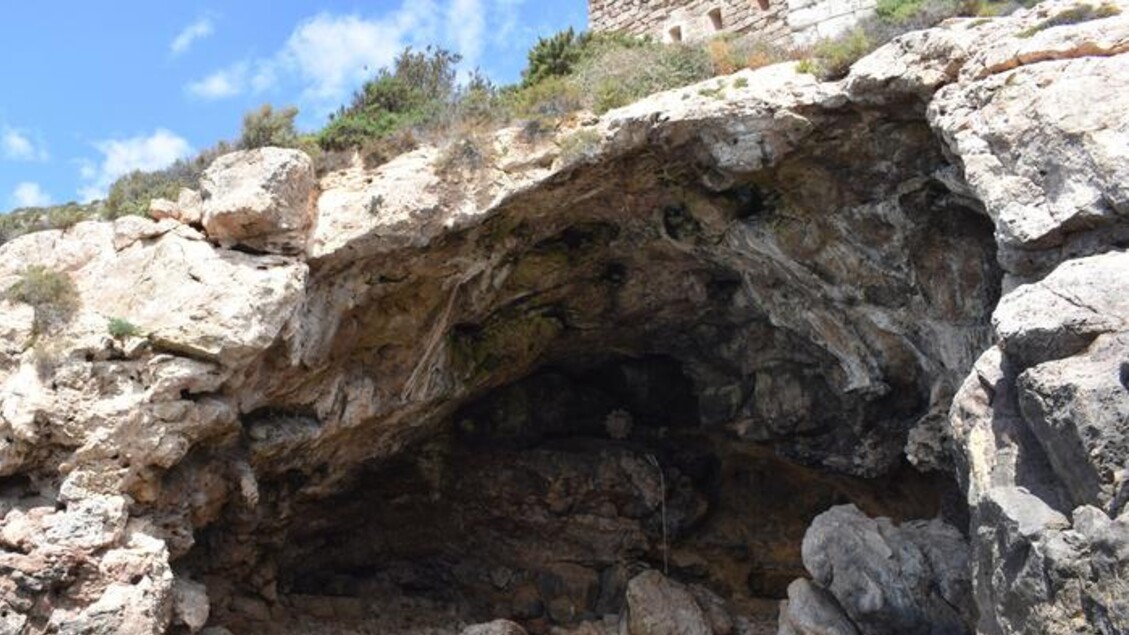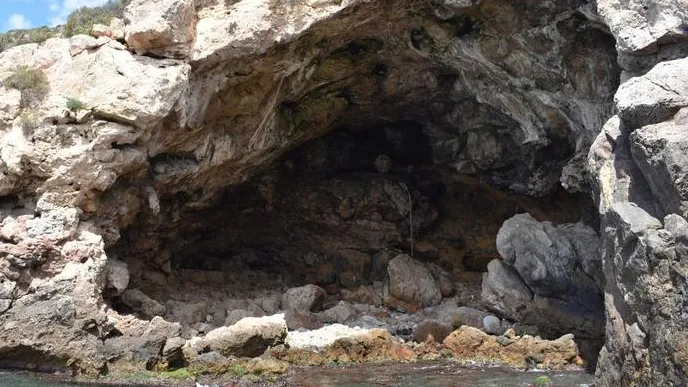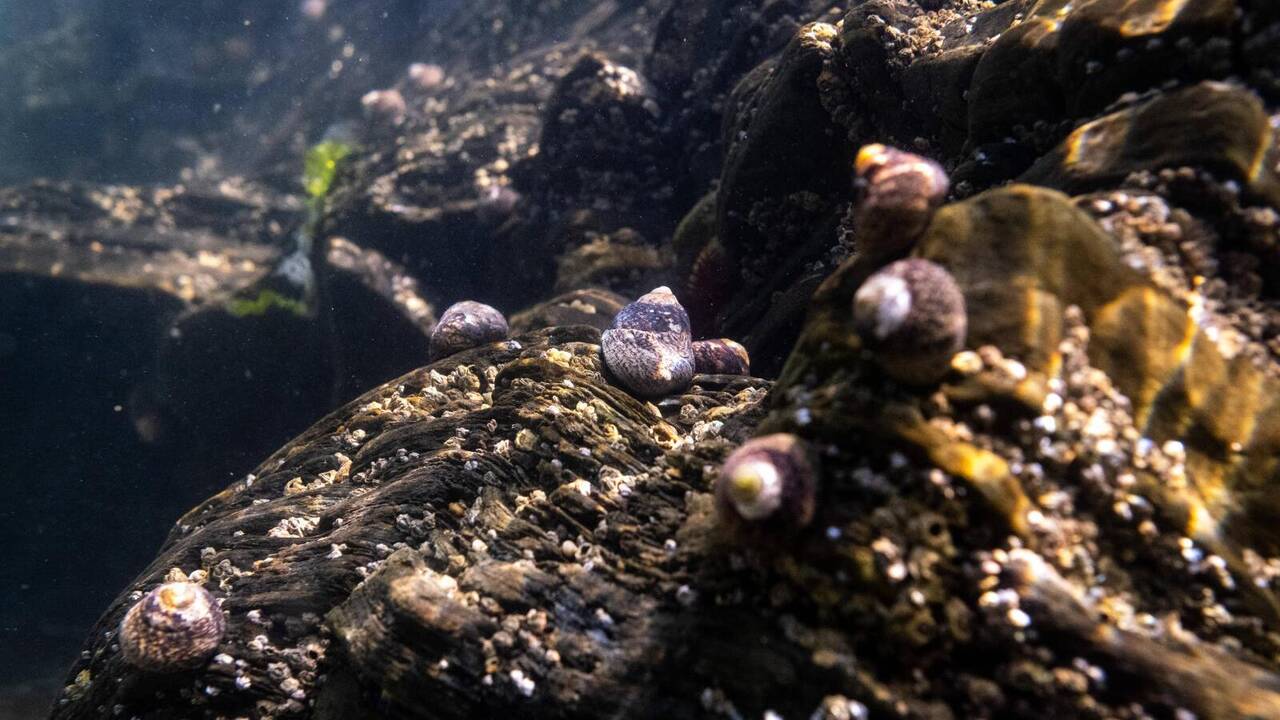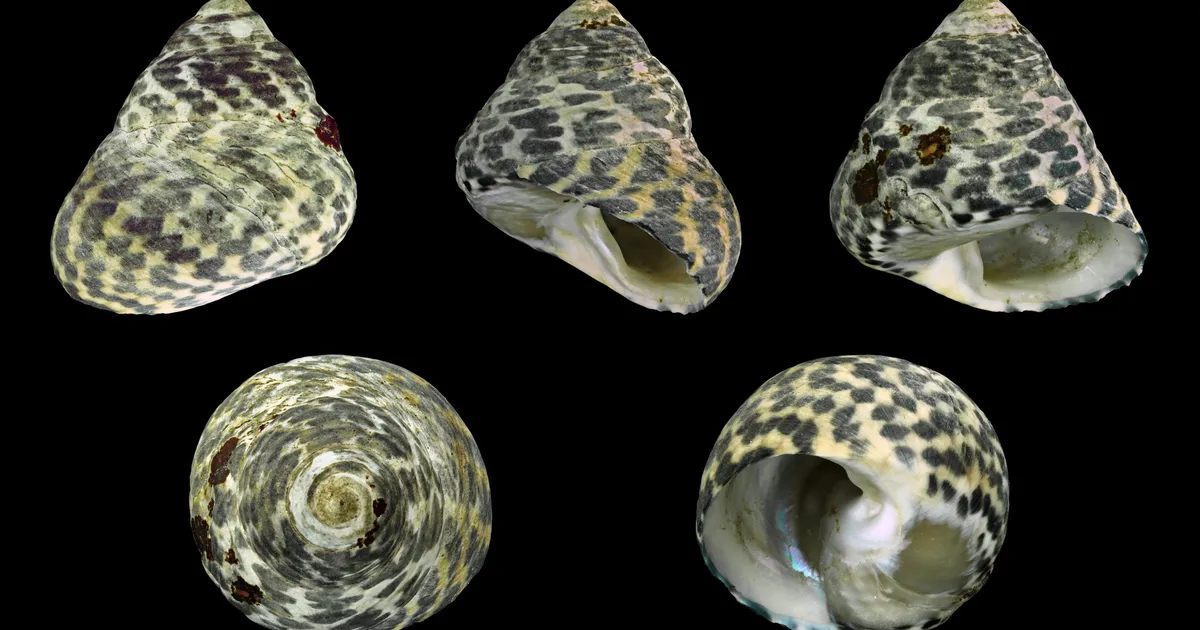
Current sectionArchaeologyWe knew Neanderthals ate seafood if they had to. Now seasonality in marine exploitation has been identified in coastal hominins, and the question is whyShare to FacebookShare to XArticle printing is available to subscribers onlyPrint in a simple, ad-free formatSubscribeComments: Zen reading is available to subscribers onlyAd-free and in a comfortable reading formatSubscribeTop snails Credit: H. Zell/Wikimedia CommonsTop snails Credit: H. Zell/Wikimedia Commons10:00 PM • May 18 2026 IDTDislodge the snail from its rock. Remove from shell. Eat. That is the recipe. Raw seafood is all the rage but mollusks are rarely consumed au naturel, possibly less because they're slimy and more because they are filter feeders who process vast amounts of seawater. As their filters pluck plankton and other micro-yummies from the water, the mollusks "bio-accumulate" toxins from the crap we pour into the oceans. If we eat them raw, we run the risk of food poisoning. Cooking doesn't remove heavy metals but can reduce the risk of death from microbes, such as Vibrio or norovirus, that the shellfish may also harbor.Does that mean the ancient hominins supping on seafood on the seashore tens and hundreds of thousands of years ago were risking their lives? Because clearly, Neanderthals were harvesting seashells on the beaches of southern Europe 115,000 years ago, according to Asier García-Escárzaga and colleagues writing Monday in the Proceedings of the National Academy of Sciences.They weren't the first Neanderthals we have heard of to eat seafood. Various studies have shown that Neanderthals in general were perfectly able to exploit the sea for food, but it's been suggested they did so chiefly when terrestrial animals were scarce. Given their druthers, Neanderthals apparently preferred red meat.Phorcus turbinatus, aka the top snail - a baby! Credit: Holger Krisp/Wikimedia CommonsPhorcus turbinatus, aka the top snail - a baby! Credit: Holger Krisp/Wikimedia CommonsNow the new paper identifies seasonality in the Neanderthals' seashell harvesting in Spain, supporting the theory that they fished when land animals were relatively scarce.From where did the Neanderthals occupying the Los Aviones Cave in the Iberian Peninsula collect their shells? From the rocks to which the mussels adhered in the intertidal zone, between low and high tide, García-Escárzaga and the team deduce.How did they infer that the shell harvest was seasonal? Actually, the Neanderthals fished for shellfish year-round, the team says, but 78 percent of the Phorcus turbinatus shells (aka top snails) and 60 percent of the Patella ferruginea limpets the Neanderthals dislodged from their rocks were harvested in winter, between November and April.Both the top snails and limpets are considered to be shellfish, to be clear. Believe it or not, the ferruginous limpet (otherwise known as the ribbed Mediterranean limpet) has something in common with the cheetah and the orangutan – it is acutely endangered. It's on the verge of extinction along the coasts of Spain and is increasingly uncommon elsewhere around the Mediterranean, where it once thrived.Los Aviones Cave in Cartagena, Spain. Credit: Asier Garca-EscrzagaLos Aviones Cave in Cartagena, Spain. Credit: Asier Garca-EscrzagaWhy is this intertidal mollusk in mortal danger? Because it is large as limpets go, hence worth some effort to pick up and pry open; and we still harvest the poor animals to eat and are destroying their habitats to boot, according to a 2024 article in Marine Science and Engineering. Soon this sea creature enjoyed by different human species could be no more.Recipe for troubleOkay. Neanderthals ate them, we eat them. How did the team deduce that the Neanderthals fished for snails and limpets chiefly in cold months? By analyzing the oxygen isotopes in the shells, which preserve information about seawater temperature during the animals' lifespan, the team explains.The bottom line is that the researchers could nail down the season of their death. Most passed on in winter. Why might Neanderthals have been harvesting the shells chiefly in winter, when the water is more unpleasant, than in summer?We don't know. The authors suggest a few possibilities, one being that they summered somewhere else. Perhaps their terrestrial prey, such as deer, were scarcer in winter, or otherwise harder to obtain, so the hungry Neanderthals had to harvest and eat shellfish for protein. Maybe cone shells taste better in winter. Also, maybe they pried the sessile shells off rocks in low-tide ankle-deep water so the cold water wasn't too deterring.Limpet shells. Credit: France's National Museum of Natural HistoryLimpet shells. Credit: France's National Museum of Natural HistoryYet another possibility is that they learned that eating shellfish in summer is a recipe for regret.Vibrio for example, which has a flesh-eating variant, is believed to be an extremely ancient lineage of marine bacteria, going back to the Ediacaran around 600 million years ago. It does and did thrive in warm coastal water. Our filter-feeding shell-meals living on intertidal rocks accrue and accrue and accrue bacteria in their filters.It is true that today's shellfish likely accrue more Vibrio than their prehistoric predecessors, because these bacteria adore the warming sea and proliferate madly as global warming bites down. Likely the Neanderthals likely didn't run the same risk as we do from a raw clam, but they ran some and would run more in summer. Possibly though the risk wasn't bad enough to turn them clammy on summer shellfish entirely – or they cooked them.We know Neanderthals in general had command of fire well before these specific ones were clamming and snailing in the shallows of Los Aviones. Separate work suggests that ancient humans learned that cooked food is not only more digestible but lasts longer, especially if smoked.In any case, the authors suggest that seasonally harvesting shells in winter bears a resemblance to latter-day resource planning and risk-management strategies by modern humans. Strategy is defined as "a high-level plan or integrated set of choices" to achieve a long-term goal, such as surviving the dearth of winter.The underside of an adult ferruginous limpet. Credit: Javier GuallartThe underside of an adult ferruginous limpet. Credit: Javier GuallartIs harvesting snails when deer disappear, or simply eating what there is to eat? Either way works. Separate work reported in 2020 revealed Neanderthals diving for clams off the shore of Italy about 106,000 to 74,000 years ago, not in the intertidal zone but in about four meters of water. But they weren't clamming for food, those researchers concluded: They wanted the specific shells of the beautiful Callista chione clam to make scrapers.Yet another study from 2011 reported on shellfish exploitation by Neanderthals in Bajondillo Cave, Spain, around 150,000 years ago. In that cave, the researchers also identified bones of aurochs, an extinct bovine; red deer, a favorite of prehistoric people everywhere bigger animals had gone extinct; wild goat – when you have to; and rabbit. And nine species of edible marine life, including snails, which the team believes the Neanderthals collected from exposed rocks on the beach during low tide.The bottom line is that after all, the reason for winter collection may not have been fear of summer bugs. Some shells found in Bajondillo bear marks of charring. They were cooked. "Thermo-alterations suggest consumption rather than passive burning, given that in most cases only the outer portions of the shells appear carbonized and/or flaked," that team wrote. They add that clearly the shells were not grilled accidentally while roasting somebody else, such as a deer. We don't know if the Neanderthals of Los Aviones Cave cooked, but we can guess they did.Or, there could be another impetus behind the cold-weather harvest. "In both species, peak gonadal development occurs during the colder months, time periods that also correspond to more intensive Neanderthal exploitation," the team writes.Aha. Do the gonads taste nice? Sensorial appreciation is inherently subjective, as well as being socially shaped and archaeologically inaccessible, the team notes. But we can say that the snails beef up, adding about 25 percent in weight. Also, studies of modern societies show some foragers are aware of seasonal changes in mollusks.So what have we? Neanderthals could cook, but we knew that; some roasted their seafood, rendering it not only tastier but safer. It isn't clear that the ones living in Los Aviones did, but it's plausible. How much bang they got for their sea-buck is debatable; fact is that snails are high in protein but low in fat, and overindulgence will just give one not only bacteria but protein poisoning.We just add that as the Middle Paleolithic wore on, over at Bajondillo, the Neanderthals seem to have collected proportionally less shellfish over time, a decline observable to archaeologists. Their occupation of the cave didn't diminish, but their marine harvests did.Why? Predatory pressure leading to local extinction? Yuck factor after all?No, the team suggests – it was distance threshold. The reason they posit for the decline in mollusk exploitation was the increasing distance of the cave to the coast, from about 2.5 kilometers to 8, and there is a limit to how much even the most devoted of Neanderthal family providers would be willing to haul the slimy little things. You could cook them back at the cave but before one got there, they'd start to turn.In the NewsIsraeli Day Trip: The Ancient Mound Where Philistines and Crusaders Cross Paths'We Know What It Wasn't': Strange Tunnel Exposed in Jerusalem Near Ramat RahelThe First Dentist: How a Single Tooth Changes What We Thought About NeanderthalsFar-right Minister Picks 'Jewish Values' NGO Head to Lead Antiquities AuthorityAncient Sex: Homo Erectus Interbred With Denisovans in China 400,000 Years AgoRemembering and rebuilding two years laterICYMIHundreds Protest at New York Times HQ Over Column Alleging Abuse by IsraelisStarlink Users, Beware – Israeli Tech Can Reveal Your IdentityEverybody Loses in the Cynical Israeli-Palestinian Sexual Violence CompetitionWelcome to the Most Shameful Day in the Jewish CalendarIsraeli Teens Storm Muslim Quarter in Old City, Haaretz Reporter AttackedIsrael Attacks New York Times for Report on Sexual Violence by Israeli Forces
Neanderthals seasonally ate snails on the seashore of Spain 115,000 years ago
We Knew Neanderthals Ate Seafood if They Had To. Now Seasonality in Marine Exploitation Has Been Identified in Coastal Hominins, and the Question Is Why
1,629 words~7 min read