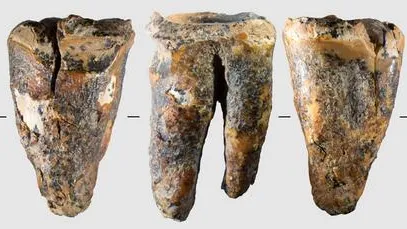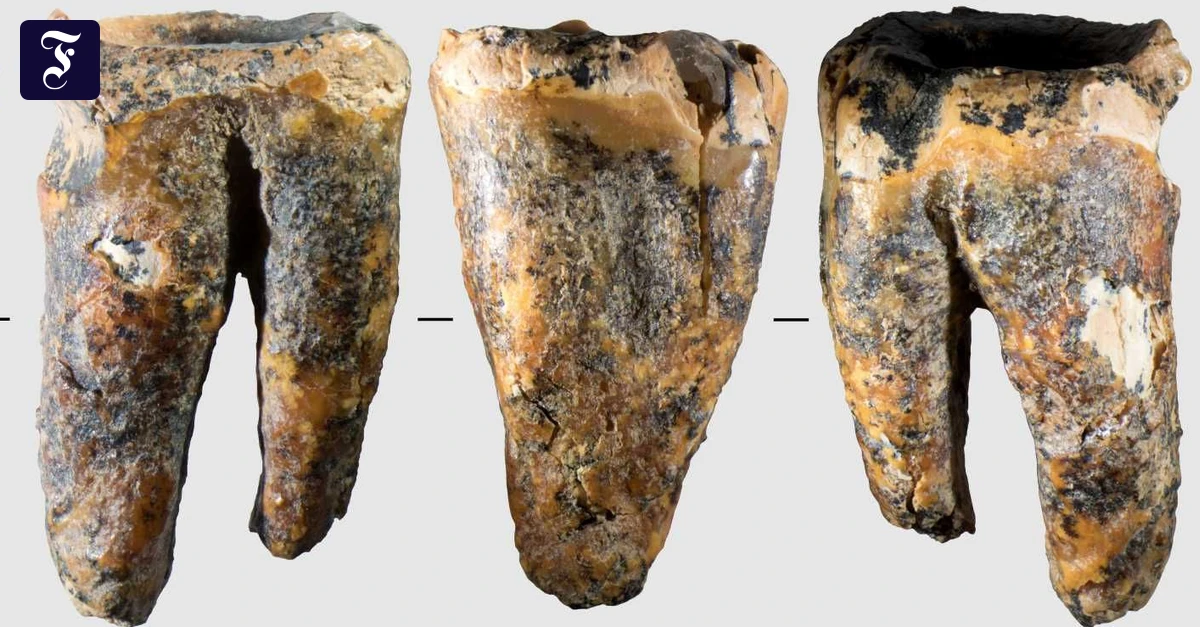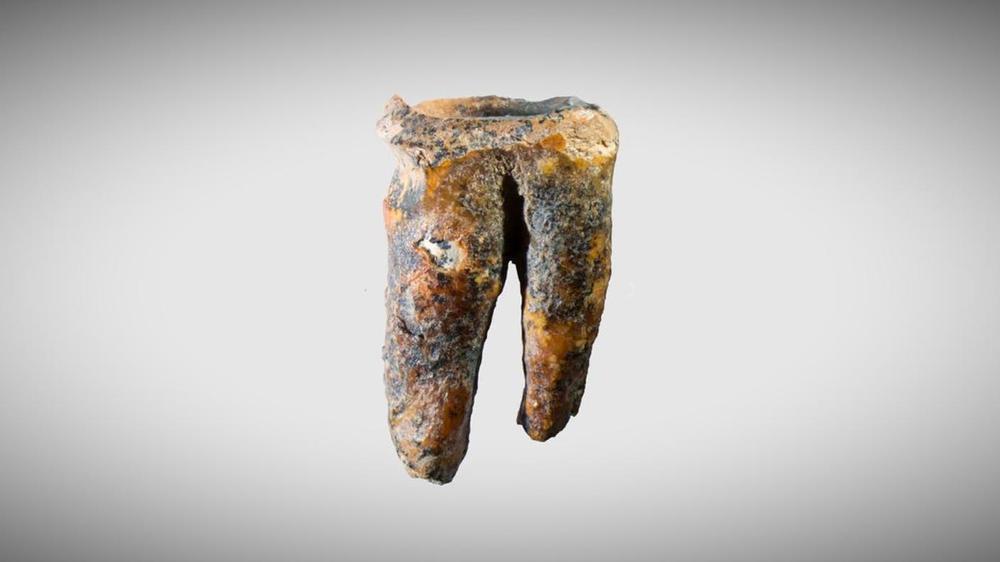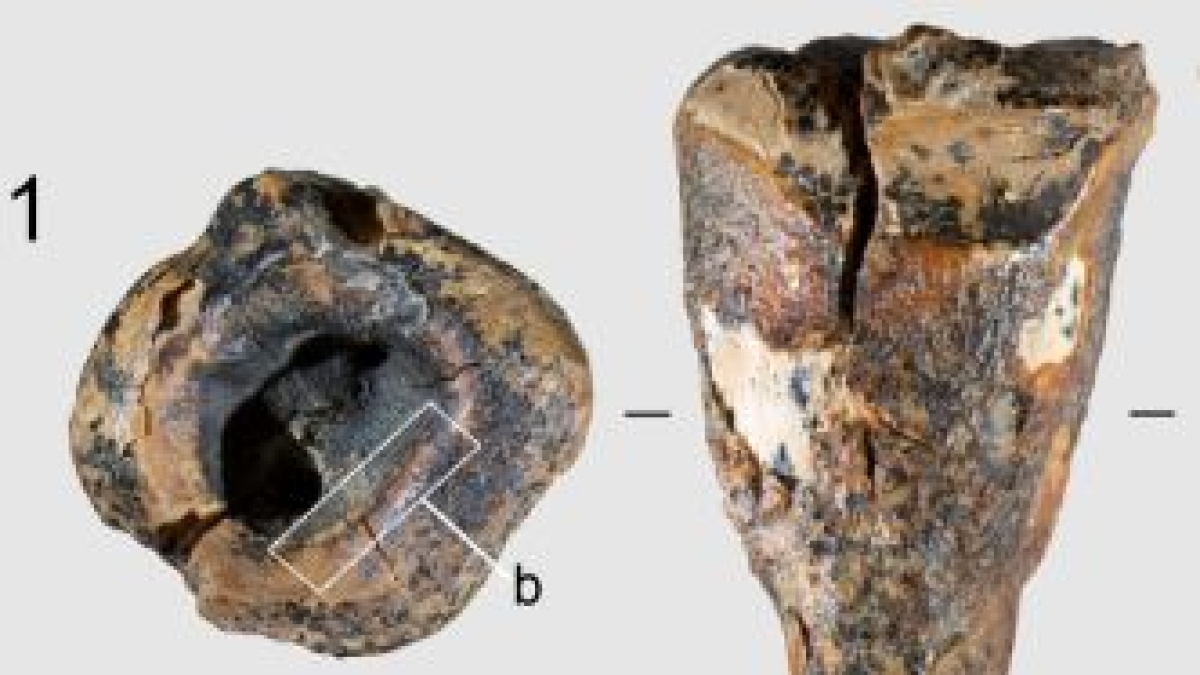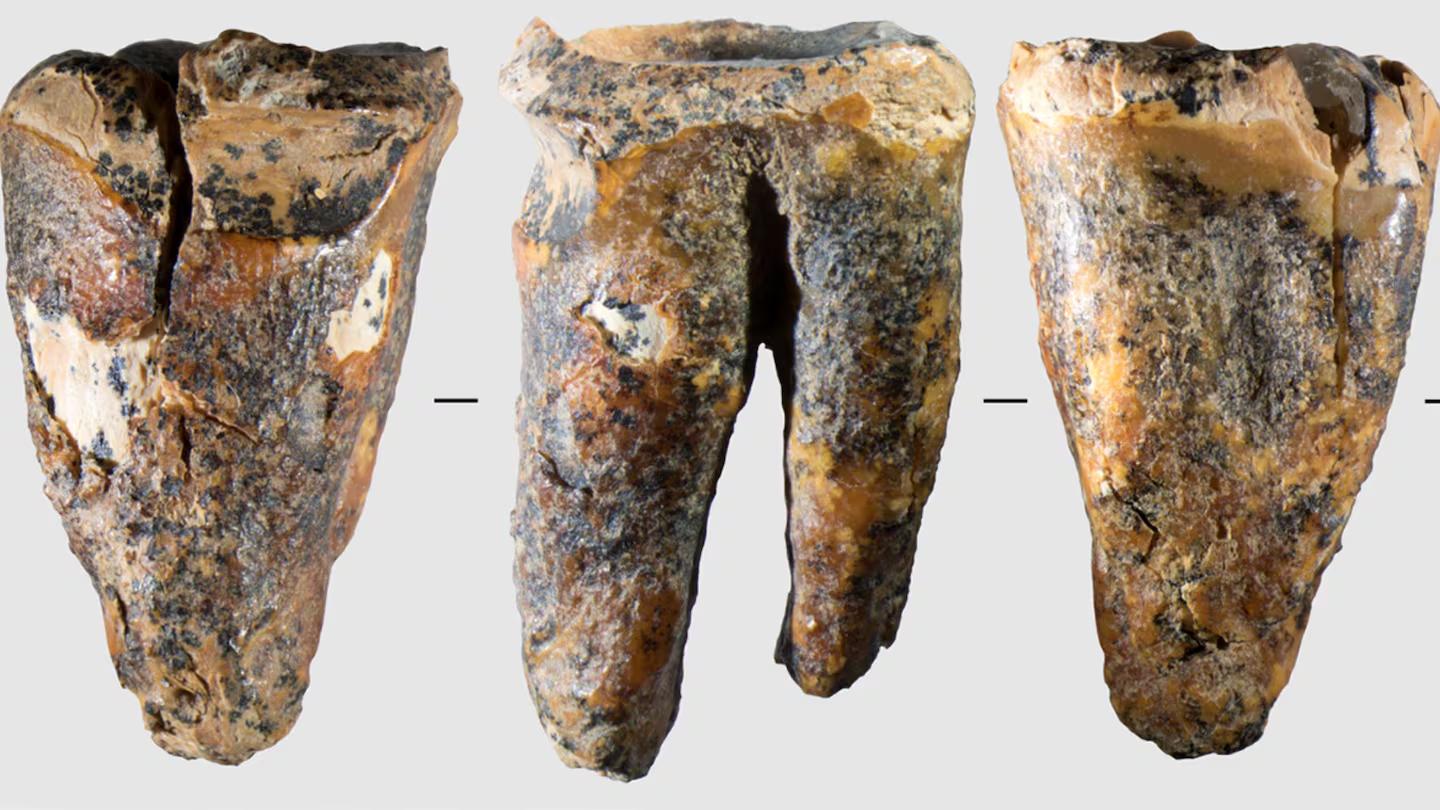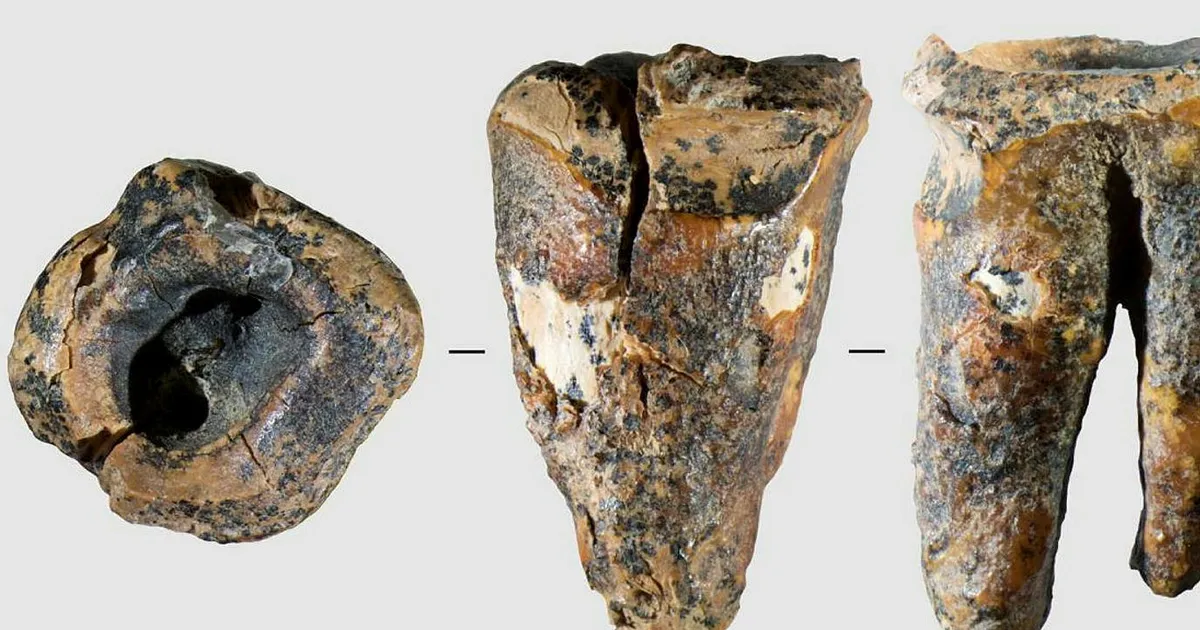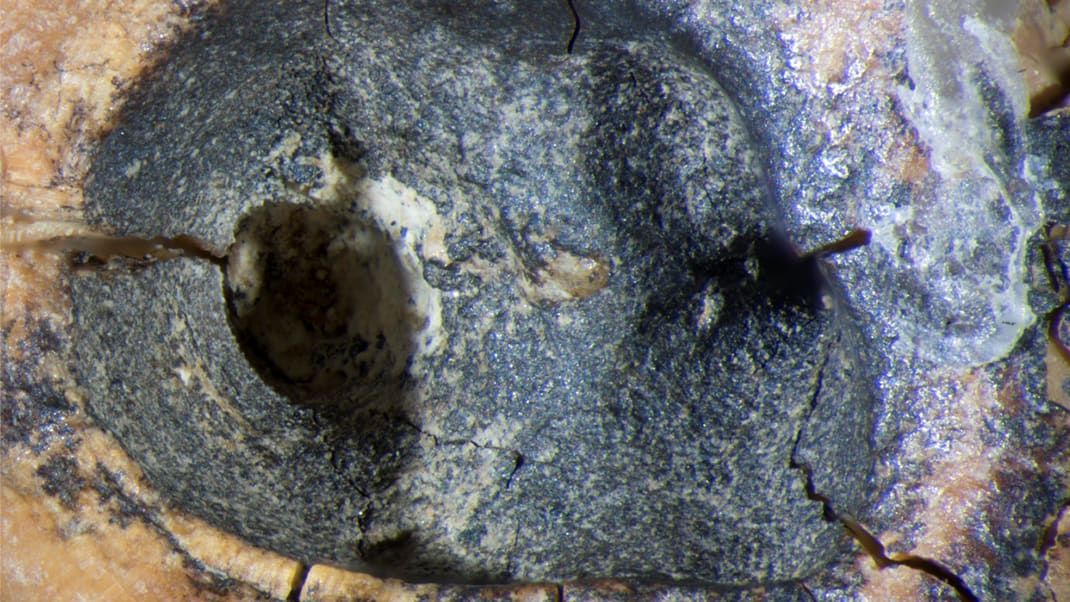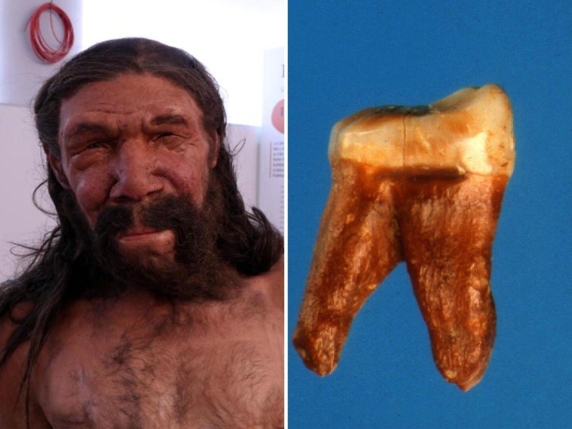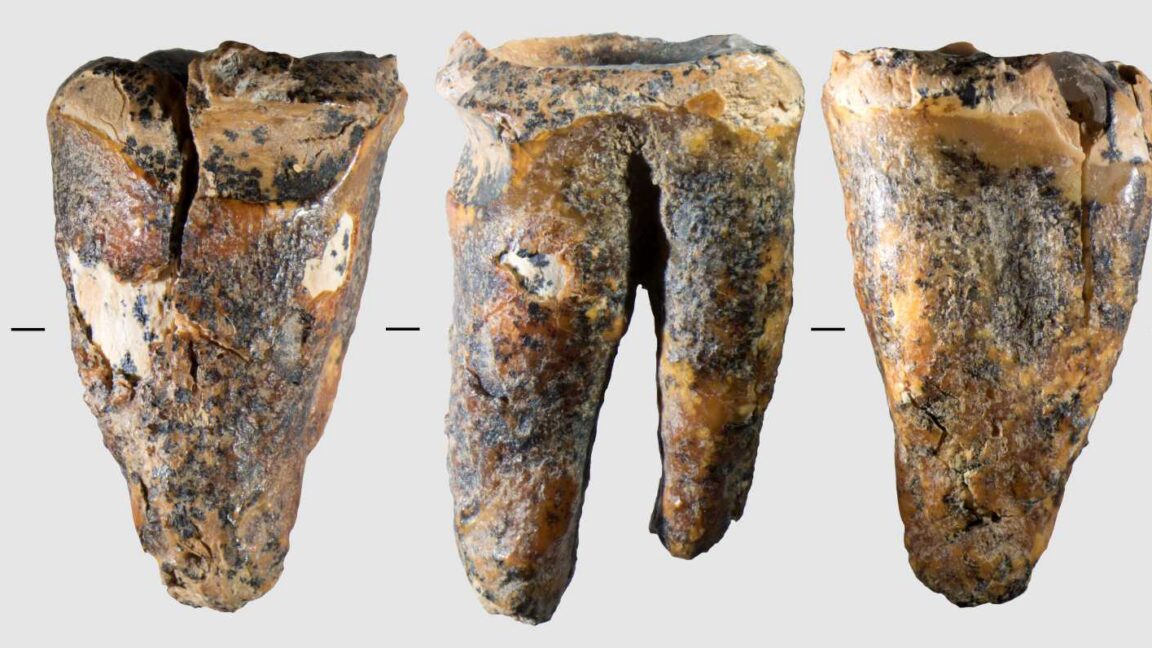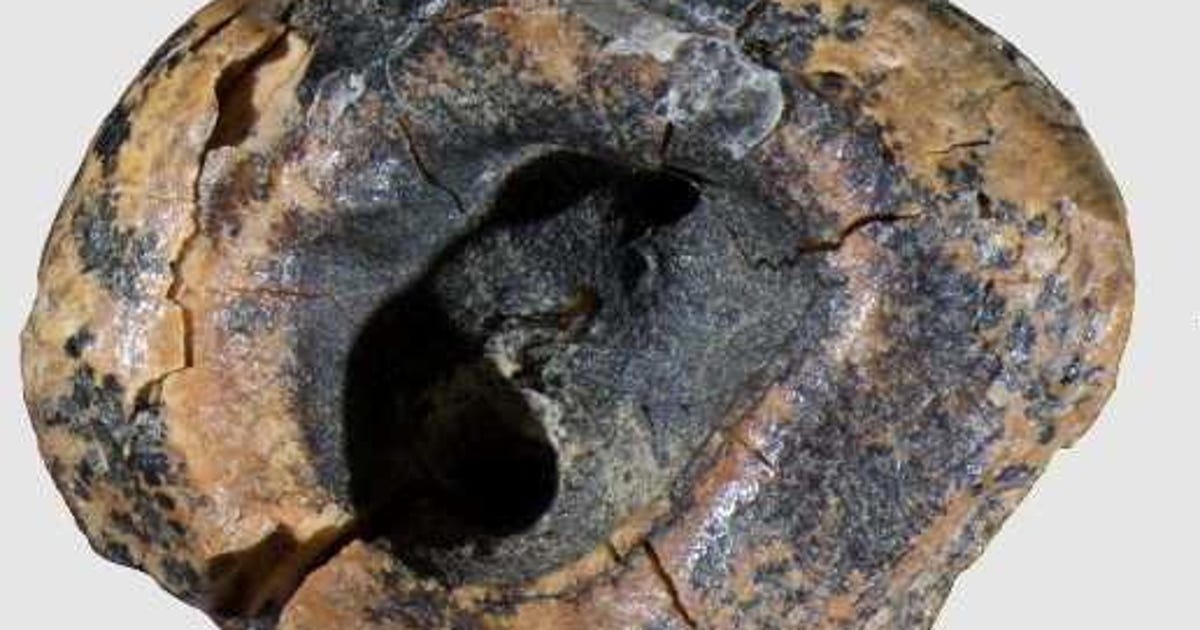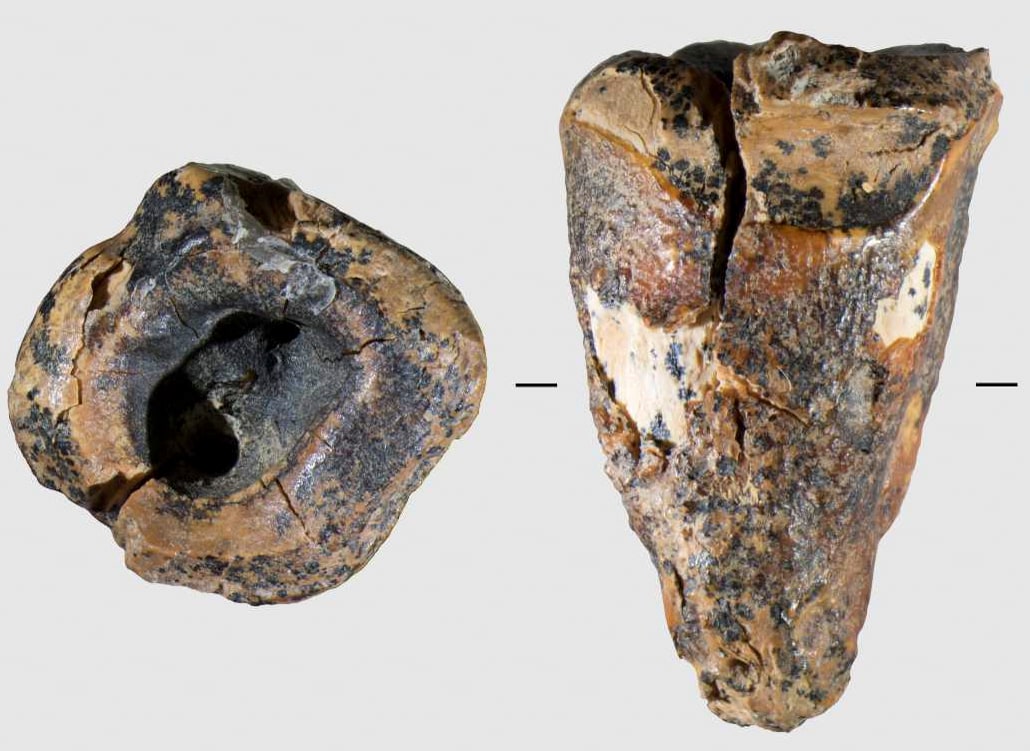
AdvertisementSKIP ADVERTISEMENTYou have a preview view of this article while we are checking your access. When we have confirmed access, the full article content will load.A Conversation WithThe prehistoric hominins “apparently were very adept at what we would consider invasive medicine,” said the anthropologist John Olsen.John Olsen, an emeritus professor of anthropology at the University of Arizona. “If you looked at all the human teeth that have ever been excavated from an archaeological context,” he said, “you would notice a dramatic, almost overnight difference between pre-agriculture and post-agriculture.”Credit...University of ArizonaBy Franz LidzFranz Lidz has had two root canals and was thoroughly anesthetized for both.May 19, 2026, 10:35 a.m. ETA decade ago in southern Siberia’s Chagyrskaya Cave, archaeologists unearthed a 59,000-year-old Neanderthal molar with a curious, deep hole. A study published this month in the journal PLOS One proposed that the molar’s owner had suffered a severe toothache, prompting the patient, or a brave peer, to attempt an intervention.The tooth’s hollow had been scooped out by a stone drill rather than by natural decay or wear, researchers at the Russian Academy of Sciences concluded. They replicated the bore marks in three modern human molars with fine-pointed drills fashioned from jasper, a tough quartz found in the area around the cave and used to make other tools discovered at the site.The findings indicated that the prehistoric patient underwent a deliberate Stone Age root canal, a discovery that pushes back the earliest evidence of intentional dentistry by more than 40,000 years.Treating the cavity was an act of neurological and mechanical sophistication, requiring the ancient hominins to diagnose the source of pain, select the appropriate stone tool and employ remarkable dexterity to scrape down to the pulp, the tooth’s inner tissue.Enduring such a torturous, anesthesia-free root canal required staggering willpower. Yet the tooth shows continued wear after the drilling took place, meaning the patient survived and kept using the molar.The tooth was dug up by the archaeologist Ksenia Kolobova, who collaborated on the study with Lydia Zotkina, whose specialty is stone tool production and usage, and the dental anthropologist Alisa Zubova. They were joined by John Olsen, an emeritus professor of anthropology at the University of Arizona.Thank you for your patience while we verify access. If you are in Reader mode please exit and log into your Times account, or subscribe for all of The Times.Thank you for your patience while we verify access.Already a subscriber? Log in.Want all of The Times? Subscribe.AdvertisementSKIP ADVERTISEMENT
Neanderthal Dentistry, and the Scientist Glad Not to Have Experienced It
The prehistoric hominins “apparently were very adept at what we would consider invasive medicine,” said the anthropologist John Olsen.
410 words~2 min read