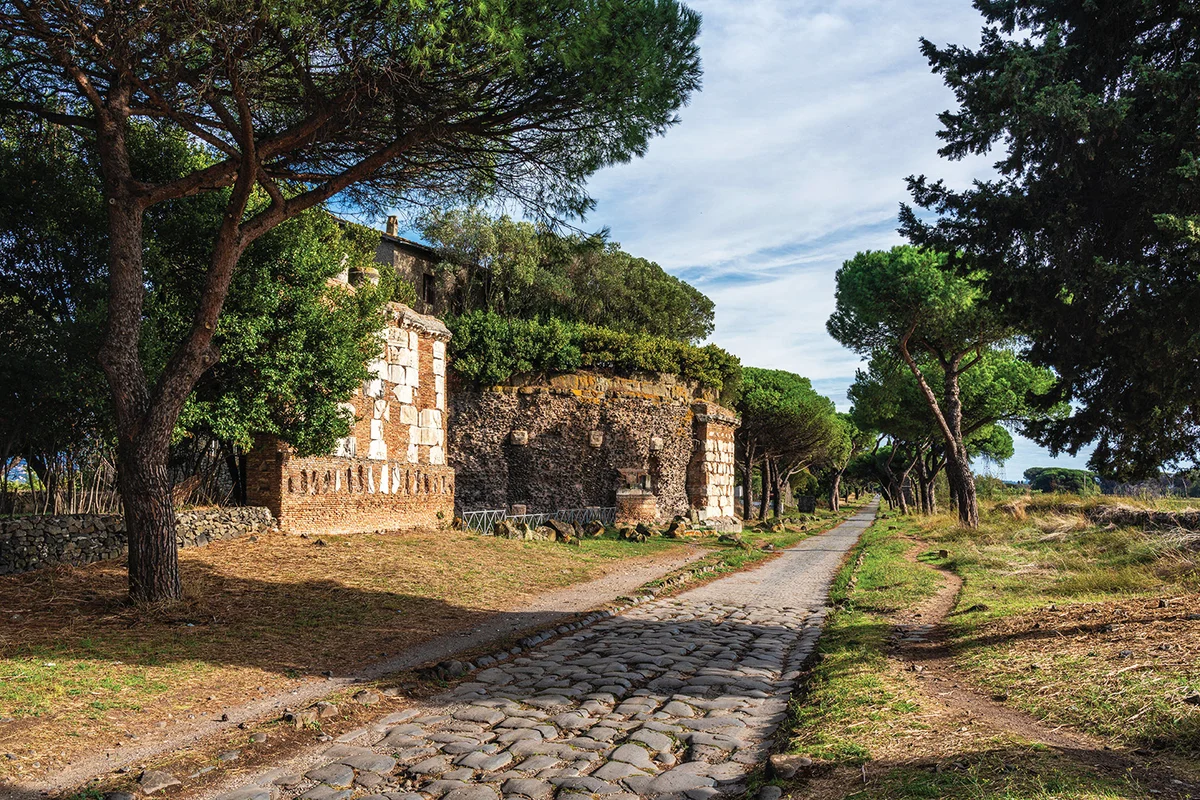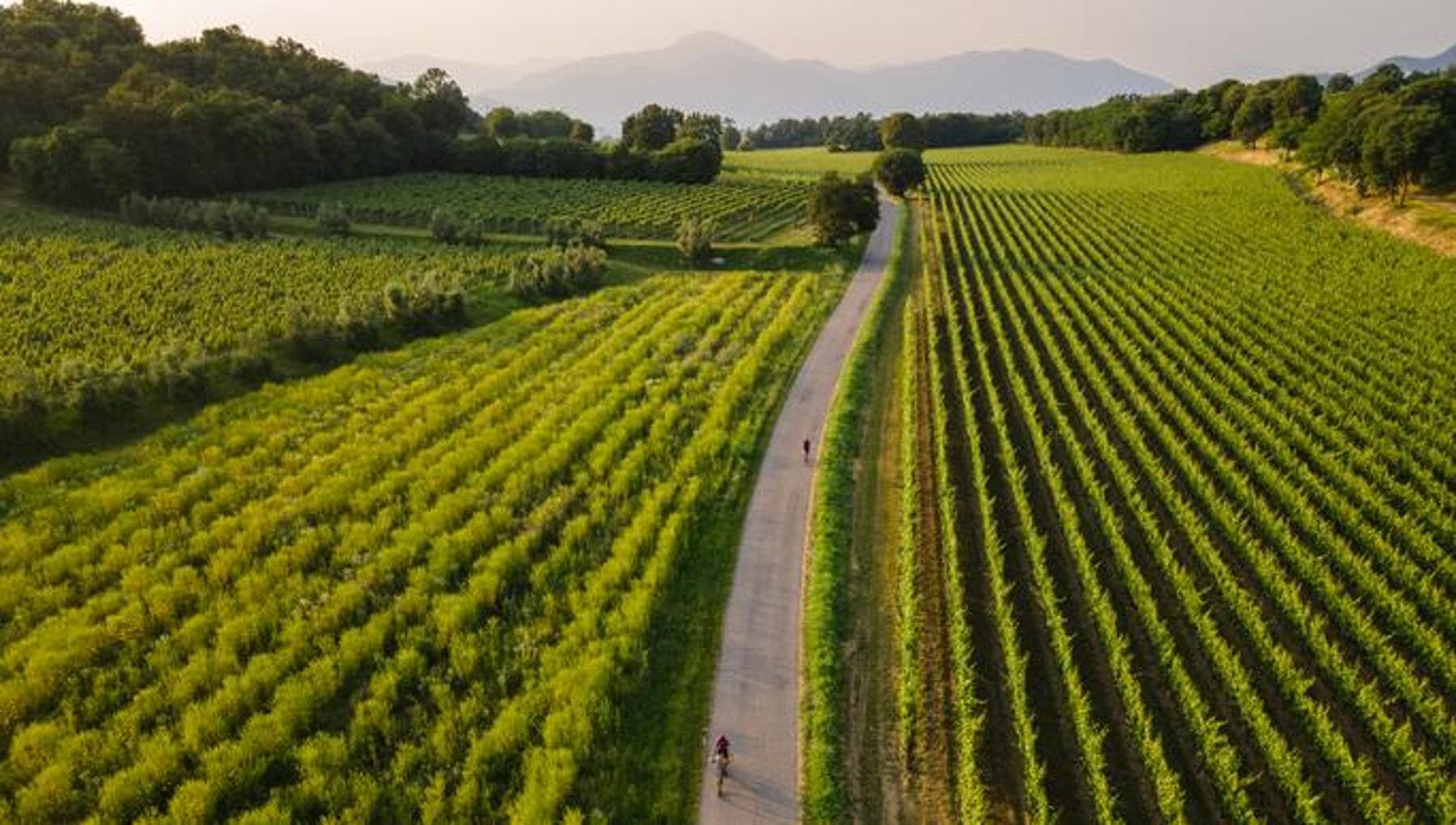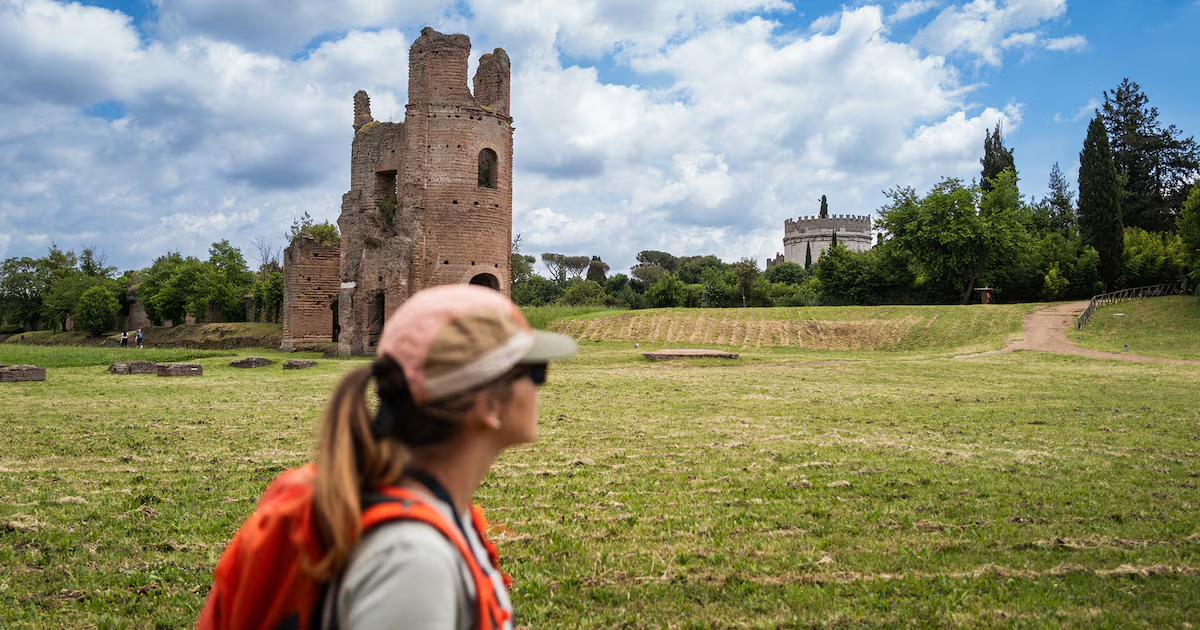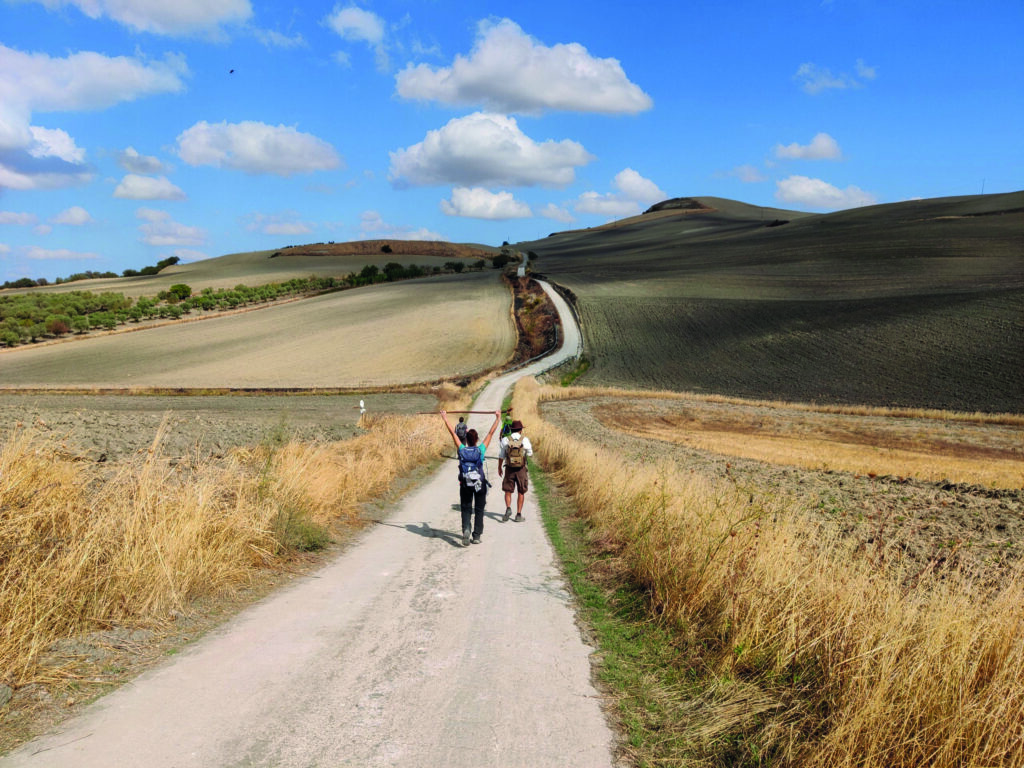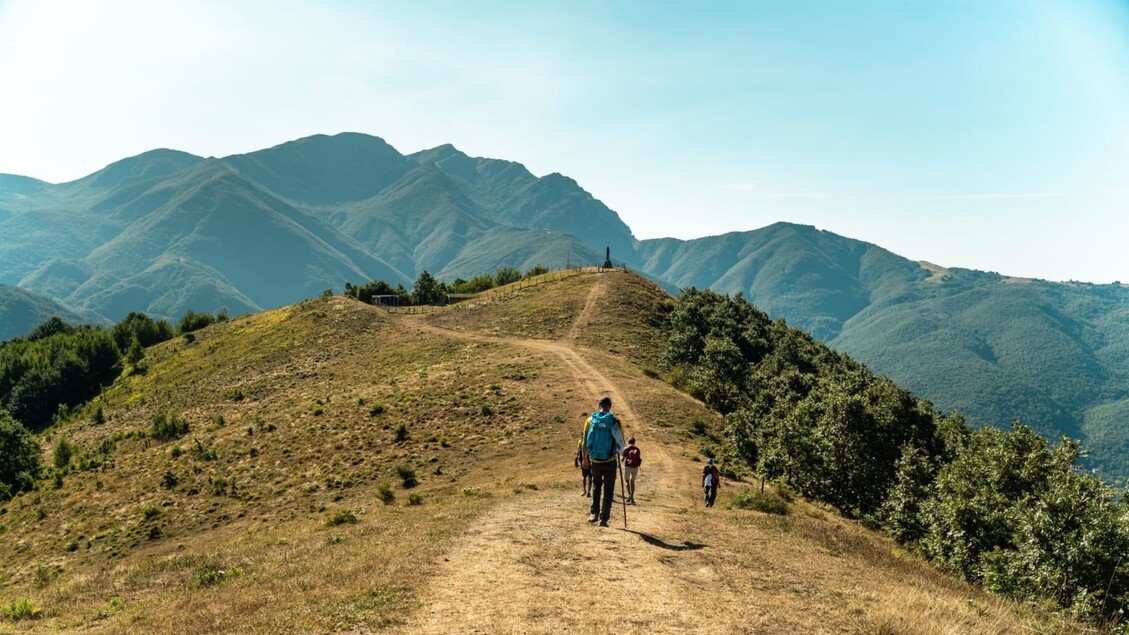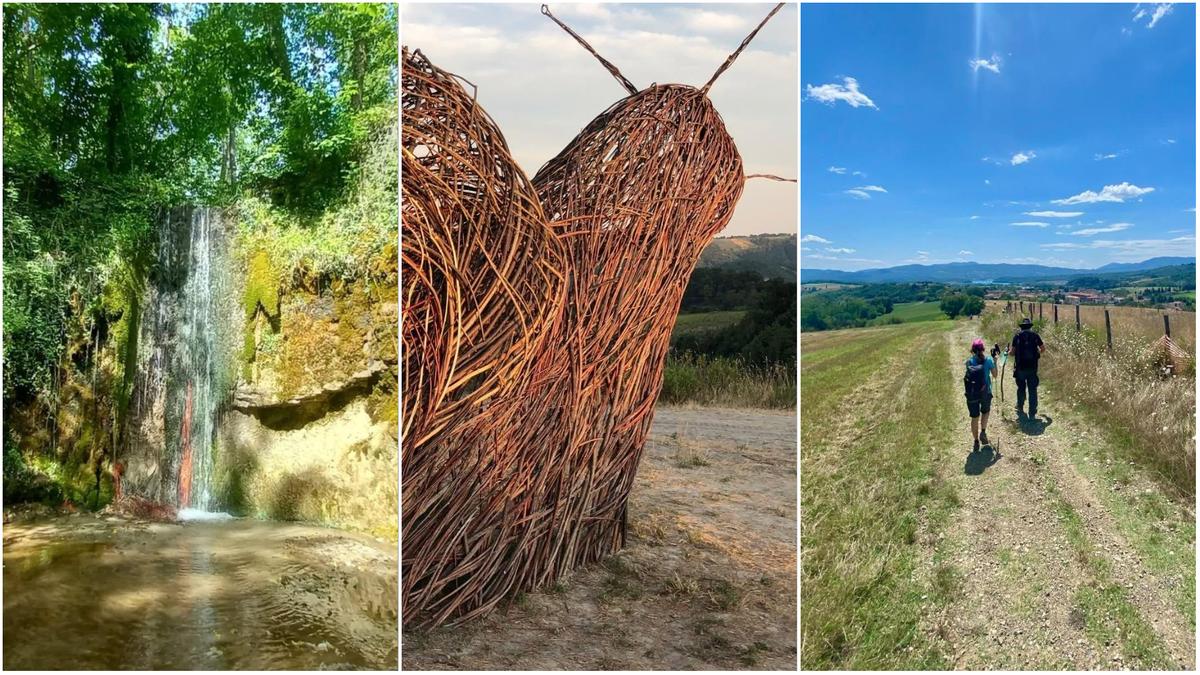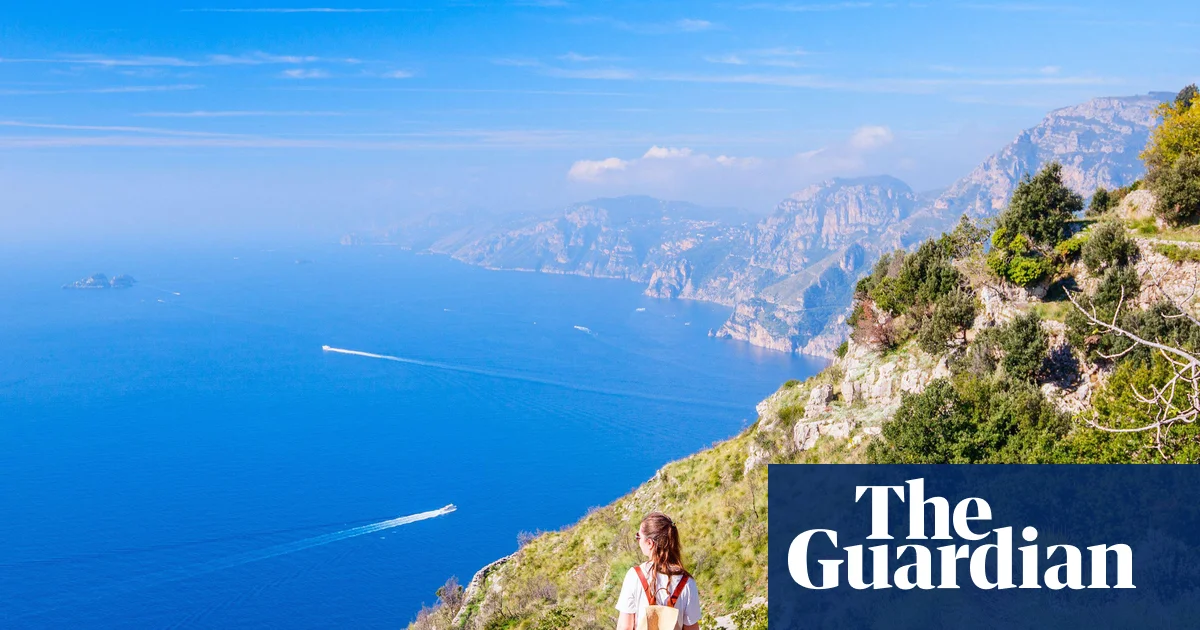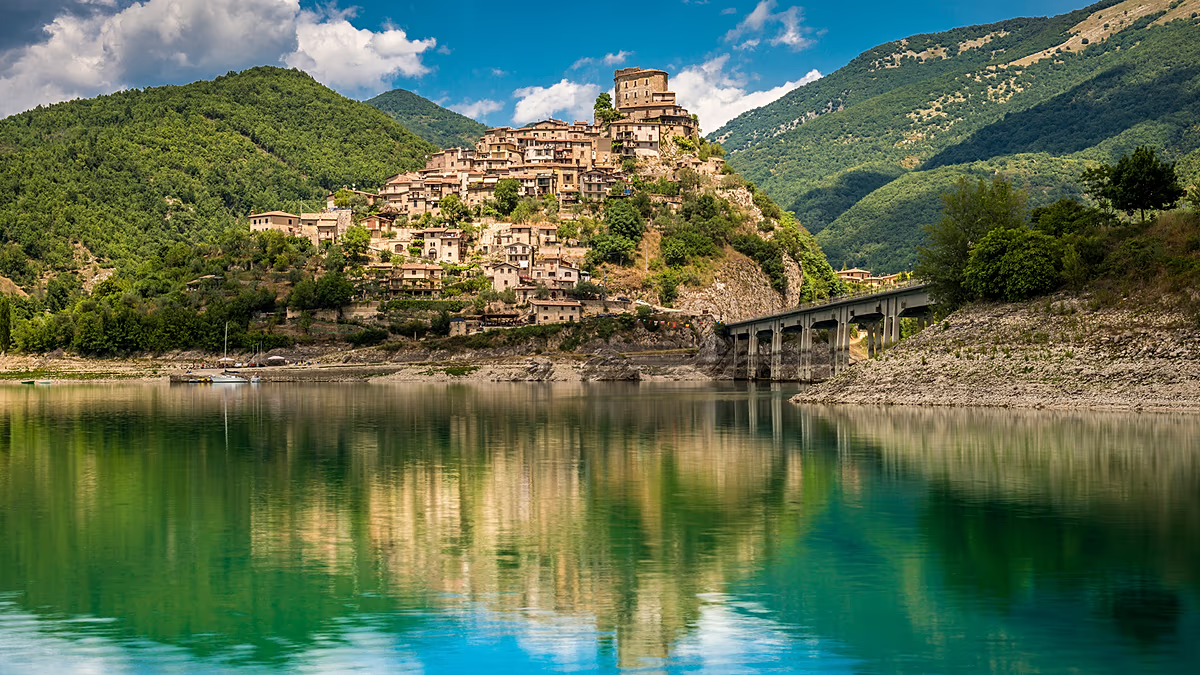
From Alpine passes to medieval hill towns, volcanic uplands and river valleys, five of Europe's great walking routes cross through Italy. And, of course, all roads lead to Rome.
That pull towards Rome is nothing new. Pilgrims have walked to Rome for more than a thousand years. They came from England, Germany, the Baltic states and across the Mediterranean world. The roads they followed carried ideas, faith, trade and identity across the continent.
Many of those ancient roads still exist, still waymarked, still walked.
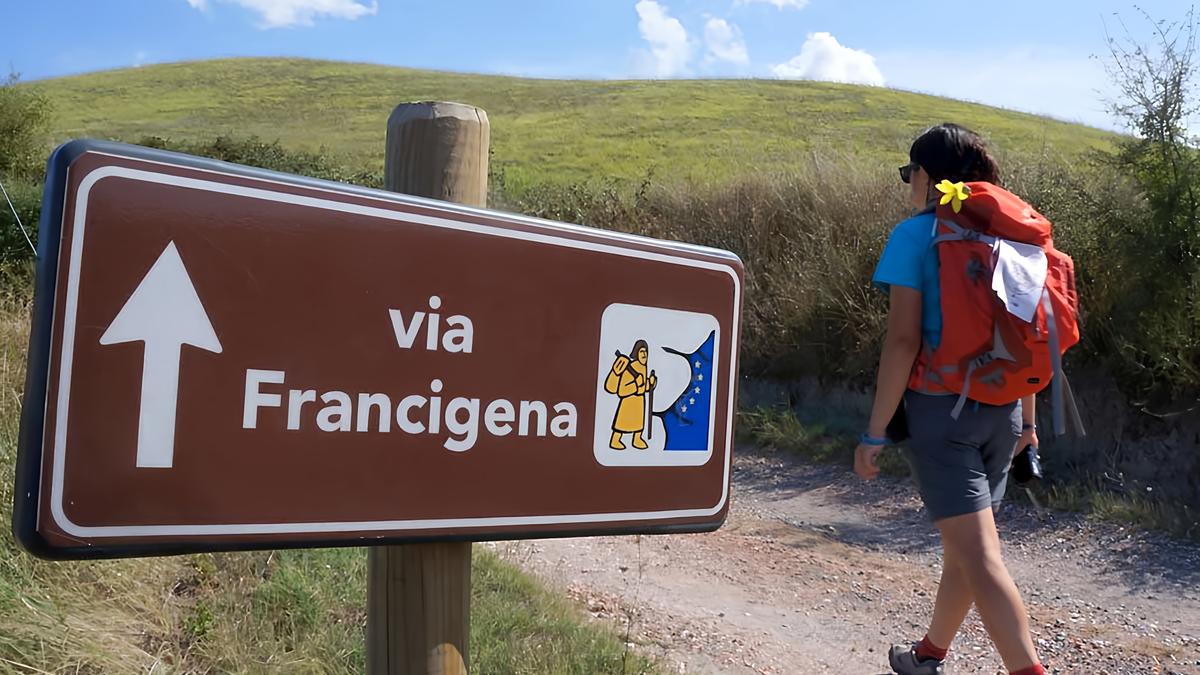
The Via Francigena, the Via di Francesco, the Cammino di San Benedetto, the Romea Strata and the Via Romea Germanica, together known as the Antichi Cammini d'Italia, or Ancient Walking Routes of Italy, each carry Council of Europe certification and together trace some of the most historically rich terrain on the continent.
Slow travel, the idea that how you move through a place matters as much as where you end up, is now one of the fastest-growing segments of cultural tourism in Europe.