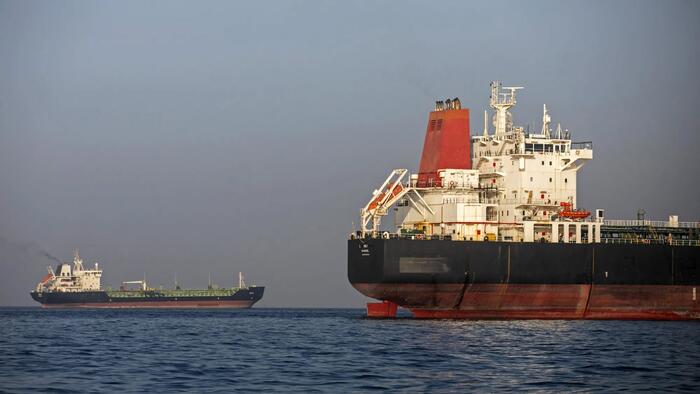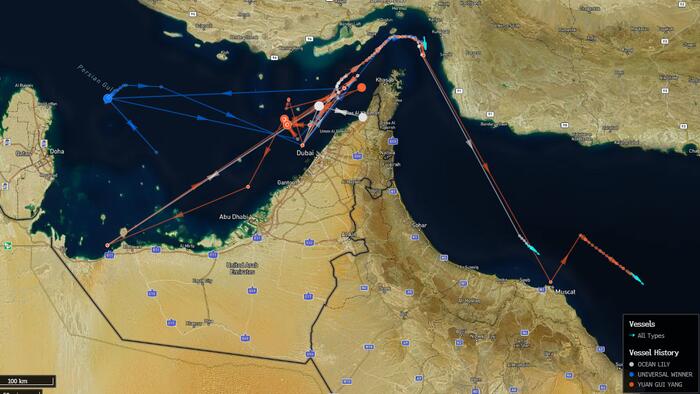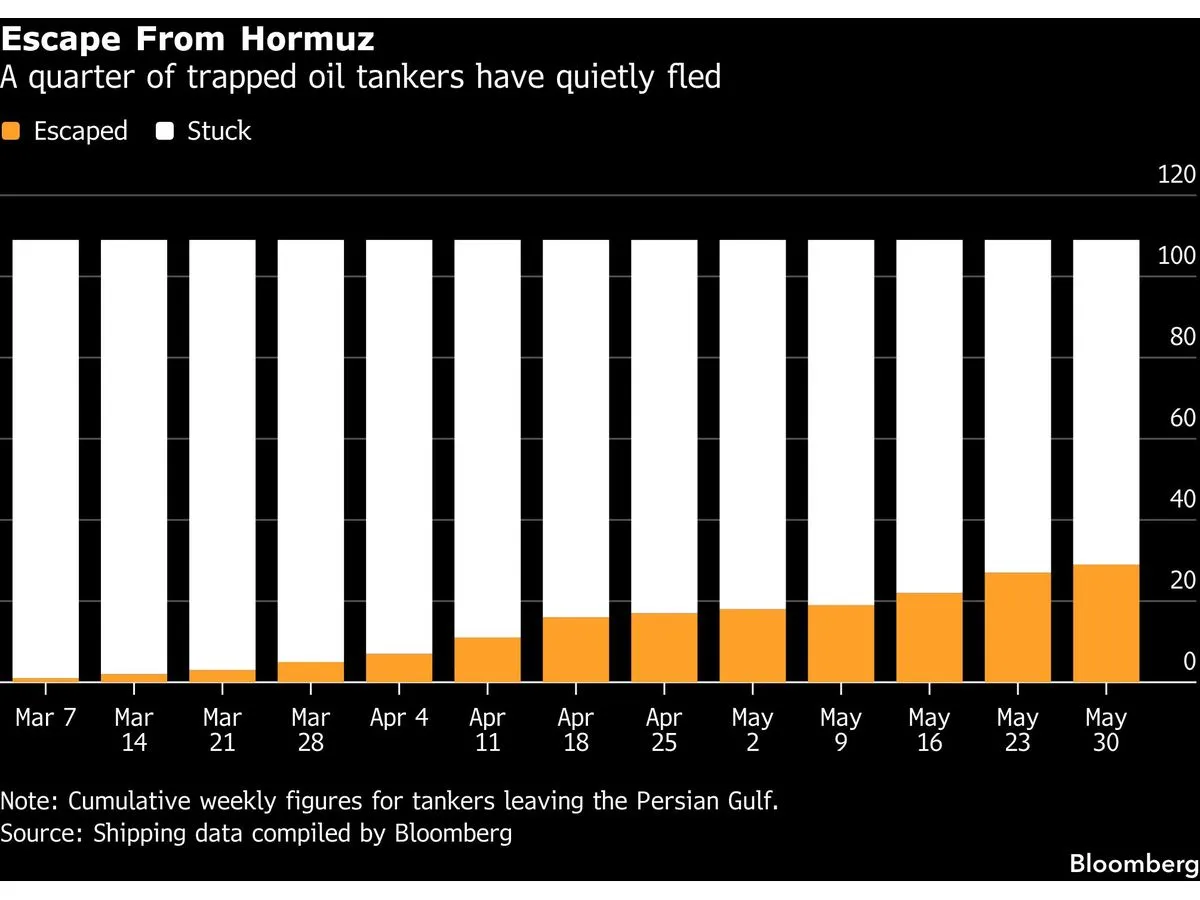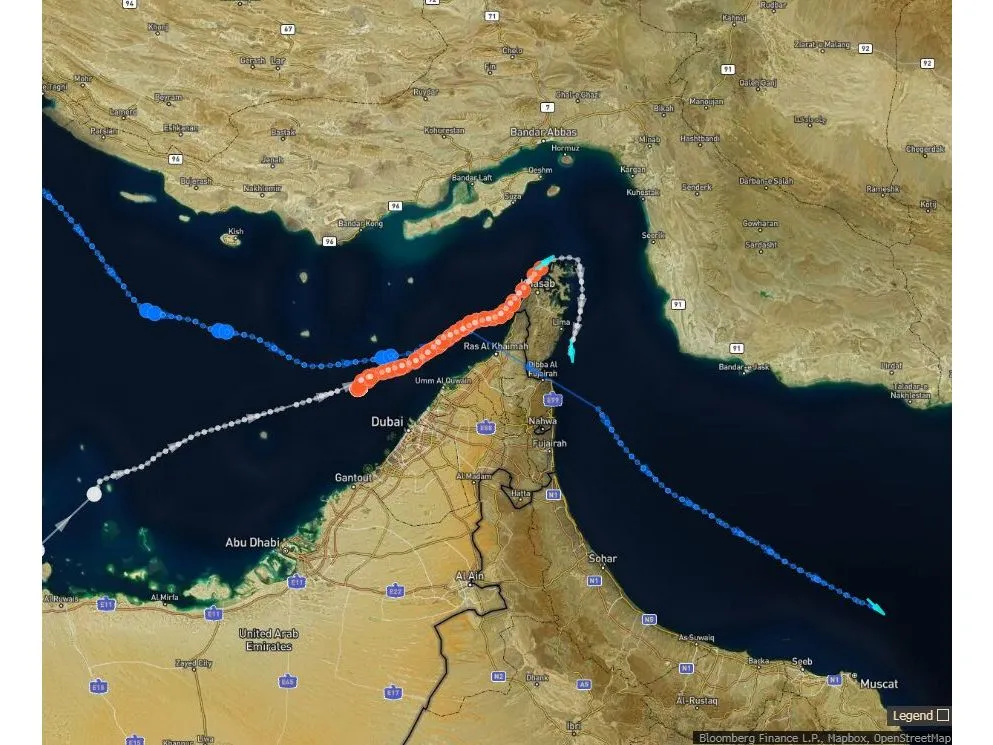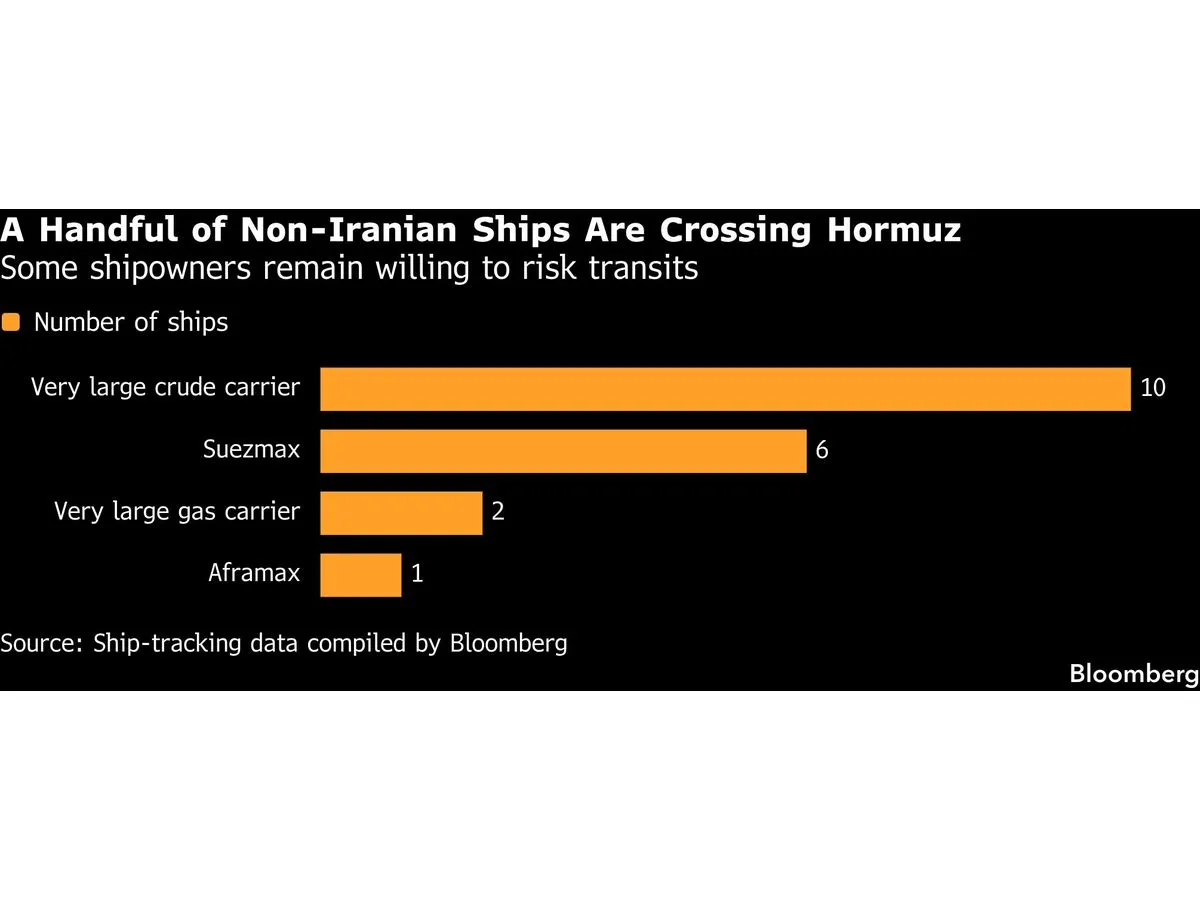
Skip to Content News Archives Economy Energy Oil & Gas Renewables Electric Vehicles Mining Commodities Agriculture Real Estate Mortgages Mortgage Rates Finance Banking Insurance Fintech Cryptocurrency Work Wealth Smart Money Wealth Management Investor Personal Finance Family Finance Retirement Taxes High Net Worth FP Comment Executive Women Puzzmo Newsletters Financial Times Business Essentials More Innovation Information Technology FP500 Podcasts Small Business Lives Told Tails Told Shopping Financial Post Store Obituaries Place a Notice Advertising Advertising With Us Advertising Solutions Postmedia Ad Manager Sponsorship Requests Classifieds Place a Classifieds ad Working Profile Settings My Subscriptions Saved Articles My Offers Newsletters Customer Service FAQ News Economy Energy Mining Real Estate Finance Work Wealth Investor FP Comment Executive Women Puzzmo Newsletters Financial Times Business Essentials HomePMN BusinessTankers Entering Hormuz During Iran War Are Making Their Way OutAlmost all large non-Iranian tankers that have entered the Persian Gulf during the war appear to have successfully exited with a cargo, underscoring the emergence of a small group of shipowners willing to risk crossing the Strait of Hormuz.Author of the article: You can save this article by registering for free here. Or sign-in if you have an account.dmt7r[rmvo38ulee}f4ig92g_media_dl_1.png Ship-tracking data compiled by B(Bloomberg) — Almost all large non-Iranian tankers that have entered the Persian Gulf during the war appear to have successfully exited with a cargo, underscoring the emergence of a small group of shipowners willing to risk crossing the Strait of Hormuz.Subscribe now to read the latest news in your city and across Canada.Exclusive articles from Barbara Shecter, Joe O'Connor, Gabriel Friedman, and others.Daily content from Financial Times, the world's leading global business publication.Unlimited online access to read articles from Financial Post, National Post and 15 news sites across Canada with one account.National Post ePaper, an electronic replica of the print edition to view on any device, share and comment on.Daily puzzles, including the New York Times Crossword.Subscribe now to read the latest news in your city and across Canada.Exclusive articles from Barbara Shecter, Joe O'Connor, Gabriel Friedman and others.Daily content from Financial Times, the world's leading global business publication.Unlimited online access to read articles from Financial Post, National Post and 15 news sites across Canada with one account.National Post ePaper, an electronic replica of the print edition to view on any device, share and comment on.Daily puzzles, including the New York Times Crossword.Create an account or sign in to continue with your reading experience.Access articles from across Canada with one account.Share your thoughts and join the conversation in the comments.Enjoy additional articles per month.Get email updates from your favourite authors.Create an account or sign in to continue with your reading experience.Access articles from across Canada with one accountShare your thoughts and join the conversation in the commentsEnjoy additional articles per monthGet email updates from your favourite authorsSign In or Create an AccountorAt least 19 oil- and liquefied petroleum gas-carrying ships without Iranian links have both entered and exited Hormuz since March 1, according to vessel-tracking data compiled by Bloomberg. In contrast, about 100 such tankers that entered the Gulf before the conflict remain stuck for fear of attacks, the data show. For the most part, merchant shipping through the vital energy chokepoint has ground to a halt since US-Israeli attacks at the end of February triggered a wave of Iranian retaliation and led Tehran to tighten its grip over the waterway. Still, a handful of vessels have been managing to cross under an array of schemes, including deals arranged at a government level in some cases. Get the latest headlines, breaking news and columns.By signing up you consent to receive the above newsletter from Postmedia Network Inc.A welcome email is on its way. If you don't see it, please check your junk folder.The next issue of Top Stories will soon be in your inbox.We encountered an issue signing you up. Please try againThe numbers, both for ships stranded in the Gulf and those making the crossing, could be higher in reality, given many vessels in the region are switching off their satellite signals to protect against strikes. Of the 19 ships to cross, seven have been linked to Greece’s Dynacom Tankers Management. The company has been one of the main firms to continue using the strait since the conflict began. A Dynacom official declined to comment.The cargoes the vessels were carrying have largely been from the United Arab Emirates and Iraq. Of the rest, three were transporting oil from Saudi Arabia or a mix of oil from the kingdom and other Arab Gulf nations. Only one large tanker that entered the Gulf after the war started hasn’t left, the data show. The crossings are only a fraction of the typical Hormuz transits before the war, which accounted for about a fifth of the world’s oil supply. Join the Conversation This website uses cookies to personalize your content (including ads), and allows us to analyze our traffic. Read more about cookies here. By continuing to use our site, you agree to our Terms of Use and Privacy Policy.
Tankers Entering Hormuz During Iran War Are Making Their Way Out
Almost all large non-Iranian tankers that have entered the Persian Gulf during the war appear to have successfully exited with a cargo, underscoring the emergence o…
832 words~4 min read