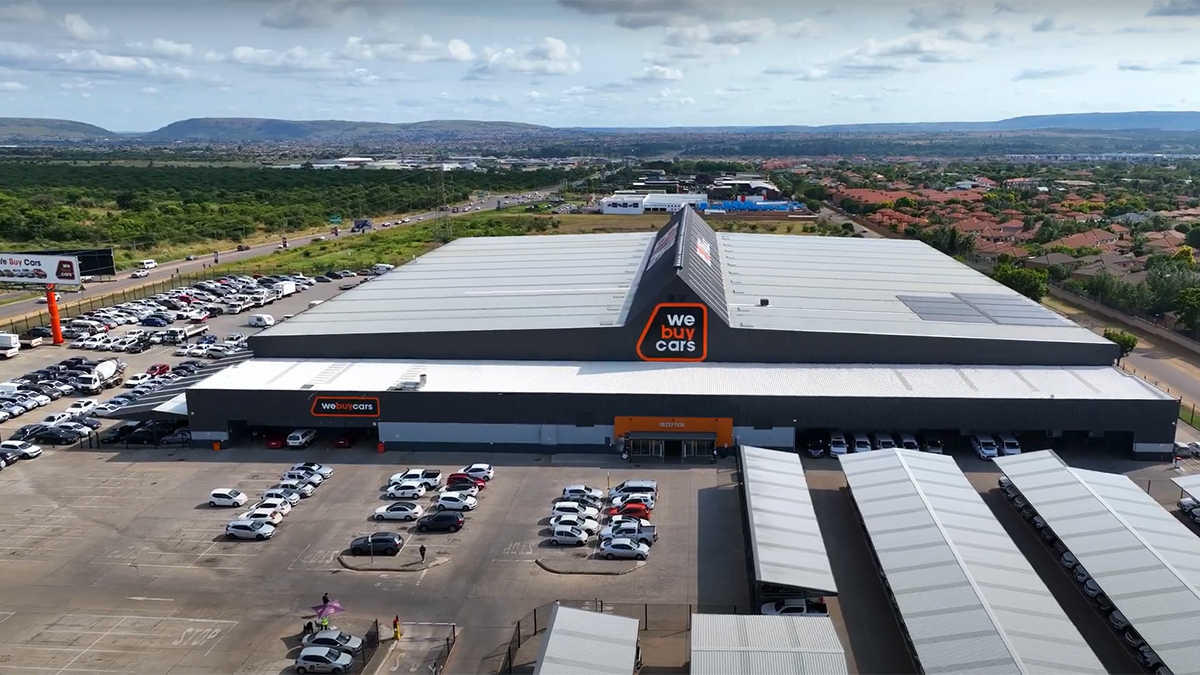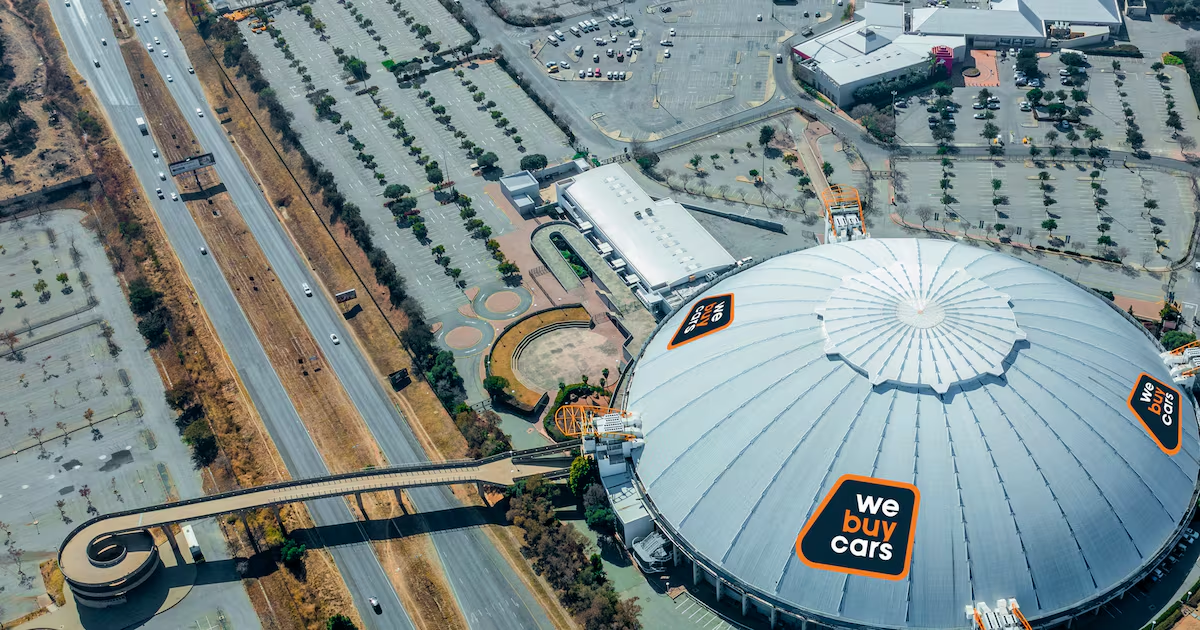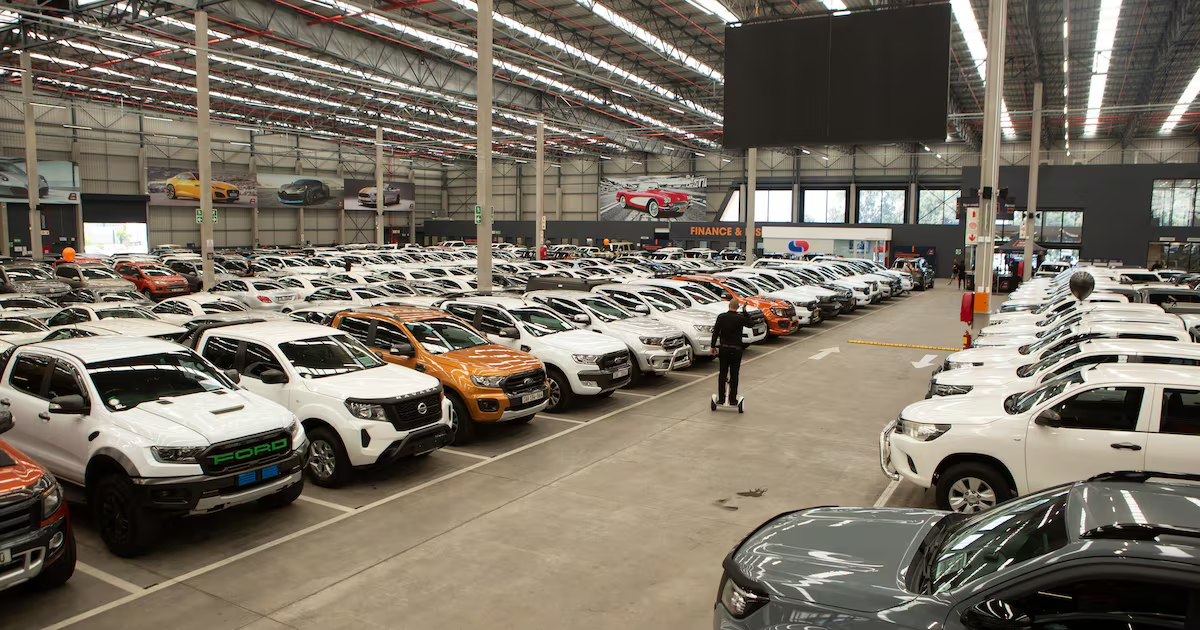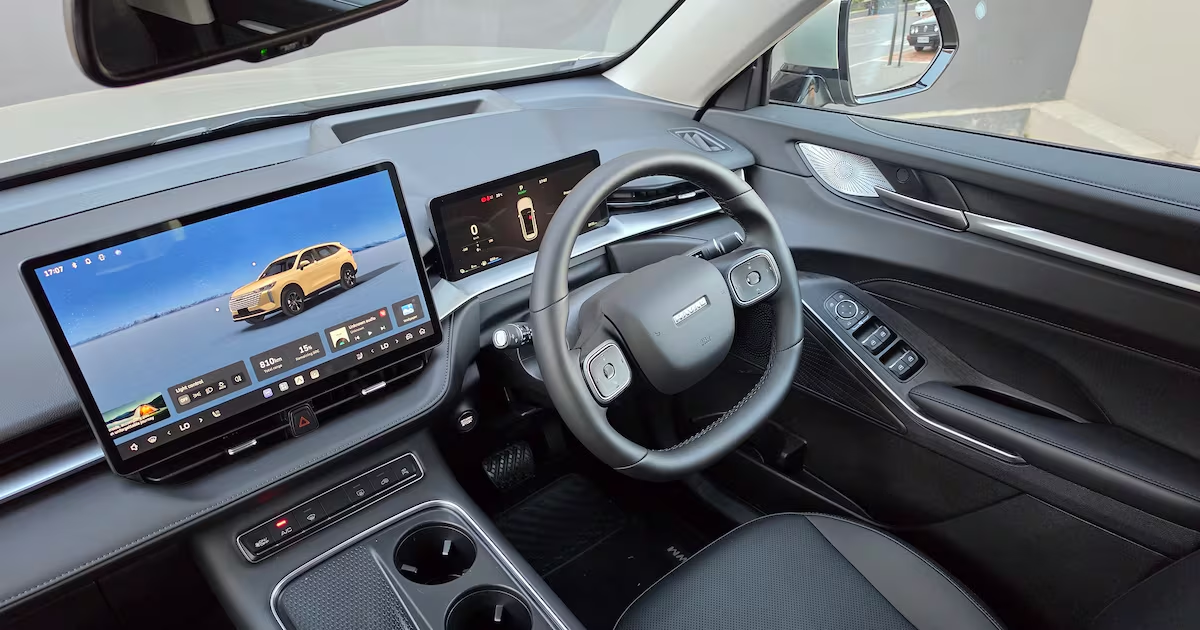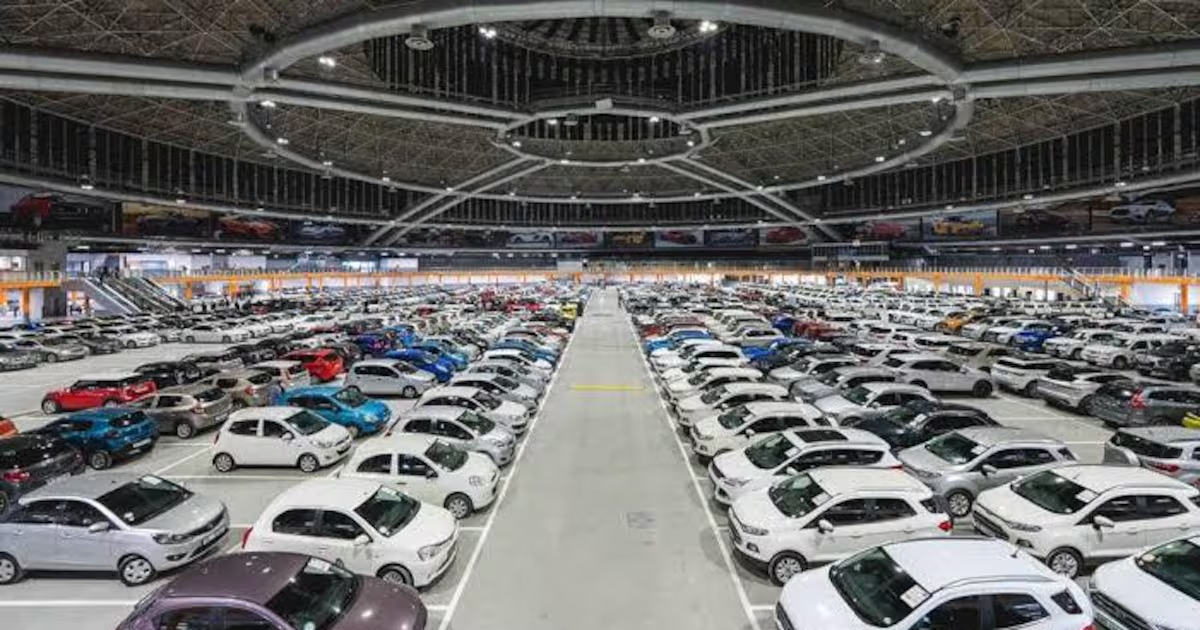
WeBuyCars’ profits came under pressure in the six months ended March as a wave of cheaper new cars, largely driven by fast-growing Asian brands, have reshaped South Africa’s vehicle market and squeezed the used car sector, changing what consumers can afford to buy.WeBuyCars specialises in buying and selling pre-owned vehicles. With many new cars now priced closer to used vehicles, buyers are increasingly choosing new models with warranties and attractive finance deals. But that is pulling demand away from used cars and forcing dealers such as WeBuyCars to rethink pricing and strategy.The group reported revenue of R14.16bn for the period, up 7.8%, while vehicles bought and sold rose 3.2% and 2.3%, respectively. Headline earnings per share fell 1.7% to 119.7c, showing that higher sales did not translate into higher profits.WeBuyCars declared an interim dividend of 33c per share, up 10% on a year ago.At the centre of this pressure is the rapid rise of Asian car brands, which have expanded aggressively in South Africa, capturing about 17% of the new vehicle market by the end of 2025, Business Day previously reported. These brands, including Cherry and Great Wall Motors (GWM), have entered the market with lower-priced vehicles, flexible financing and long warranties, making them increasingly attractive to cost-conscious consumers.WeBuyCars said this trend is already having a noticeable effect. “The current trading environment is impacted by the growth in the new vehicle market [up 15.7% for the 2025 calendar year], aided by the aggressive rise of competitively priced Asian brands,” WeBuyCars said.Not just priceThe competition is not just about price. Many of these brands are offering deals that reduce monthly repayments, making new cars accessible to buyers who would previously have only considered used vehicles. This has narrowed the traditional price gap between new and used cars. As a result, used car prices have started to fall. “This has significantly influenced consumer behaviour and heightened competition, with these brands capturing notable new vehicle market share through attractive pricing and compelling finance offerings,” said the company.“The current strength of the new vehicle market in South Africa continues to place pressure on margins across the used vehicle sector. Used vehicle prices experienced deflation in the six-month period.”To keep vehicles moving, WeBuyCars says it has had to cut selling prices, especially on models competing directly with cheaper new cars. While this helped maintain sales volumes, it reduced profit margins.At the same time, established car manufacturers have responded by lowering prices and improving their own offers to win back customers, further intensifying competition. “Traditional manufacturers, in an attempt to regain lost ground, responded in kind, further intensifying price competition and compressing the value differential that has historically made used vehicles a more attractive choice for many South African consumers.”Nonetheless, WeBuyCars, which was listed on the JSE two years ago, has continued to grow. The company recorded a monthly record of 17,209 vehicles sold in March and expanded its footprint with new sites in Pretoria, Cape Town and eMalahleni (Witbank).The company expects the surge in new car sales to eventually feed into the used market as those vehicles are resold.“Management believes that while these market dynamics place pressure on the group in the short-term, the buoyant new vehicle market and the growing penetration of Asian brands are expected to be positive in the medium-term for WeBuyCars as these vehicles enter the used vehicle market. This will expand the group’s acquisition base and opportunity set,” it said. Combined Motor Holdings said previously that while Chinese and Indian brands now dominate new vehicle sales, their true market value will further be tested when large volumes filter into the used car market, Business Day reported.According to CEO Jebb McIntosh, the resale dynamics remain uncertain.“It will be interesting to track how the Indian-Chinese vehicles fare when they eventually enter the used car market in high volumes,” he said, adding that while nearly new vehicles have performed well, “the resale value of high quantities of vehicles that are five to six years old has not yet been tested”.
Why WeBuyCars is losing to cheaper Chinese cars
Buyers are choosing new Asian models with warranties and attractive finance deals
667 words~3 min read