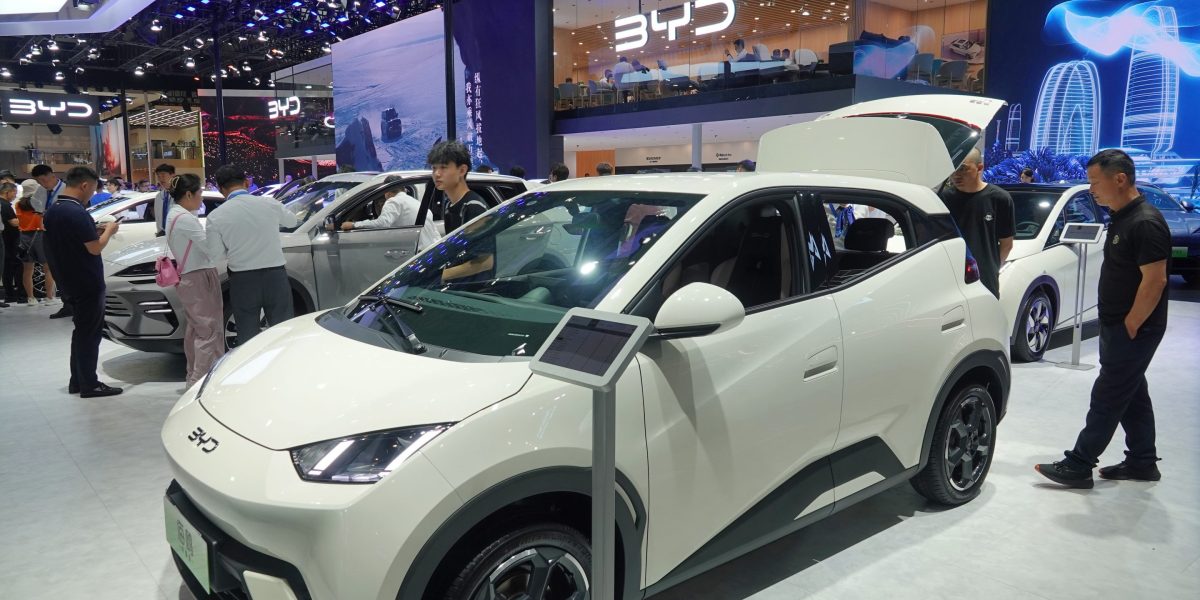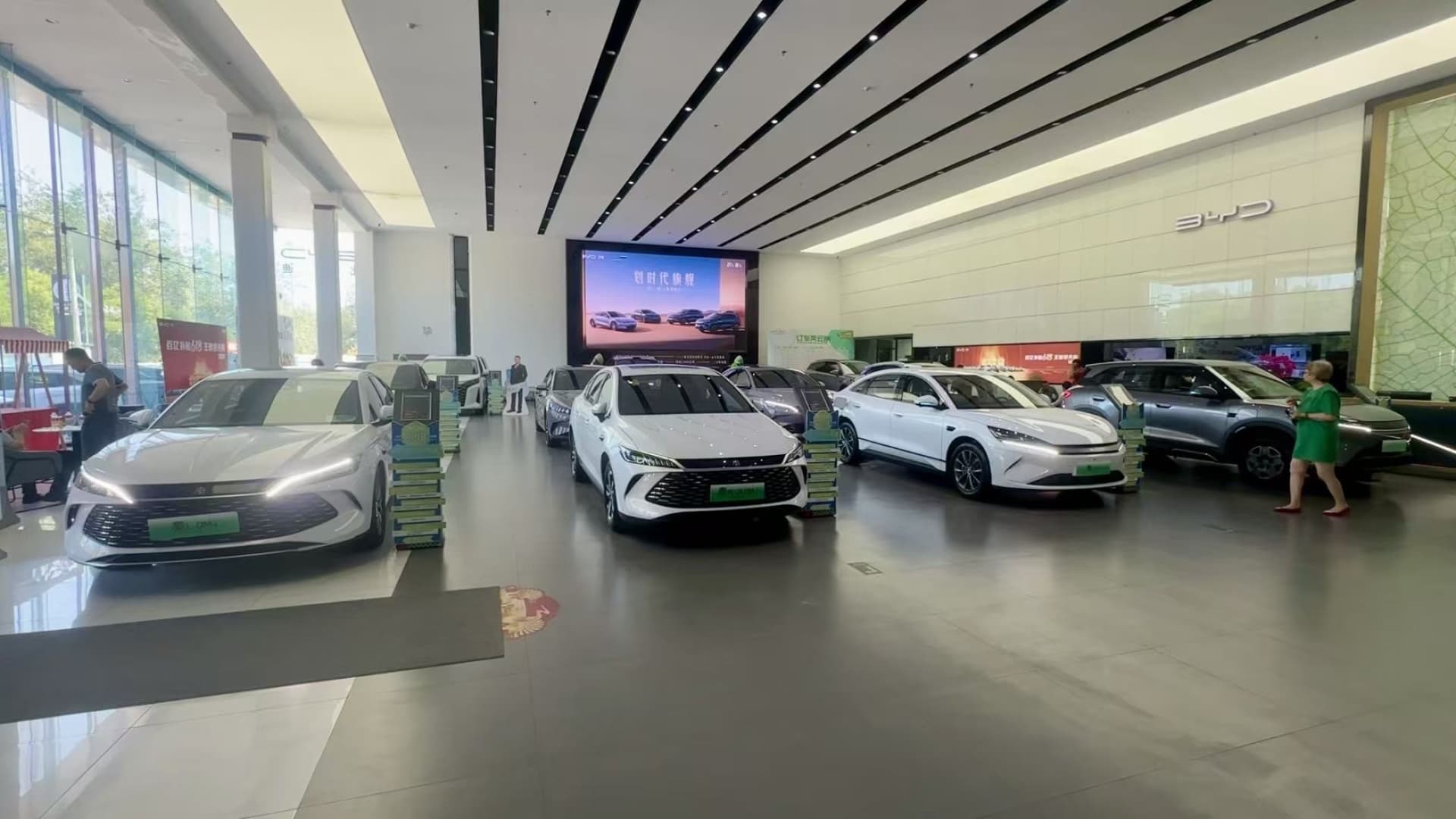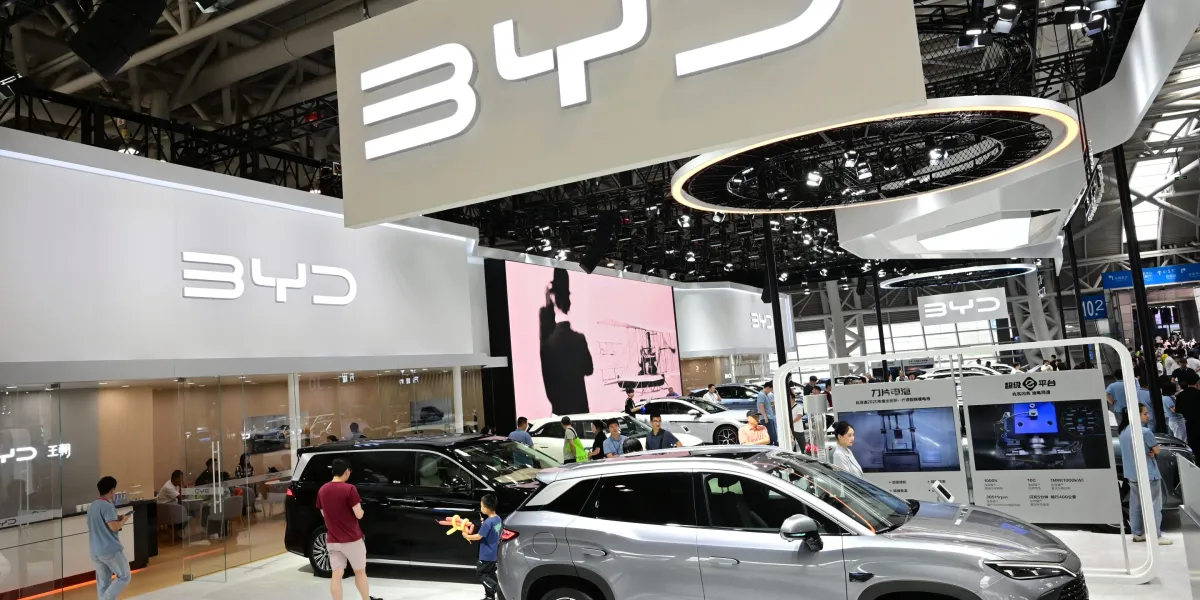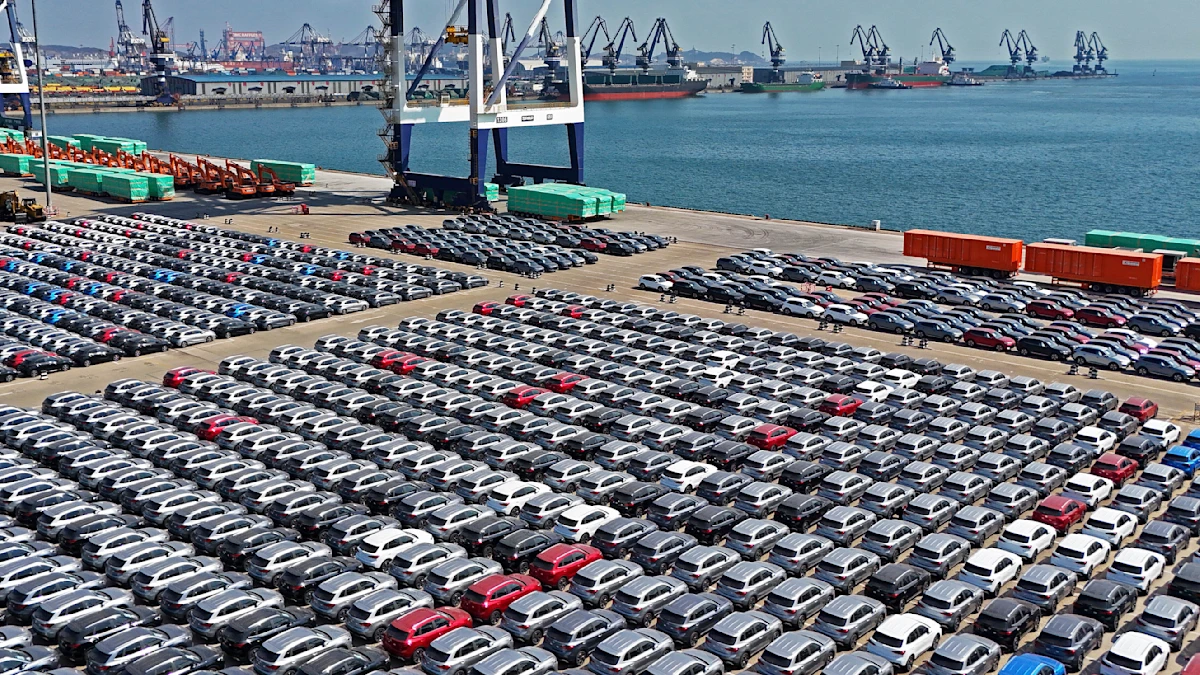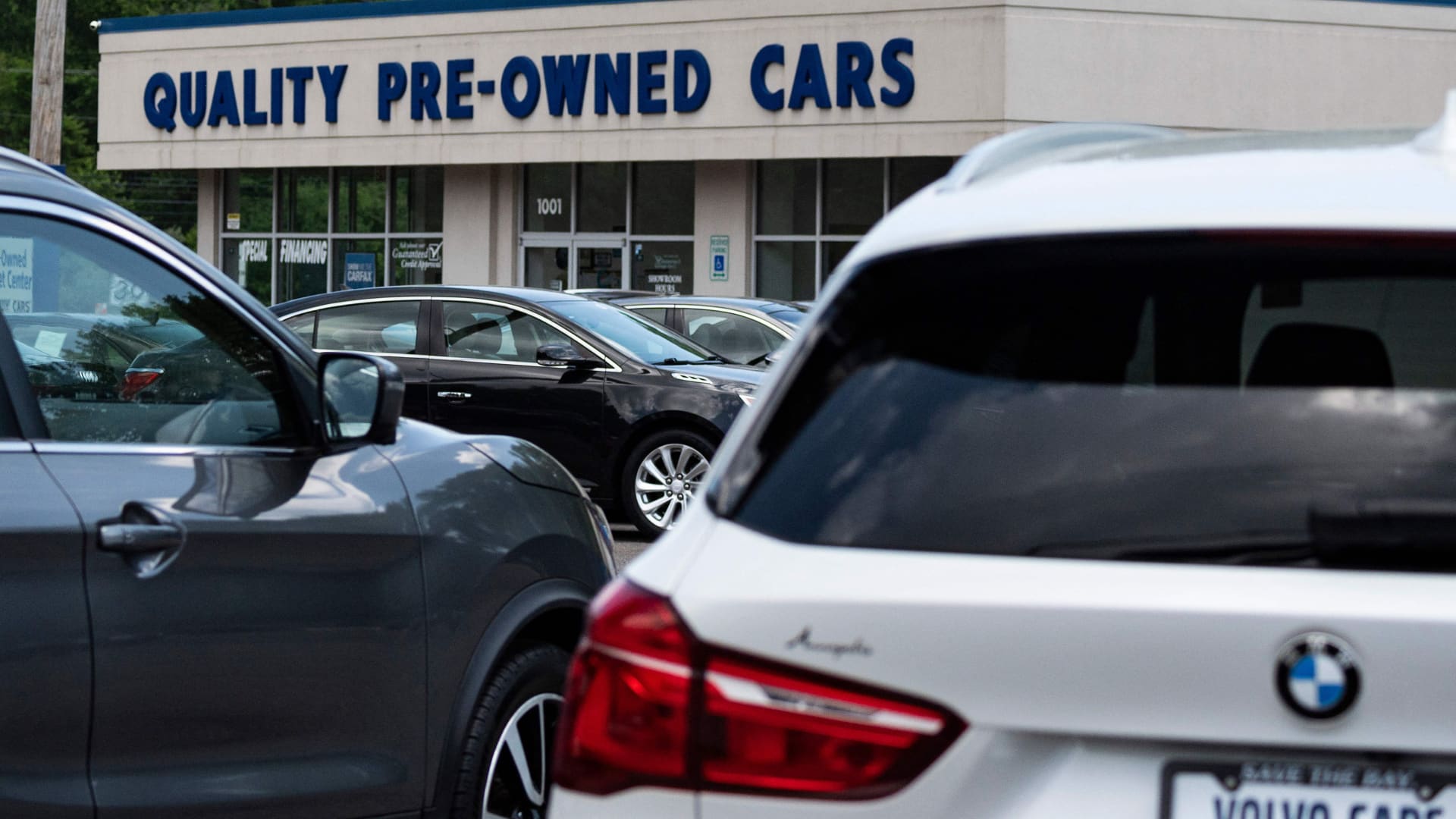
Chinese auto dealerships have been engaging in a deceptive practice of classifying new cars as used vehicles to boost sales amid a prolonged price war within the country’s automotive sector. This tactic is primarily motivated by the carmakers’ enforcement of minimum pricing for new vehicles, while dealerships have more leeway to set competitive prices for used cars. By creating a paper trail that registers new vehicles as belonging to dealership-affiliated rental or other intermediary companies, dealerships can then resell these cars as “used” at any price, including lower-than-new car prices, helping them clear bloated inventories. This process often involves online secondhand-car marketplaces like DCar and Guazi [para. 1][para. 2][para. 3][para. 4][para. 5][para. 6][para. 7][para. 8][para. 9].The backdrop for these maneuvers is the ongoing oversupply and resultant price war in China’s auto industry, stretching into its third year. By April 2024, unsold inventories reached an all-time high of nearly 3.5 million new passenger cars, up by 120,000 units compared to the previous year [para. 4]. The scale of the phenomenon is significant: in 2024, an estimated 400,000 to 600,000 new vehicles with zero mileage are projected to be sold as “used” cars within China, according to Wang Meng of the China Automobile Dealers Association (CADA) [para. 14]. Liao Zhiyong, a general manager at a major used-car exporter, estimates that around 500,000 “used” cars, 80% of which are essentially new, will be exported from China this year. Parallel exports—vehicles shipped abroad without manufacturer or authorized distributor involvement—allow dealers to skirt export restrictions since obtaining an export license for used cars is easier than for new ones [para. 15][para. 16][para. 17].However, this practice has triggered concern among industry stakeholders and regulators. It distorts official sales data, undermines market order, and poses risks to car manufacturer brand images, especially as parallel-exported vehicles lack proper after-sales support [para. 5][para. 12]. Regulatory bodies have taken notice: in late May 2024, China’s Ministry of Commerce convened a meeting with industry players—including automakers, dealerships, and used-car trading platforms such as BYD, Dongfeng, and ByteDance-owned Guazi—to address these issues. While specifics were not disclosed, the meeting signaled intent for stricter oversight of the secondhand car trade [para. 19][para. 20][para. 21]. Concurrently, the Ministry of Industry and Information Technology called for crackdowns on price wars and unfair competition and advocated for industry optimization and better law enforcement [para. 22].Industry observers and associations recommend several remedies. Chery Auto Chairman Yin Tongyue and others have called for stronger quality standards and tighter certification mechanisms for domestically produced and exported cars [para. 23]. Cui Dongshu of the China Passenger Car Association (CPCA) urges automakers to offer more consistent pricing guidelines for dealers, ensure timely payments, and avoid setting overly ambitious production and sales targets that exacerbate inventory build-up. Only 15.6% of car dealerships reportedly refrain from selling below the wholesale price, a reflection of high inventory pressure [para. 27]. Some carmakers, like Chery’s Jetour sub-brand, are already enforcing strict controls on overseas distribution and penalizing unauthorized exports [para. 29].In summary, China’s auto market is grappling with challenges stemming from excess supply and aggressive competition, leading to controversial practices around “used” car sales. Regulatory scrutiny is increasing, and industry leaders are advocating structural reforms and better governance to restore market order and credibility [para. 1][para. 2][para. 4][para. 5][para. 13][para. 14][para. 19][para. 22][para. 27][para. 29].AI generated, for reference only
Caixin Explains: Chinese Dealerships Pass Off New Cars as Used Amid Auto Glut
Selling a new vehicle as pre-owned can allow dealers to evade minimum prices and start clearing their swollen inventories
554 words~3 min read