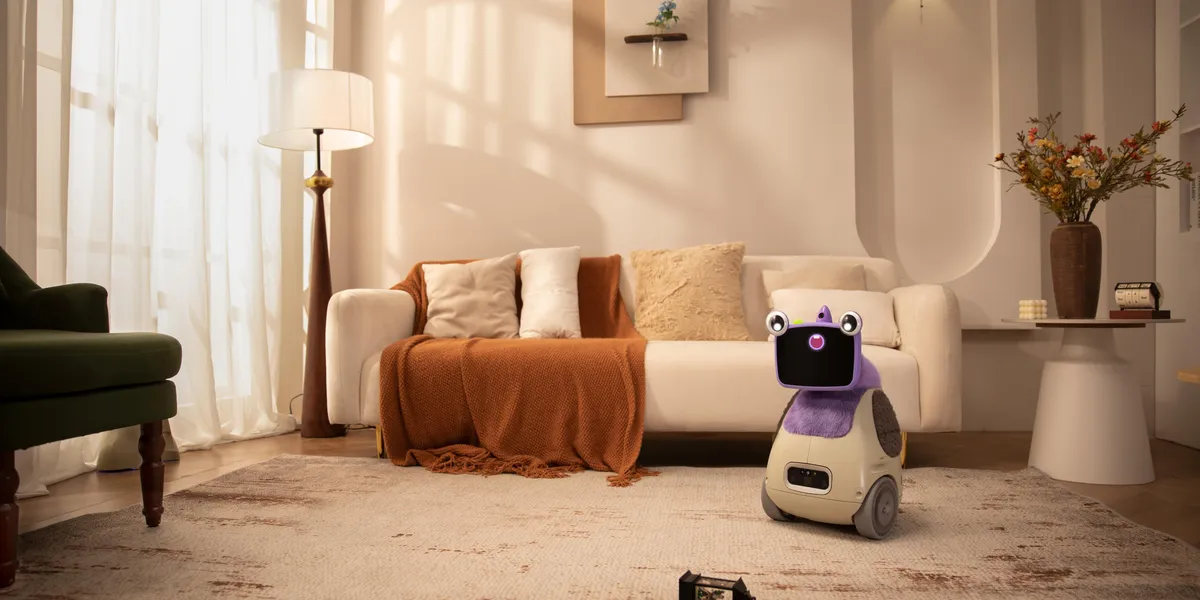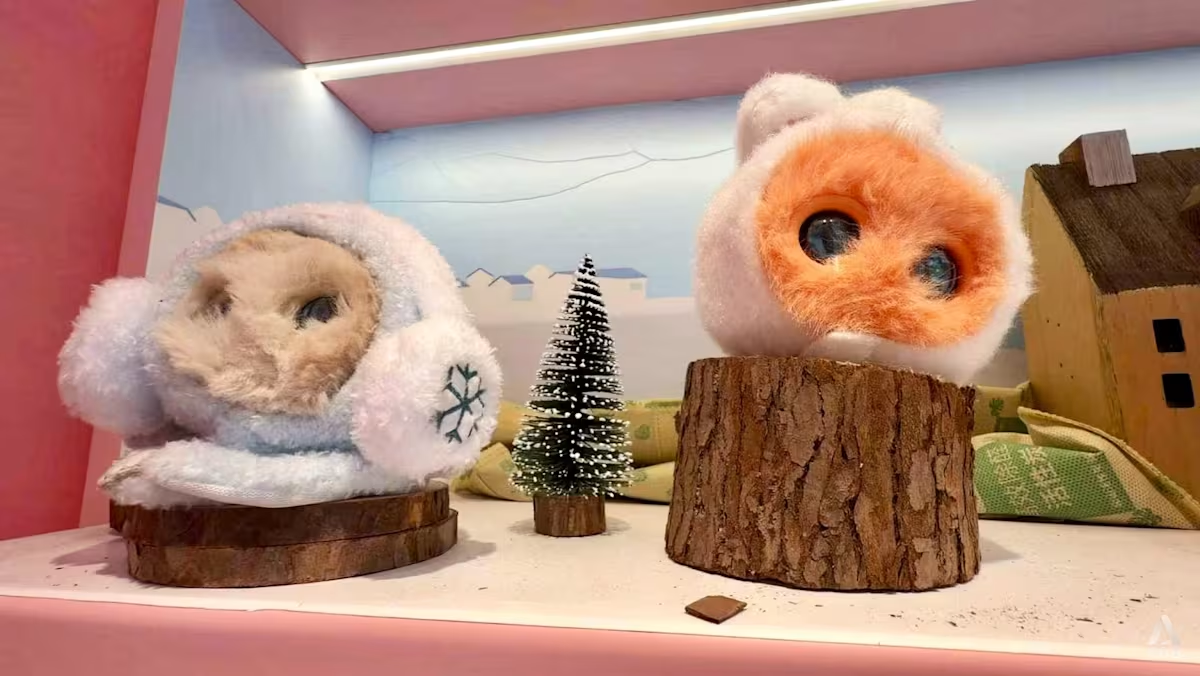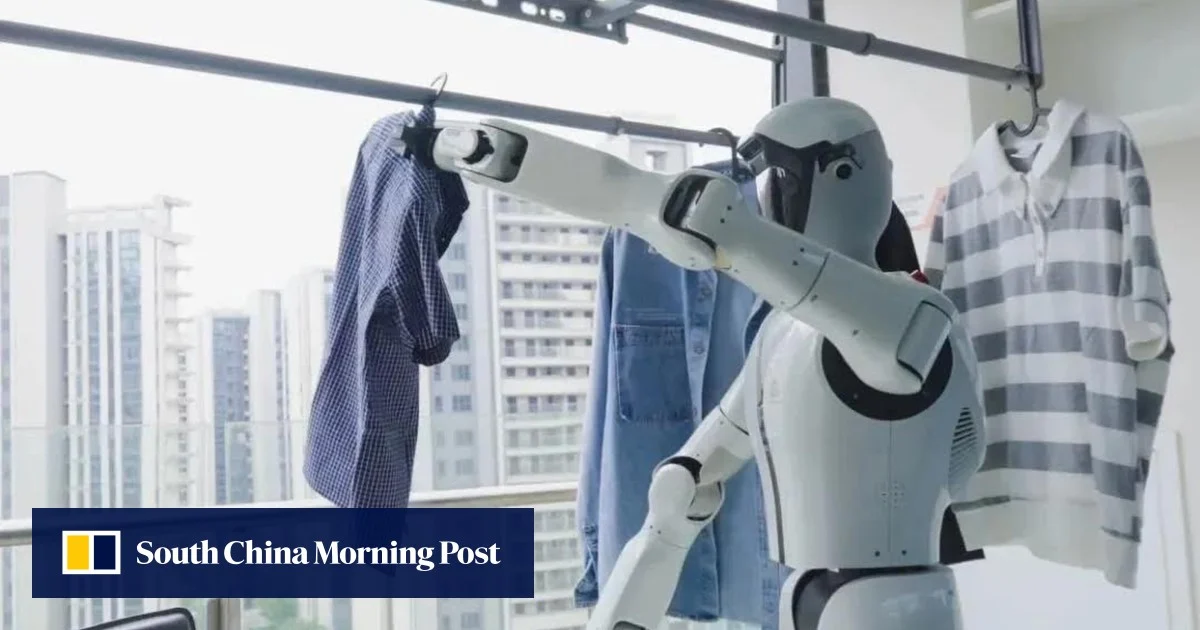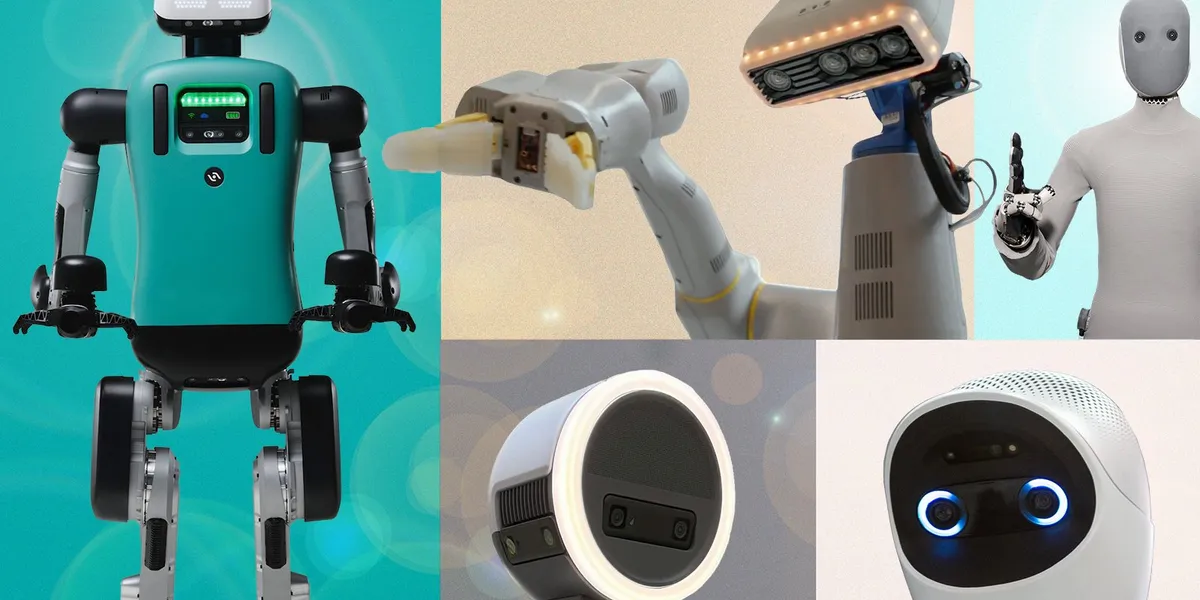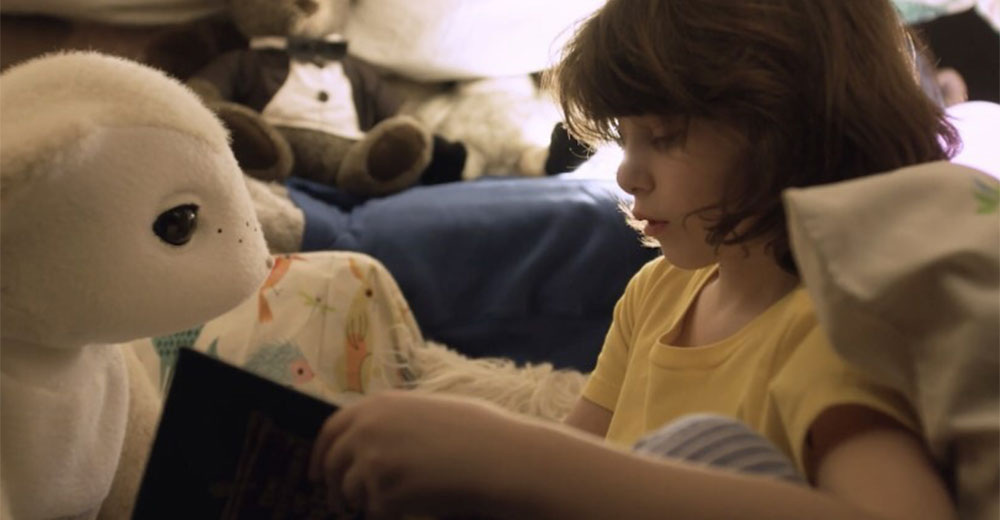
Consumer robotics companies have spent years trying to build artificial companions that feel less like toys and more like emotionally engaging household devices. From the early experiments of Atari co-founder Nolan Bushnell to today’s AI-driven robotics efforts, the category has largely struggled to move beyond novelty gadgets and awkward imitations of real companionship.
With the launch of Familiar Machines and Magic, the industry may finally be moving beyond simplistic robotic toys and toward AI-powered companions designed to feel more emotionally responsive and interactive.
The Long Road to AI Companions
To understand where robotic companionship may be heading, it helps to look at the industry’s earlier attempts. The concept of electronic companions stretches back decades, including efforts by companies like Androbot, founded by Atari co-founder Nolan Bushnell, who anticipated the home robotics market long before the technology was ready.
I owned one of those early robotic cats. By modern standards, it was primitive, but it demonstrated an important lesson about robotic companions: even relatively simple machines can create surprisingly effective emotional or behavioral responses. At the time, I also had a real cat that would constantly scratch and push against my bedroom door at night.