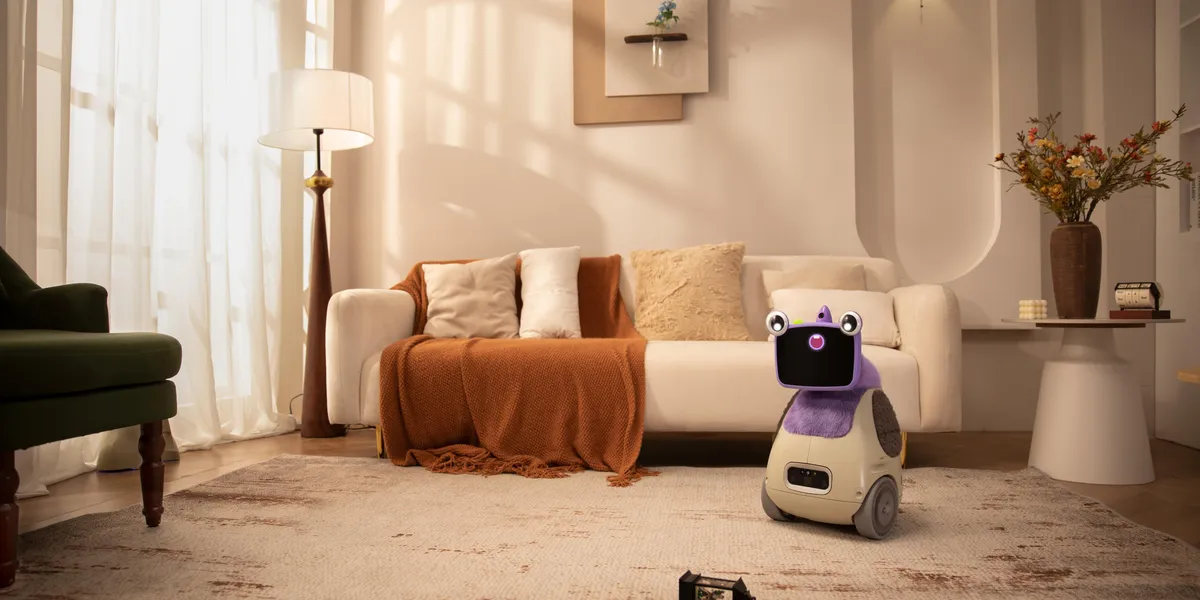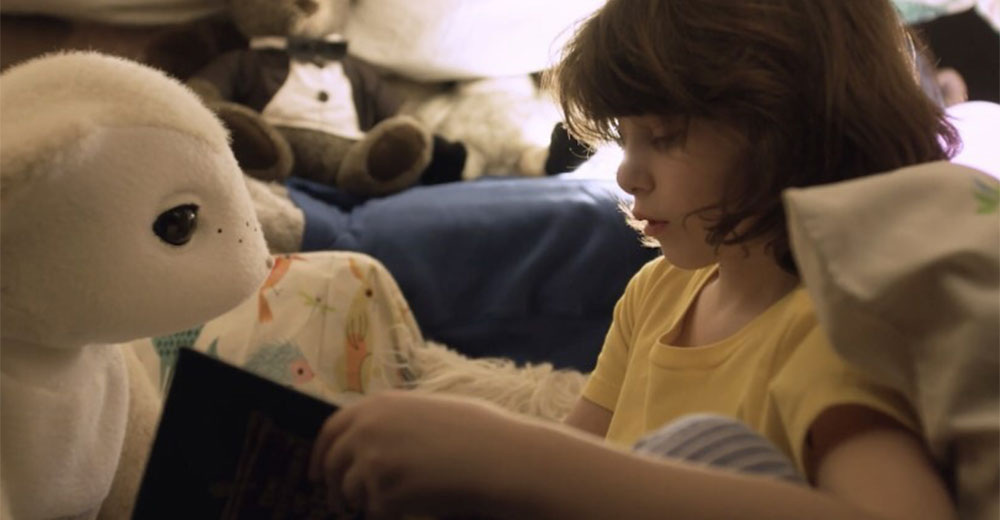
Social companion robots are no longer just science fiction. In classrooms, libraries and homes, these small machines are designed to read stories, play games or offer comfort to children. They promise to support learning and companionship, yet their role in family life often extends beyond their original purpose.
In our recent study of families in Canada and the United States, we found that even after a children's reading robot "retired" or was no longer in active and regular use, most households chose to keep it - treating it less like a gadget and more like a member of the family.
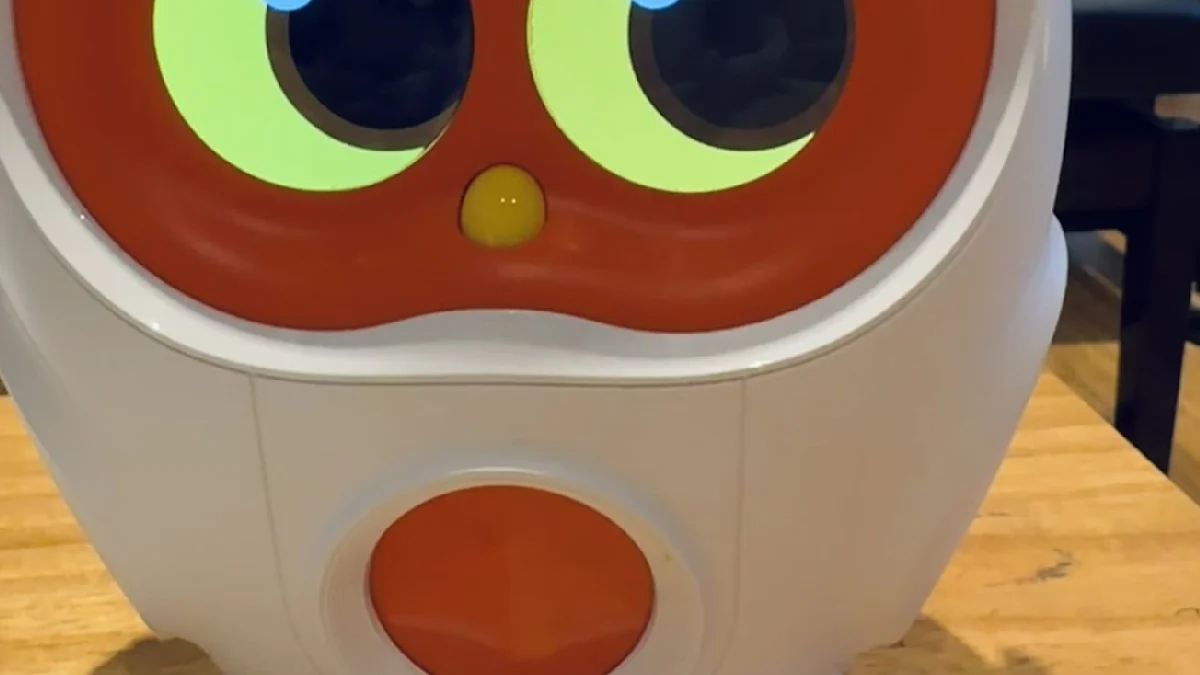
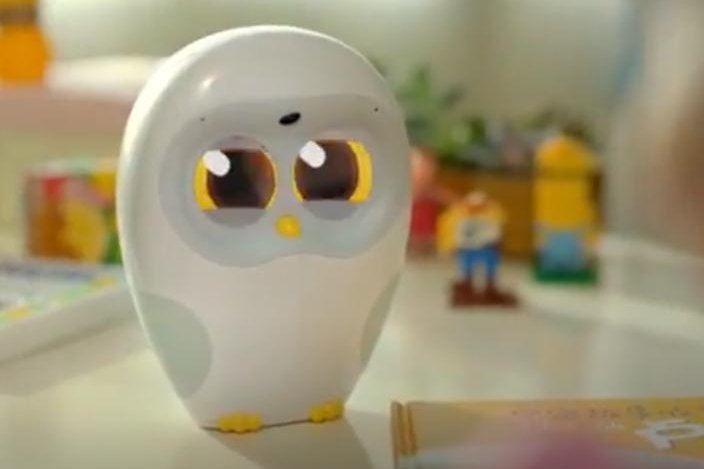
Luka is a small, owl-shaped reading robot, designed to scan and read picture books aloud, making story time more engaging for young children.
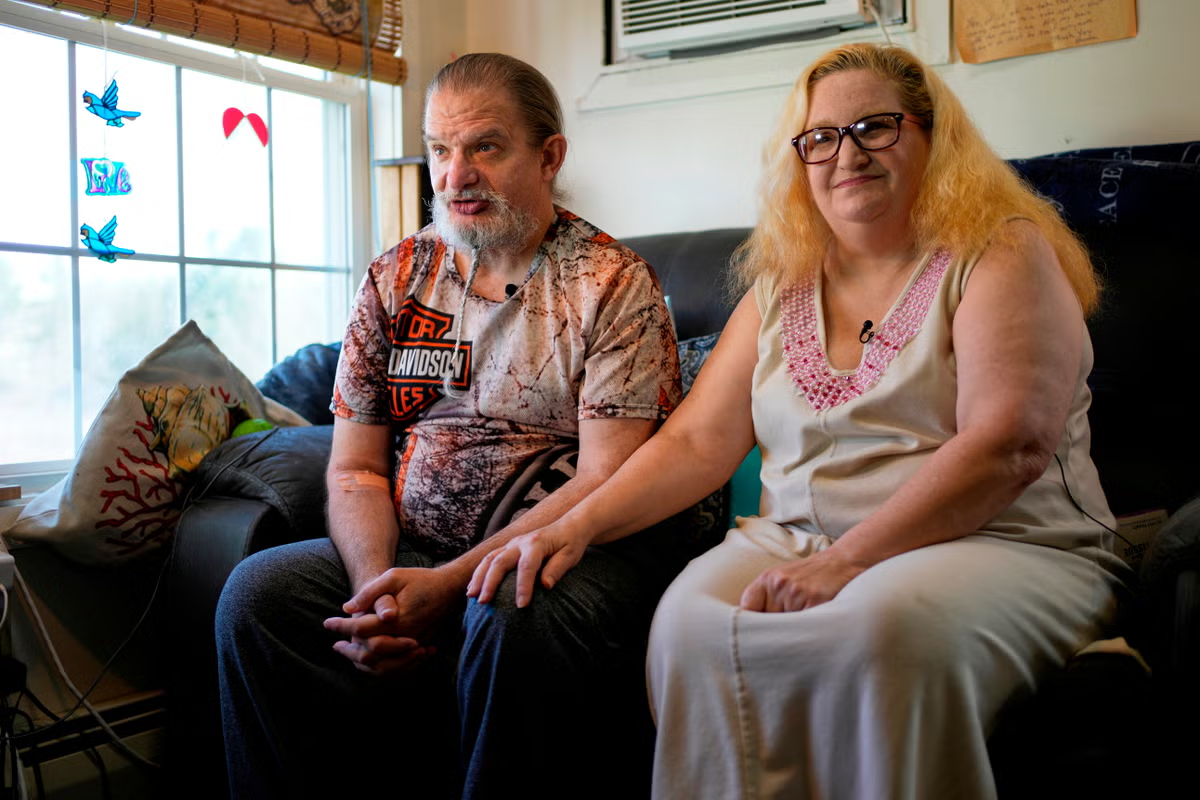
In 2021, my colleague Rhonda McEwen and I set out to explore how 20 families used Luka. We wanted to study not just how families used Luka initially, but how that relationship was built and maintained over time, and what Luka came to mean in the household. Our earlier work laid the foundation for this by showing how families used Luka in daily life and how he bond grew over the first months of use.
When we returned in 2025 to follow up with 19 of those families, we were surprised by what we found. Eighteen households had chosen to keep Luka, even though its reading function was no longer useful to their now-older children. The robot lingered not because it worked better than before, but because it had become meaningful.