A false-color image of the United Kingdom acquired by the European Space Agency's Sentinel-3A satellite. Credit: ESA
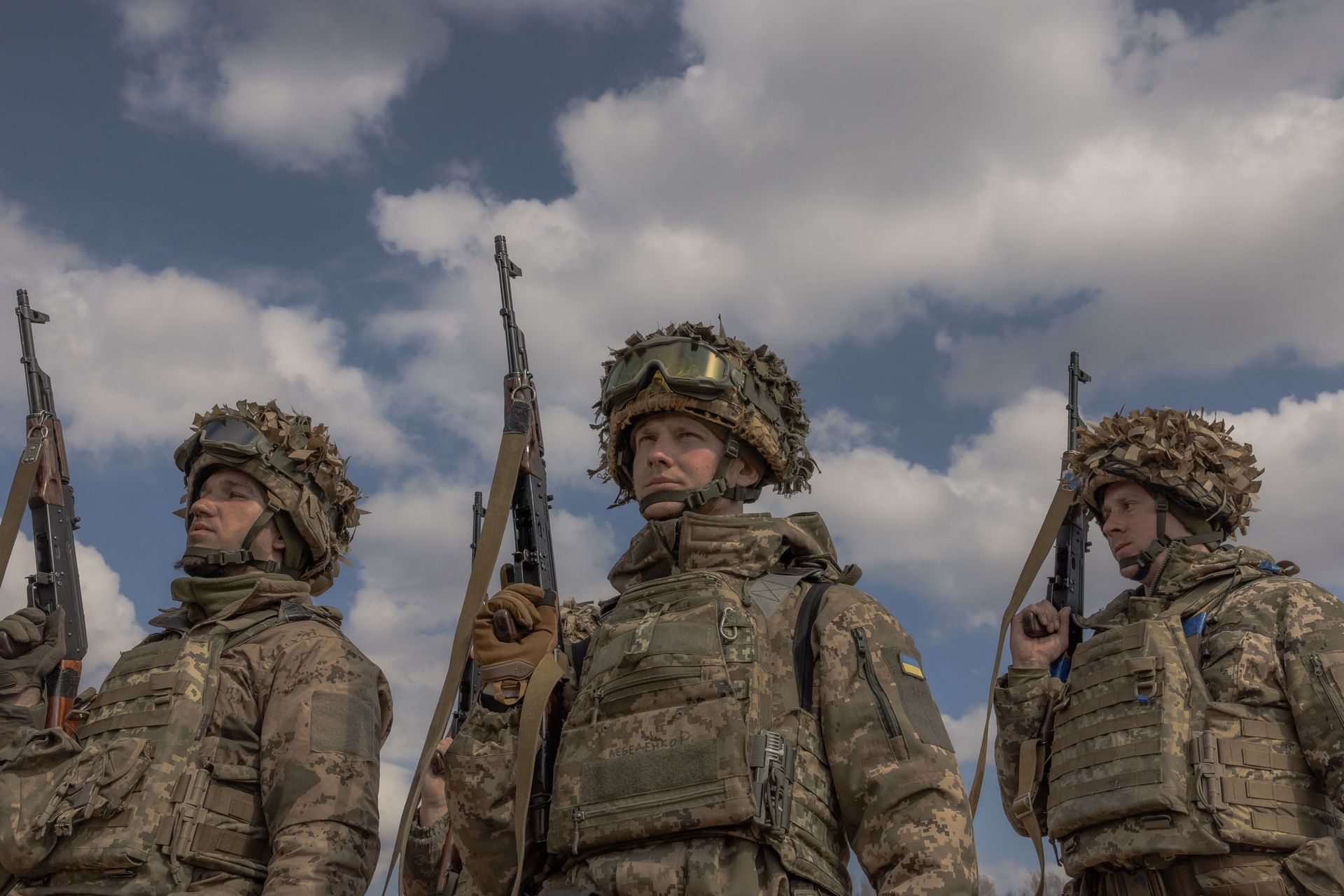
We in the West have learned many things from the conflict in Ukraine. Four years on from its full-scale invasion — the war in fact having started in 2014 — we find ourselves, or should find ourselves, with a far better grasp of the nature of war, and a far greater sense of the dangers we face. That is reflected most visibly in promises across Western Europe to increase defense spending. But what is the concrete impact of this? As many commentators have said, it’s not just what you spend, but how you spend; and the brutal reality is that even with generous and sustained investment, it takes years to create the kind of defense ecosystem that creates real deterrence.
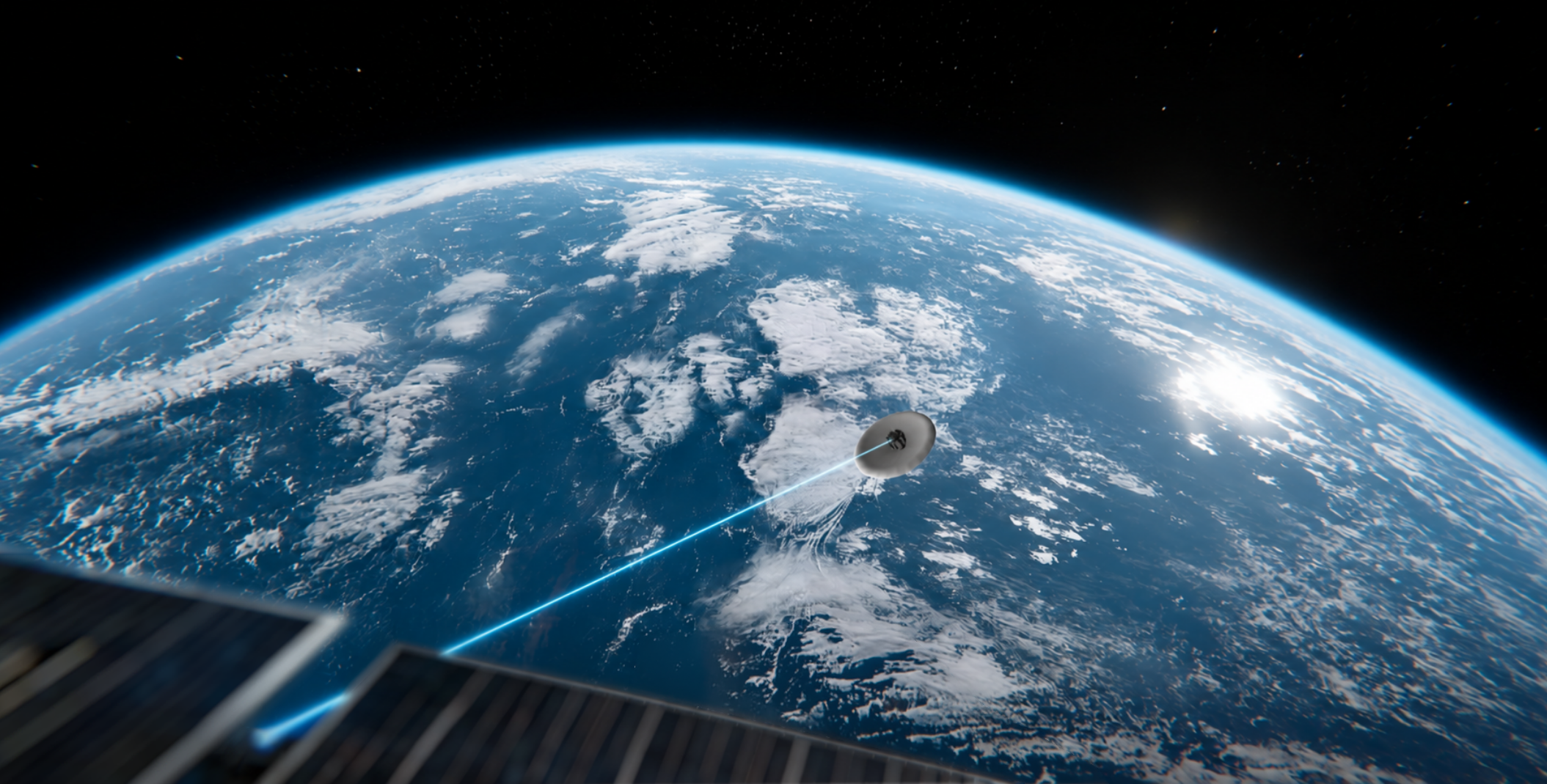
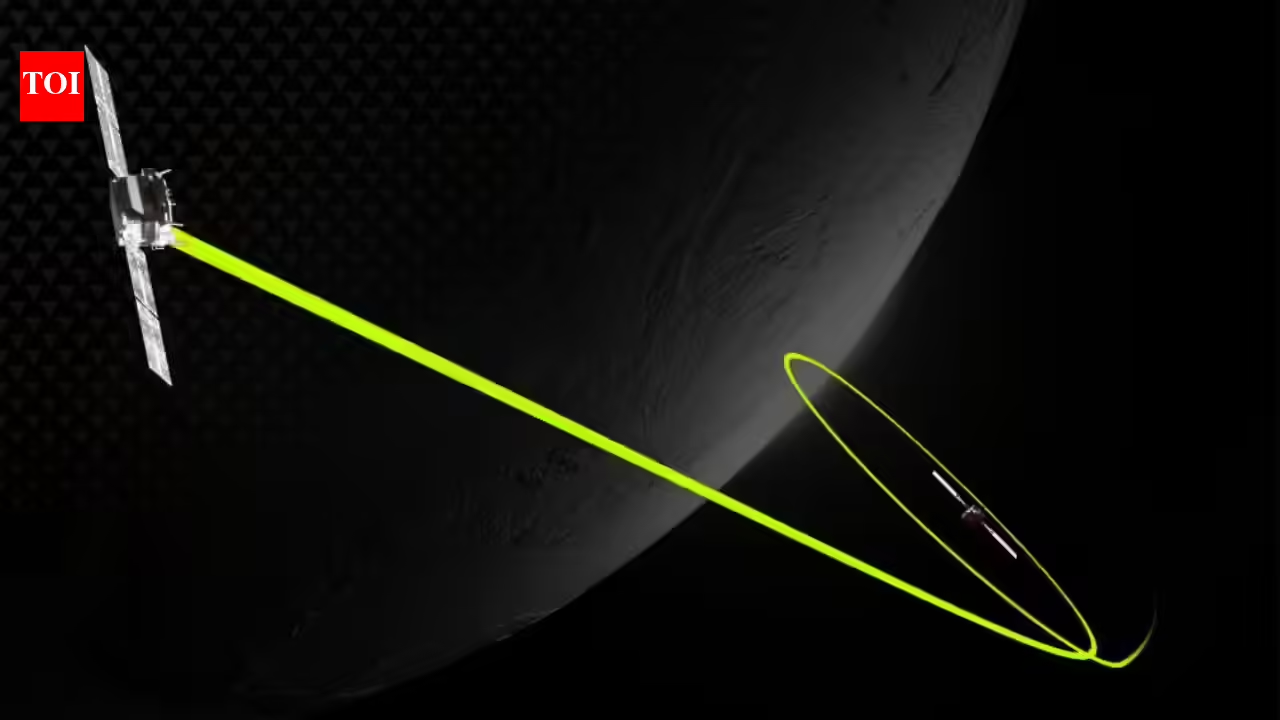
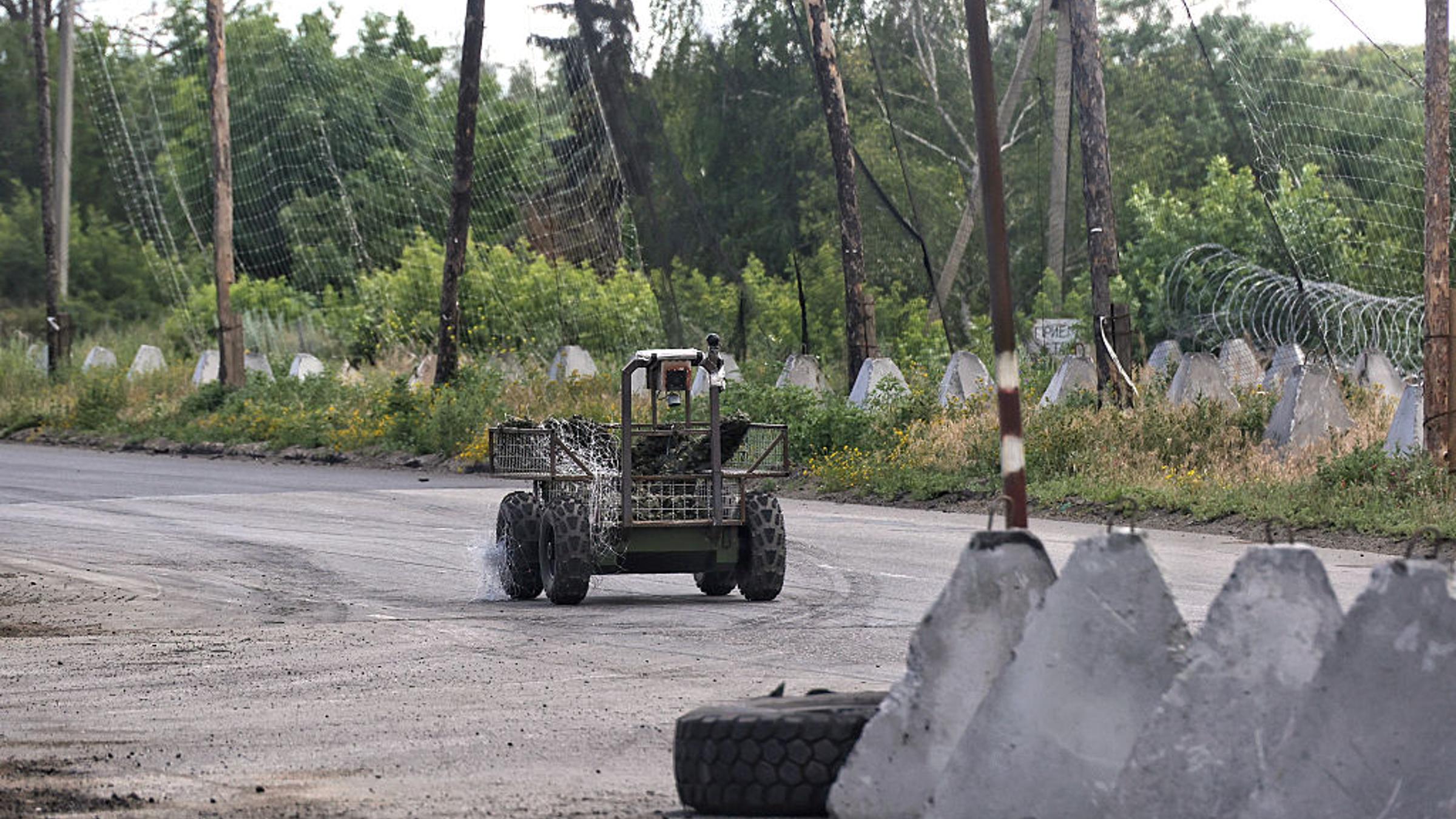
Ukraine has made crystal clear something else — something that readers of SpaceNews will probably know already, defense depends on space. The efficacy of drones, the functioning of artillery, the movement of units on the ground — all of these work optimally when space systems (specifically, Position, Navigation and Timing) are online and operating seamlessly; they start to break down rapidly when they aren’t. No wonder, then, that modern militaries seek to disrupt or disable the satellites that coordinate forces on the ground.