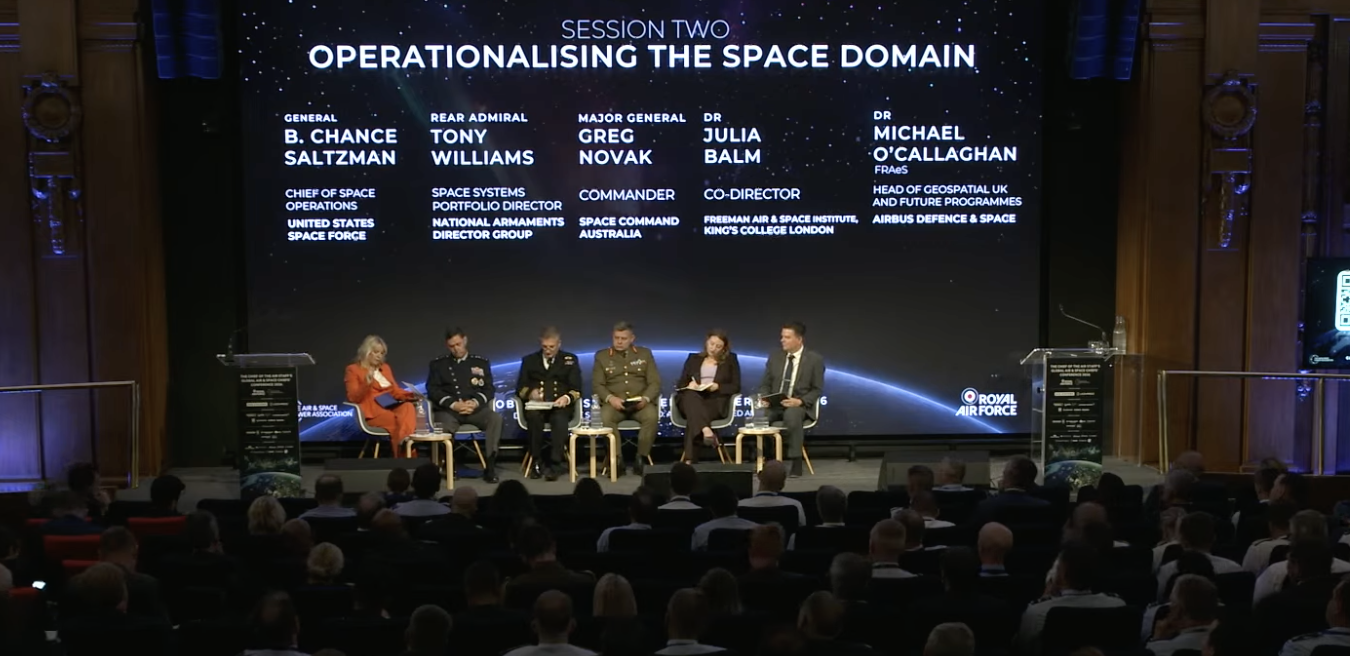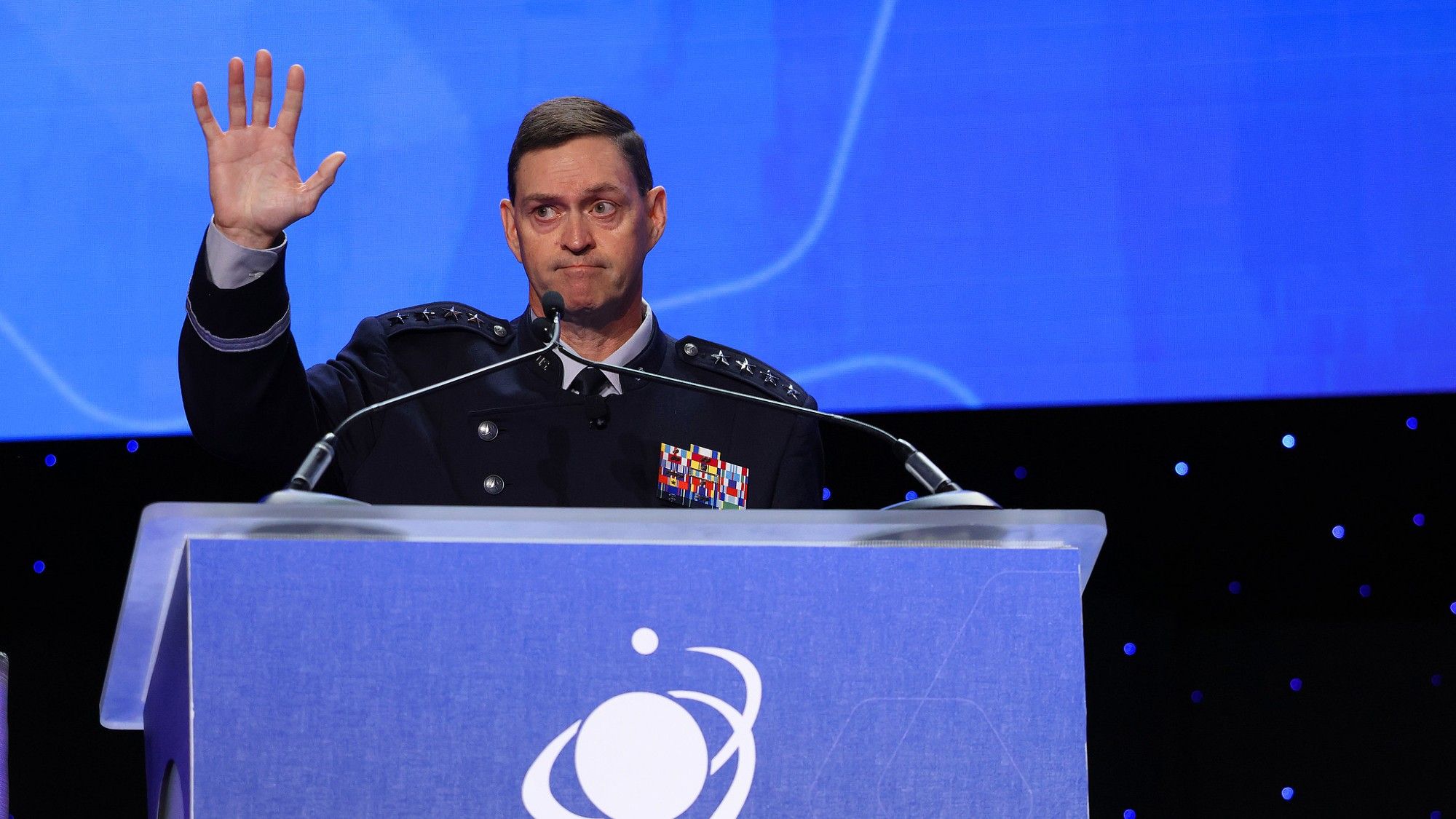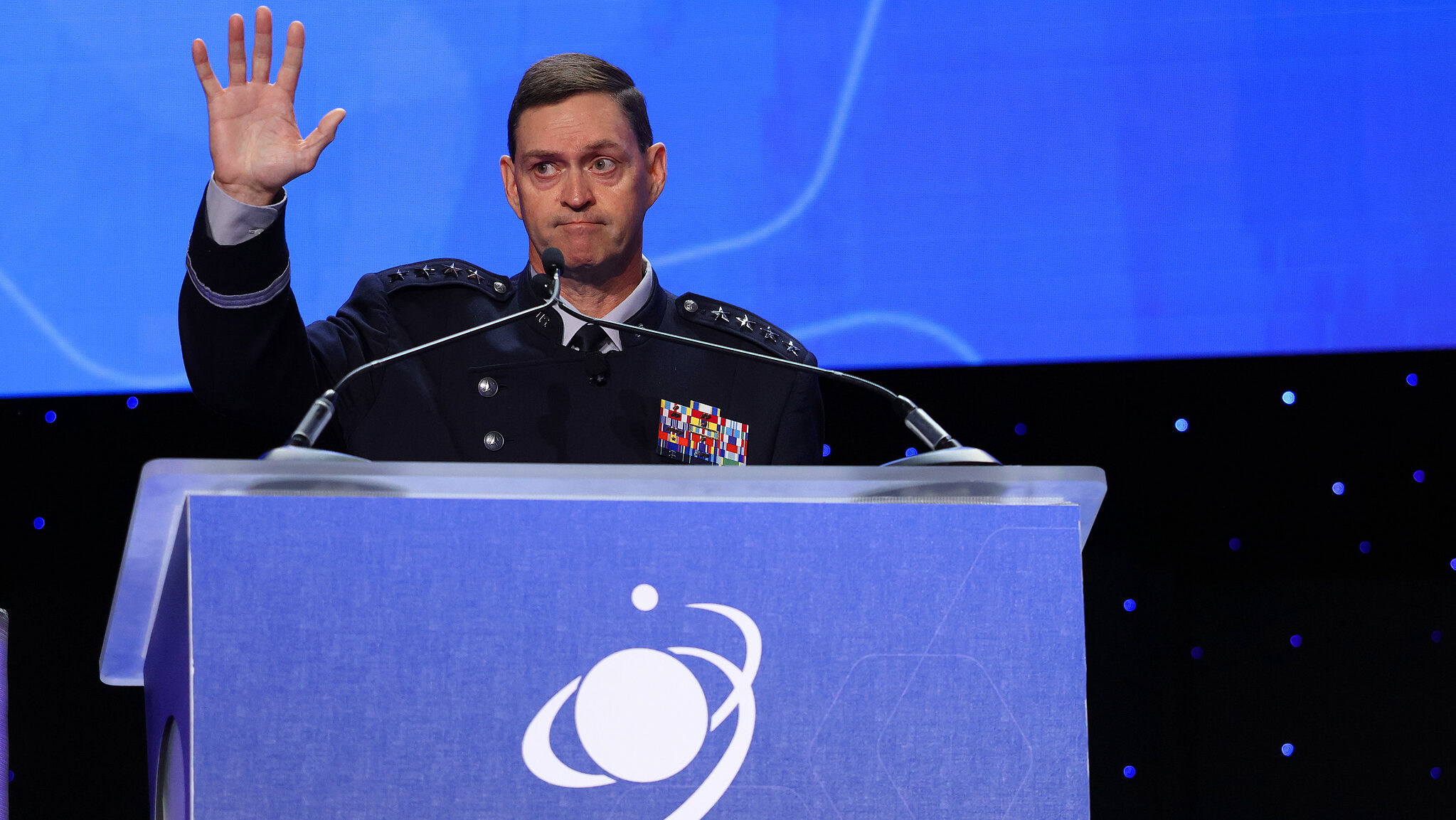
In March 2021, while serving as a senior fellow at the Brookings Institution, I hosted a discussion with General Chance Saltzman, now Chief of Space Operations for the United States Space Force. We examined how the 1991 Gulf War became, in many respects, the first “space war,” as capabilities such as the Global Positioning System (GPS) enabled precision-guided munitions and enhanced U.S. and allied military operations.
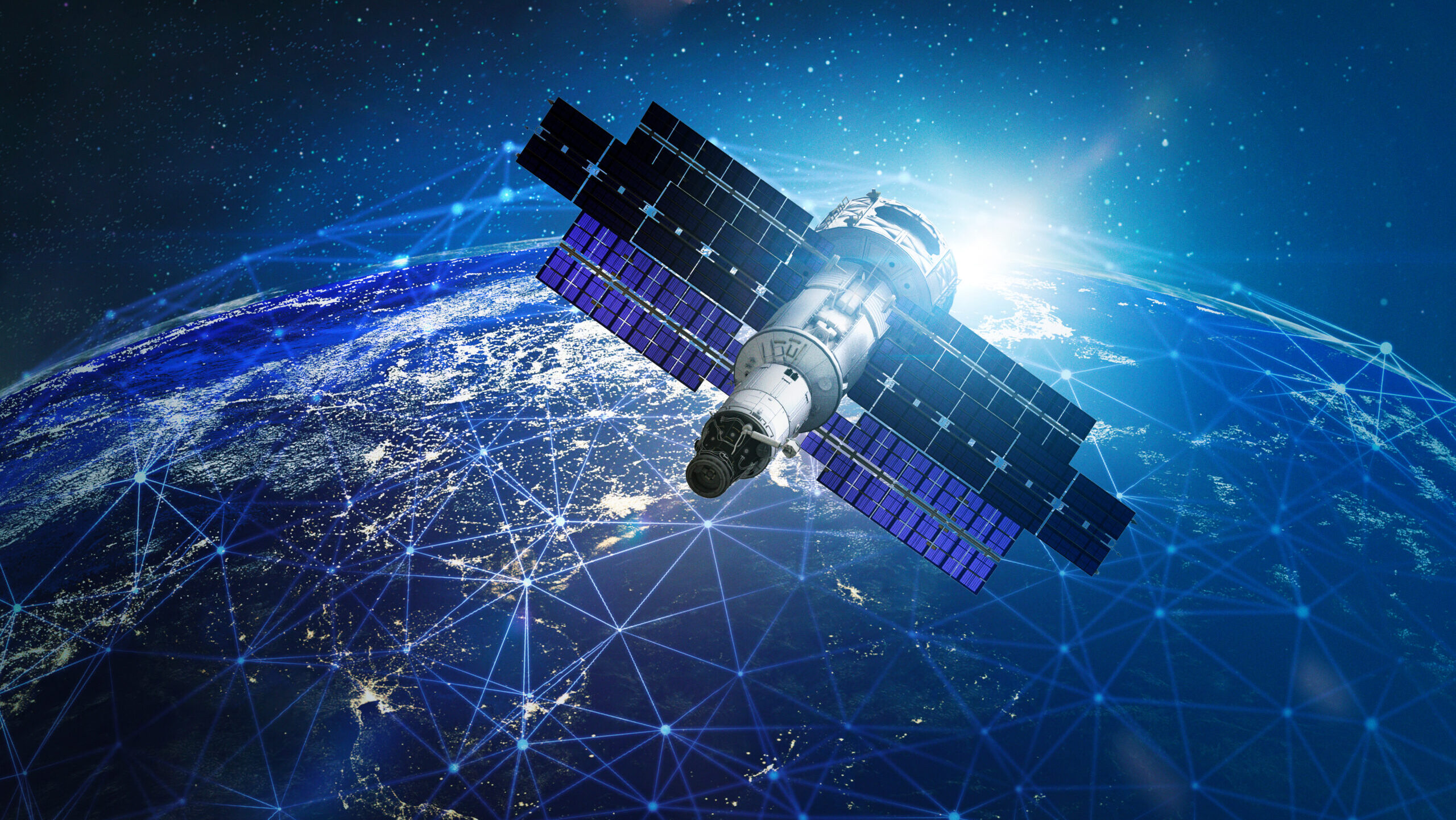
Reflecting on that conversation today raises a broader question: What have the wars in Ukraine and the Middle East taught us about the role of space in modern warfare? The central lesson is clear: Space has become even more consequential to the U.S., its allies and its adversaries. To operate effectively in this increasingly contested environment, the U.S. and its allies must strengthen coordination with the commercial space sector, protect their space systems and the data they provide and develop the means to deny adversaries the effective use of space.
Commercial space preserves Ukrainian communications
At the outset of Russia’s full-scale invasion of Ukraine in February 2022, many analysts expected Moscow to use coordinated cyberattacks and electronic warfare to destroy or severely degrade Ukraine’s communications and command-and-control networks. The objective was clear: to blind Ukrainian forces, disrupt their ability to coordinate military operations and prevent them from mounting an effective defense. Yet Russia failed to achieve that objective. A major reason was Starlink. The Ukrainian government and armed forces were able to preserve essential communications, coordinate military operations, and maintain command and control even as Russia attacked Ukraine’s conventional telecommunications networks. Ukraine’s early access to Starlink should therefore be regarded as one of the most consequential uses of commercial space capabilities in modern warfare.