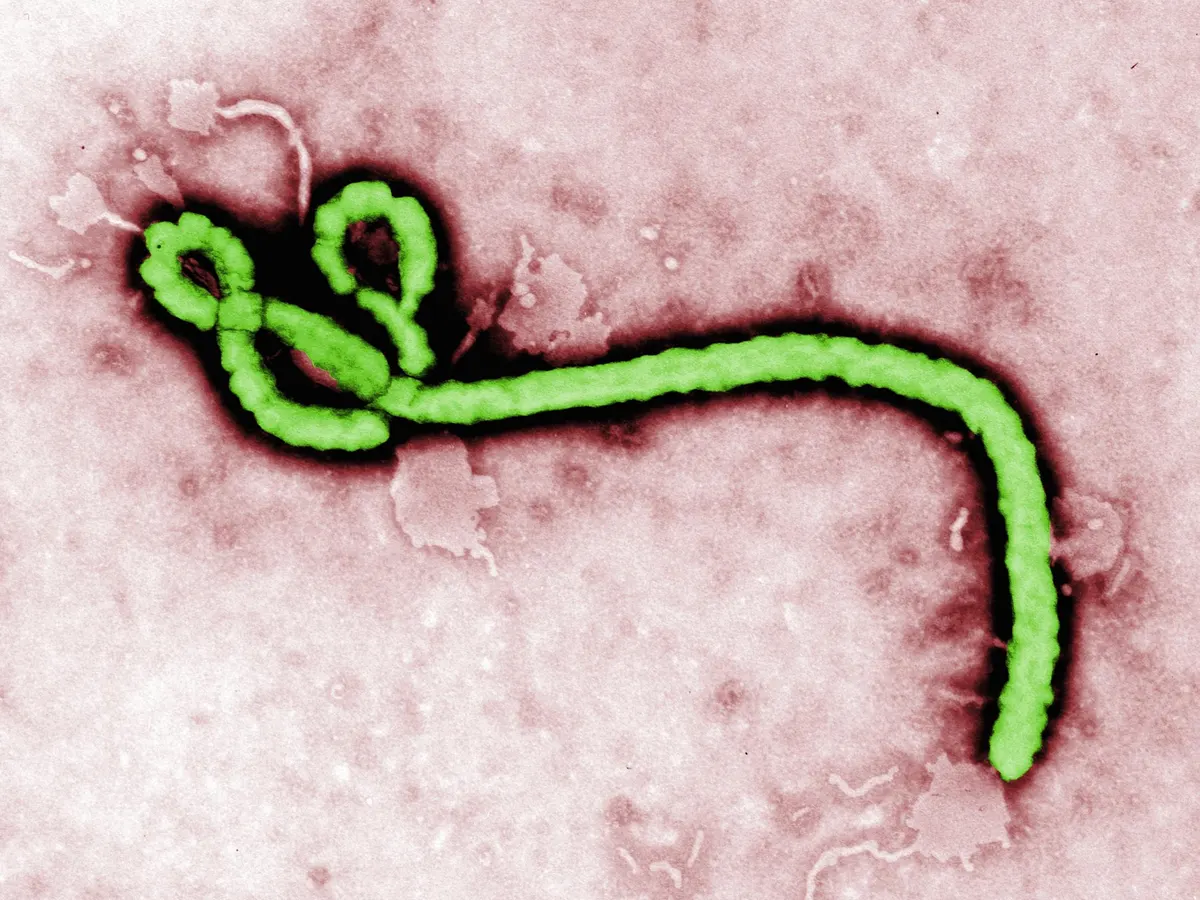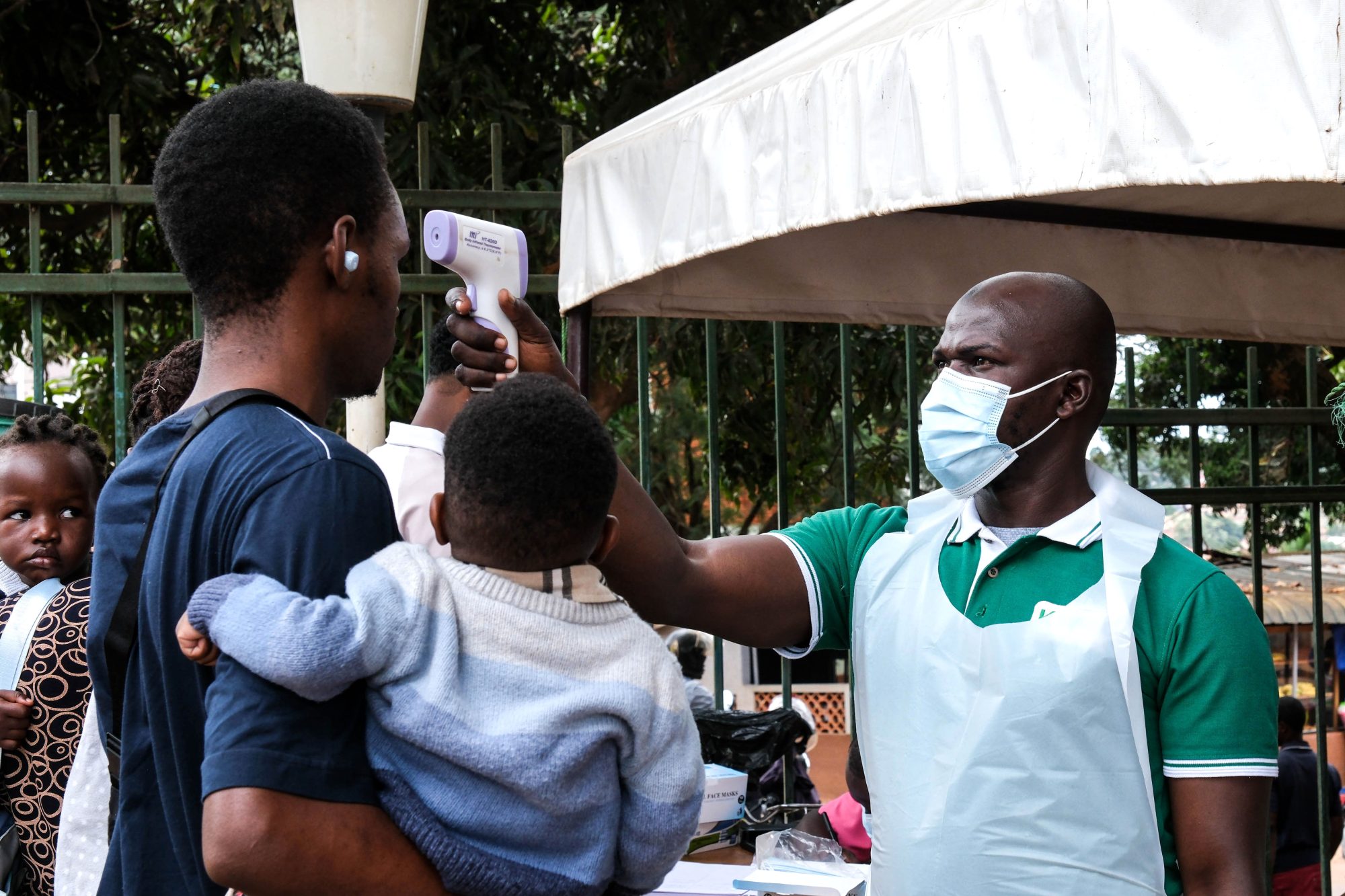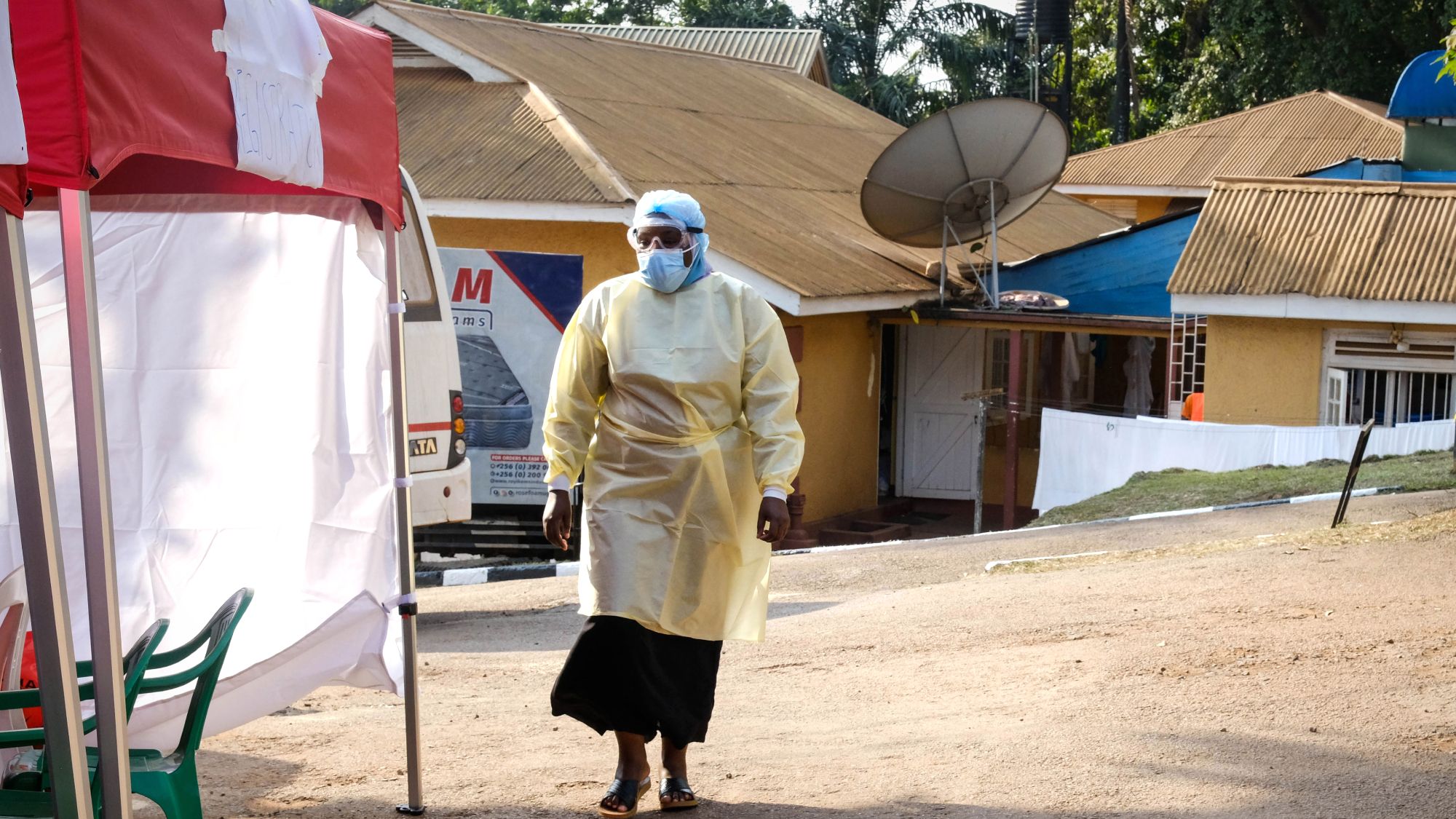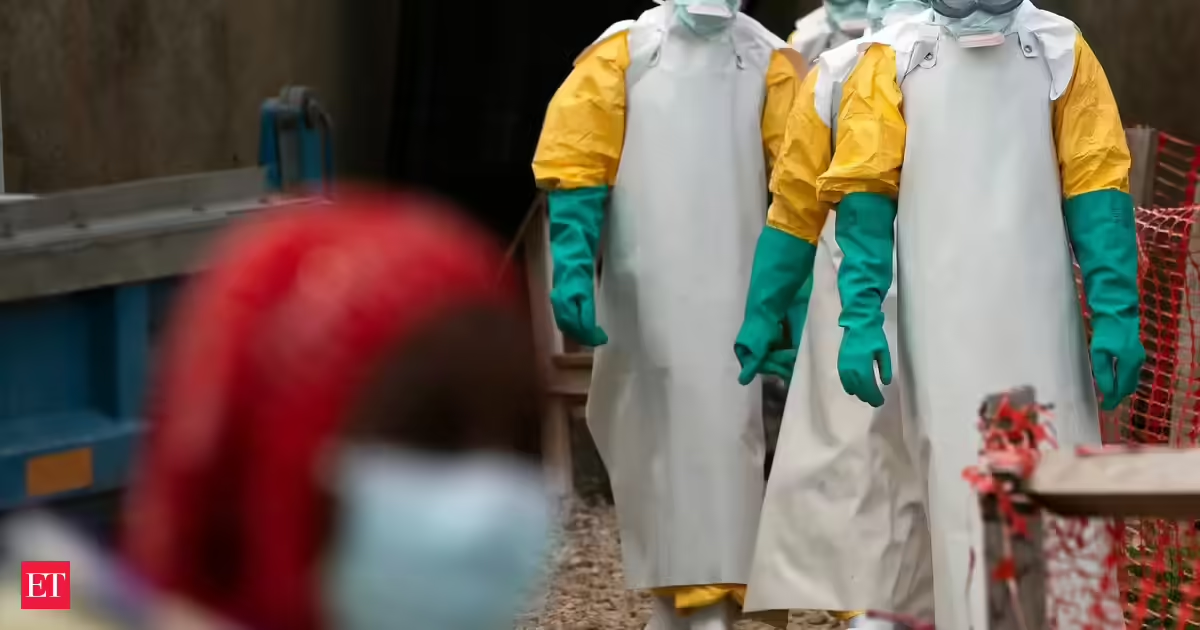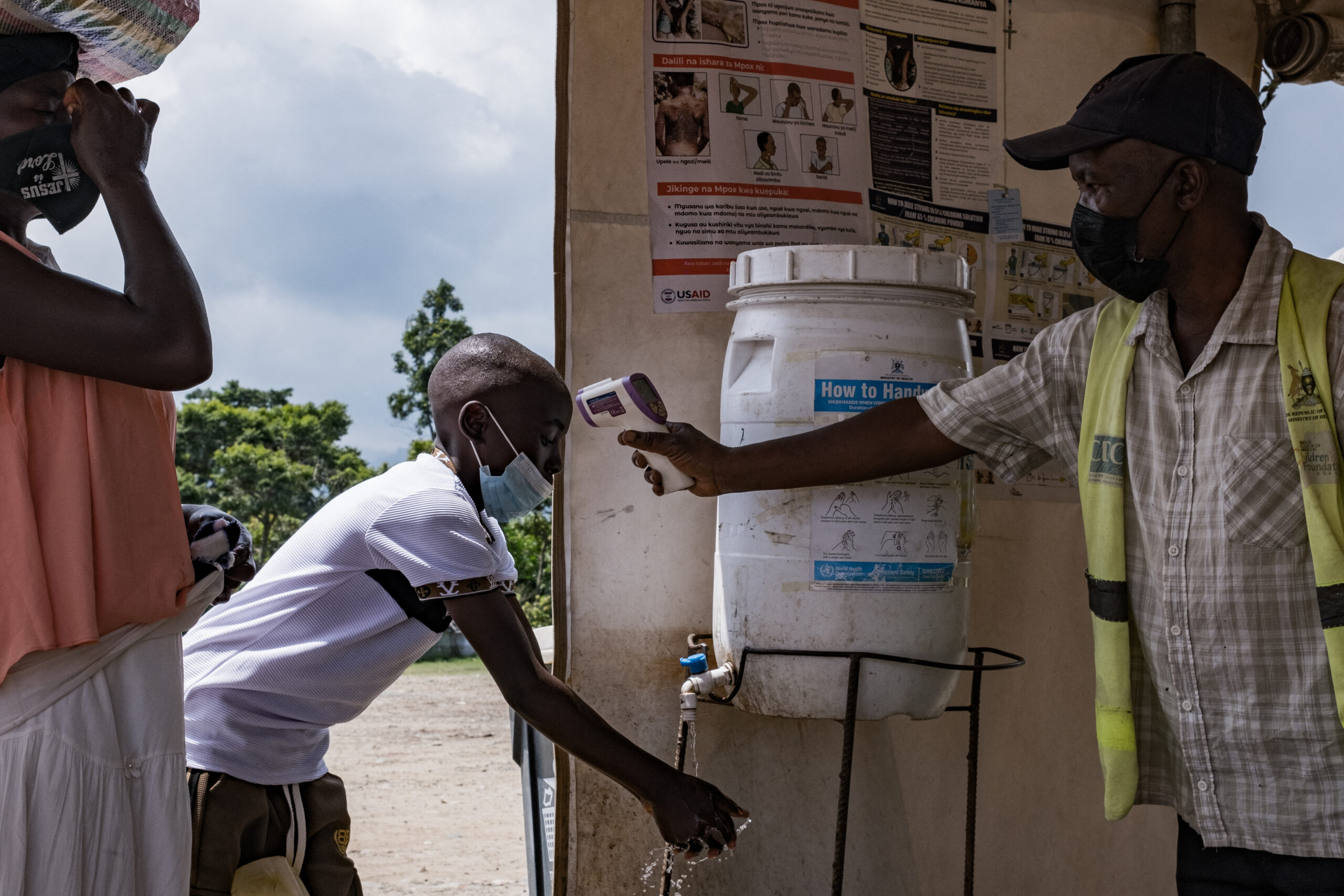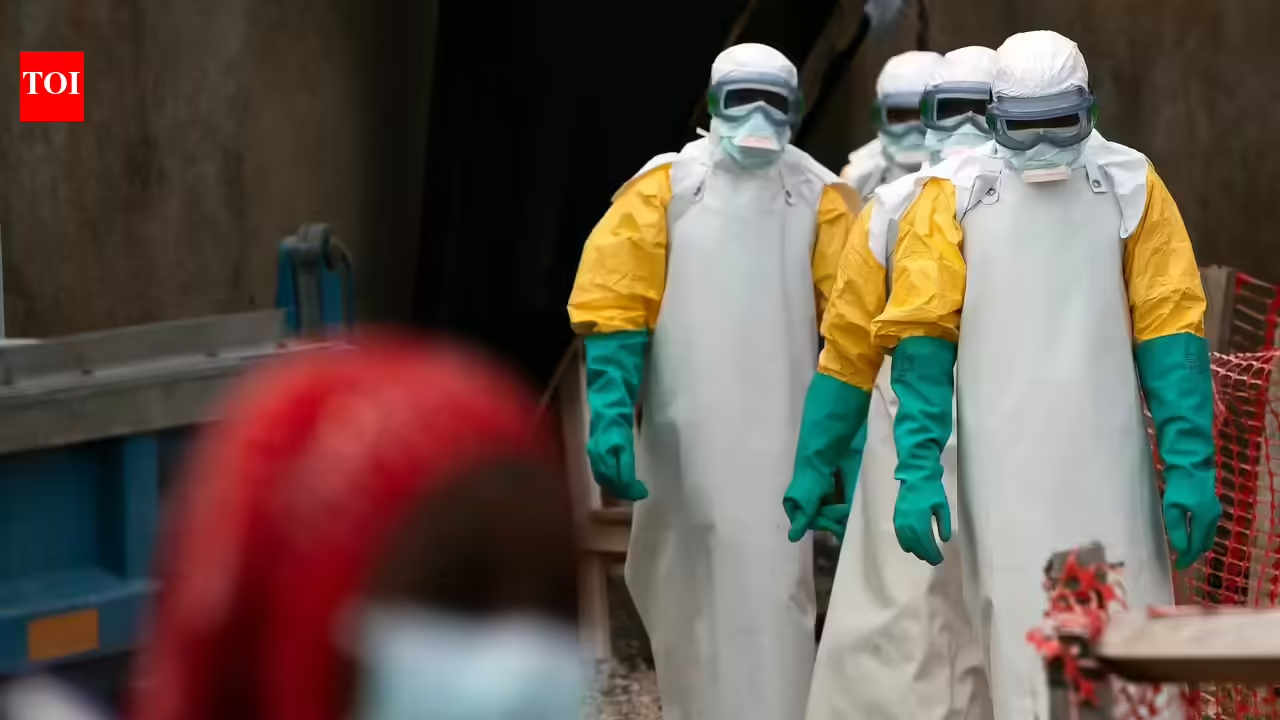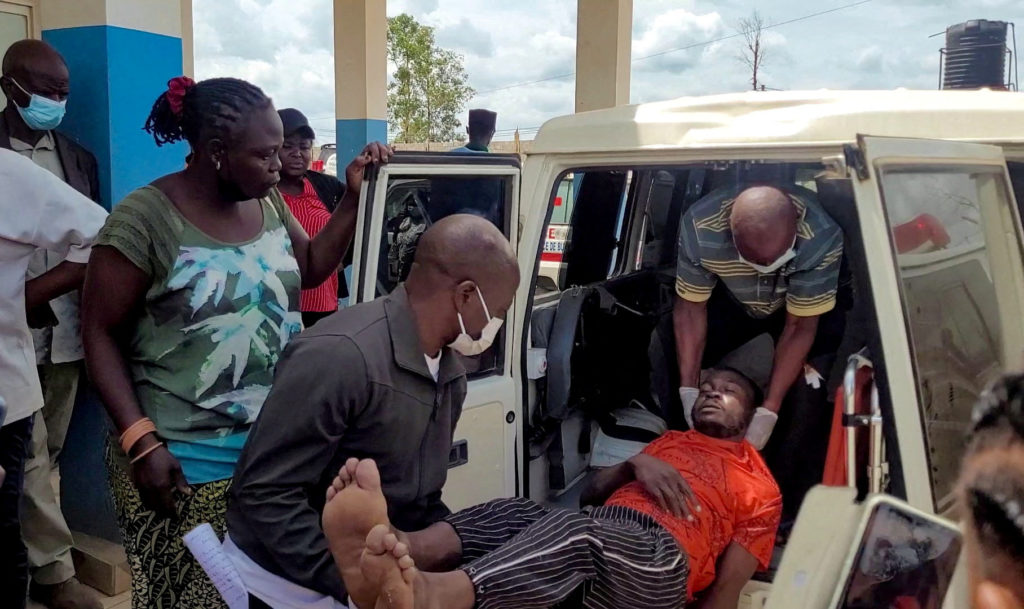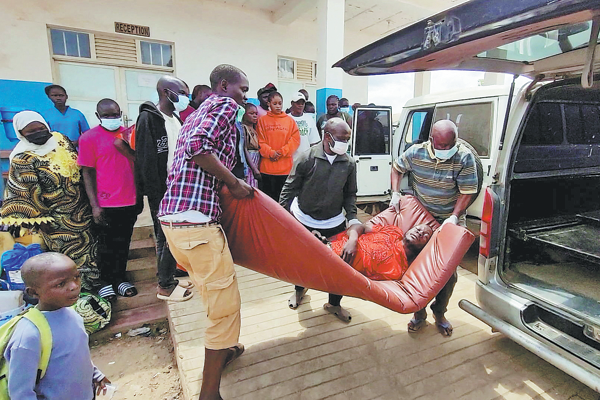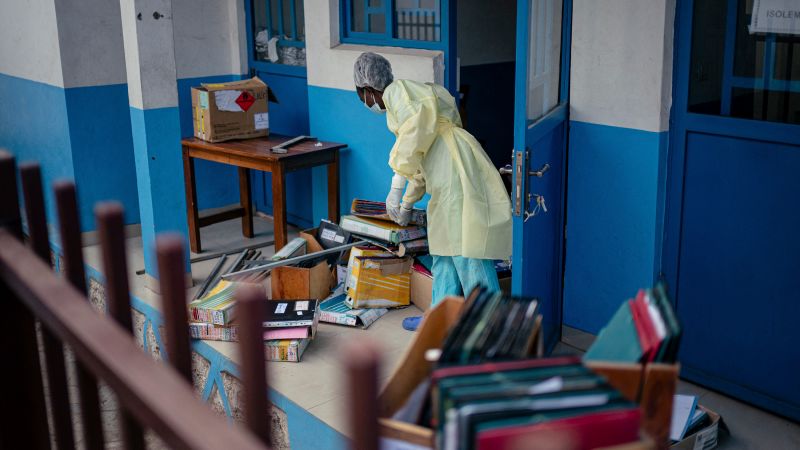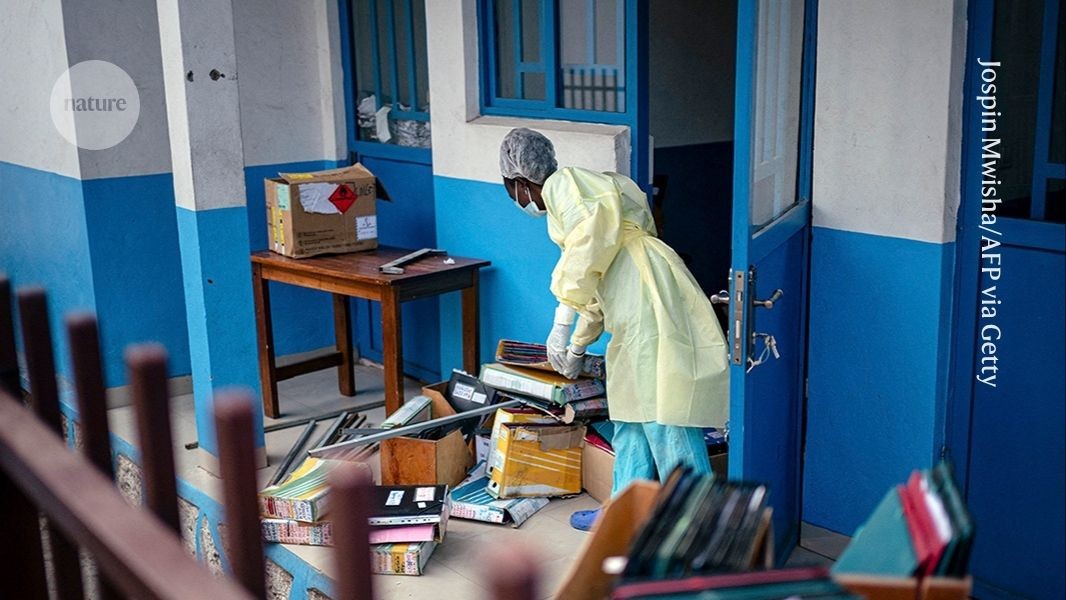
A hospital in Goma in the Democratic Republic of the Congo prepare to receive patients with Ebola.Credit: Jospin Mwisha/AFP via GettyAn outbreak of Ebola in the Democratic Republic of the Congo (DRC) has almost certainly been spreading undetected for weeks or even months, say infectious-disease researchers. The World Health Organization (WHO) declared the outbreak a public health emergency of international concern on 17 May. At least 10 people have tested positive for Ebola virus, but more than 330 people have suspected infections, according to the US Centers for Disease Control and Prevention. So far, more than 80 people are thought to have died from the disease.Infections have also been reported in neighbouring Uganda, after two people with confirmed infections entered the country from the DRC. Both countries declared outbreaks last week, according to a statement from the Africa Centres for Disease Control and Prevention in Addis Ababa.Tedros Adhanom Ghebreyesus, director-general of the WHO, said infections have been reported among people with no connection to each other. At least four health-care workers in the same hospital have died, suggesting that the virus might be spreading in clinical settings. The true number of cases is potentially much larger than what has been reported, and it is unclear how people with confirmed or suspected infections have been exposed to the virus, Tedros said in a statement.When health-care workers are affected, the health system itself becomes vulnerable and that can accelerate an outbreak, says Vinod Balasubramaniam, a molecular virologist at Monash University in Subang Jaya, Malaysia.On 15 May, a national laboratory in the DRC confirmed that the outbreak was caused by the Bundibugyo species of Ebola virus, which has a reported fatality rate of between 25% and 50%. As with the other Ebola viruses that infect people, Bundibugyo is spread through contact with an infected person’s blood or other bodily fluids.There have been only two previous documented outbreaks caused by the Bundibugyo species, says Siouxsie Wiles, a microbiologist at the University of Auckland in New Zealand. The first was reported in 2007 in the Bundibugyo district of Uganda; the second was in 2012 in the DRC. There are no approved vaccines or treatments for this species, and most rapid diagnostics tests used in the field are designed to detect the more common Ebola Zaire.Kirsten Spann, a virologist at Queensland University of Technology in Brisbane, Australia, says the most important action required at this stage is getting more diagnostic tests and more places that can perform that testing in the DRC, Uganda and the surrounding African nations. This will enable infections to be identified in people with mild symptoms and help to reduce spread.Outbreak originThe outbreak was first reported in Ituri province in the east of the DRC. A health-care worker who reported fever, vomiting and bleeding on 24 April, and later died, is thought to have been the first person to be infected.The virus has a long incubation period — from 2 to 21 days, which means that it has probably been spreading for a couple of months given the number of infections reported so far, says Raina MacIntyre, an epidemiologist at the University of New South Wales in Sydney, Australia. The delay in detecting the outbreak could also be because other diseases such as measles, mpox and malaria are currently spreading in the region, which health-care workers are dealing with, she adds.The ongoing conflict in the DRC — where armed groups continue to carry out attacks in Ituri province — has also probably contributed to the undetected spread of this species of Ebola virus, says Wiles. “It’s a very mobile population who are trying to escape the conflict,” Wiles says. Constant migration, along with little access to health care, would have caused the virus to spread undetected for a long time, says Wiles.A major concern among public-health officials is whether the virus will spread to more countries, says MacIntyre. Countries that share borders with the DRC are considered at high risk for further spread, says the WHO, which has advised neighbouring countries to start active surveillance for the virus.
Ebola outbreak is a global health emergency: what happens next
The outbreak is only the third caused by the rare Bundibugyo virus, for which there are no approved vaccines or therapeutics.
676 words~3 min read