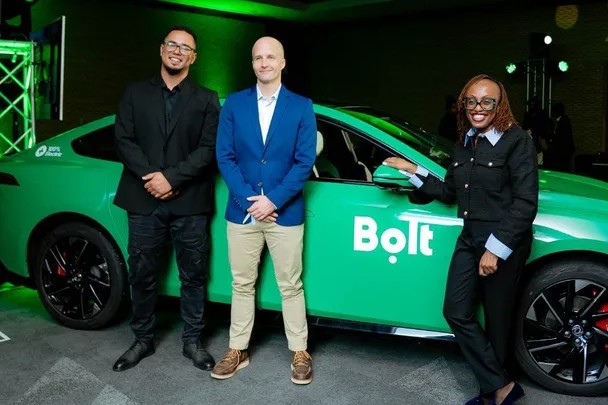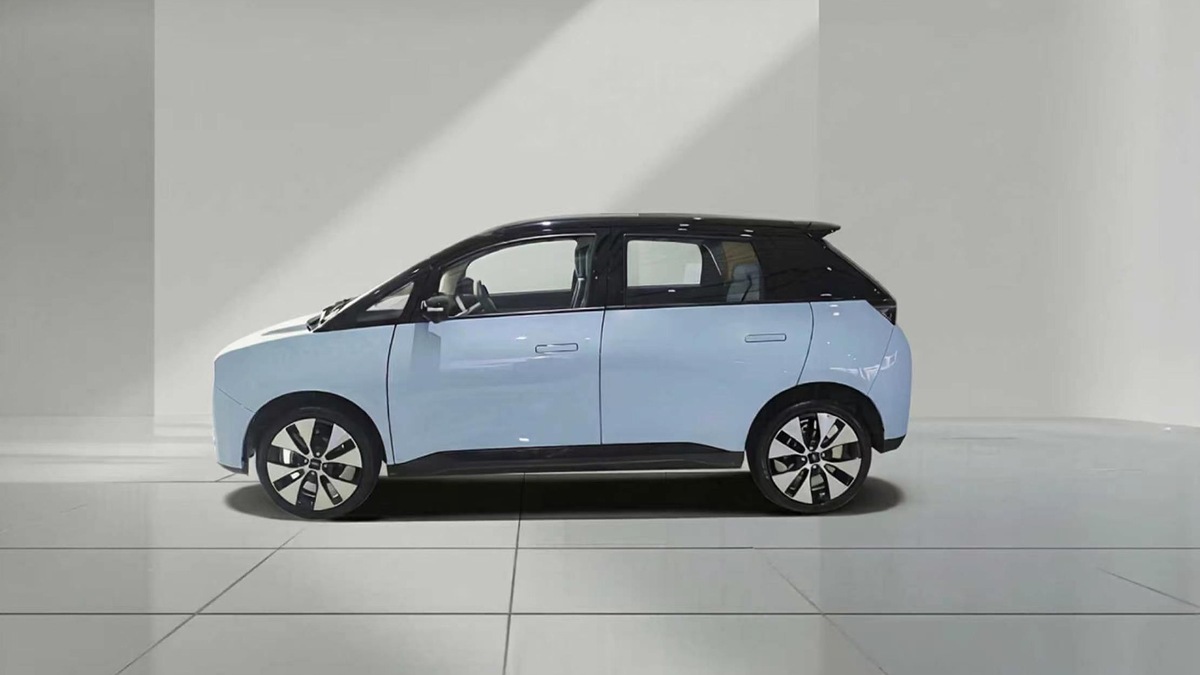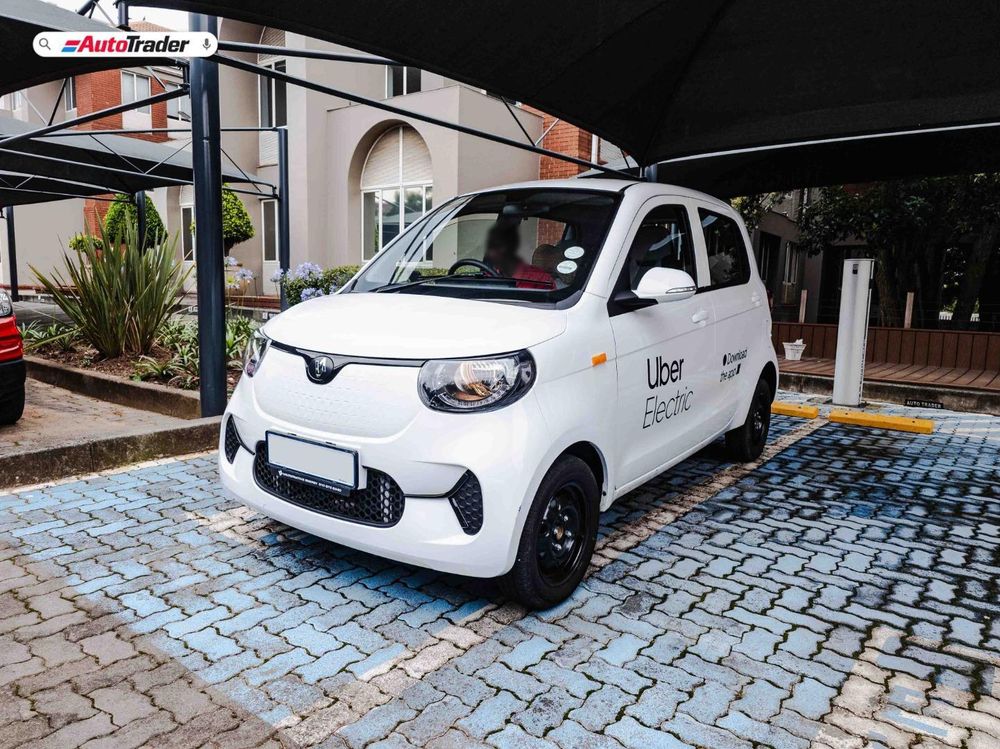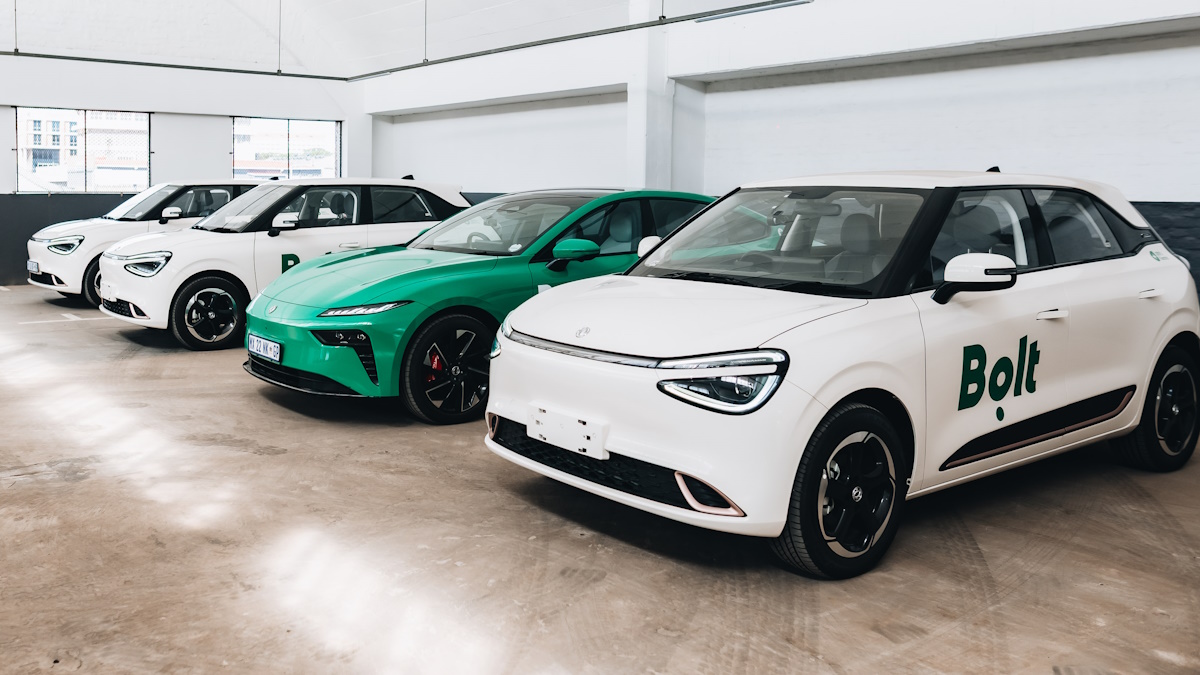
Bolt plans to scale to 500 EVs by 2026, as it expands its African sustainable mobility strategy. (Image supplied) Ride-hailing platform Bolt has launched an electric vehicle (EV) category in South Africa, starting in Cape Town, through a fleet partnership with YugoRide.YugoRide will provide the fleet and operational support model, and Bolt plans to scale the category to 500 EVs by the end of 2026, with Johannesburg next in line for rollout.It forms part of Bolt’s broader African electric mobility strategy, following similar initiatives in Kenya and Nigeria. Globally, the company says it now operates EV ride categories in more than 70 cities.Speaking at the launch event in Cape Town, Caroline Wanjihia, regional director for rides in Africa and international markets at Bolt, said South Africa has become “one of Bolt’s most important metro markets globally” during the company’s 10 years of operating in the country.Wanjihia said Bolt currently operates across nine African countries and more than 100 cities on the continent.“For us, Africa is not simply another market. It is central to our long-term strategy,” she said.According to Bolt, the South African expansion follows its recent 10-year milestone in the country and comes after the company announced it had contributed R3 billion to the local economy through its platform.Wanjihia said Bolt sees EV adoption as a sustainability and economic opportunity, particularly for drivers, through reduced fuel and maintenance costs.“We are not simply talking about electric mobility in Africa; we are actively building it.”She added that Bolt’s African EV initiatives already include electric motorbikes in Kenya and electric tricycles in Nigeria, with South Africa becoming “the next important chapter” in the company’s EV expansion strategy.Graham Walker, senior operations manager for driver and fleet operations at Bolt South Africa, said the initiative was about more than introducing electric vehicles into the market.“Today is bigger than the launch of electric vehicles. It’s about the country we want to build and whether we watch the future arrive somewhere else, or whether we have the courage to lead it ourselves.”Walker said the first EVs had already been operating on Cape Town roads in recent months through collaboration with YugoRide, before the official launch.He also highlighted ongoing challenges facing the e-hailing sector, including driver safety concerns, rising maintenance and insurance costs, and regulatory uncertainty.Bolt aims to help accelerate the transition toward cleaner, more accessible and economically-sustainable urban transport in SA. (Image supplied) According to Walker, the YugoRide partnership aims to create a more structured fleet model focused on vehicle quality, driver safety and operational sustainability.He argued that sustainable mobility initiatives must also address economic inclusion.“We cannot speak about sustainability, while ignoring unemployment. We cannot speak about innovation, while excluding working-class people from opportunity.”Walker added that the pilot EV fleet was already outperforming some internal benchmarks within Bolt’s broader network, while delivering lower operating costs and reduced emissions.William Huang, co-founder of YugoRide, said large-scale EV adoption in South Africa will depend on broader ecosystem support, including charging infrastructure and operational partnerships.“We recognised that if South Africa’s transition to electric mobility was going to succeed, it required more than just vehicles – it required infrastructure, operational support and the right strategic partners.”He added that the partnership with Bolt aimed to address some of the long-standing operational and safety challenges within the e-hailing industry.According to Huang, the company wanted to improve the quality, affordability and accessibility of ride-hailing services, while building a more sustainable transport model.Huang argued that rising fuel prices and the increasing maintenance costs associated with internal combustion engine vehicles were accelerating the shift towards electric mobility. “We believe EVs are the only sensible option.”He said YugoRide’s model combines EV fleets with charging infrastructure and energy storage capability, enabling the company to deploy both grid-connected and off-grid charging stations nationally.According to Huang, Cape Town was selected as the launch city because of what he described as the metro’s progressive approach to next-generation mobility solutions.“EV and green mobility is no longer a topic of tomorrow. It is a reality we live through daily. It has arrived.”Huang also highlighted safety and employment creation as key pillars of the initiative. He said the fleet uses real-time trip monitoring technology aimed at improving safety for both drivers and riders, while the rollout is also expected to support job creation across the mobility value chain.“For every vehicle that we put out there on the streets, we create more than three jobs, direct and indirect.”The City of Cape Town has also welcomed the launch. Roberto Quintas, mayoral committee member for urban mobility at the City of Cape Town, said the initiative aligns with the metro’s carbon-neutrality ambitions.“Every electric Bolt vehicle on Cape Town’s roads contributes directly to our goal of carbon-neutrality by 2050.”Bolt says the EV category is intended to support cleaner urban transport, while improving driver earnings through lower operating costs associated with electric vehicles.
Bolt intros electric vehicle fleet in Cape Town
The rollout will tackle rising costs, improve driver safety and support job creation, as SA’ e-hailing sector shifts towards electric mobility.
804 words~4 min read