Kampala skyline, by Asilia Africa.
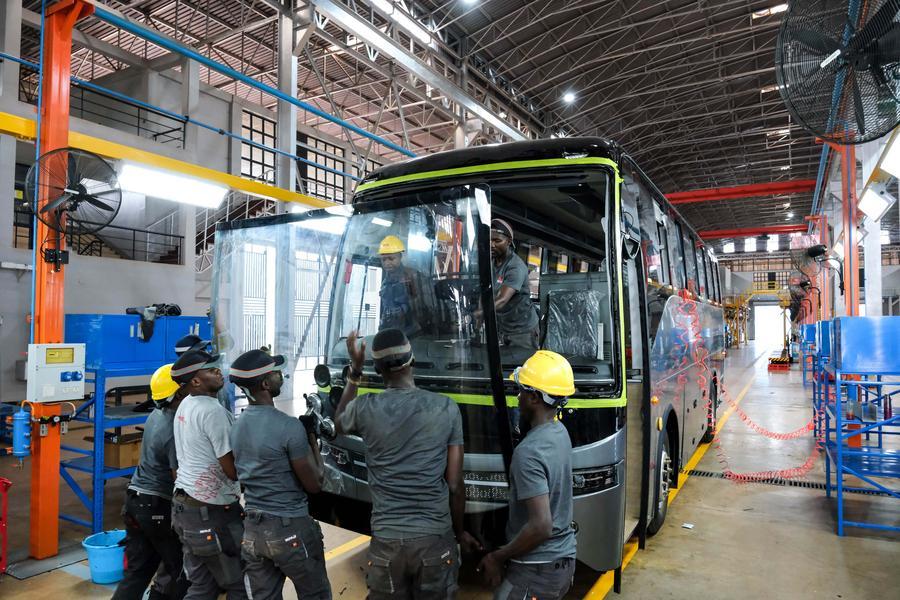
The African nation of Uganda has announced a new National E-Mobility Strategy that it hopes will energize its manufacturing sector by transitioning the country’s public transit sector fully away from fossil fuels by 2030.
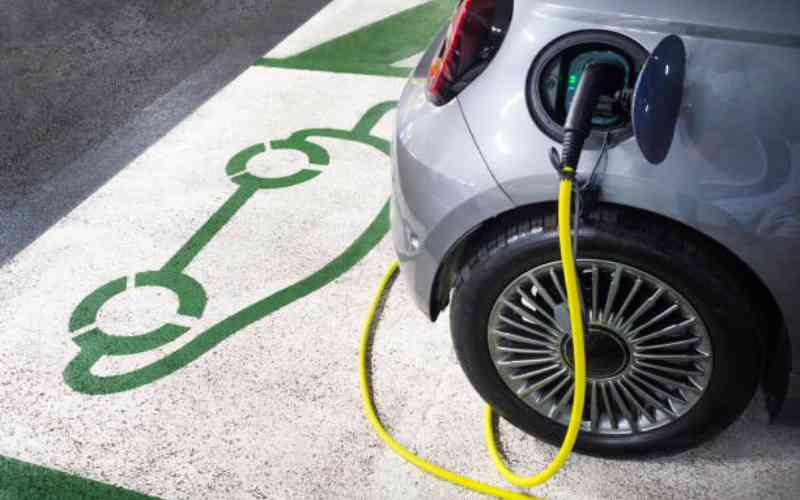
Uganda’s National E-Mobility Strategy aims to transition the nation’s system of transit buses and motorcycle taxis to EVs by 2030 to supports its push to further into the automotive manufacturing sector. The $1.7 billion strategy also includes the deployment of up to 3,500 public EV charging stations, which will make it easier for more Ugandans to buy electric vehicles (probably affordable Chinese ones).
In addition, the strategy’s proponents project a 12.5% contribution to Uganda’s GDP, the creation of more than 500,000 green manufacturing jobs, and a reduction of more than 25% in the nation’s total transportation-related emissions.
“The government has made electric mobility a key driver of sustainable development,” explains Winstone Katushabe, commissioner for transport regulation and safety at the Ministry of Works and Transport. “I think very soon you will be seeing some buses in Kampala for Kiira.”