Support CleanTechnica's work through a Substack subscription or on Stripe.
EV sales in Africa are booming, spurred in part by higher prices for gasoline and diesel as a result of the US assault on Iran. But even before that disastrous military campaign, many African nations lacked the refineries needed to turn crude oil into fuels, and so had to import every drop of gasoline or diesel, which was expensive.
You might think that high prices for gasoline and diesel would lead to more sales of electric cars and trucks, but the grid infrastructure in many parts of those countries rarely extends beyond the major cities. As a result, people living in rural areas have no ability to charge an EV even if they own one. It’s the classic chicken or egg conundrum.
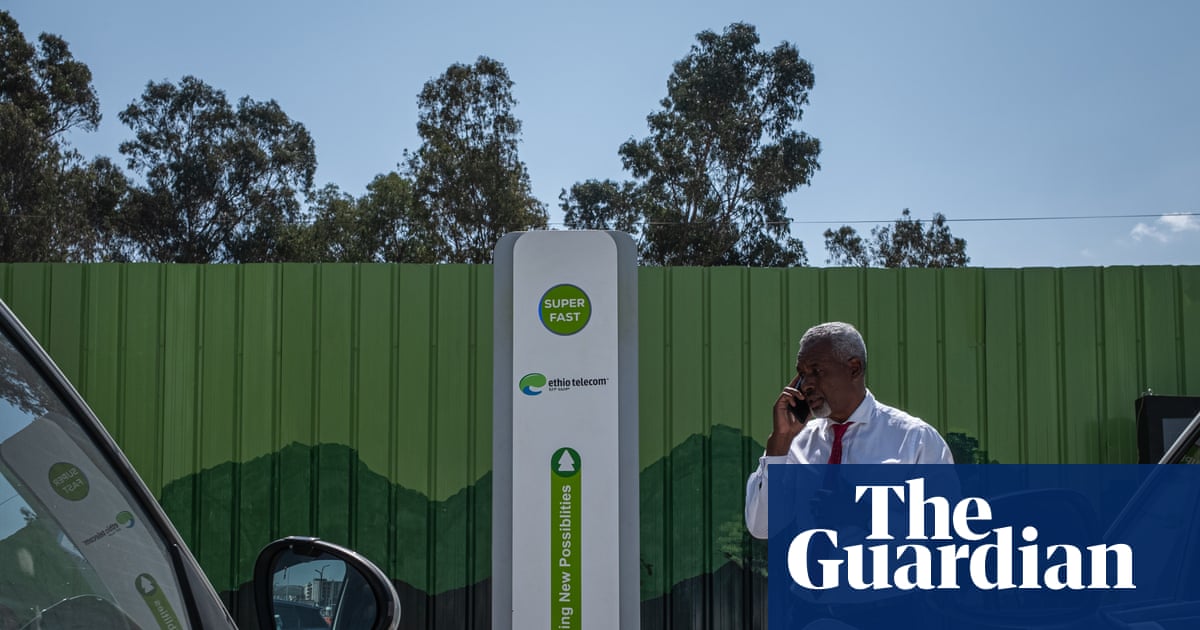
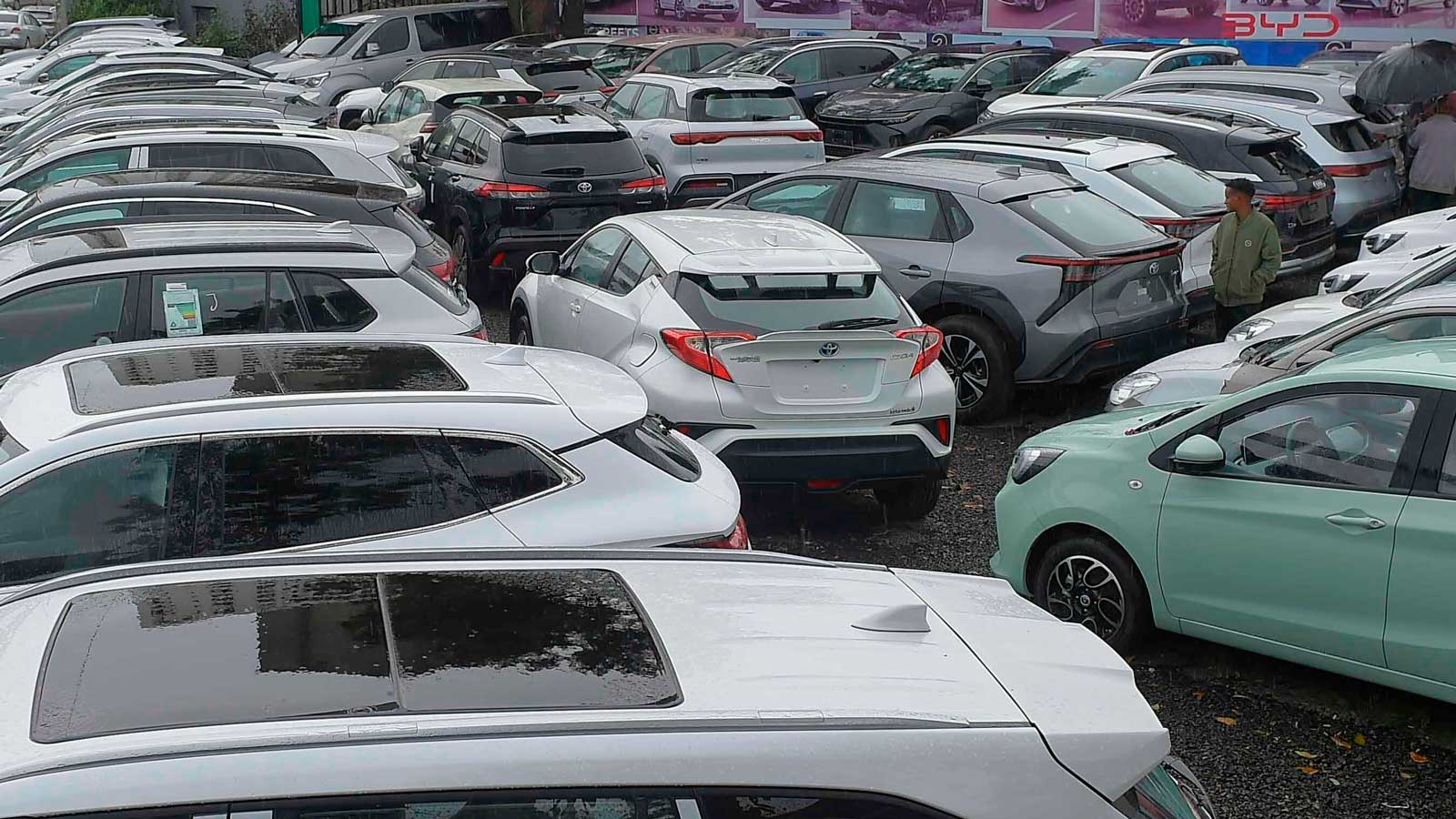
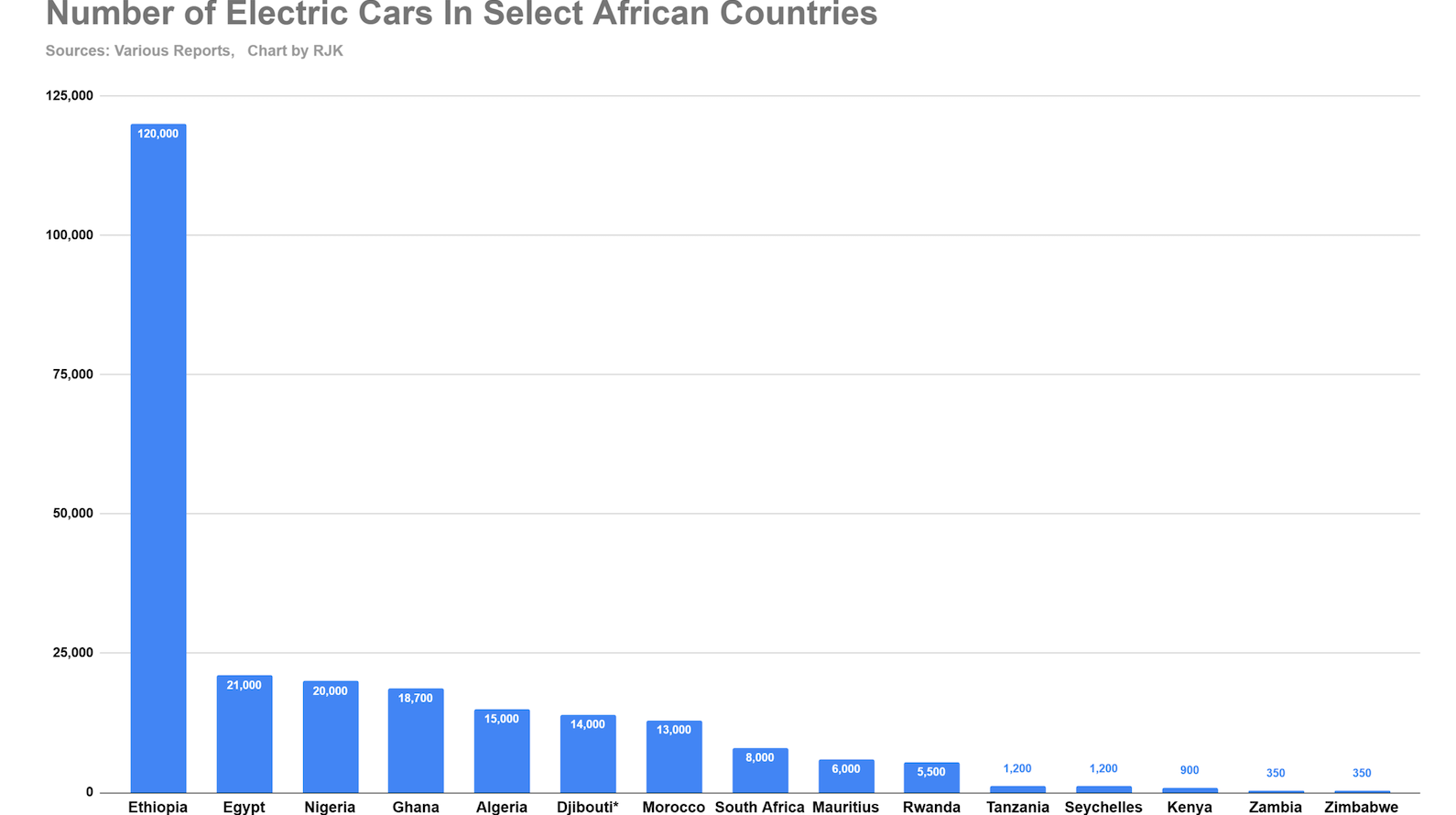
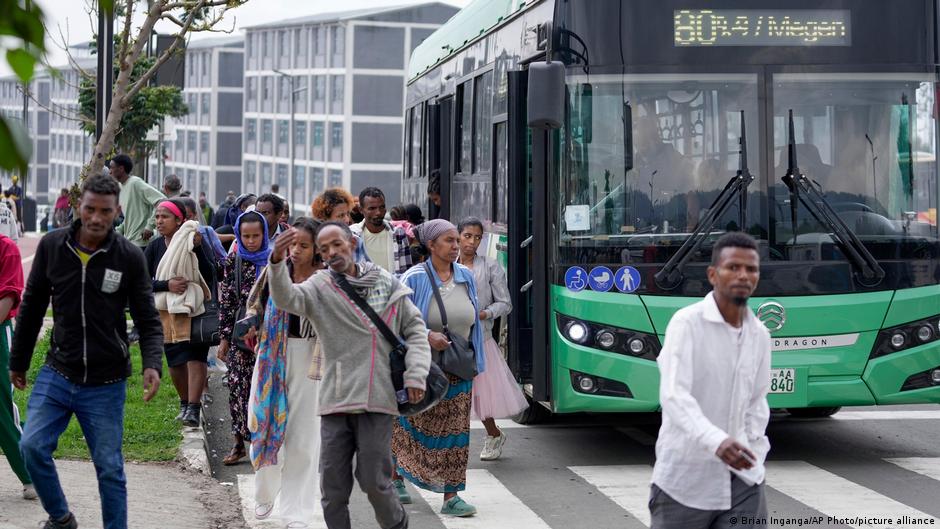
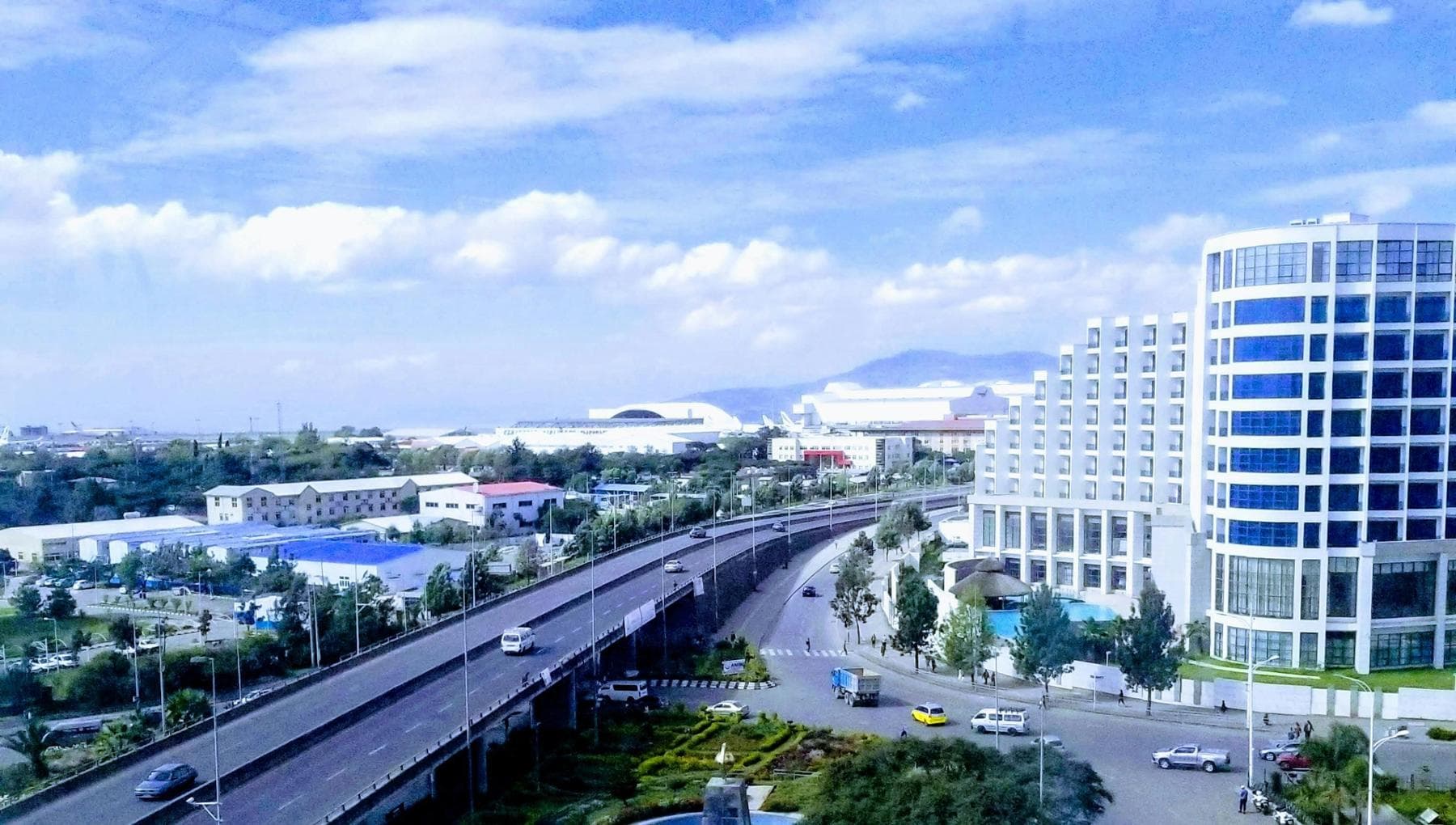
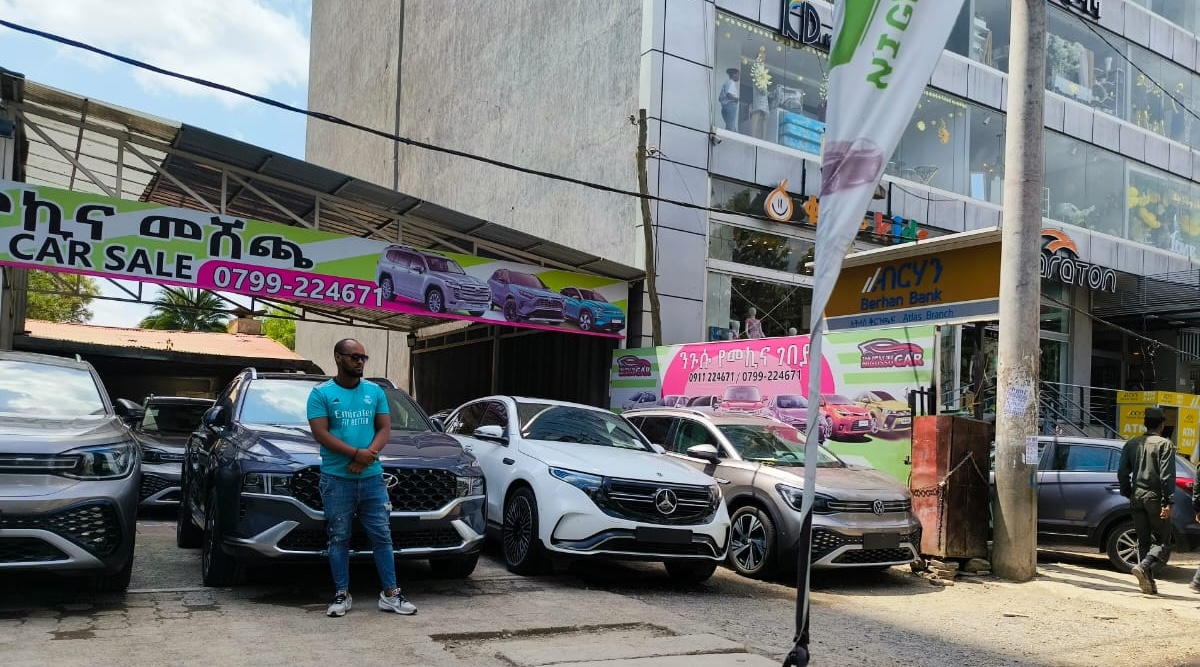
Two years ago, Ethiopia did something unprecedented. It banned the importation of vehicles powered by internal combustion engines on the grounds that the nation was squandering money it didn’t have to import fuels for those vehicles. It’s not like Ethiopia has a robust, fully functioning electrical grid. It does not. Even in the capital, Addis Ababa, the supply of electricity is interrupted frequently every day. But the pain of scrounging for scarce gasoline is even worse.