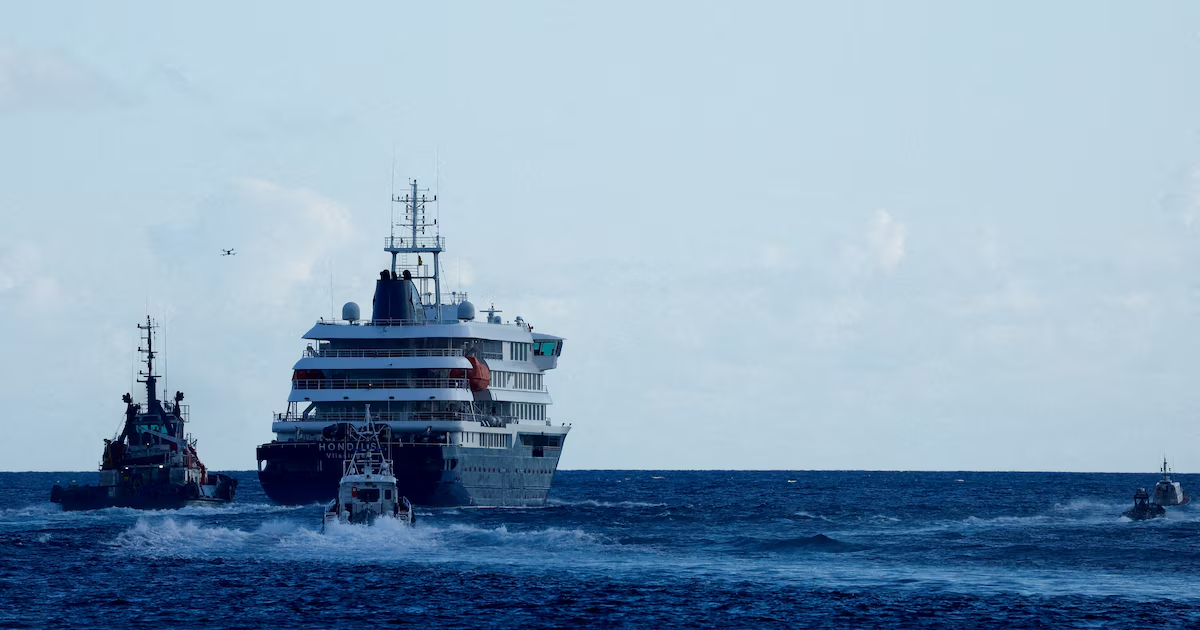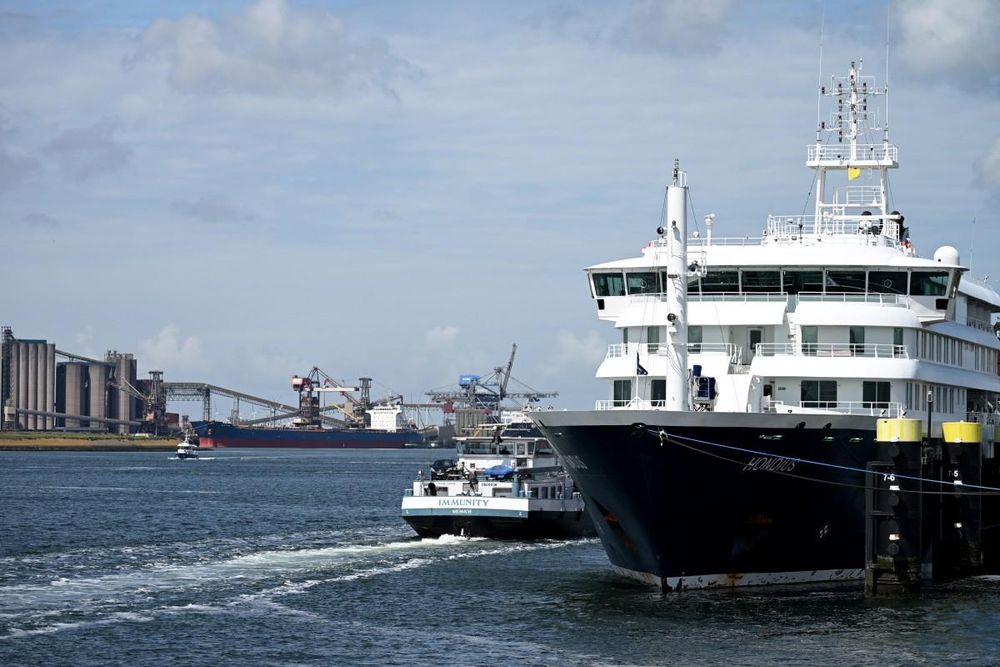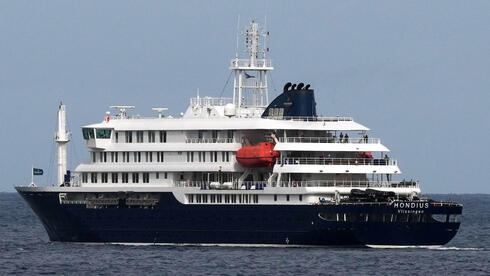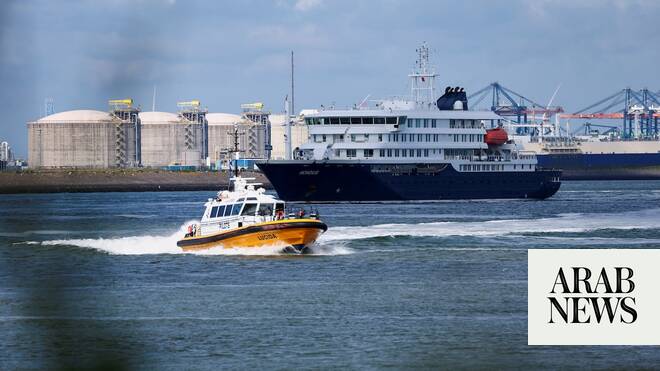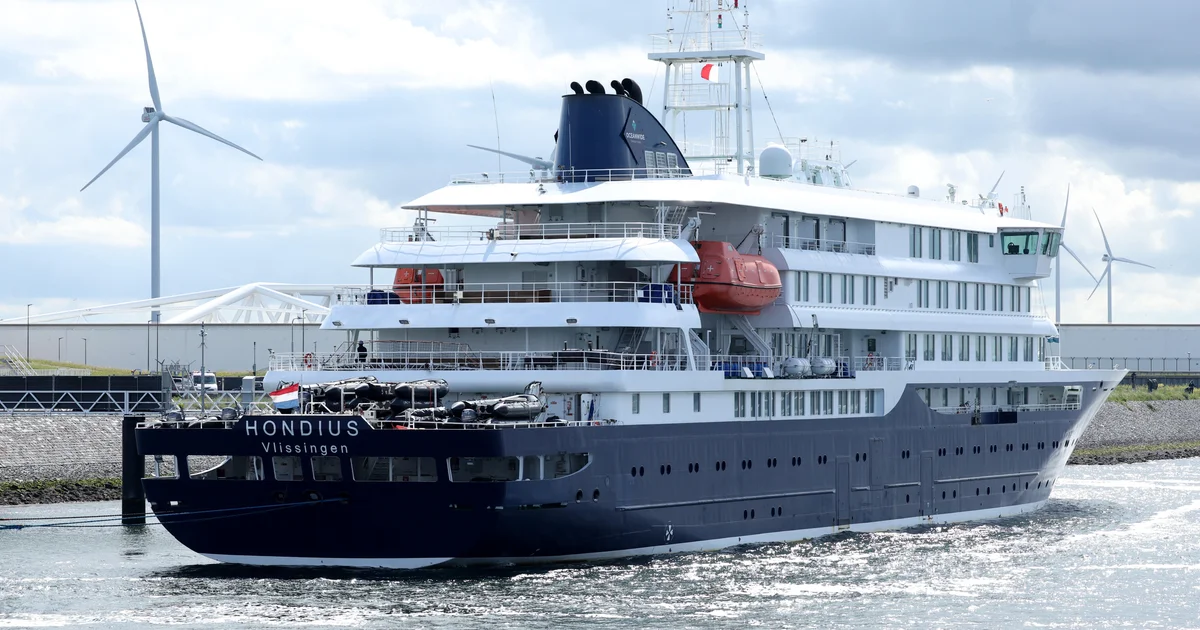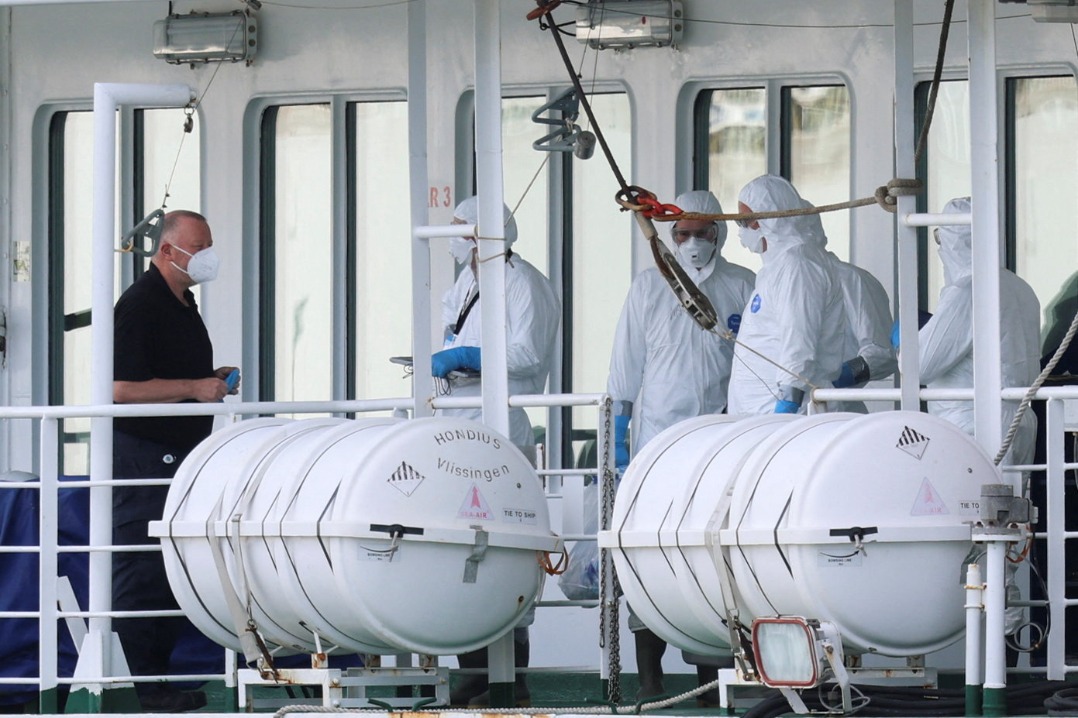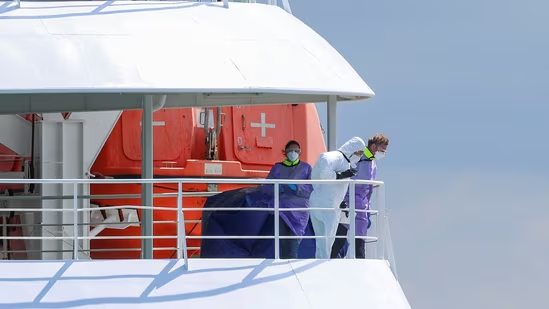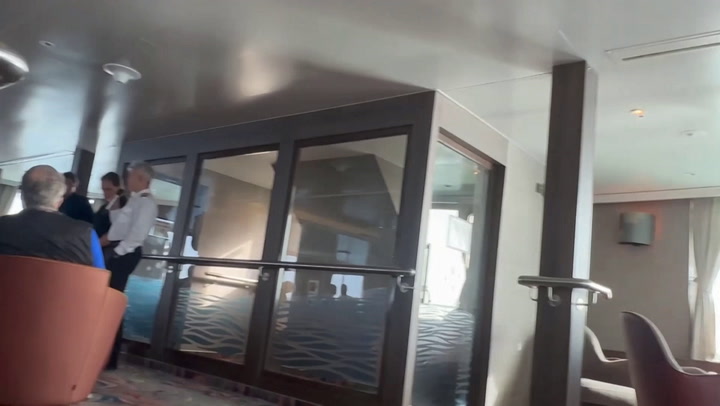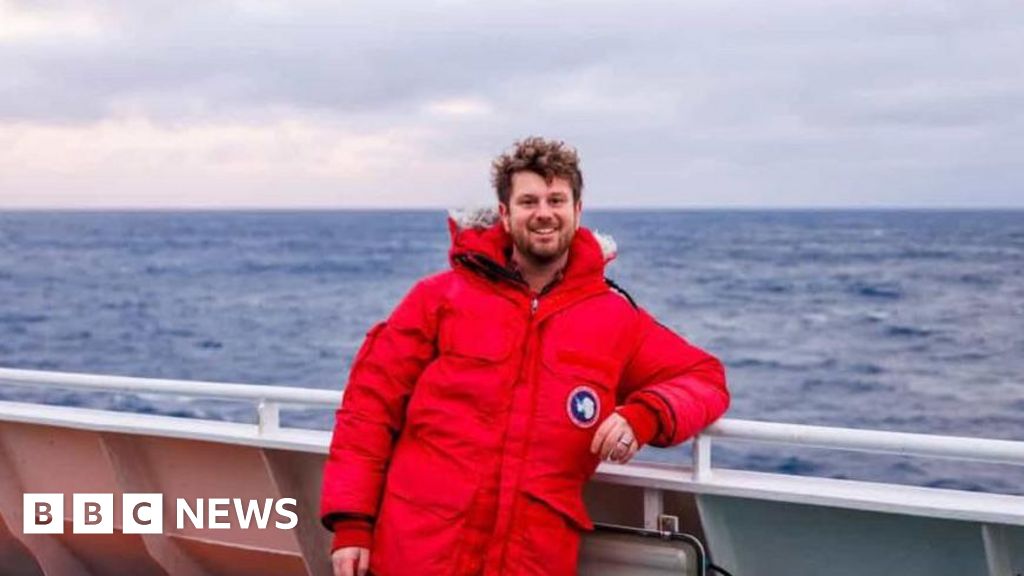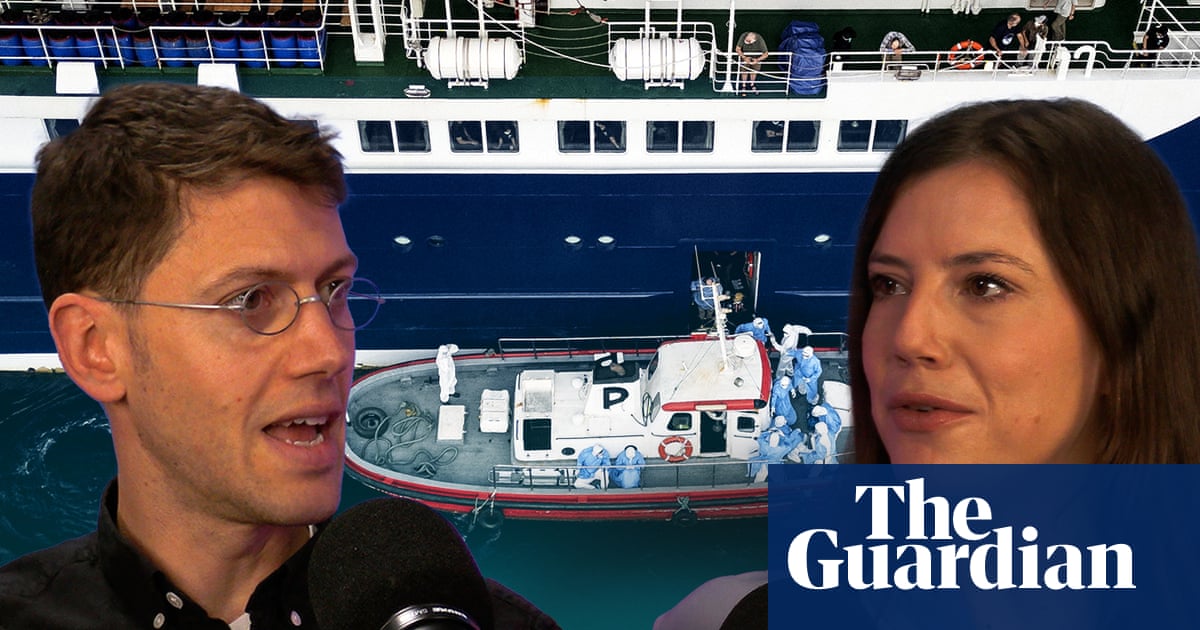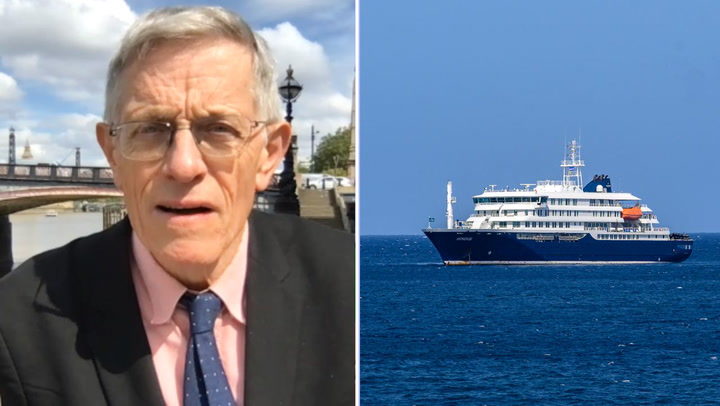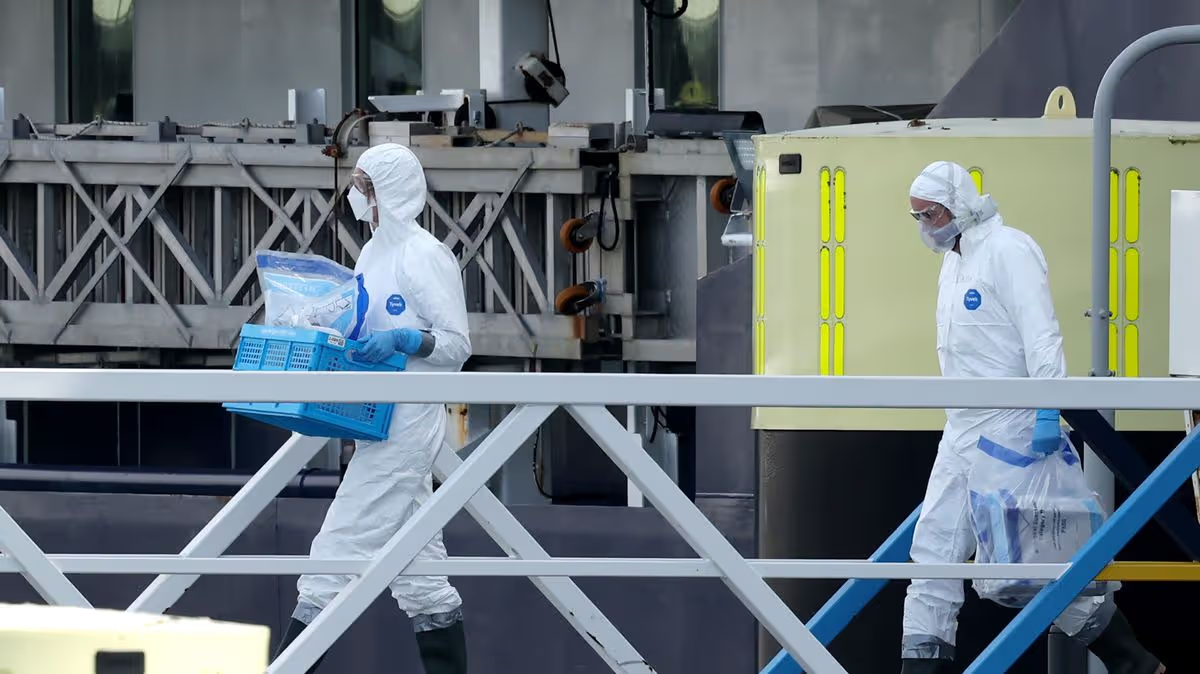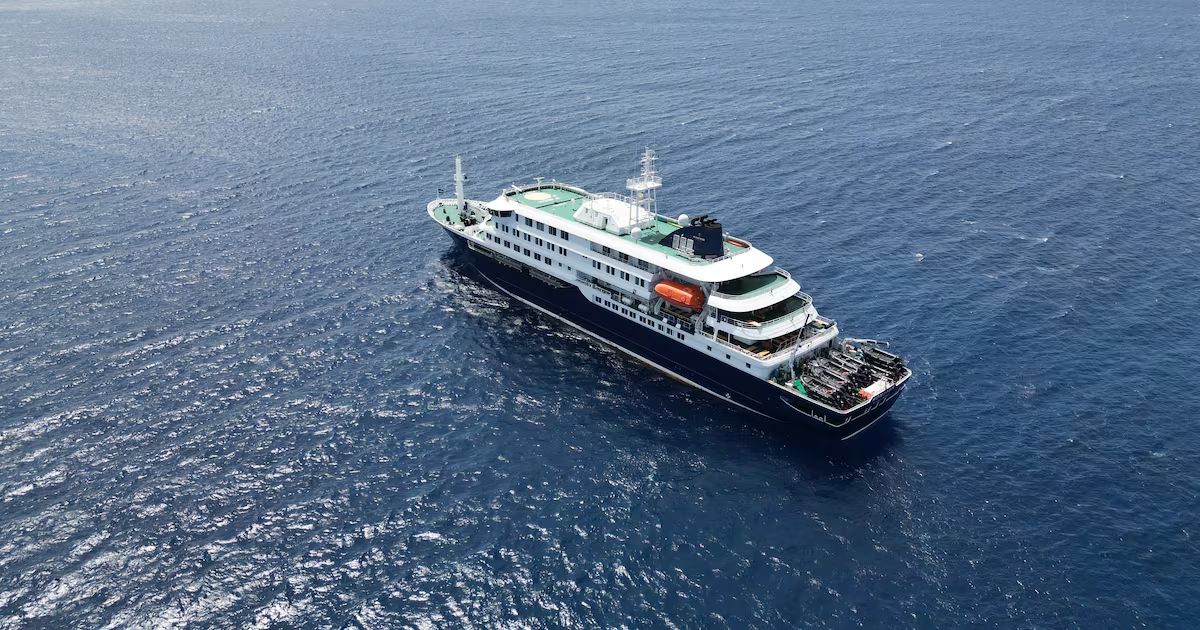
The grim-faced captain had bad news for the people gathered in the lounge of the MV Hondius. One of their fellow passengers had died.“Tragic as it is, it was due to natural causes, we believe,” the captain, Jan Dobrogowski, told them on April 12th. He added that the ship’s doctor had said the man was “not infectious, so the ship is safe”.Less than two weeks earlier, the captain had convened the same group for a celebratory toast, as the Hondius left Argentina to sail the South Atlantic for bird watching and wildlife spotting on some of the world’s most remote islands.Now, passengers consoled the dead man’s widow, Mirjam Schilperoord‑Huisman (69) of the Netherlands. She and her husband, Leo Schilperoord, also 69, had crossed South America in pursuit of rare birds. Some asked if she would prefer that the trip be cut short.“Everyone is here for a purpose,” she responded, according to Ruhi Cenet, a Turkish documentary film-maker who was on the ship. She urged her fellow bird watchers to push on because her husband “would have wanted me to do the same”.Within weeks, two more passengers, including Schilperoord‑Huisman, would be dead. The cause, health officials say, was almost certainly the Andes species of the hantavirus, a family of viruses carried by rodents that can spread between humans.Over the following weeks, a world still traumatised by the coronavirus pandemic watched anxiously as the passengers and crew of the Hondius, hailing from at least 23 countries, lived the nautical nightmare of a potential outbreak in close quarters, far out at sea.People wearing protective suits walk toward the hantavirus-stricken cruise ship MV Hondius docked on the island of Tenerife in Spain's Canary Islands on May 11th, 2026. Photograph: JORGE GUERRERO/AFP via Getty Images As health officials sought to contain the virus, understand how it had come aboard and trace the contacts of passengers who had disembarked, people on the ship depicted their journey in interviews and social media posts. It was a trip, priced roughly between $8,000 (€6,800) and $27,000, that began with the promise of seeing life in the wild and ended in protective gear and quarantine.The Hondius and most of its passengers eventually sailed to Tenerife in the Canary Islands, where local leaders did all they could to stop them from coming, including suggesting that rats might swim ashore and bring the virus with them.As of Friday, the World Health Organisation (WHO) said, at least 10 cases – eight confirmed and two suspected – of the hantavirus had been traced to the ship. It said that two of the three deaths had been attributed to the virus and that it was strongly suspected to have caused the third.Around the world, dozens of people have been forced to quarantine in case they develop symptoms during the virus’s incubation period, which can be as long as six weeks. In the United States, where 18 people from the ship were in special facilities, health officials said on Thursday they were monitoring 16 other people who had been on a flight with someone known to have been infected, as well as seven more who left the cruise ship in April.[ Hantavirus-hit cruise ship docks at Rotterdam port for disinfectionOpens in new window ]Public health officials have stressed that the threat to the general public is low, based on what is known about the virus and the close, sustained contact usually required to spread it. Still, scientists who have studied the virus for decades caution that it is unpredictable and that under certain circumstances, it can be transmitted without direct contact.A bus carries medical officials and members of the flight crew of the plane that transported the passengers caught up in the MV Hondius hantavirus outbreak. Photograph: Antony Dickson/AFP/Getty Images Over the past month, the spectre of another pandemic turned the world’s attention to a single cruise journey. It began with passengers sharing breakfast buffets, sitting together during wildlife and astronomy lectures and lining up for cones at ice cream socials. But once news of the hantavirus spread, they retreated into isolation, avoiding an invisible pathogen that had become as palpable as the swells that rolled below them.77 species in 13 hoursThe Hondius, sailing under a Dutch flag and named after a Flemish cartographer, was built to navigate icy waters and go to some of the world’s most far-flung places. It attracted wildlife lovers eager to glimpse hourglass dolphins, fur seals, assorted whales and penguins and rare migratory birds. Lecturers and guides also joined.The ship began the journey April 1st, in Ushuaia, Argentina, with passengers disembarking at various islands. Some joined the trip for just parts of the route.Passengers included a Turkish bird watcher who posted under the name “bird detective”; an American travel influencer; and the ill-fated couple from the Netherlands.Back home in their Dutch village, Haulerwijk, the couple’s backyard bordered the woods. They walked the quiet, orderly streets on the lookout for birds, binoculars usually hanging from Schilperoord’s neck, said Jan van Schepen, a neighbour. “They travelled a lot,” he said.In the months before the couple joined the cruise, they had traipsed around South America in a camper seeking glimpses of wild birds. On February 6th, in Algarrobo del Águila, Argentina, they spotted 36 species, including the spectacled tyrant and the Chaco earthcreeper.They went to Finca Cielo Verde in the northwest Salta province, where Argentinian public-health researchers say there is a history of hantavirus infections. There, they spotted a glittering-bellied emerald and a white-throated cacholote.In March, they moved to the northeast. On a single day, in the province of Corrientes, they spotted 77 species in 13 hours.Schilperoord logged it all on a site for bird watchers, eBird.Before the ship’s departure, some people, several of whom would join the cruise, went to a birdwatching spot in Ushuaia near a landfill known for attracting birds.Later, there would be speculation – echoed in internet memes and on late-night talkshows – that the landfill was the source of the outbreak. The government of Argentina at first said Schilperoord had visited the site but declined to say how it knew that. Several guides who brought different groups there said the Dutch couple were not among them.A spokesperson for the local health ministry in Ushuaia dismissed the landfill theory as a disinformation campaign, meant to damage the area’s reputation as a tourist destination. What is clear is that Schilperoord, who fastidiously logged so many of his birdwatching visits, did not record one at the landfill site.Esteban Daniels, an Argentine tourist guide specialising in birdwatching and nature photography, observes birds
‘This makes us jump’: How a nature cruise turned into a hantavirus nightmare
The outbreak on the MV Hondius set off alarms for a world still traumatised by Covid; for those on board, the danger was much closer
2,416 words~11 min read