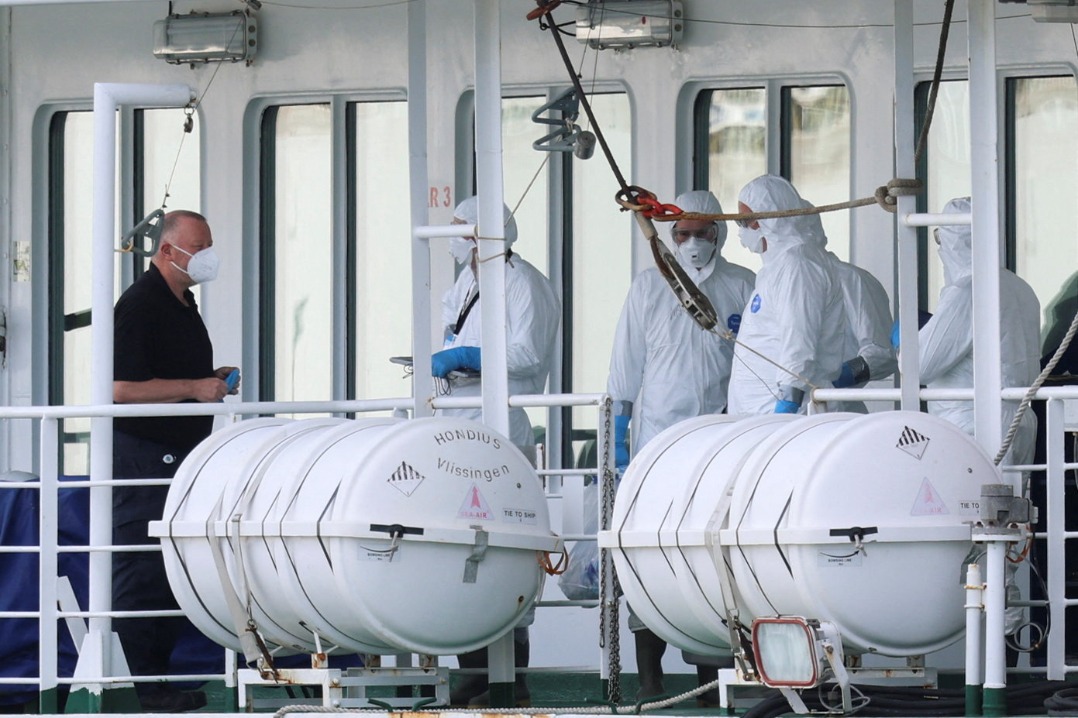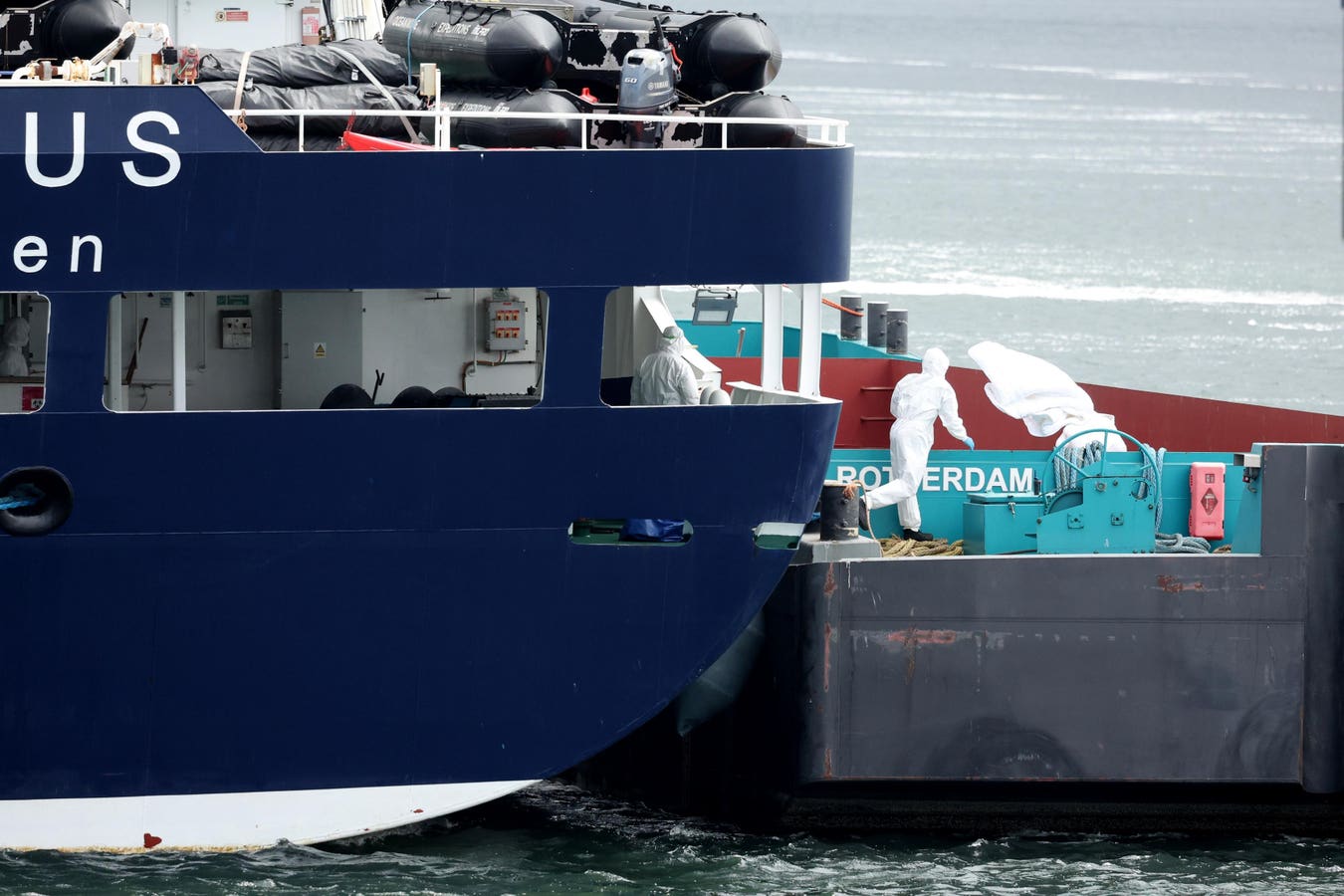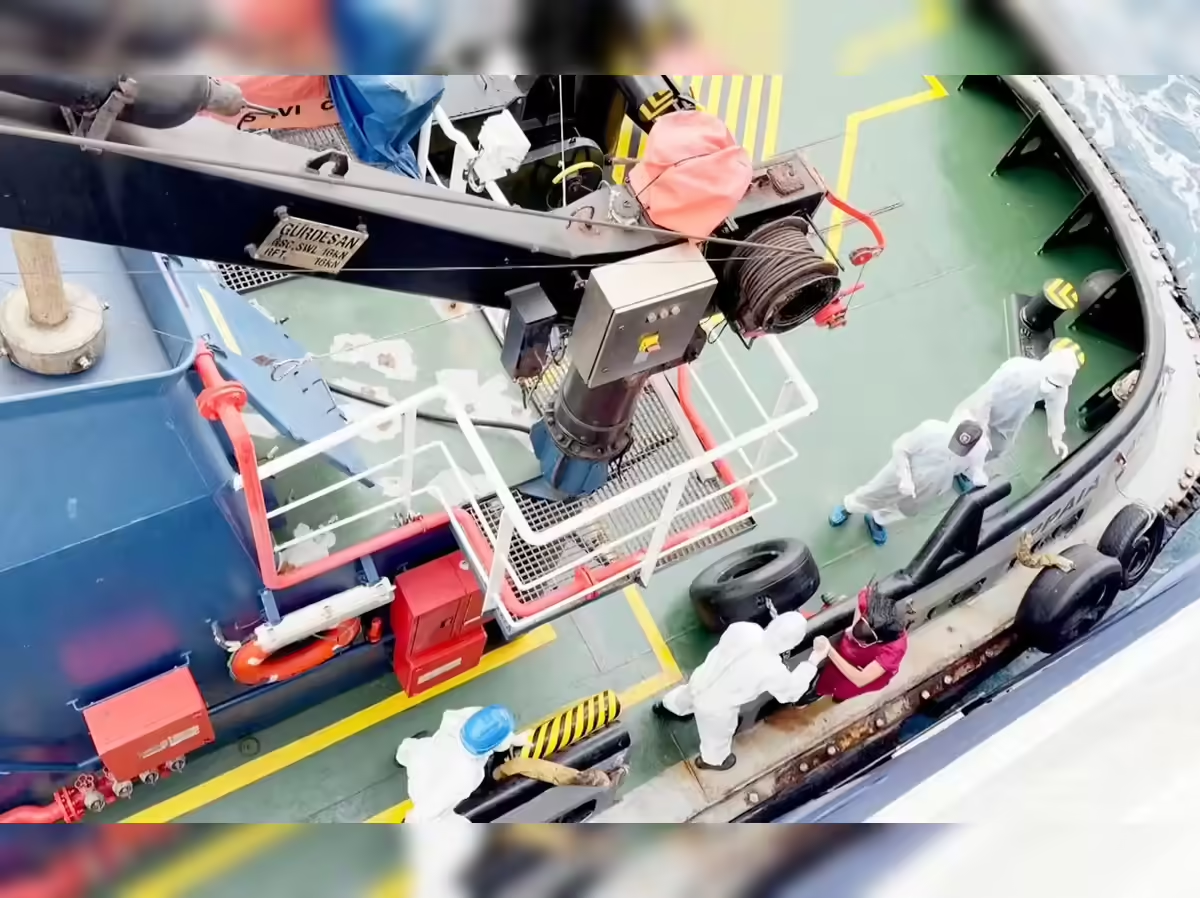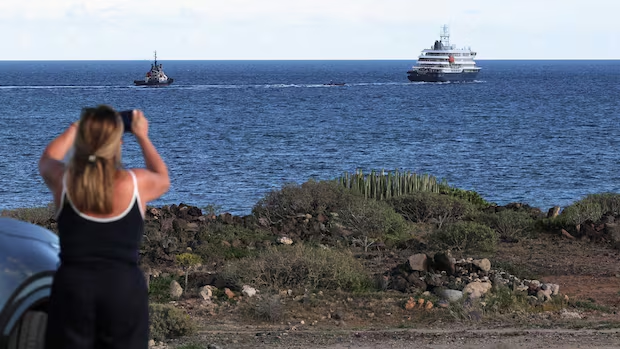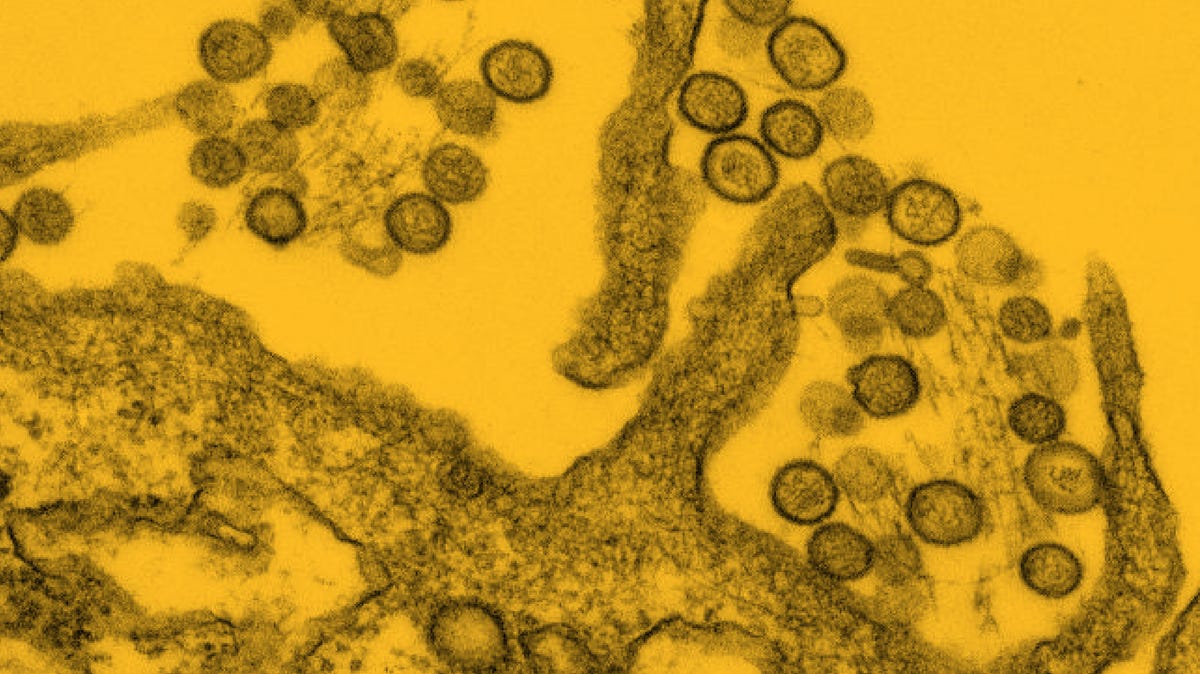
Over roughly five weeks in April and May, the MV Hondius, a cruise ship struck by a hantavirus outbreak that killed three people, gripped the imaginations and anxieties of onlookers worldwide.The saga has brought a set of questions about cruises — queries that have inspired documentaries and spurred contentious debates over many years — back into the public eye. Do cruises pose public health and safety risks? Are they breeding grounds for the spread of infectious disease?The simple answers, according to infectious disease specialists: Cruises don't pose a significant risk to public health, and it's very unlikely that this hantavirus strain will cause a new pandemic due to its low rate of transmission, but passengers do face a higher risk of getting sick on a cruise ship than in most people's day-to-day lives.You're "far more likely to pick up the flu, common cold, RSV or Covid" on cruises than hantavirus, says Dr. Adeel Butt, a consultant in infectious diseases and the chair of medicine at Hackensack Meridian Health Network. Gastrointestinal viruses like norovirus can also spread due to buffet-style eating among large groups of people, Butt says — though norovirus incidents on cruise ships account for only 1% of all reported norovirus outbreaks, according to the Centers for Disease Control and Prevention.Many cruise ships are enclosed spaces with high population concentrations, which place people from different areas in close proximity to each other while providing shared sanitation and hygiene services, says Dr. Tyler B. Evans, CEO of Wellness Equity Alliance, a public health organization. "Cruise ships are kind of like floating petri dishes," notes Evans, author of the August 2025 book "Pandemics, Poverty, and Politics."DON'T MISS: The communication skill that can help you accelerate your career growthThe cruise industry's health reputation comes with at least one significant caveat: Illnesses on cruise ships tend to be reported more frequently than on land, according to the CDC. Most ships operate with "comprehensive health, sanitation, and medical protocols designed to protect the health and well-being of passengers and crew," a spokesperson from the Cruise Lines International Association, a trade organization that represents multiple major global cruise lines, tells CNBC Make It."Available public health data indicates that rates of illness on cruise ships are low and, in many cases, lower than in comparable land-based settings," the spokesperson adds, pointing to "strict requirements" for the organization's member cruise lines including cleaning and disinfection procedures, illness monitoring, rapid-response measures, and oversight and inspection by public health authorities. The spokesperson didn't immediately respond to CNBC Make It's request for relevant data.The MV Hondius' hantavirus outbreak comes amid a furious post-Covid recovery for the cruise industry. Global passenger volume hit a record high of 37.2 million in 2025, up from 4.8 million in 2021 and 29.7 million in pre-Covid 2019, according to Cruise Lines International Association's State of the Cruise Industry Report 2026. Cruise tickets in 2025 reached their highest average price point since at least 2010, as passengers spent a total of $72.5 billion on tickets and onboard expenditures, according to data from analytics website Cruise Market Watch.In a Tuesday statement, Oceanwide Expeditions CEO Rémi Bouysset — whose company owns the MV Hondius — described the company's ongoing response to the outbreak, including collaboration with the World Health Organization, the Dutch National Institute for Public Health and the Environment, and a series of other medical and diplomatic organizations across multiple countries."From the beginning, our priority was to support those affected, work closely with medical authorities and experts, and manage the situation responsibly and calmly through three constant priorities: medical response, operational coordination, and transparent communication," said Bouysset. "We will continue to review this event carefully together with the relevant experts and authorities and take the lessons from it seriously," he added.If you have an upcoming cruise planned, you don't need to fret, as long as you follow a few basic health and safety protocols, says Butt. Here are a few practices experts recommend when cruising to remain as healthy as possible.3 best practices for health and safety on a cruise vacation, from doctors1. Practice great hand hygieneWash your hands as often as possible on cruises because you'll touch many commonly used surfaces, says Evans. "Hand hygiene is key. Like, super key. I can't underscore it enough," he says, adding: "Hand sanitizers [are] OK. Washing your hands is always best."To completely get rid of germs, wash your hands for at least 20 seconds, according to the CDC. Evans recommends singing the "Happy Birthday" song to yourself to meet that amount of time.For extra precaution, you can wipe down surfaces in your room like door handles, bathroom sinks and tables with disinfectant wipes, Butt advises. "It is always a good thing to do as much cleaning as you can easily do," he says.2. Get up-to-date on your vaccines before boardingWhile planning for your trip, look up the ports you're planning to visit to see if there are any health risks you should be aware of, and consult with your primary care physician about which immunizations you should receive before going, Evans suggests.If you have any kind of immune system deficiency, you're more susceptible to infections, notes Butt. This includes people who have long-standing chronic diseases like heart disease and kidney disease, individuals over the age of 65 and people who take medications that suppress their immune system, he says."These are people who should be more careful" in cruise-like environments, says Butt.3. Keep a safe social distance when necessary, even if you don't like itIf you're feeling sick, visit the health clinic on board the ship without hesitation to receive care from a doctor, both experts say.At least until you've been checked out, proactively maintain "a sort of social distancing," which could include spending more time in your room than you'd like, says Evans. If you need to venture out, wear a face mask, he recommends.Pay attention to your fellow passengers too, Butt says. "If you see someone is coughing, someone has difficulty breathing or is exhibiting fever or other symptoms," maintain some distance from them, too, he encourages.Want to get ahead at work? Then you need to learn how to make effective small talk. In CNBC's new online course, How To Talk To People At Work, expert instructors share practical strategies to help you use everyday conversations to gain visibility, build meaningful relationships and accelerate your career growth. Sign up today!
Post-hantavirus outbreak, infectious disease experts share how to cruise safely—and assess the health risks
A hantavirus outbreak on the MV Hondius cruise ship has brought some health and safety questions about cruises back into the public eye. Here's what doctors say.
1,062 words~5 min read