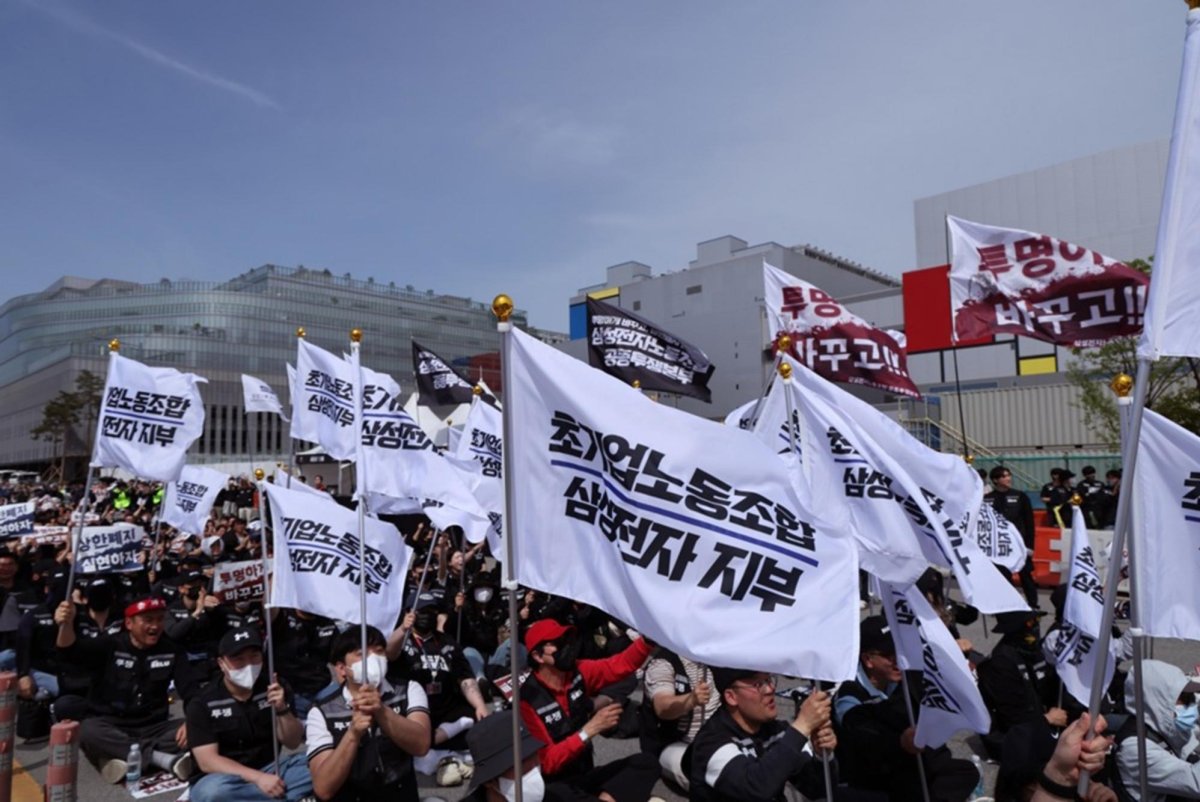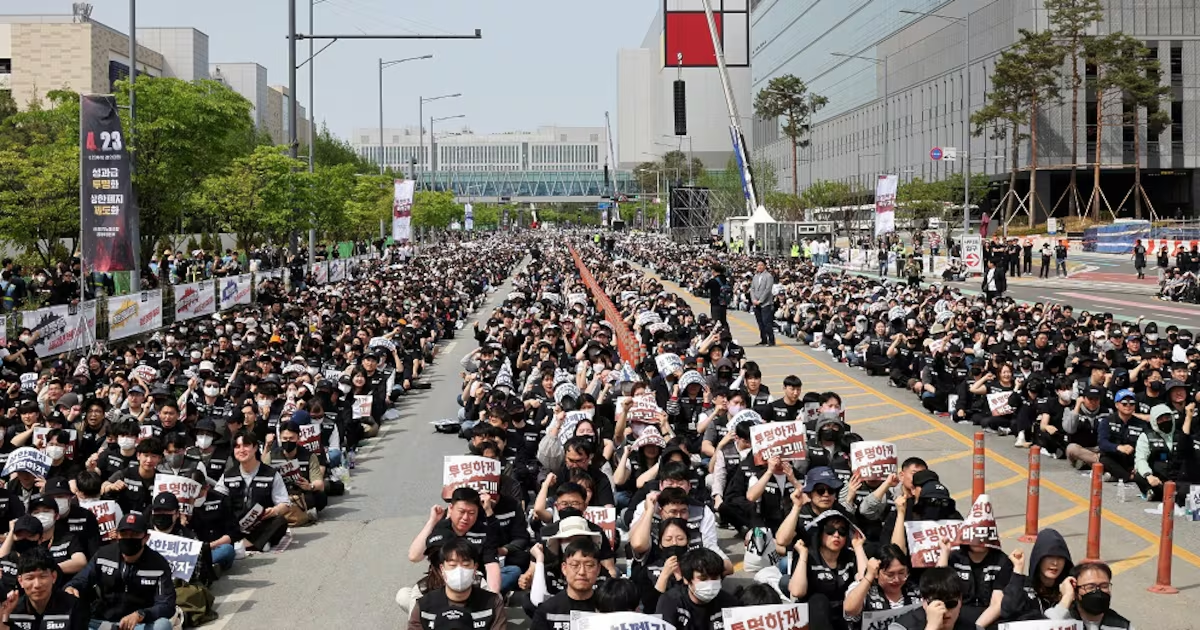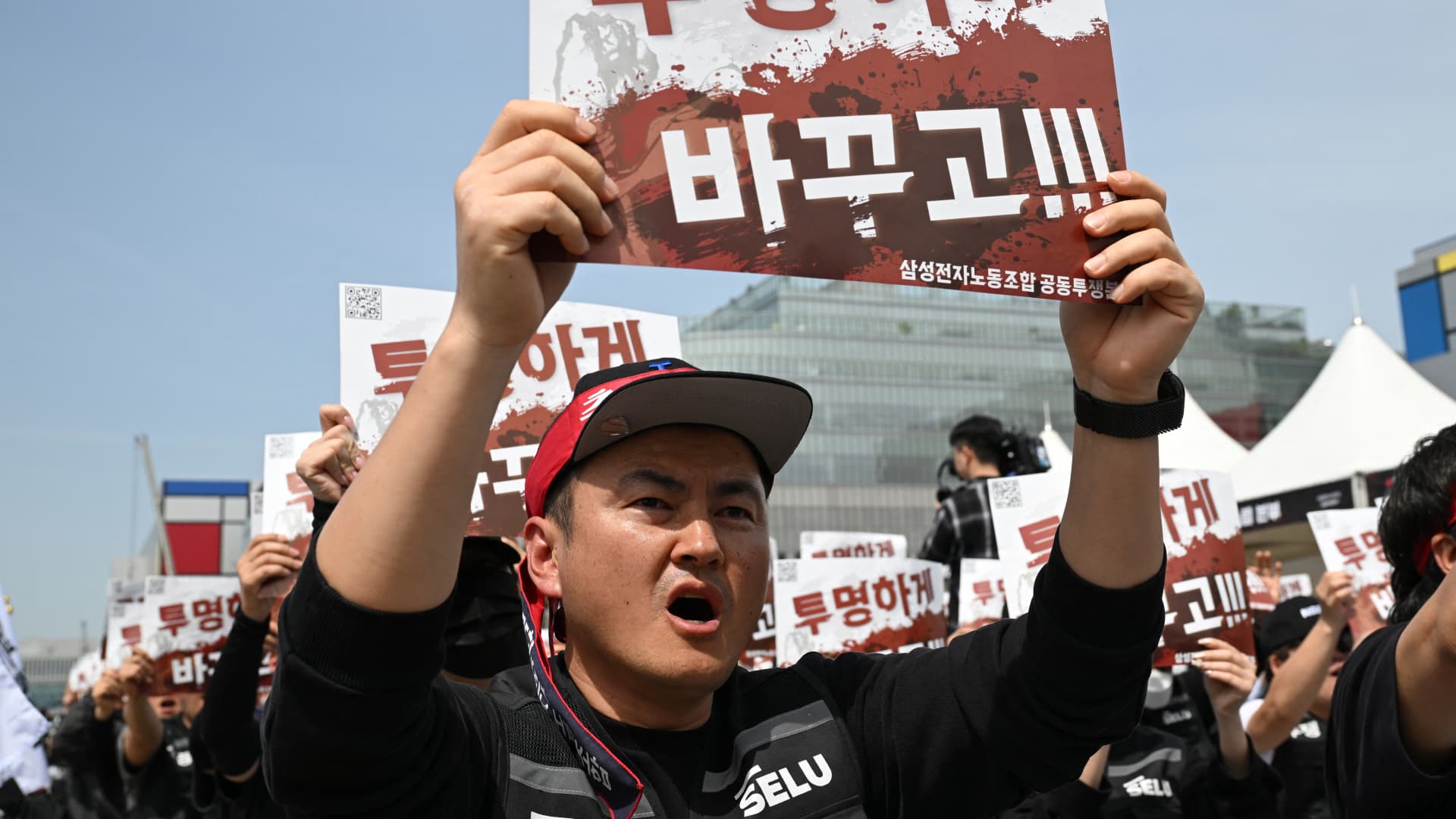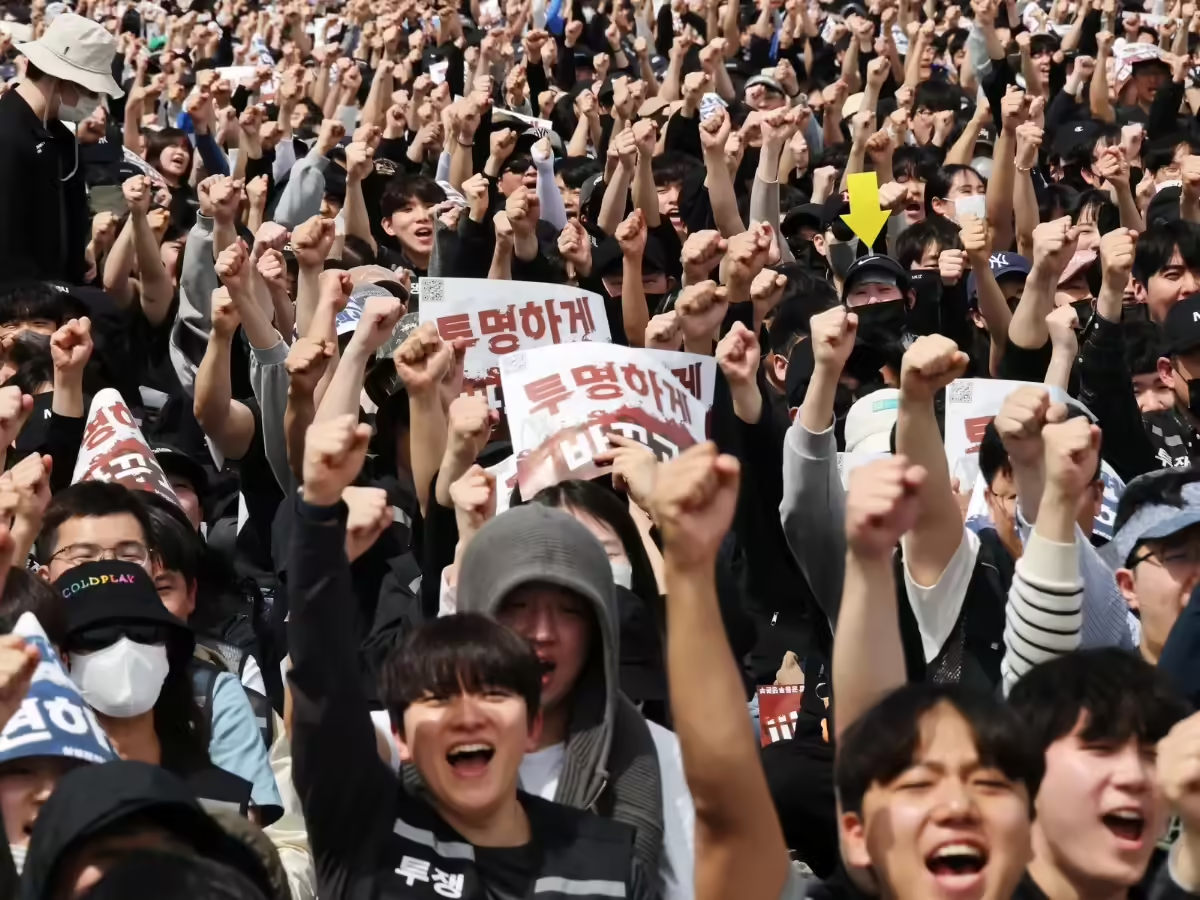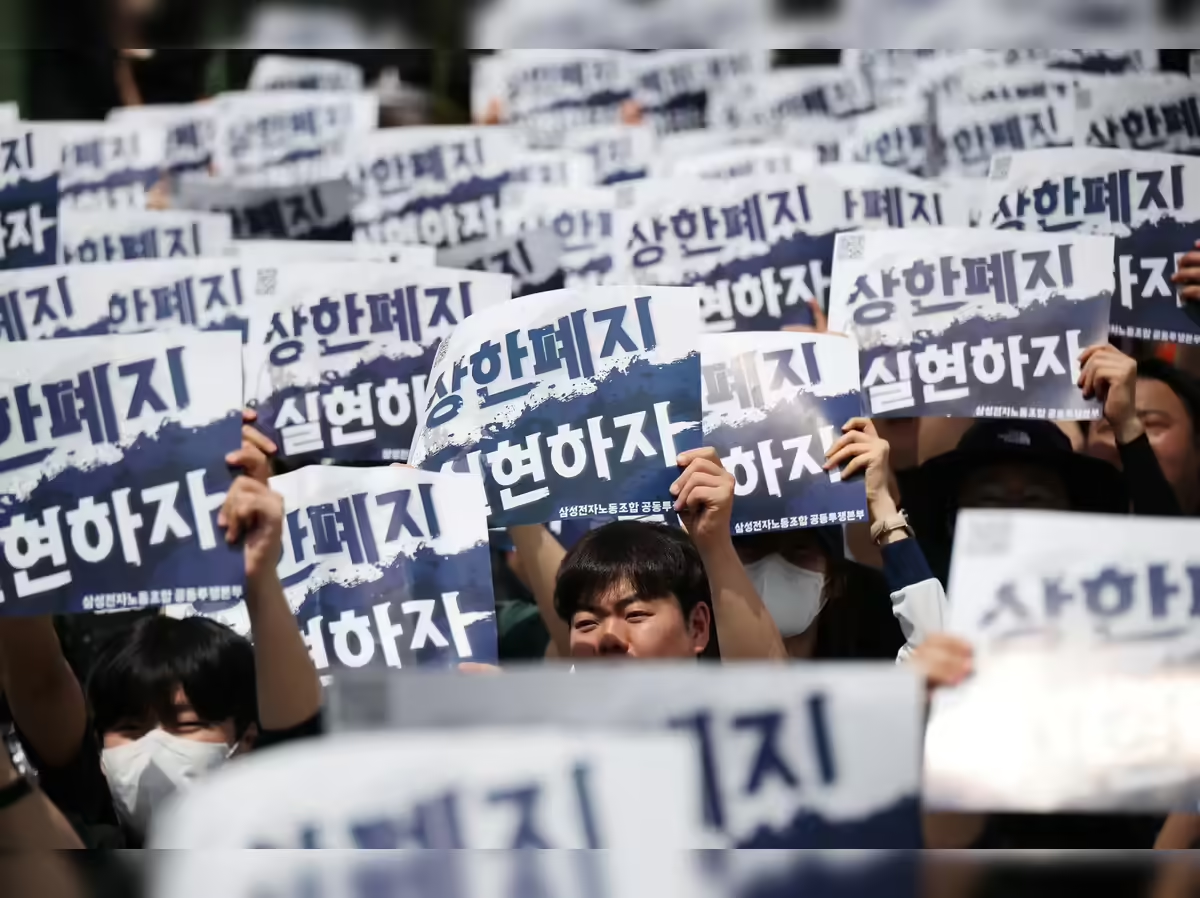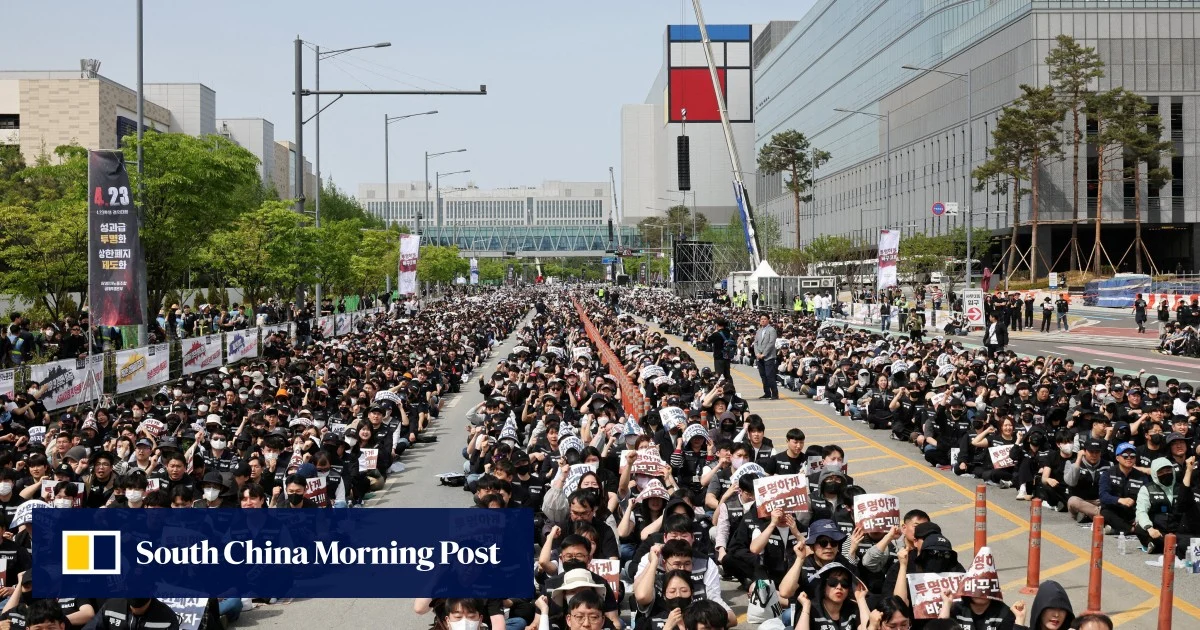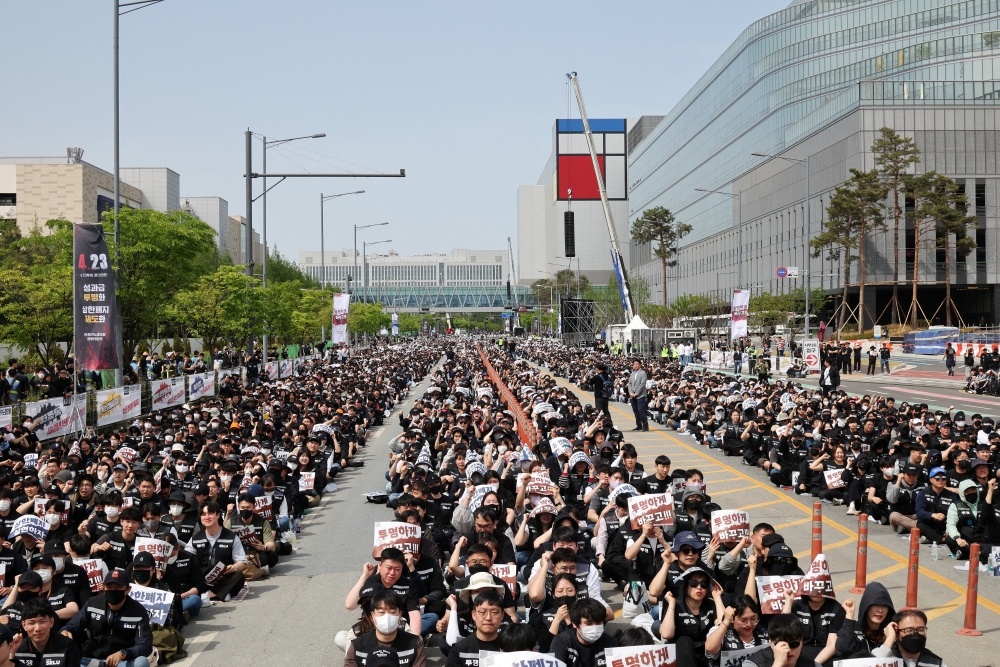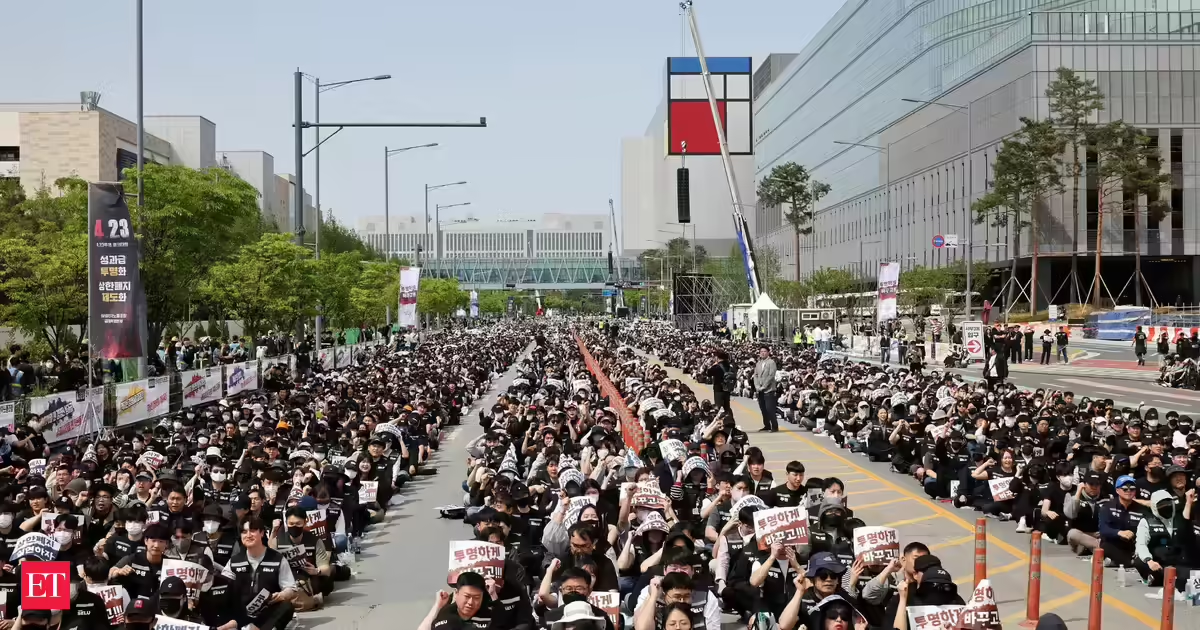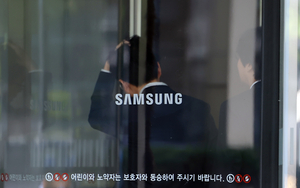
Six major business groups warn prolonged walkout could disrupt chip exports, weaken investment, hurt Korea’s broader economy Employees and visitors walk past Samsung Electronics’ Seocho headquarters in Seoul on Monday. (Yonhap) South Korea’s six largest business lobby groups on Monday jointly urged the Samsung Electronics labor union to cancel its planned general strikes, warning that related disruptions could jeopardize the nation’s semiconductor sector and broader economy.The six organizations, including the Korea Enterprises Federation, Korea Chamber of Commerce and Industry, Federation of Korean Industries, Korea International Trade Association, Korea Federation of SMEs and Federation of Middle Market Enterprises of Korea, called on the union to return to negotiations and abandon its strike plan.The joint statement comes amid looming strike action by Samsung’s biggest union over a dispute over compensation and bonuses. The union said more than 45,000 workers would participate in an 18-day walkout beginning Thursday, a move that could significantly disturb operations at the world’s largest memory chip-maker.“The strike by Samsung Electronics’ union is an act that shakes the foundation of the nation’s core industries,” the groups said in a joint statement. “The union should withdraw its strike plan and resolve the issue through dialogue.”The business groups expressed “deep concern” over the union’s decision to proceed with the strike despite mediation efforts by the government and the National Labor Relations Commission, criticizing the union for maintaining its hard-line stance.They also urged the government to invoke emergency arbitration measures immediately if a strike goes ahead to prevent “irreversible damage” to the economy and industrial ecosystem.At the center of the conflict is the union’s demand to institutionalize a performance-based bonus system under which workers would receive up to 15 percent of the company’s operating profit without a payout cap.Management, however, has opposed institutionalizing these demands. Instead, the company offered a bonus equivalent to 10 percent of operating profit without formally putting it in a collective agreement. It also opposes removing the bonus cap, citing concerns that the semiconductor business is highly cyclical and requires flexible financial management depending on market conditions.The business groups argued that the union’s demands over bonuses amounted to a request for profit-sharing rather than wages, noting that courts had already ruled such incentives do not constitute ordinary wages under labor law.They added that the union’s proposed bonus demands, estimated at around 45 trillion won ($29.9 billion), exceed more than four times Samsung Electronics’ total shareholder dividend payouts last year, which can undermine the company’s capacity for investment and future competitiveness.“Performance bonus issues are matters of managerial judgment rather than subjects for collective bargaining,” the groups said, calling the union’s demand “excessive" and saying it could deepen labor market polarization and fuel social tensions.The business community warned that a large-scale strike at Samsung Electronics could extend beyond a labor-management dispute and become a national economic risk.It cited semiconductor’s outsized importance to the country, saying chip exports account for roughly 37 percent of South Korea’s total exports.“A strike at Samsung could lead to an immediate decline in exports and a deterioration in the country’s trade balance, while also causing tax revenue shortages that may negatively affect the broader national economy,” the group said.They also said losses at Samsung Electronics — which accounts for roughly a quarter of the Kospi’s total market capitalization — could accelerate foreign investor outflows and weigh on South Korea’s broader capital markets.
Business lobbies urge Samsung union to call off strike over economic risks
South Korea’s six largest business lobby groups on Monday jointly urged the Samsung Electronics labor union to cancel its planned general strikes, warning that
557 words~3 min read