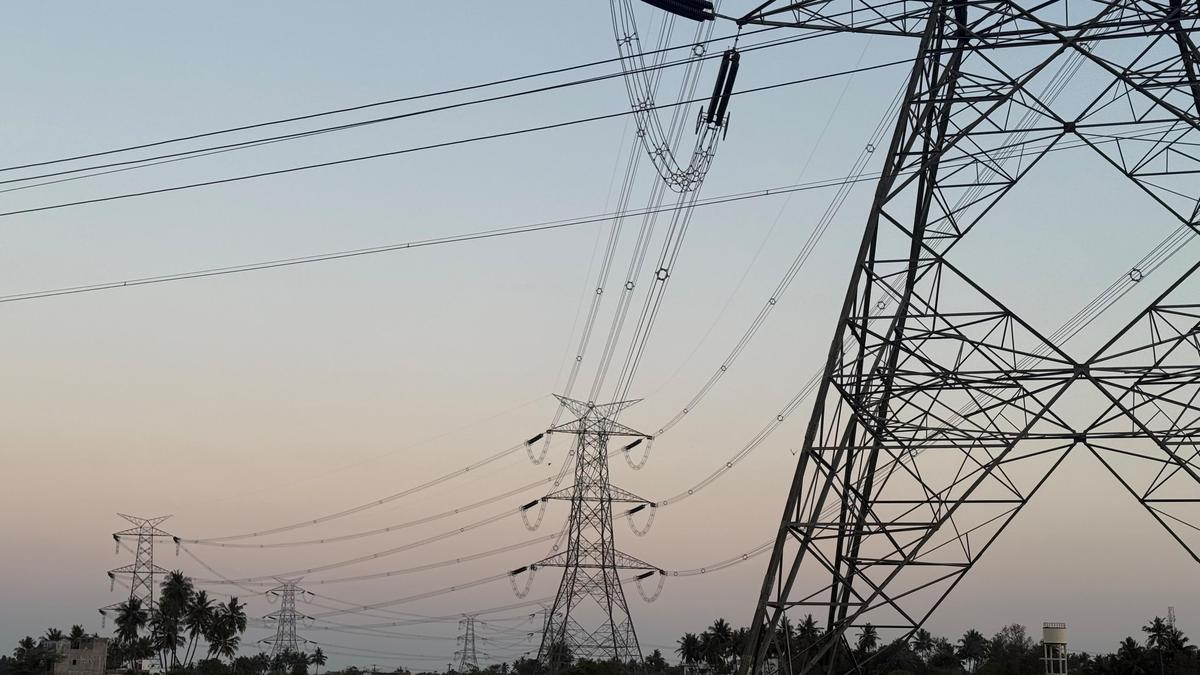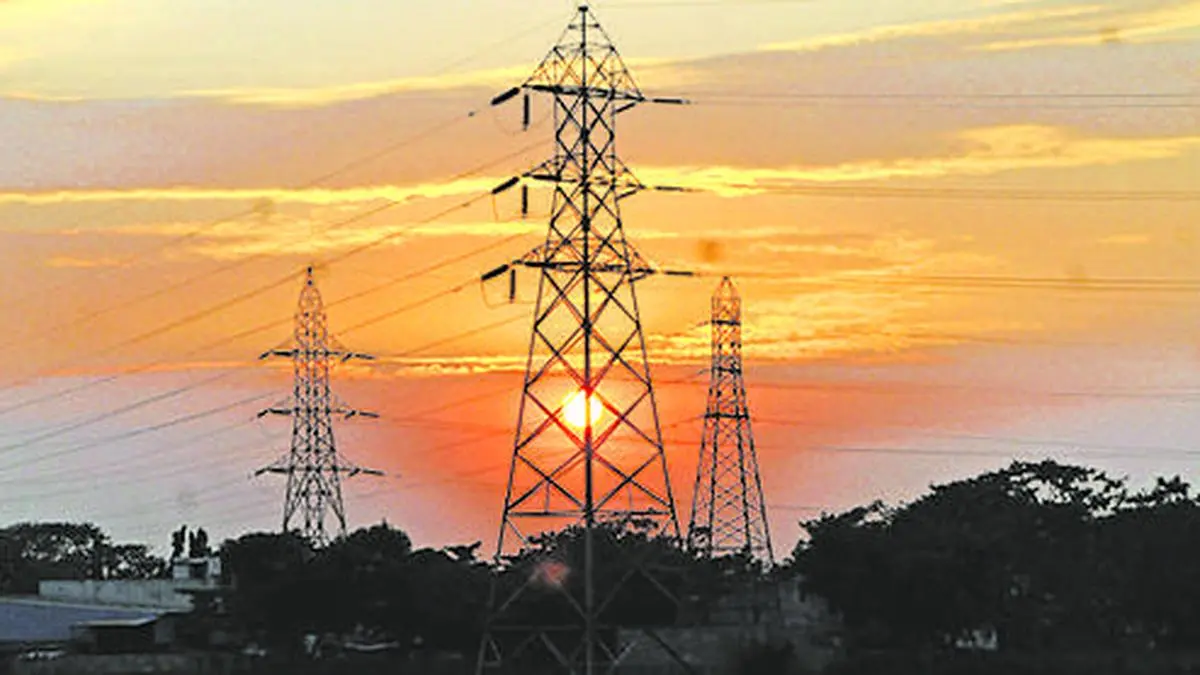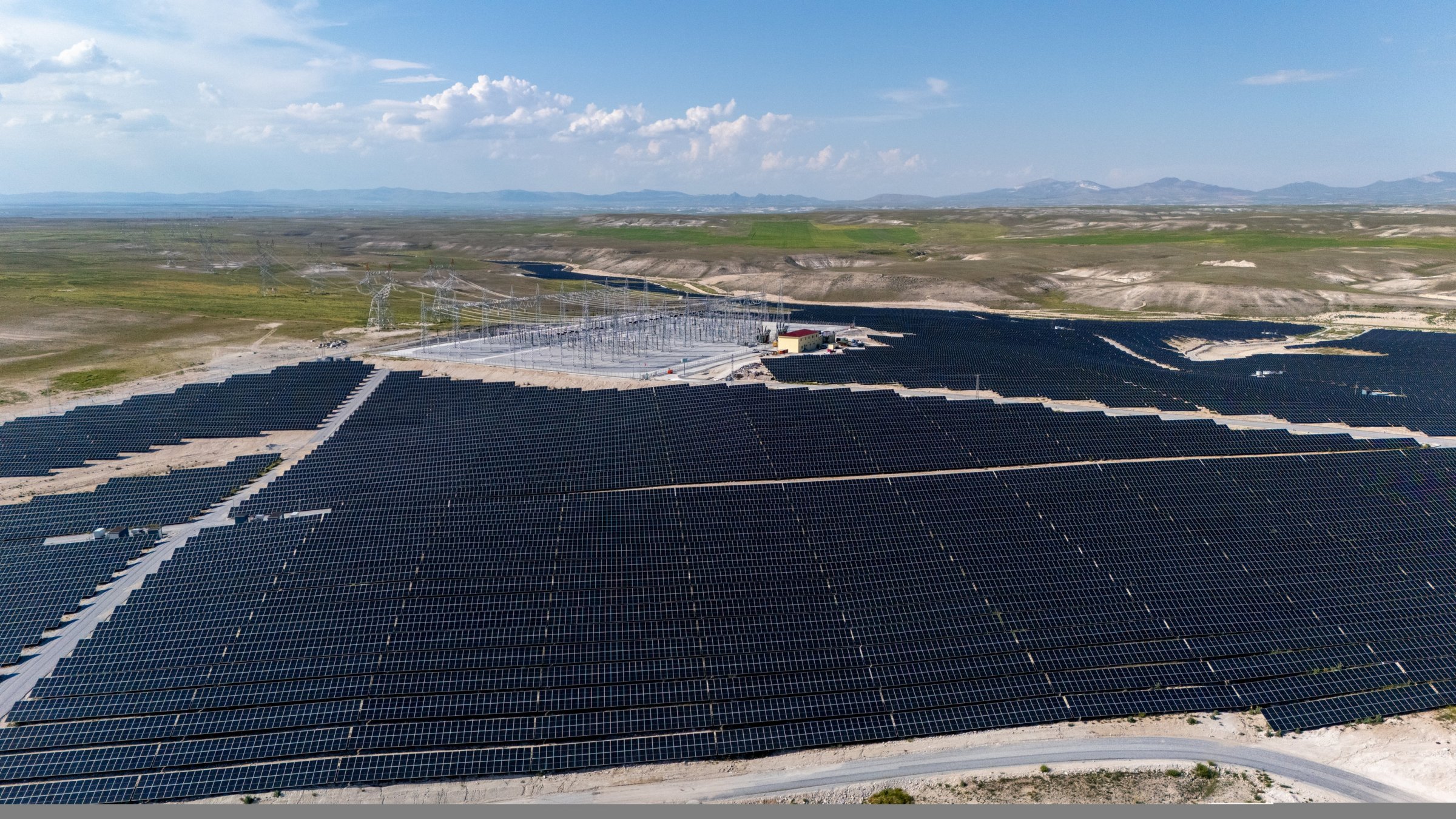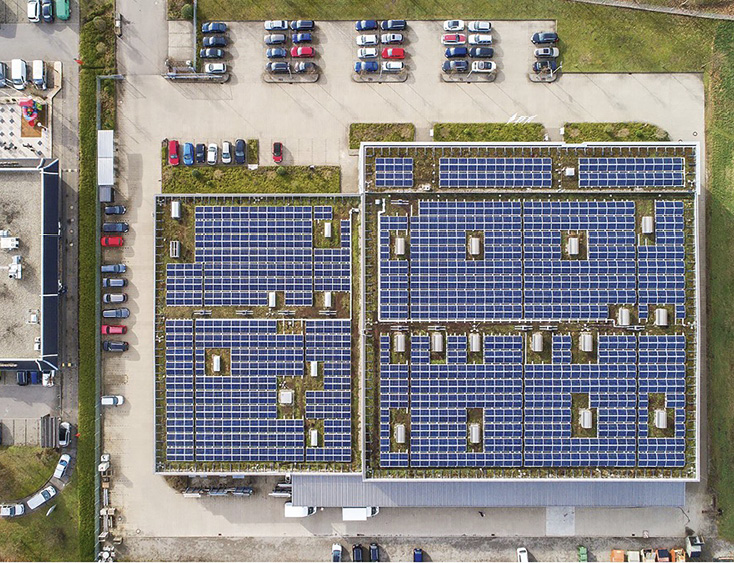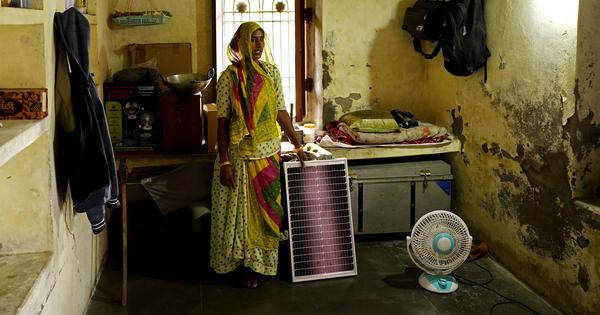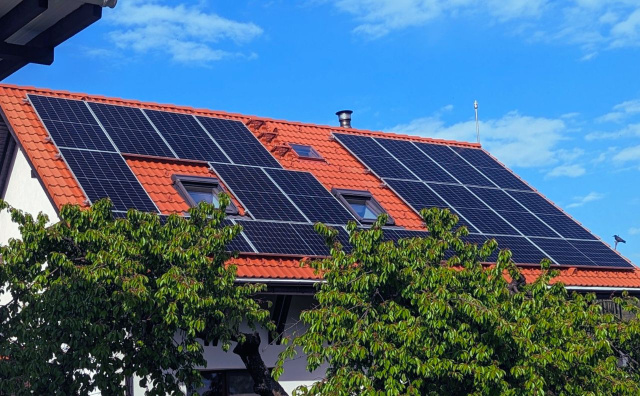
On a sunny May 15, Bulgaria’s solar generation briefly reached a level where photovoltaic production alone could match the country’s instantaneous electricity demand, "Capital" reported. Around midday, solar plants delivered more than 3.7 GW, while system consumption stood at roughly 3.2 GW, according to operational data.
This does not mean the country was powered exclusively by solar energy, as other sources such as nuclear, coal, and hydropower continued operating simultaneously. Still, the figures highlight the rapid expansion of photovoltaic capacity in recent years, which has roughly tripled over the past five years, reflecting a broader shift in the electricity mix driven by market conditions.
During the same period, Bulgaria remained a net exporter of electricity, sending around 1.6 GW to neighboring countries. This was influenced by the temporary outage of one unit at the Kozloduy nuclear power plant and the shutdown of the AES Galabovo thermal power plant since May 8, which reshaped the supply balance and export potential.
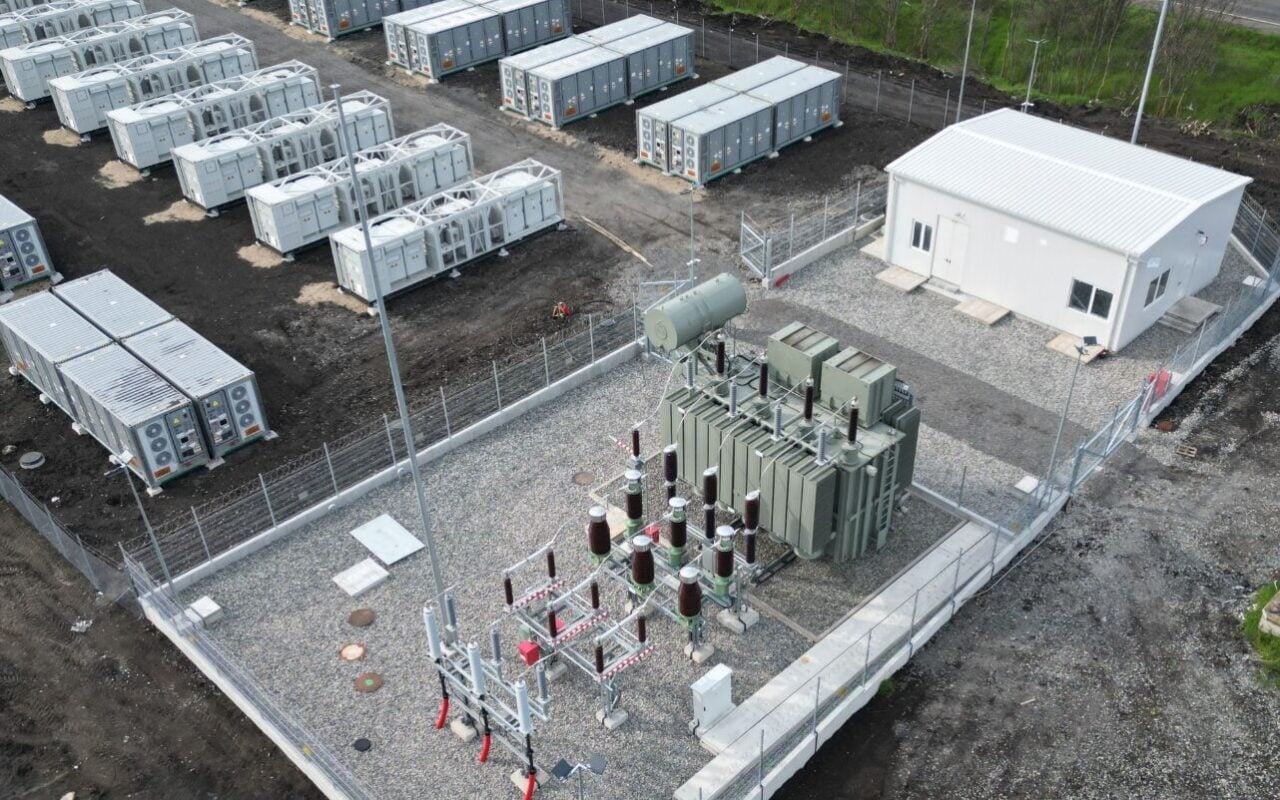
A growing share of surplus solar production is now absorbed by energy storage systems. Around midday, batteries were reportedly charging at over 1.4 GW, effectively acting as flexible demand on the grid. Without this storage capacity, renewable output would have had to be curtailed due to insufficient immediate consumption or export routes.