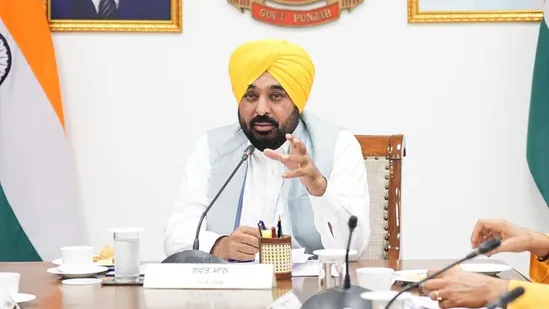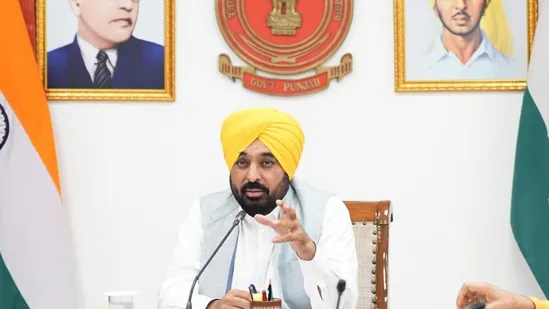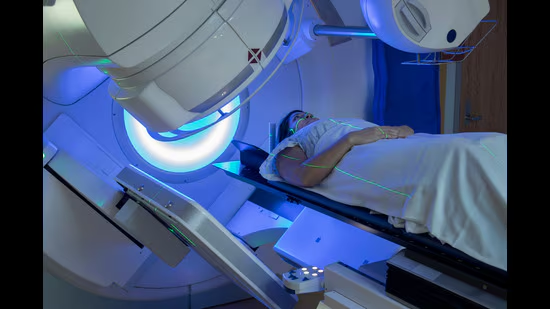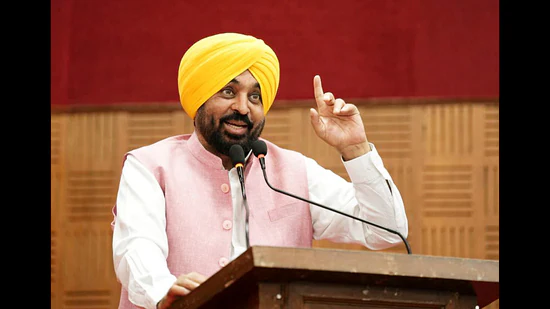
The Punjab government on Friday said its Mukh Mantri Sehat Yojna (MMSY) has emerged as a key support system for patients suffering from hypertension and related ailments, particularly among middle-aged and elderly residents.The Punjab government's Mukh Mantri Sehat Yojna is revolutionizing healthcare for hypertension patients, particularly those aged 40-90. (ANI/PTI)Marking World Hypertension Day, the state government said the scheme is helping patients access timely and affordable healthcare as cases of high blood pressure continue to rise across age groups.According to officials, hypertension-related hospitalisations, including cases involving strokes, cardiac emergencies and kidney complications, are being covered under the programme, reducing treatment costs for families.Government data showed that most beneficiaries fall in the 40 to 80 age group, though senior citizens above 90 years have also availed treatment under the scheme. The State Health Agency (SHA) recorded patients aged up to 94 years in Gurdaspur and up to 98 years in SAS Nagar.Districts including Patiala, SAS Nagar, Hoshiarpur, Jalandhar and Faridkot reported a high number of cases among both men and women. In Amritsar and Ludhiana, hospital records showed a comparatively higher number of women patients in the 50-77 age bracket.Lifestyle concerns driving casesDoctors said lifestyle-related factors continue to contribute significantly to the growing burden of hypertension.Dr Saurabh Sharma, associate professor and head of the cardiology department at Government Medical College and Rajindra Hospital, Patiala, said hypertension is no longer limited to older age groups.“While most cases are still reported among people aged 40 years and above, we are also seeing cases among teenagers and younger adults,” Sharma said.He attributed the trend to stress, unhealthy diets, lack of exercise and irregular routines, while noting that certain medical conditions could also contribute to hypertension.Sharma said early intervention remains critical, especially in emergency cases where delays in treatment can lead to severe complications.Focus on timely treatmentHealth officials said one of the key benefits of the scheme has been encouraging patients to seek treatment earlier instead of delaying hospitalisation due to financial concerns.Officials added that the programme has particularly benefited middle-class families, pensioners and government employees by reducing out-of-pocket medical expenses linked to chronic illnesses.The government said the scheme’s broader impact lies not only in the number of patients treated but also in improving access to healthcare without the fear of heavy medical expenditure.
Punjab health scheme supports hypertension patients aged 40 to 90-plus, says Government
On World Hypertension Day, the Punjab government said its Mukh Mantri Sehat Yojna is helping thousands of patients receive treatment for high blood pressure.
379 words~2 min read