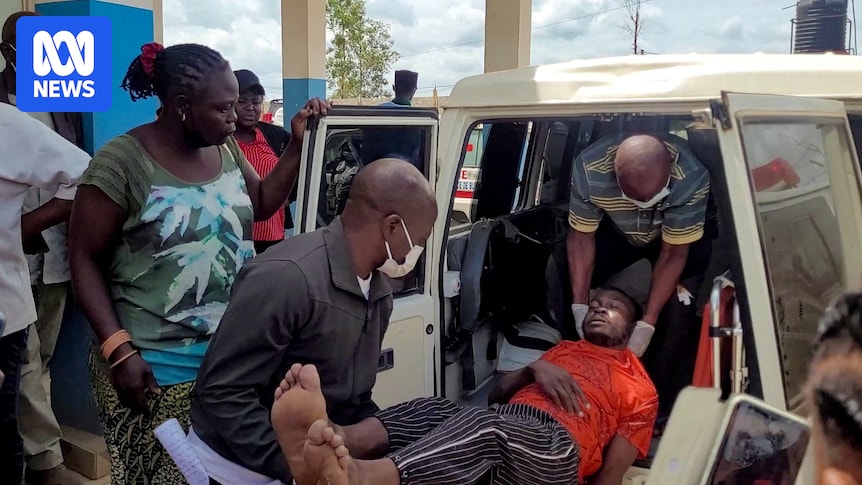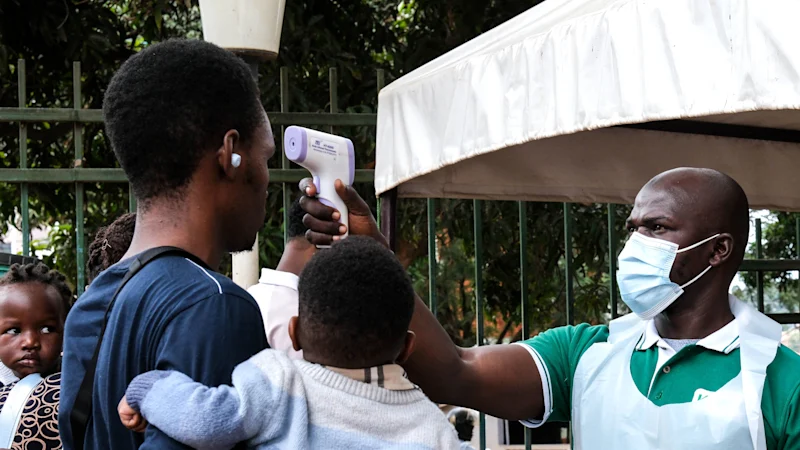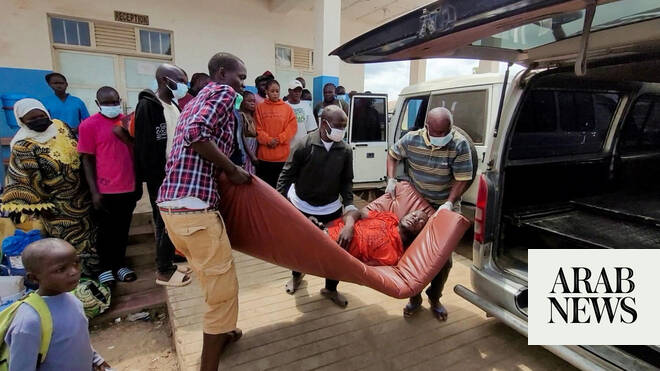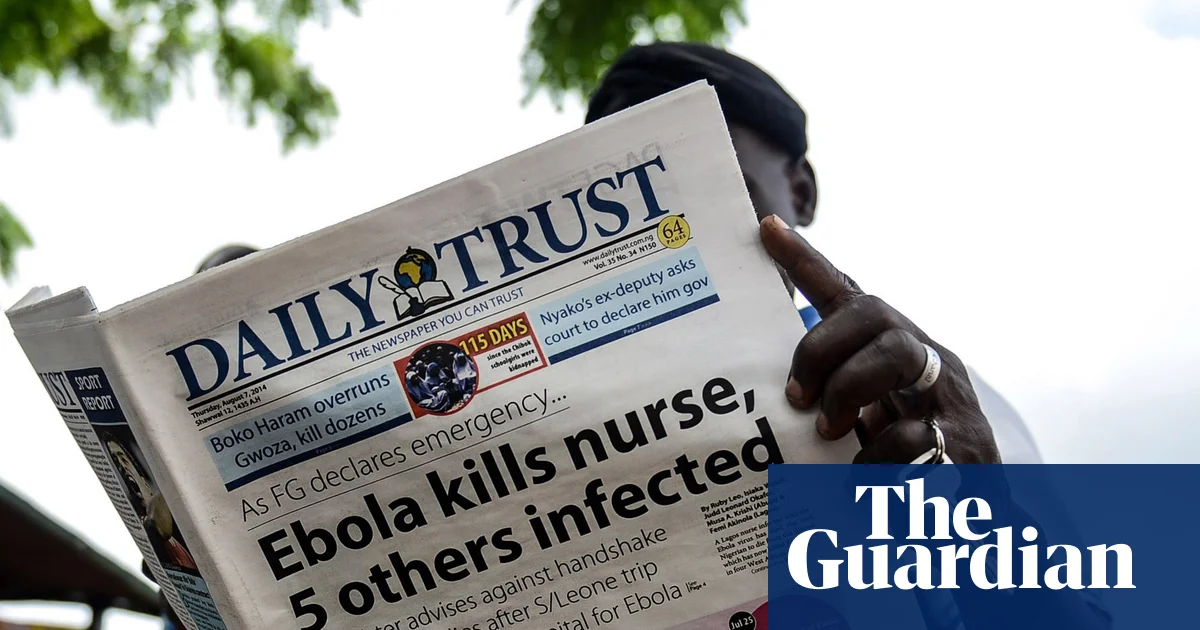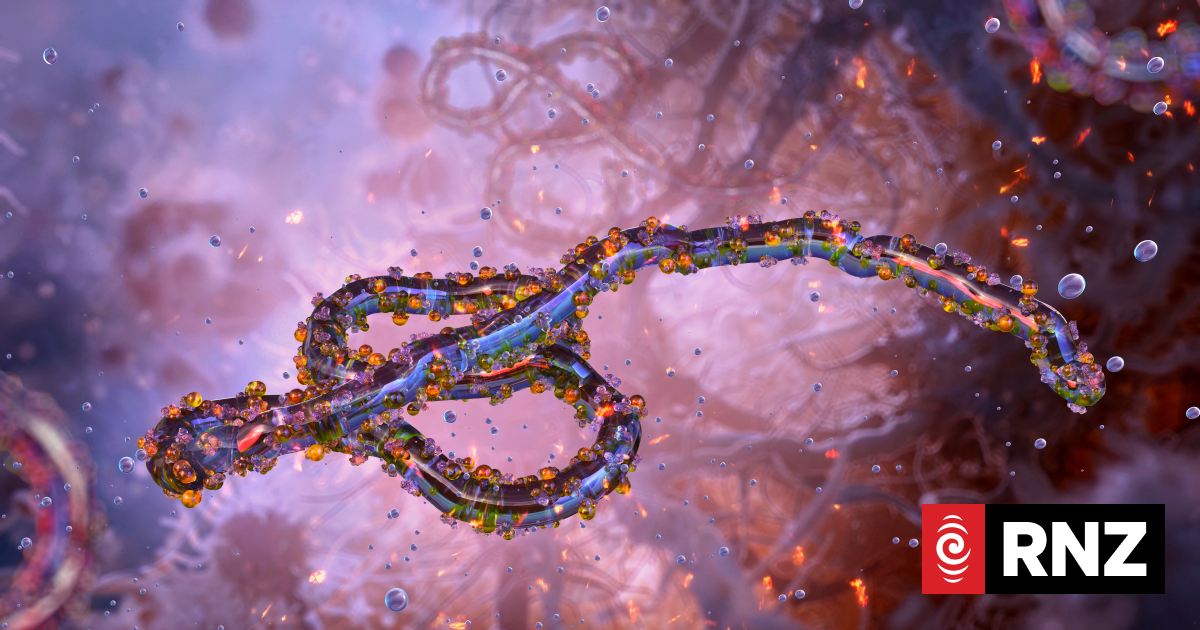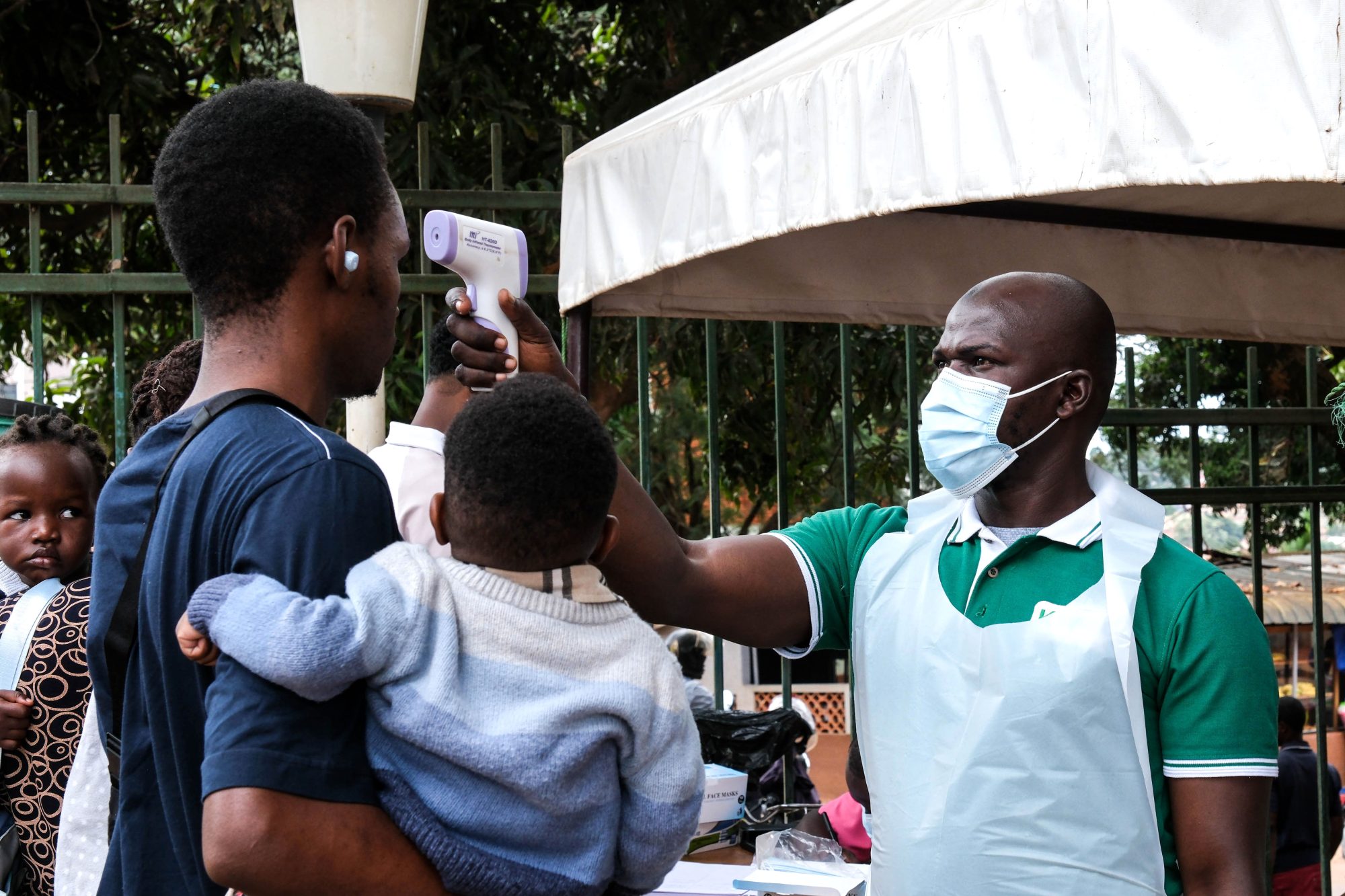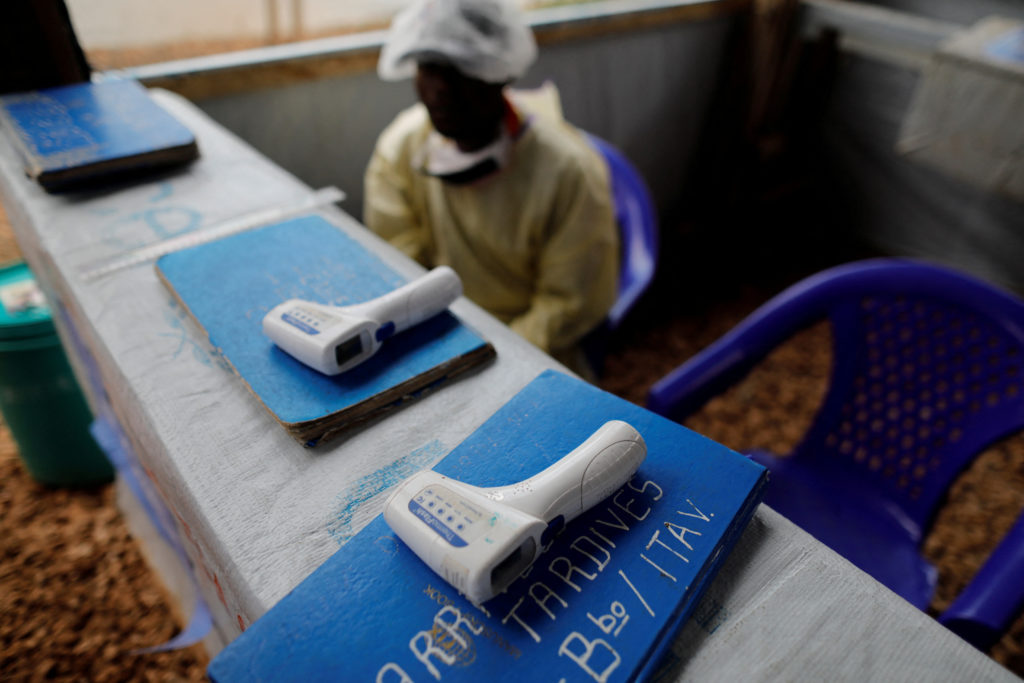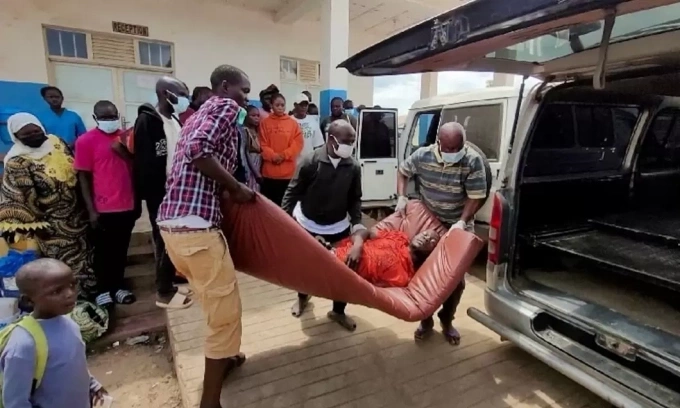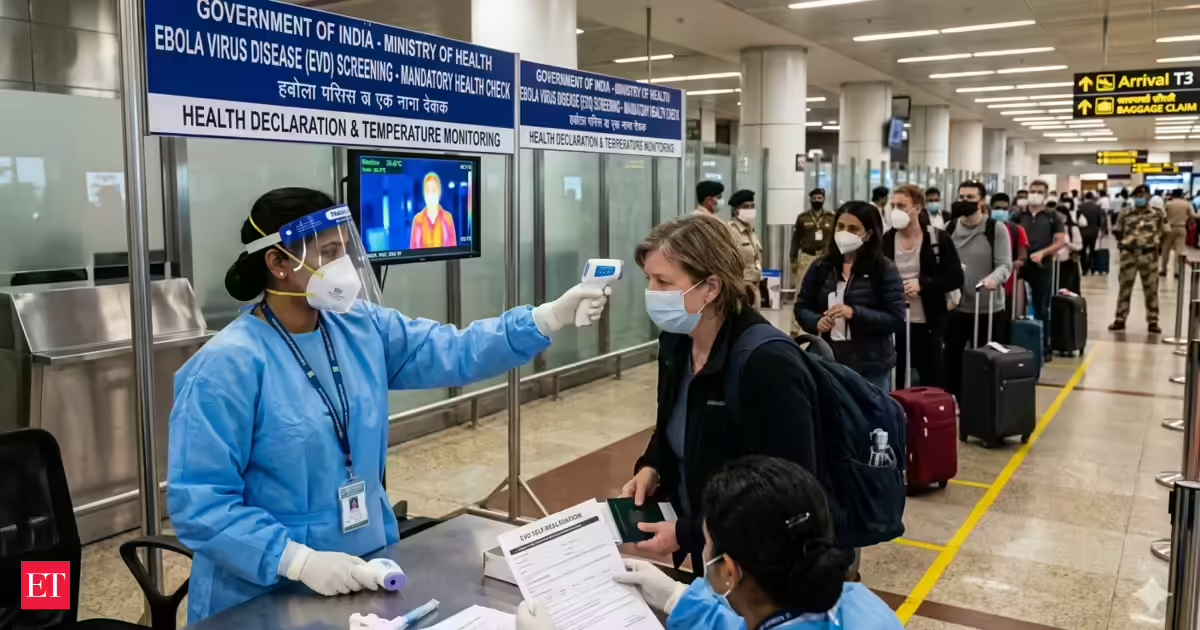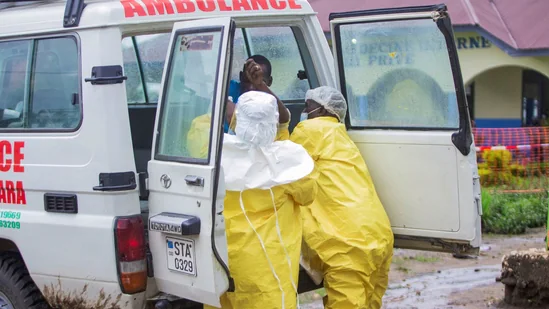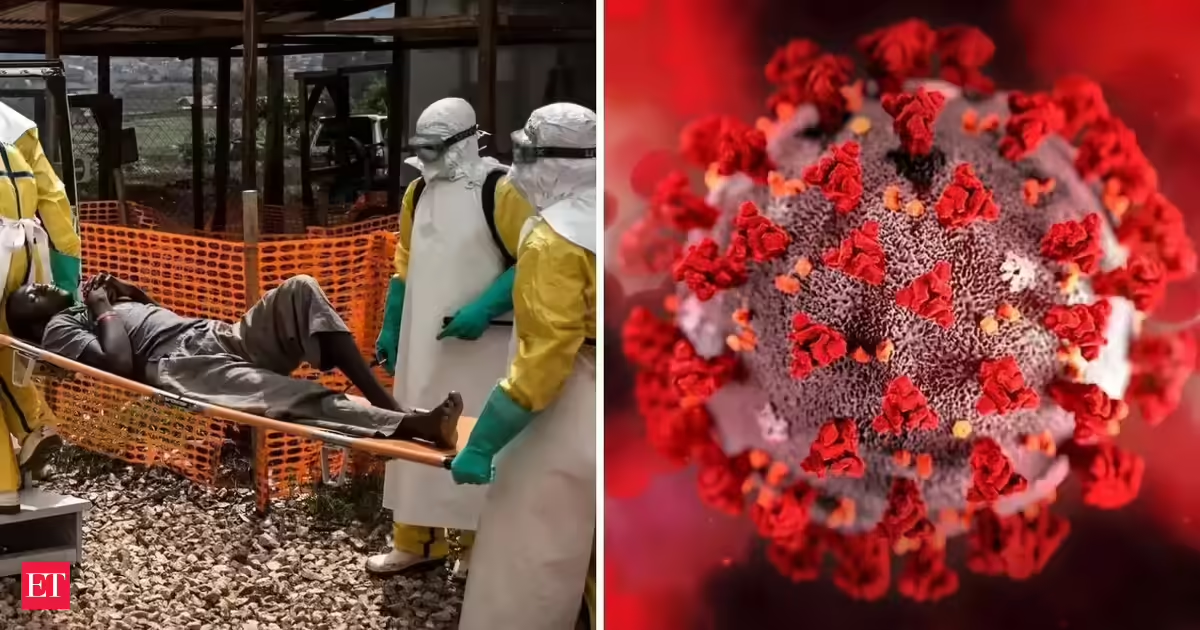
The Ebola outbreak in the Democratic Republic of the Congo and neighbouringng Uganda prompted the World Health Organisation (WHO) to declare it a "public health emergency of international concern". The latest outbreak or epidemic is being driven by the Bundibugyo virus, one of several viruses known as Orthoebolaviruses that can cause Ebola disease, according to the WHO. As the outbreak has sparked panic in countries such as India, US, Canada, UK, the health officials have advised citizens to exercise caution and take necessary preventive measures.ALSO READ: Ebola outbreak sparks concern in India What is Ebola?According to the Africa Centres for Disease Control and Prevention (Africa CDC), Ebola is a severe and often fatal disease that is spread through direct contact with the bodily fluids of an infected person. CDC says Ebola disease is caused by an infection with an orthoebolavirus, found primarily in sub-Saharan Africa. Orthoebolaviruses can cause serious and often deadly disease, with a mortality rate as high as 80 to 90 per cent.Symptoms of EbolaSymptoms often include fever, fatigue, muscle pain, headache and a sore throat, followed by vomiting, diarrhoea, abdominal pain, among others. Internal and external bleeding can occur later as the disease progresses. The incubation period or interval from infection to onset of symptoms varies from 2 to 21 days, says WHO.People infected with Ebola may initially develop “dry” symptoms such as fever, body aches, pain and extreme fatigue in the early stage of the illness. As the disease progresses and the patient becomes more severely ill, “wet” symptoms can appear, including diarrhoea, vomiting and unexplained bleeding.Although Ebola is often associated with severe bleeding, experts say it is not always a common early symptom and usually appears in the later stages of the disease. Some patients may develop internal and external bleeding, including blood in vomit and stool, as well as bleeding from the nose, gums and vagina. Bleeding can also occur at injection or needle puncture sites.The virus can also affect the central nervous system, leading to symptoms such as confusion, irritability and aggressive behaviour.Ebola virus outbreakThe World Health Organisation has declared the Ebola virus outbreak in the Democratic Republic of the Congo and Uganda a “public health emergency of international concern”. About 80 peole have reportedly died in the latest outbreak linked to the Bundibugyo strain of the virus.“WHO...is hereby determining that the Ebola disease caused by Bundibugyo virus in the Democratic Republic of the Congo and Uganda constitutes a public health emergency of international concern (PHEIC), but does not meet the criteria of pandemic emergency,” the Geneva-based body said.The Africa Centres for Disease Control and Prevention said at least 87 people have died in the latest Ebola outbreak, warning that the virus is now spreading actively within communities.Officials had initially announced the outbreak on Friday with 65 deaths and 246 suspected cases. By Saturday, the number of suspected infections had risen sharply to 336, including 13 confirmed cases. Four of those confirmed patients have died.Residents of Bunia, the capital of Ituri province in Congo, said fear and panic are growing as deaths continue to rise. “Every day, people are dying, and this has been happening for about a week. In a single day, we bury two, three or even more people,” said Jean Marc Asimwe. “At this point, we don’t really know what kind of disease it is.”Ebola outbreak in IndiaNo Ebola outbreak has been reported in India so far. Indian health experts have said there is no need to panic over the Ebola outbreak, stressing that the virus does not spread as easily as Covid-19. However, they said vigilance, surveillance and early detection remain critical.Health Ministry officials said India has not reported any Ebola case so far, except for one international traveller who tested positive in 2014. The National Centre for Disease Control (NCDC) is closely monitoring the evolving situation.According to Dr Randeep Guleria, Ebola spreads through direct contact with infected body fluids, blood, vomit, secretions or contaminated materials. He noted that this is very different from Covid-19, which primarily spread through respiratory droplets and airborne transmission.Ebola prevention tipsAvoid direct contact with blood and body fluids of people infected with Ebola.Stay away from saliva, sweat, urine, vomit, semen, breast milk and other bodily fluids of infected patients.Do not touch clothes, bedding, needles or medical equipment contaminated by an Ebola patient.Avoid contact with the body of a person who died from suspected or confirmed Ebola infection.Do not participate in unsafe funeral or burial practices involving direct contact with the body.Avoid bats, primates, forest antelopes and other wild animals that may carry the virus.Do not consume raw or undercooked wild animal meat in outbreak-hit regions.Wear personal protective equipment (PPE) while caring for Ebola patients or handling contaminated items.Wash hands regularly and maintain strict hygiene practices, especially after any possible exposure.If you return from an Ebola-affected area, monitor your health for 21 days and seek immediate medical help if symptoms develop.
What is Ebola, how does it spread and is there any outbreak in India? All FAQs answered
Ebola outbreak: The World Health Organization has declared an Ebola outbreak in the Democratic Republic of the Congo and Uganda a public health emergency. Driven by the Bundibugyo virus, the disease has caused significant fatalities. Health officials urge caution and preventive measures, emphasizing that Ebola spreads through direct contact with bodily fluids, unlike COVID-19.
816 words~4 min read