Stimulus schemes meant to strengthen purchasing power raise concerns about inflation. Chanat Katanyu
Nearly three months have passed since the US-Israeli air strikes on Iran began, with no resolution to the war in sight, while almost two months have elapsed since the Thai government took office.Economic stimulus measures were issued, with a further round scheduled for next month via the emergency loan decree for 400 billion baht drawing criticism.
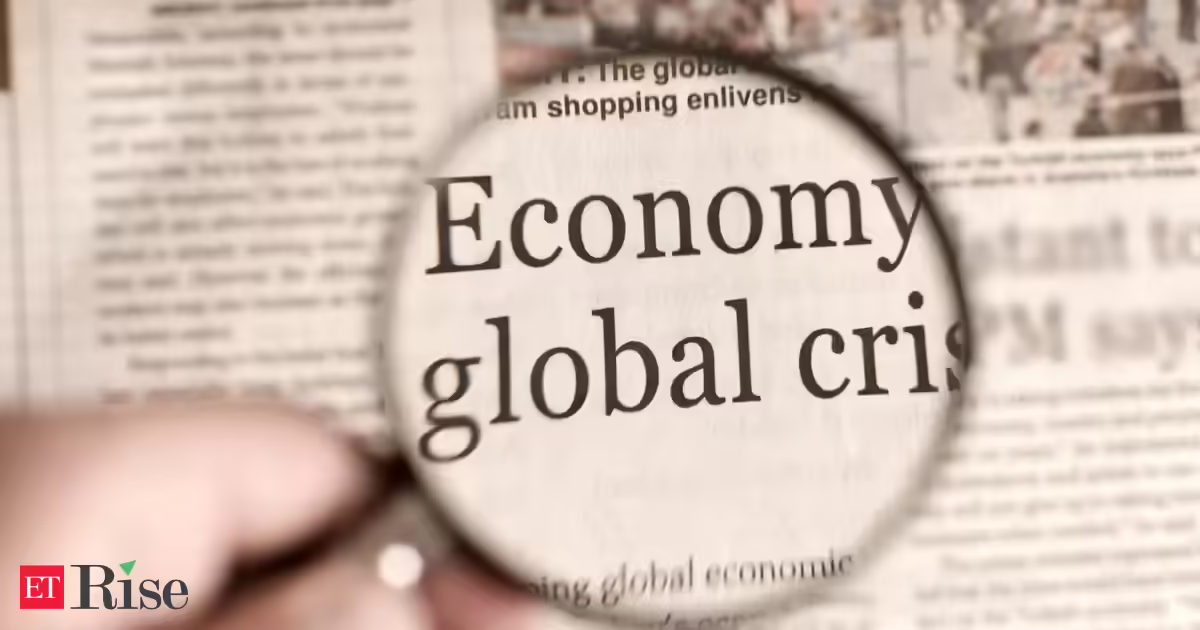
Critics question the justification for the emergency loan decree and whether stimulus efforts will be sufficient to address the prolonged crisis. The massive stimulus could also accelerate the inflation risk for a fragile economy.
Kasikorn Research Center (K-Research) predicts Thai inflation could jump to 5-6% this year, while staff layoffs will rise as manufacturing costs increase because of the protracted Middle East war.
"Thailand relies heavily on energy imports from the Middle East, both for oil and natural gas," said Burin Adulwattana, managing director and chief economist at the think tank.