Washington facing long economic war or risky military action to reopen strait of Hormuz – which may now be more valuable to Iran than a nuclear weapon
Donald Trump is learning first-hand about the perils of mission creep.
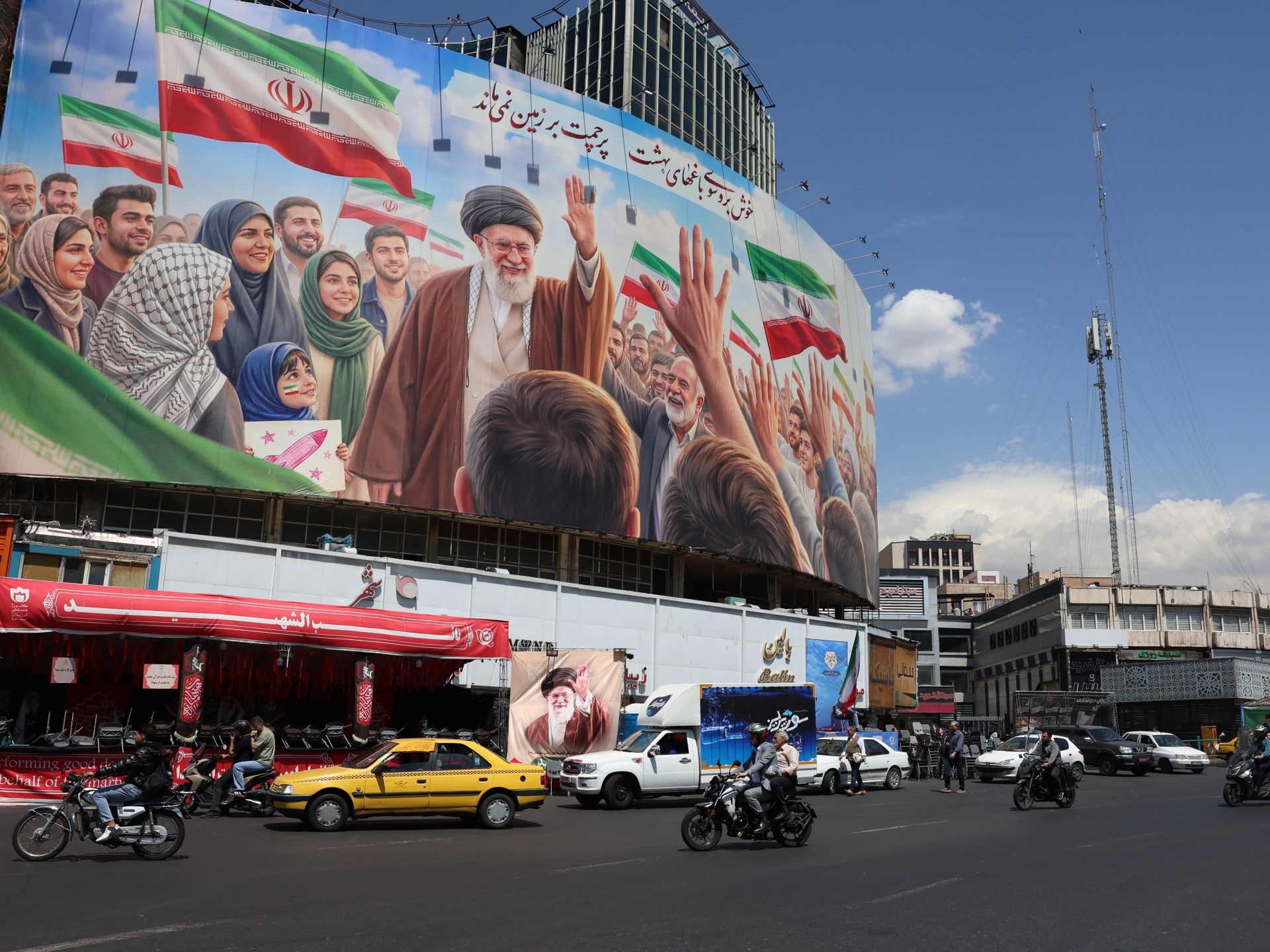
The US-Israel war in Iran has just passed its eighth week – twice as long as the president predicted it would take when US warplanes launched their joint attack with Israeli forces to decapitate the Iranian leadership and paralyse its military. The military attacks were successful. The predictions about the political cause-and-effect to follow were not.
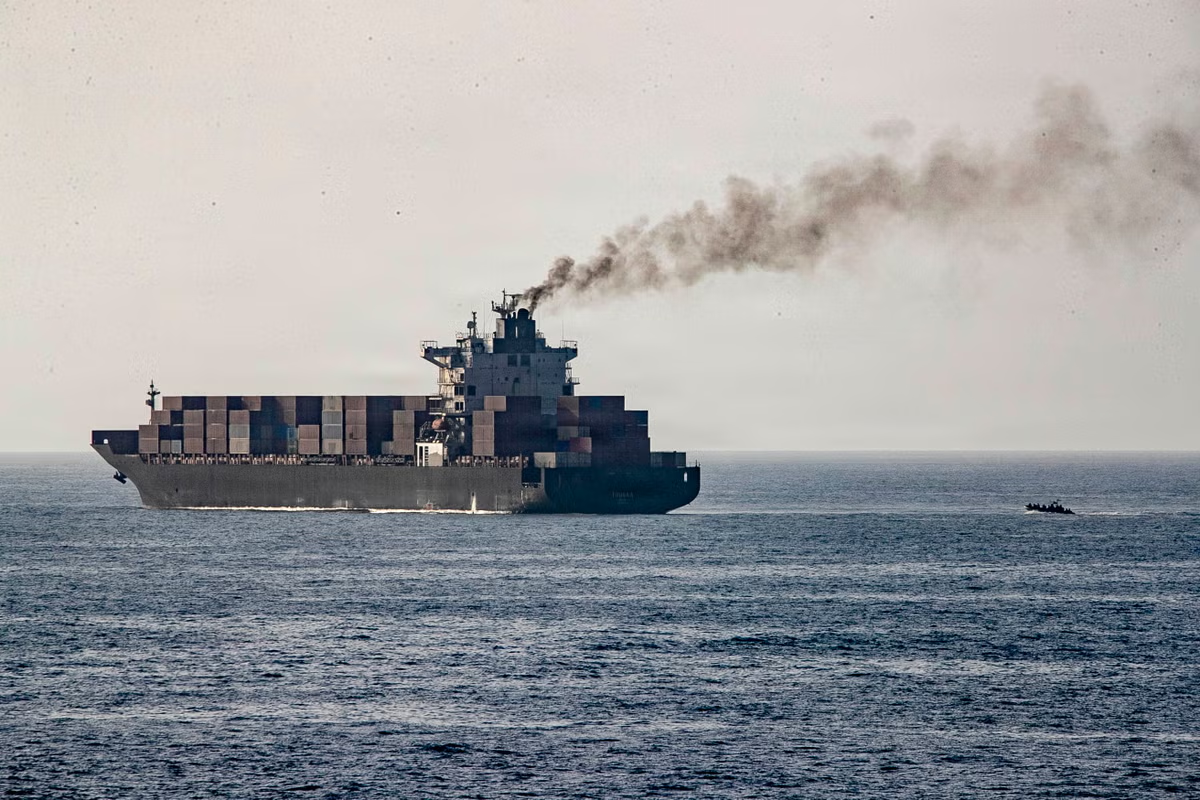
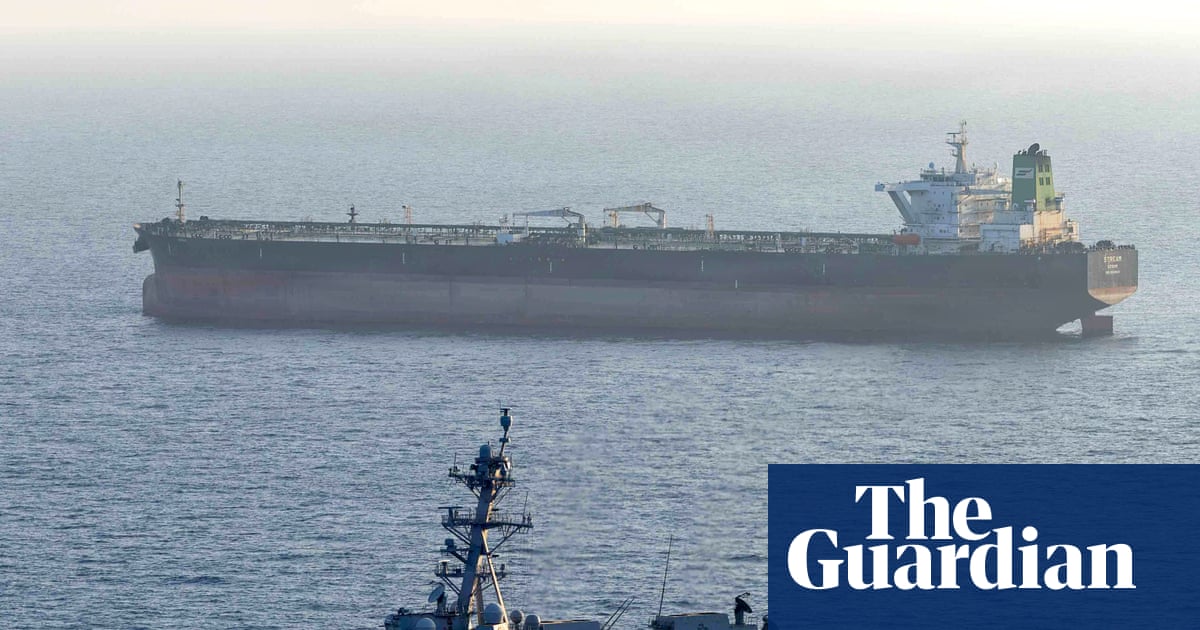
Iran has survived the initial strikes and remains defiant, closing the strait of Hormuz in a move that has blocked off a fifth of the global oil trade. The US has responded with its own blockade to lock in Iranian oil, inflicting losses of an estimated $500m daily on Tehran and threatening the country’s long-term energy production – but negotiations have stalled and it is not clear if the White House is willing to withstand the pain of a sustained economic war or the risk of a military operation to open the strait.
“This has gone from being a war of choice to a war of necessity,” said Aaron David Miller, an analyst at the Carnegie Endowment and a former US diplomat and Middle East negotiator.