The U.S. and Israel are locked into a longer-than-expected war that may extend through April before Iran’s military is sufficiently neutered to begin shifting toward a “defensive” posture and reopening oil and gas flows to a world thirsting for cheaper energy, military and energy analysts said.
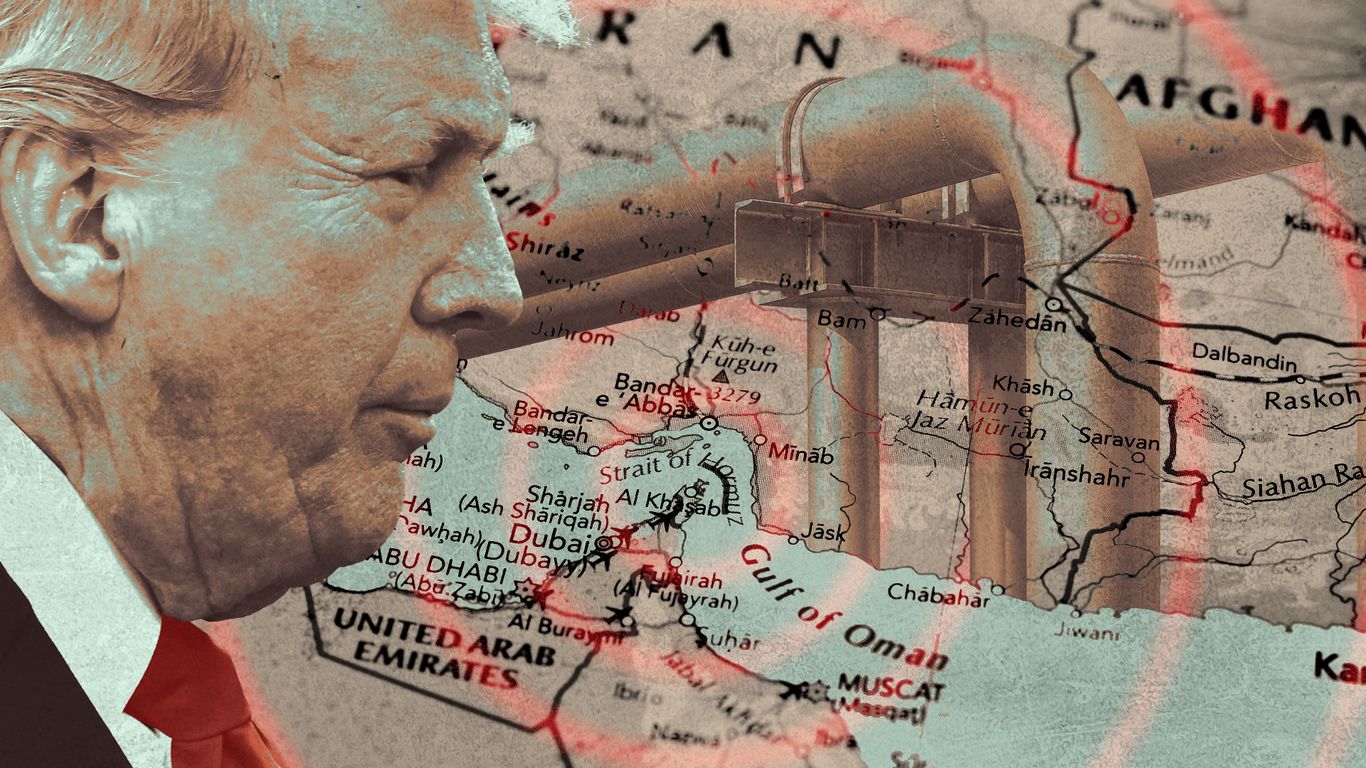
With or without a ceasefire agreement and likely short of regime change, the main military objective is to stay the course until Iran is exhausted of much of its remaining missile, drone, and fast-boat inventories, meaning it can no longer effectively block tankers from the critical Strait of Hormuz choke point, they said.
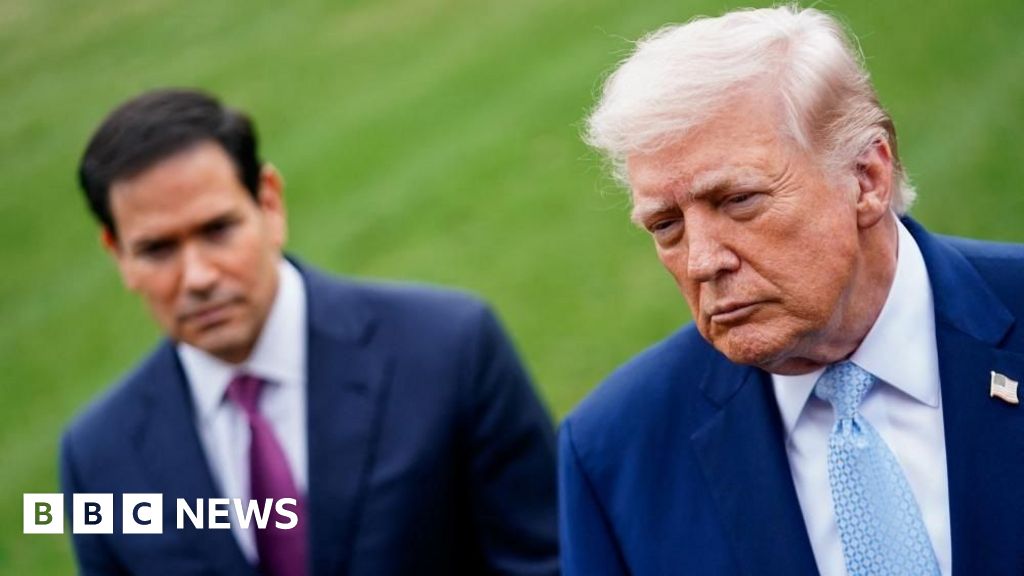
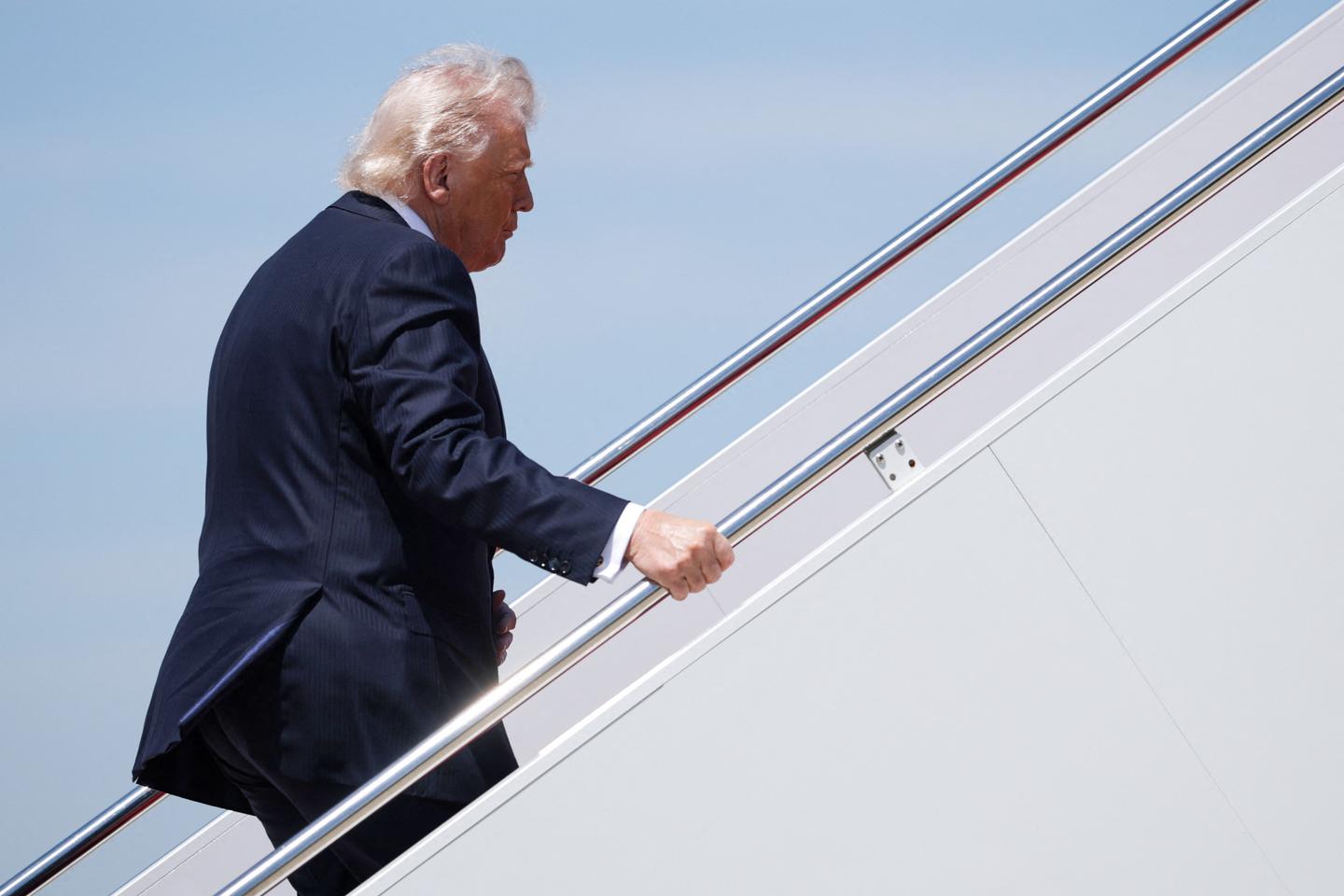
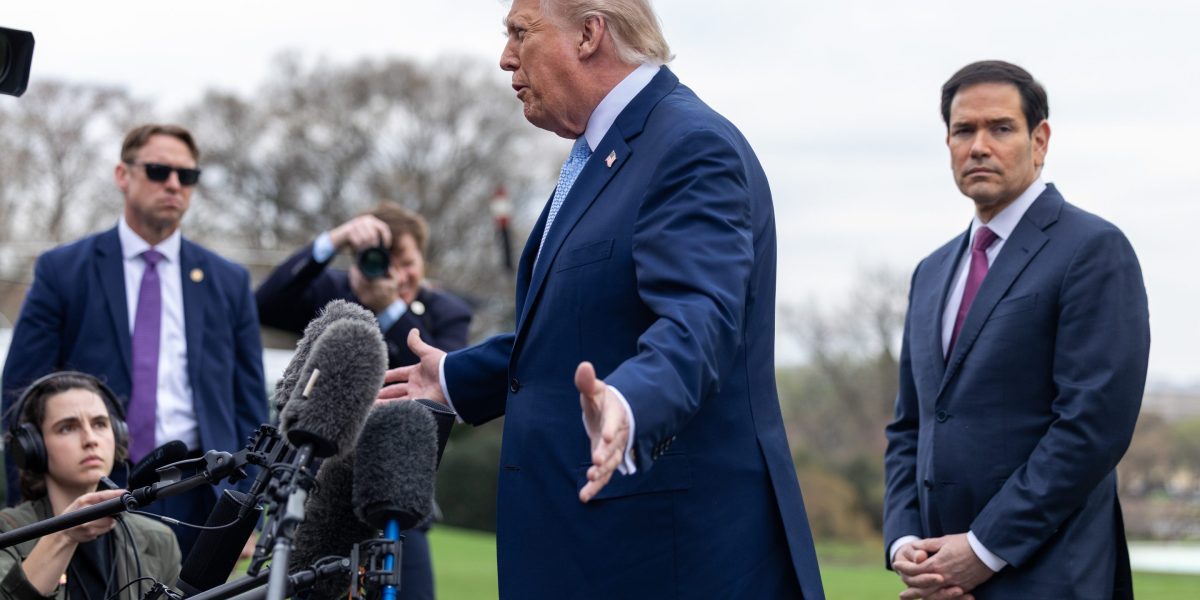
President Donald Trump hinted at it on Friday, when he posted on social media that he is considering “winding down” military operations in the Mideast, saying the U.S. is near its objectives of degrading Iran’s missile capability, defense industrial base, armed forces, and nuclear program.
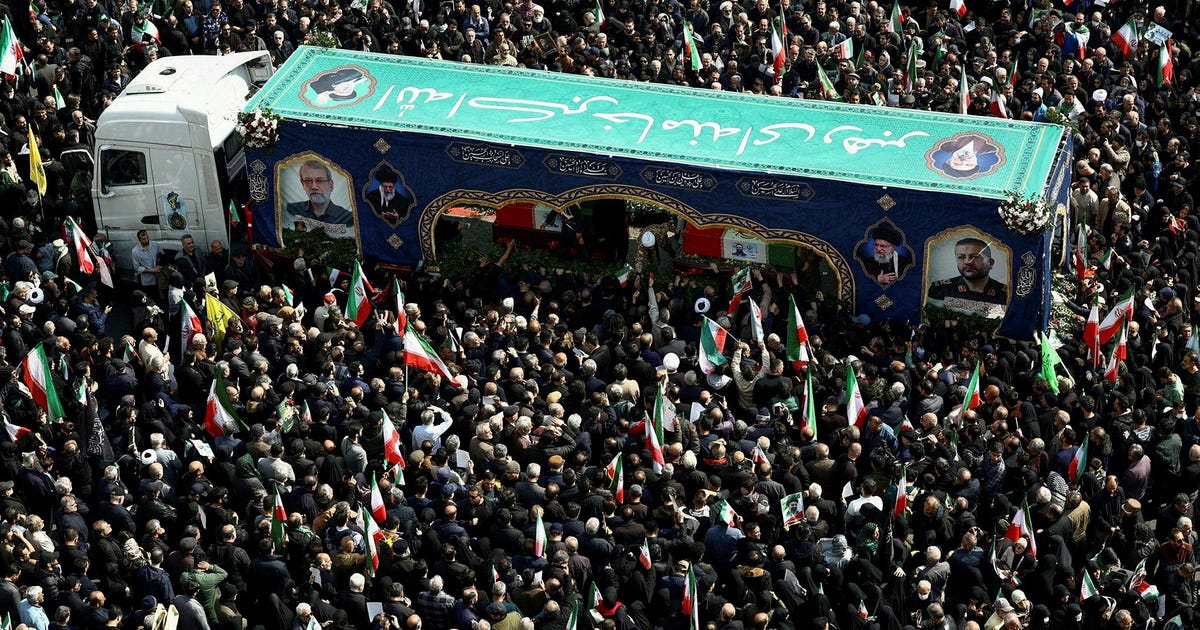
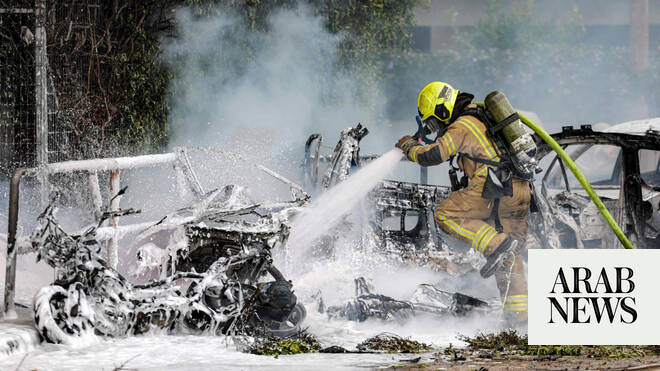
The war has caused oil prices to surge about 75% since the beginning of the year, threatening inflationary spikes worldwide and regional energy shortages. The campaign has already cost the U.S. many billions of dollars, and the Pentagon has request $200 billion more. Much of the Iranian leadership is killed and many of its military supply chains are decimated. But that hasn’t stopped Israel from escalating matters by targeting Iran’s domestic power supplies through its South Pars gas field—an action Trump criticized, asking Israel to stop hitting oil and gas production—or Iran responding by attacking the energy infrastructure of its Gulf neighbors, most notably Qatar’s liquefied natural gas facilities.