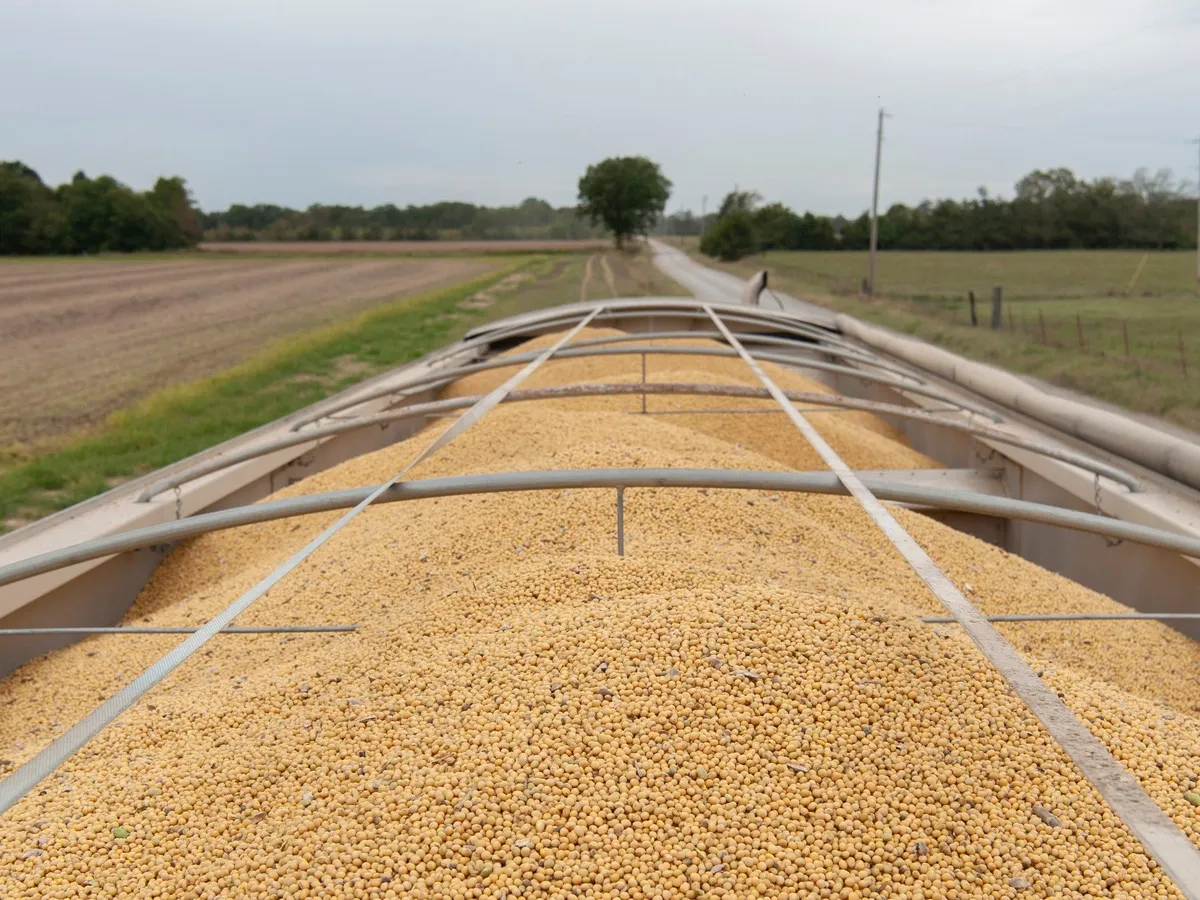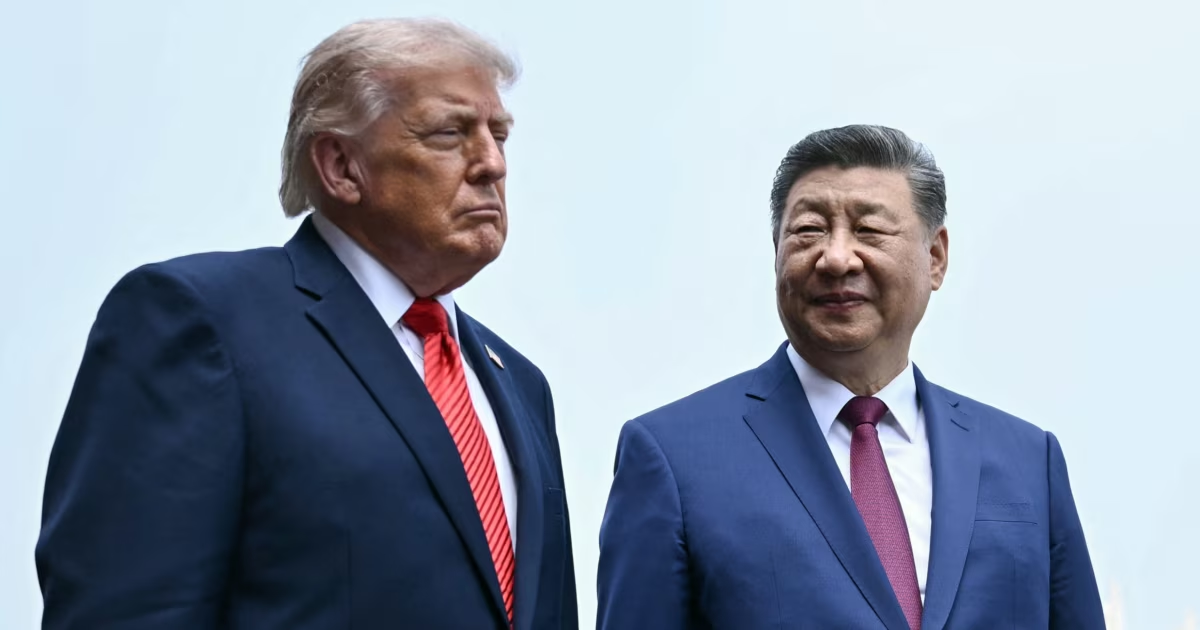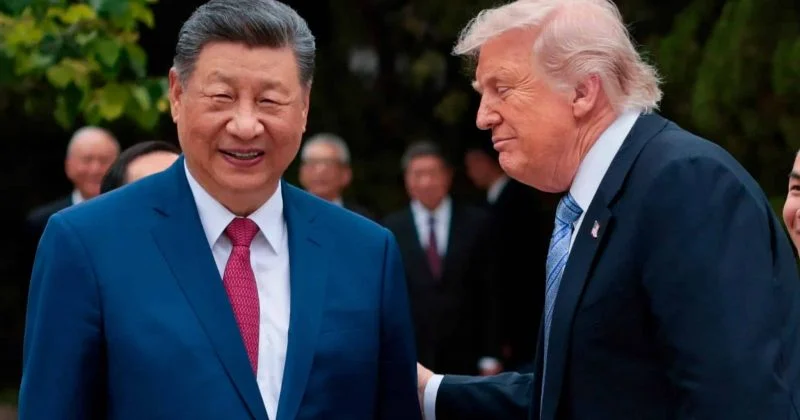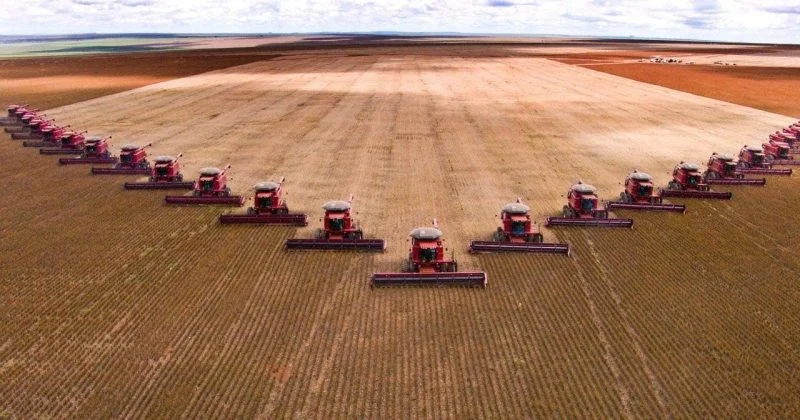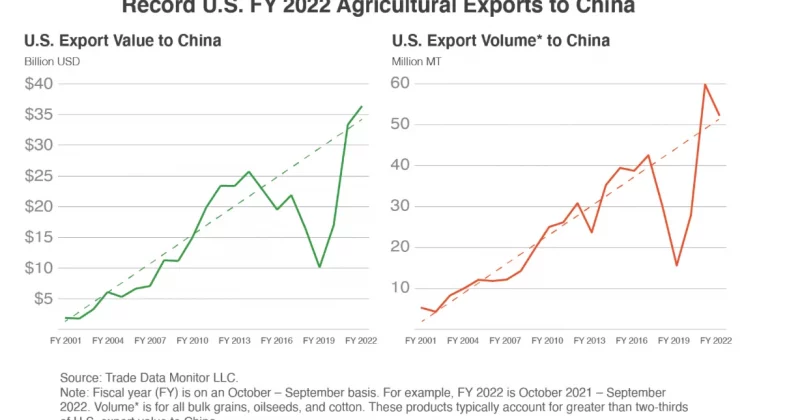
China has agreed to buy at least $17 billion worth of US agricultural products every year from 2026 through 2028, according to a White House fact sheet. The deal represents a renewed attempt to stabilize one of the most volatile corridors in global trade, and it carries implications well beyond the farm belt.
What the deal actually covers
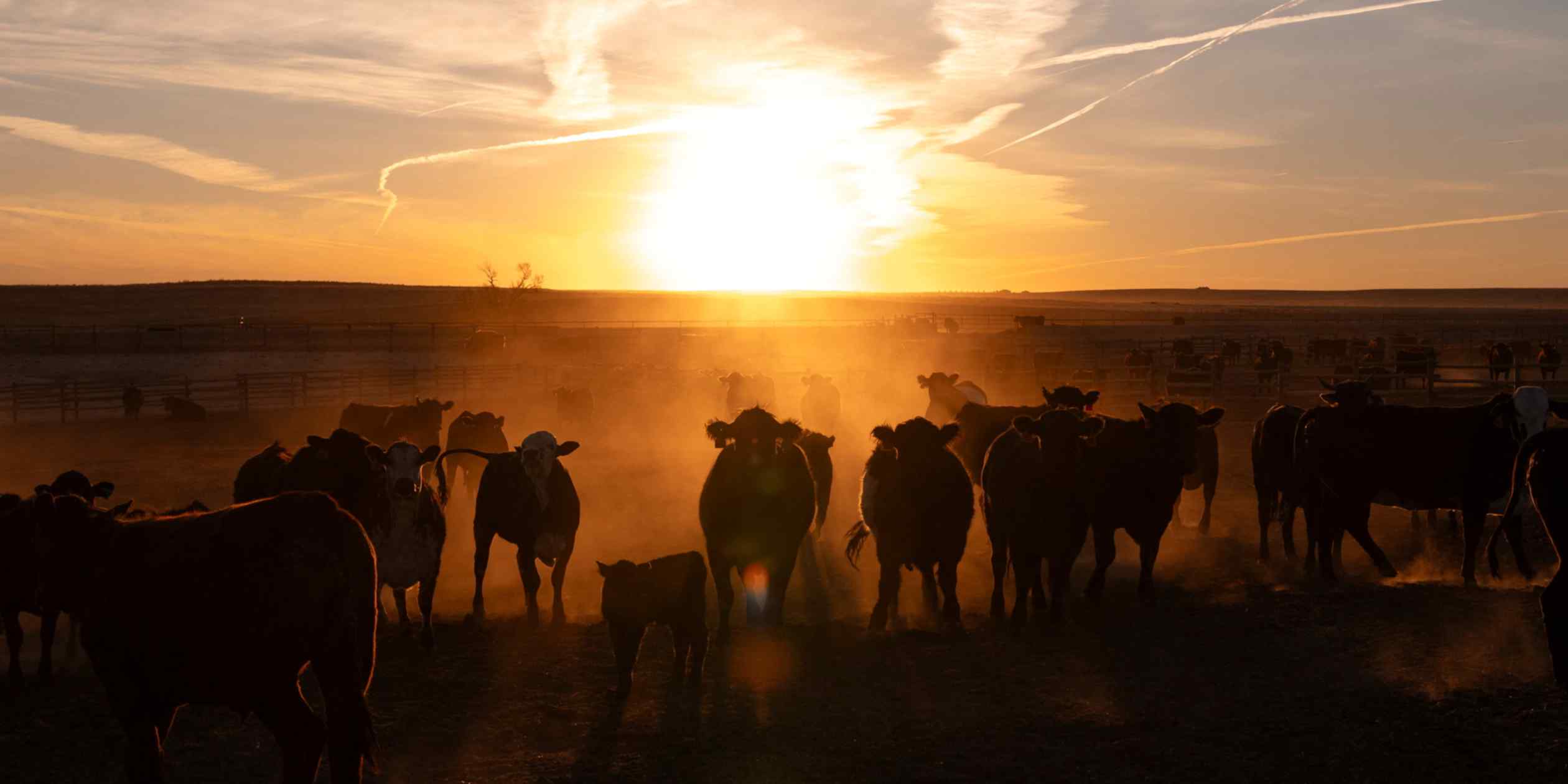
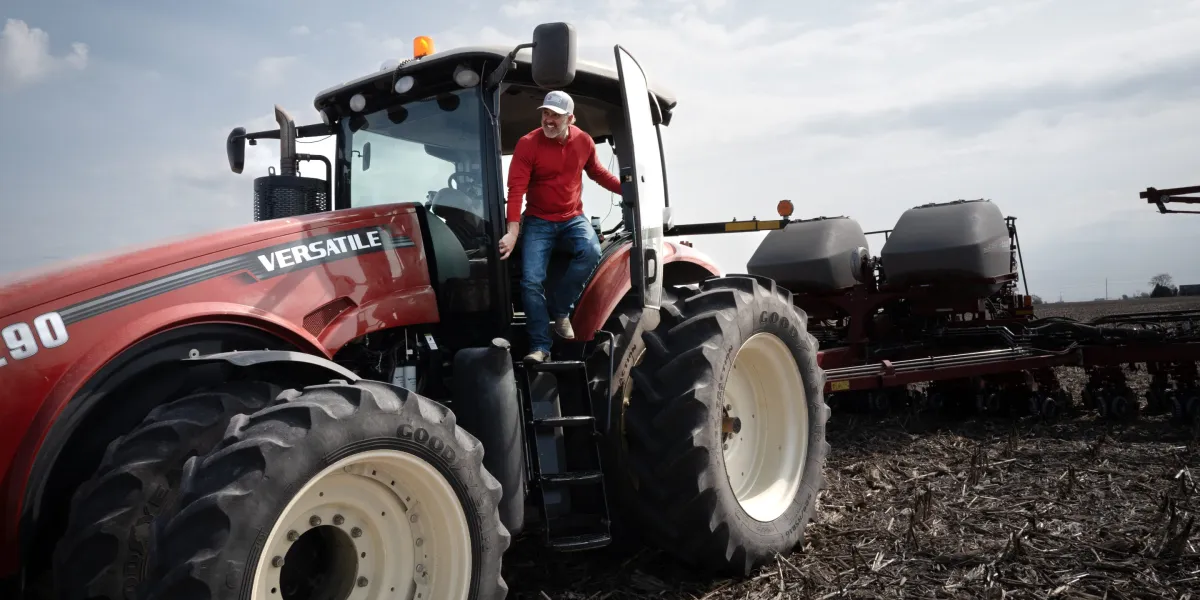
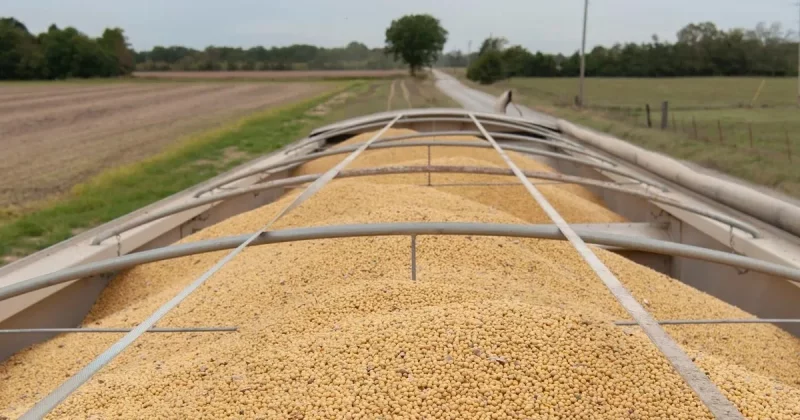
The commitment goes well beyond soybeans, which have historically dominated US agricultural exports to China. This time, the product list explicitly includes corn, pork, beef, and poultry, broadening the base of American farming operations that stand to benefit.
The $17 billion annual floor is structured to run for three calendar years: 2026, 2027, and 2028. That multi-year structure is notable because it’s designed to give US producers something the last agreement conspicuously failed to deliver: predictability.
Why the Phase One deal flopped