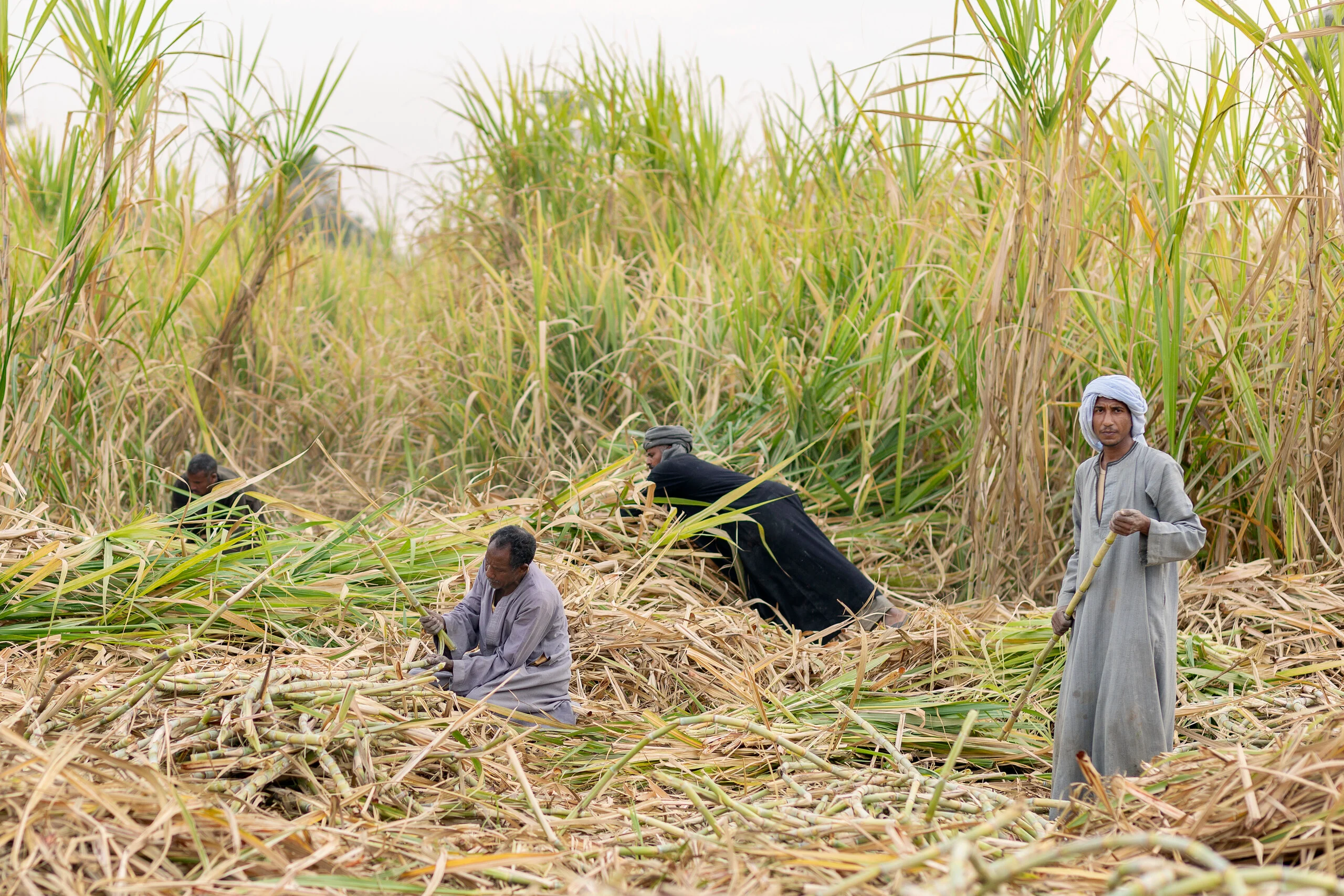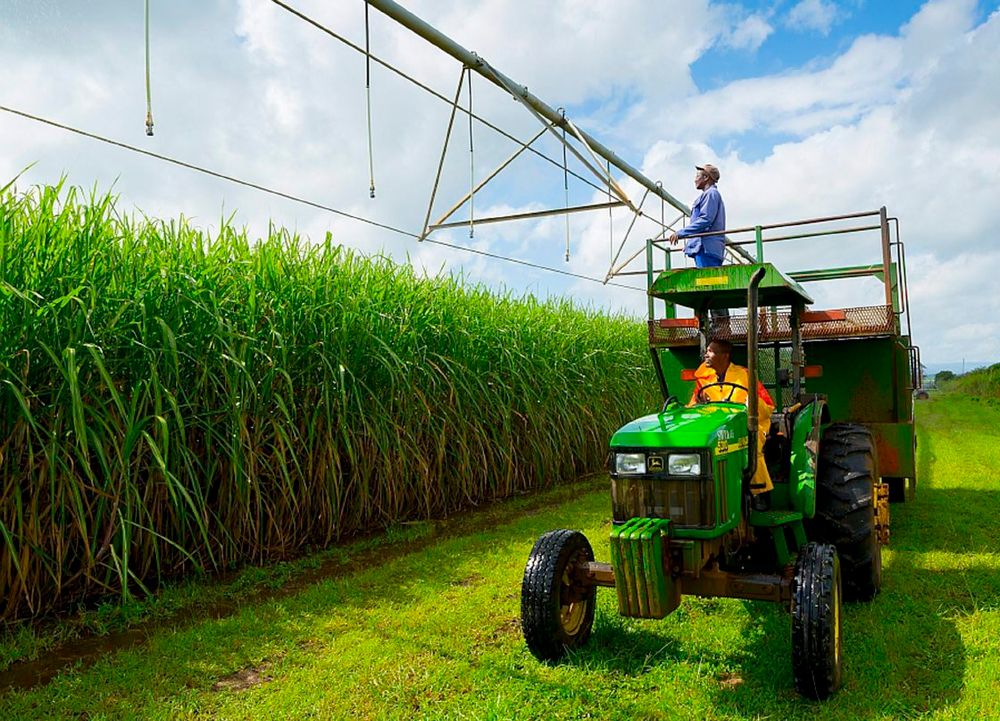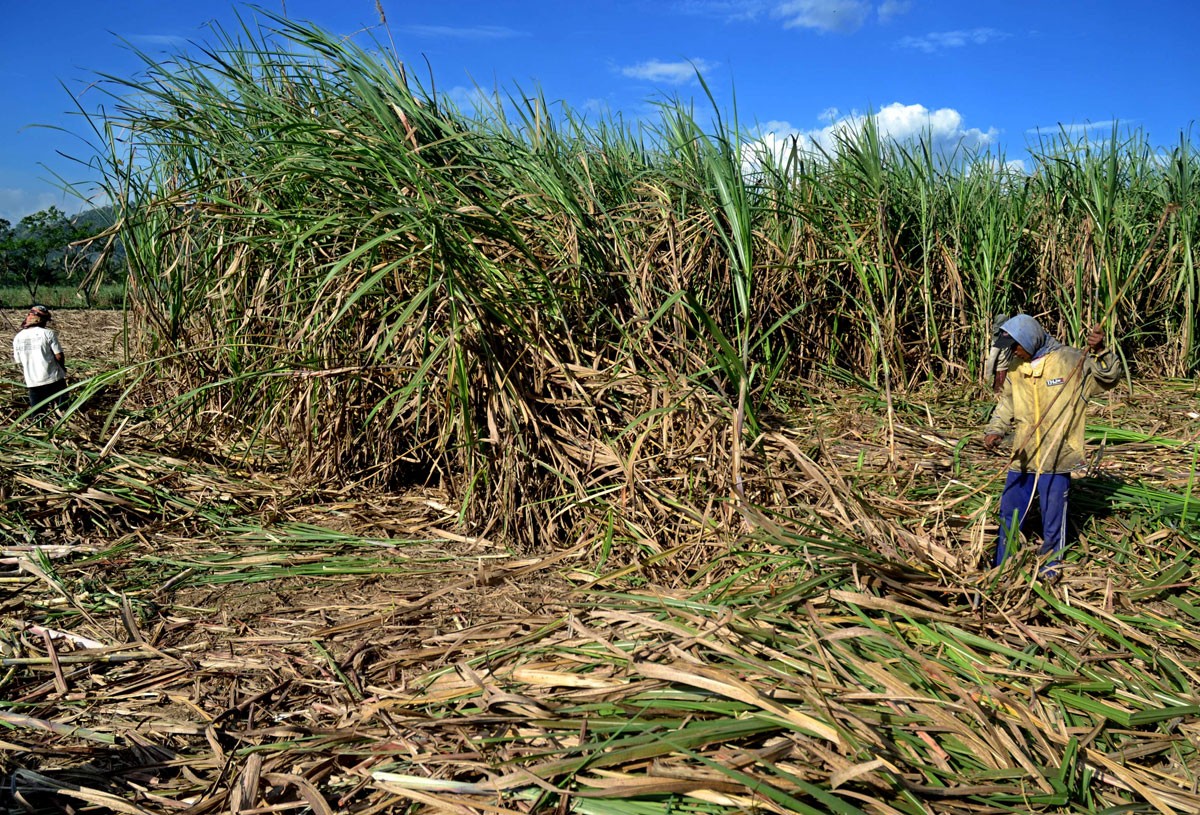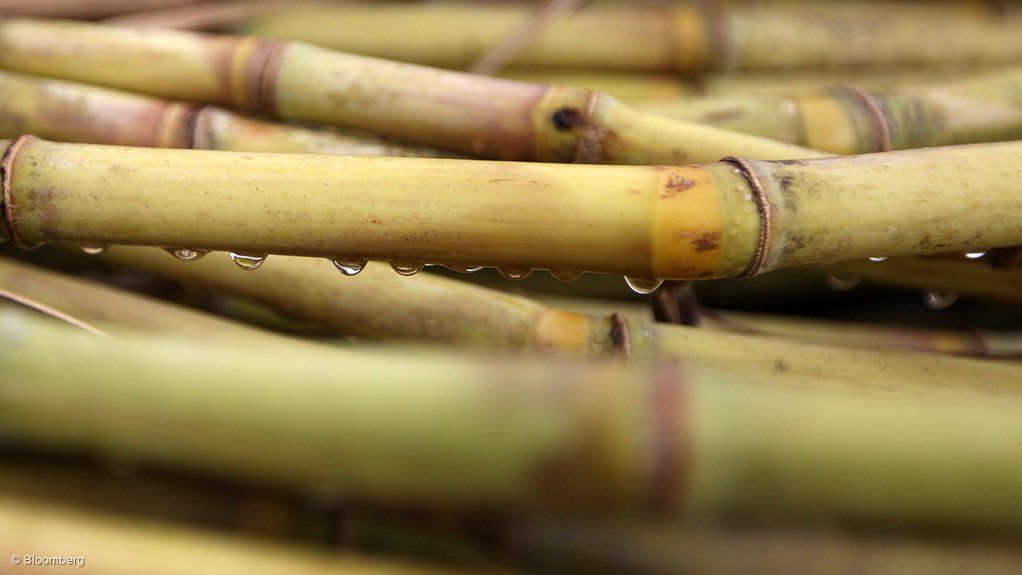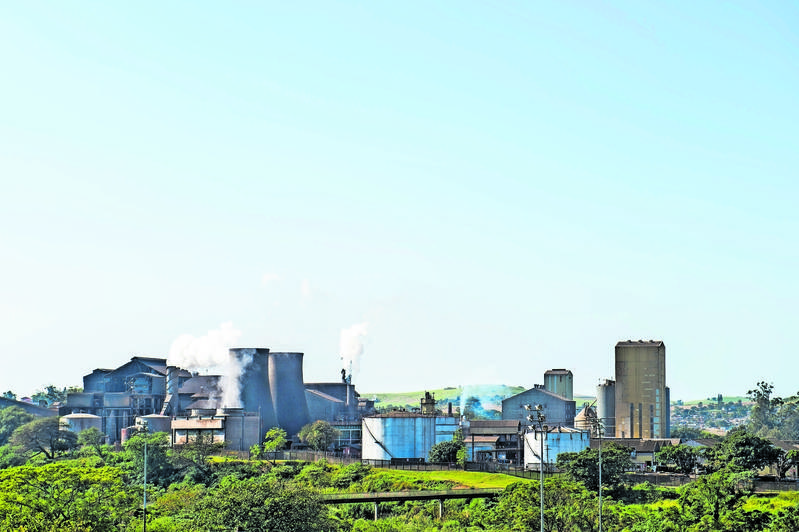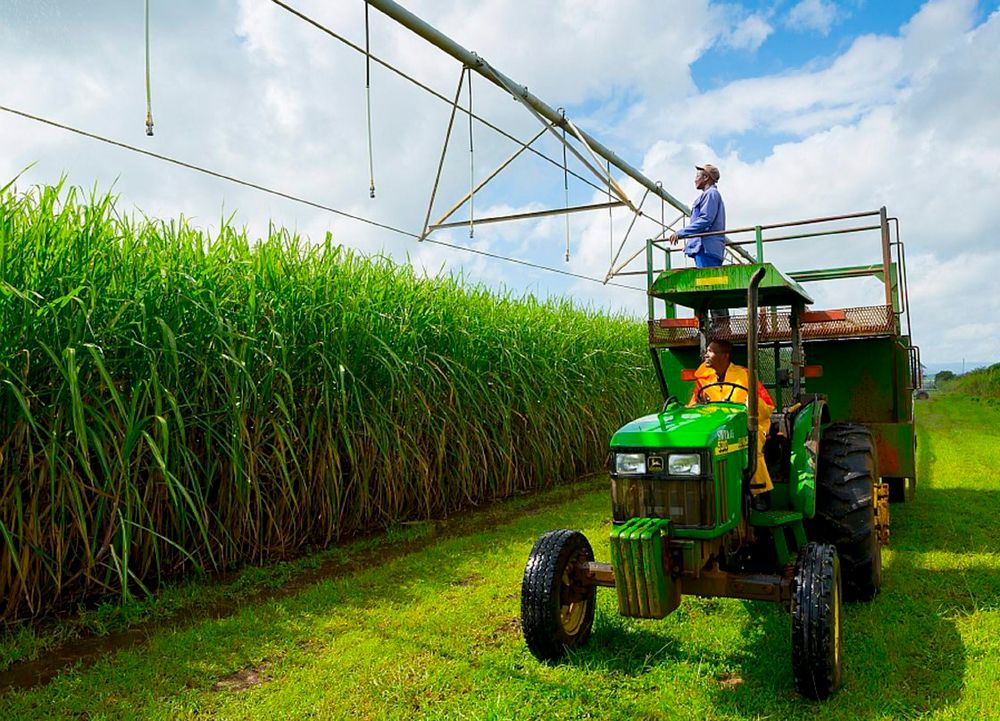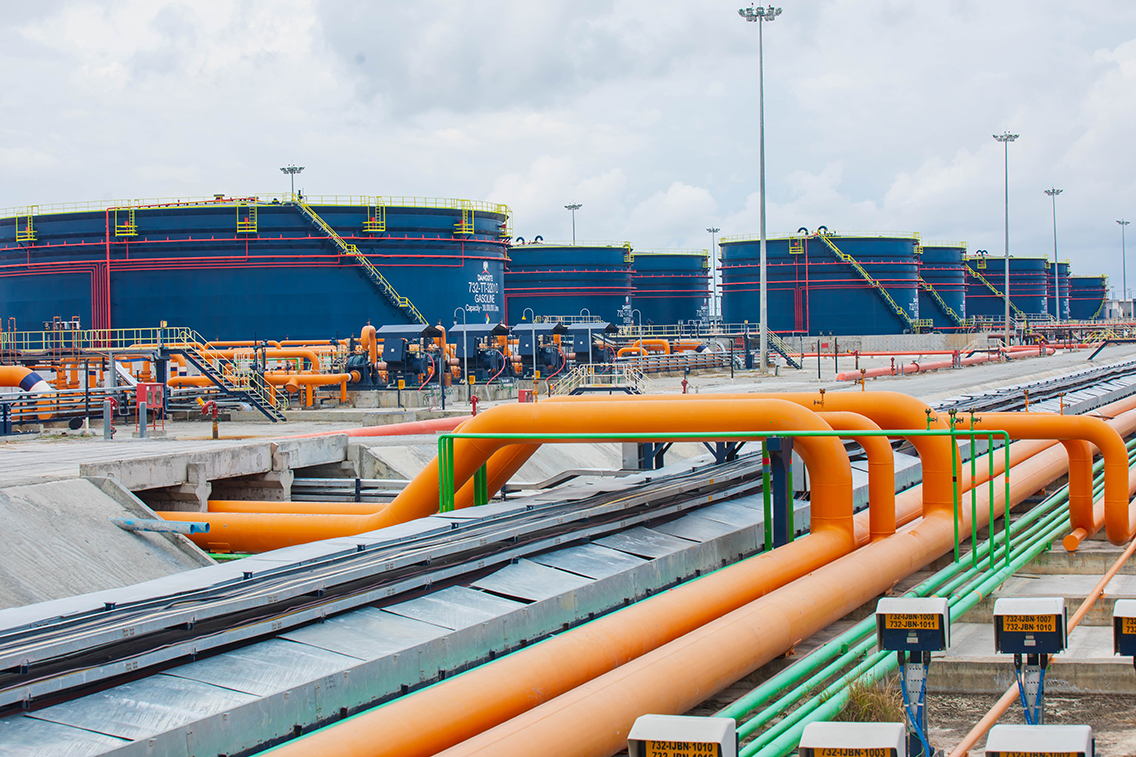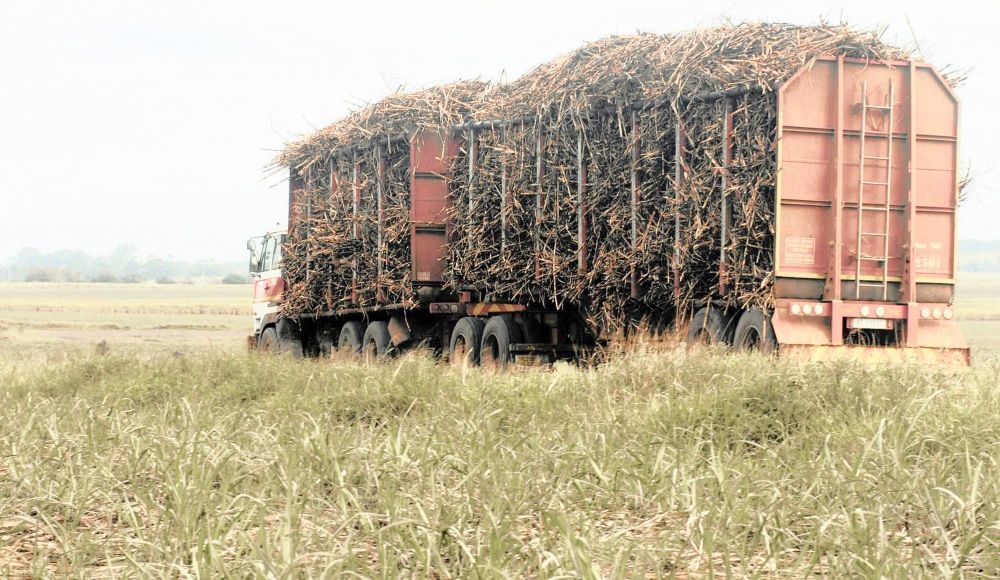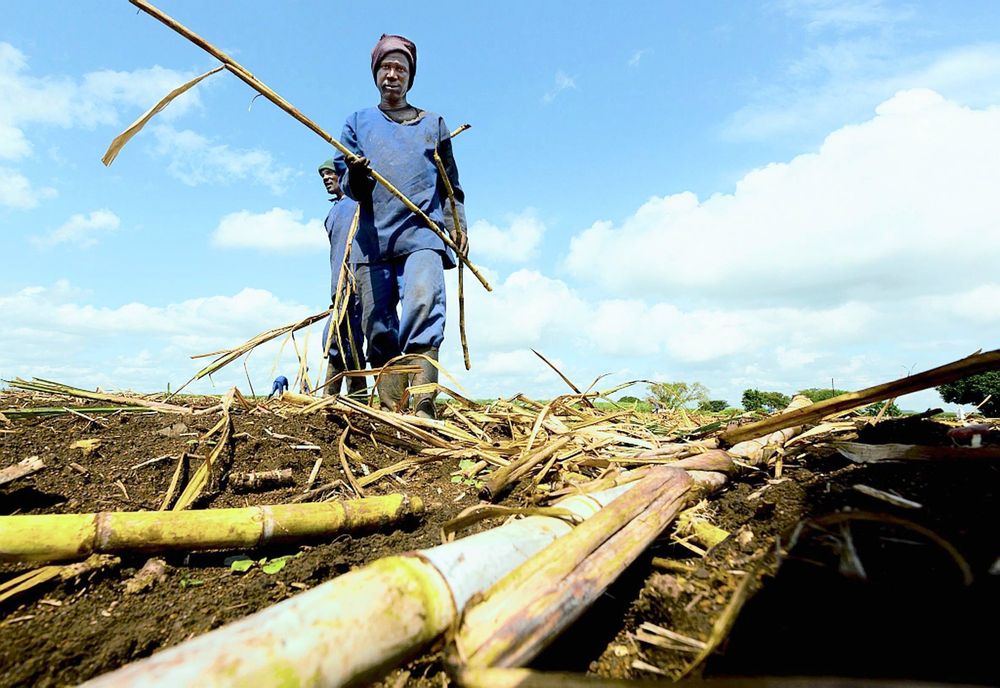
The government should accelerate plans to turn sugarcane into ethanol and electricity as part of the next phase of industry reforms, businessman Robert Gumede said, arguing the sector needs to be repositioned from a traditional agricultural industry into an energy and industrial asset.The comments come as the government moves into the second phase of the sugar industry master plan, launched by the department of trade, industry and competition in April, which seeks to shift the sector beyond sugar production towards diversification and value-added products. The phase two plan includes a national biofuel mandate targeting a 4.5% blend, using a 300,000-tonne annual sugar surplus as feedstock. The industry is also exploring sustainable aviation fuel.The industry has faced pressure from weak demand, imports and financial strain, while policymakers are looking for ways to preserve jobs and expand industrial activity.Speaking to Business Day on the sidelines of the Africa Forward Summit in Nairobi, Gumede said South Africa had focused too narrowly on sugar as a product for household consumption and food manufacturing, while countries such as Brazil and Thailand had built broader industries around fuel and power generation.“The truth is this is an industry that employs more than 250,000 people. It is a much bigger role rather than just being seen as an industry that produces sugar that we use on our tables.“The master plan must talk to the automotive industry and to energy,” said Gumede, chair of the Vision Sugar Consortium, which is seeking to acquire Tongaat Hulett out of business rescue.Brazil and Thailand convert sugarcane into ethanol for vehicles and use bagasse, the fibrous byproduct of milling, to generate electricity fed back into the national grid. Brazil now produces more sugar than it can consume domestically because diversification freed the crop from dependence on a single market. “Brazil produces more sugar than they can consume, and they diversified the use of sugar into ethanol that is used to fuel vehicles,” he said. “They are also using bagasse to produce power.“In Zimbabwe, 15% of their fuel has come from ethanol since 1975. In South Africa, not even a drop.”He said development finance institutions, including the Industrial Development Corporation, should help support investment into ethanol and related energy projects to improve fuel and electricity security while expanding production in the sector.“We want more sugarcane to be able to produce ethanol, to be able to produce for the grid,” Gumede said.“KwaZulu-Natal has more than 10-million people and major industries. We depend on power generated from coal in Mpumalanga. Yet we are sitting on a resource right here that could change that.”
Gumede calls for sugar industry diversification under new plan
The sector needs to be repositioned from a traditional agricultural industry into an energy and industrial asset, businessman Robert Gumede says
427 words~2 min read