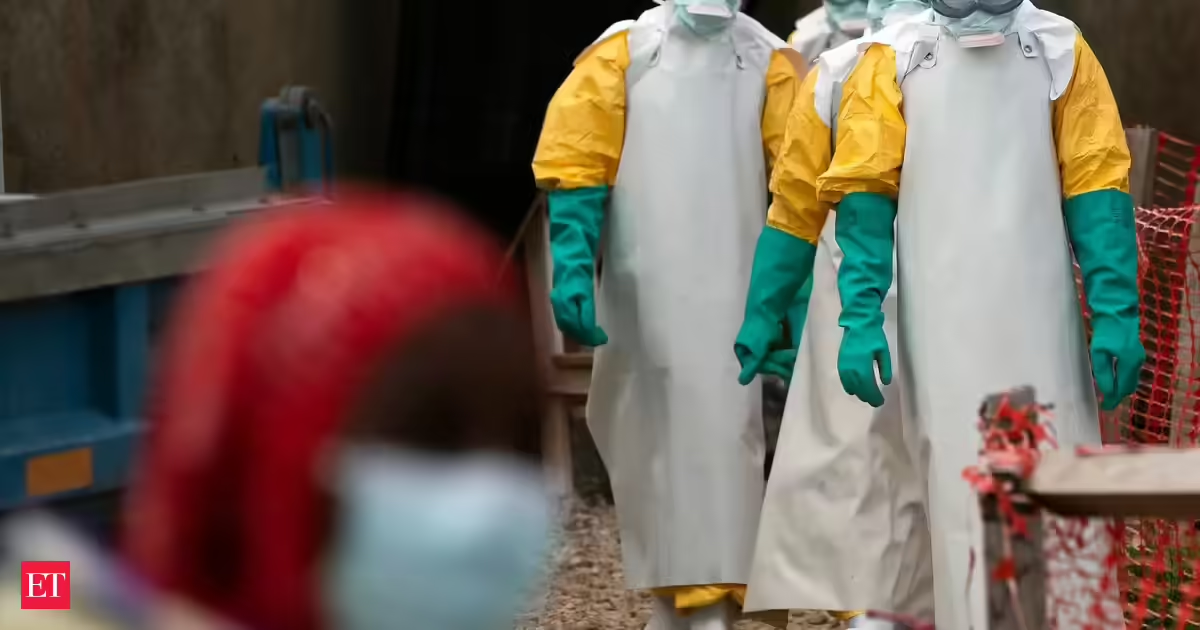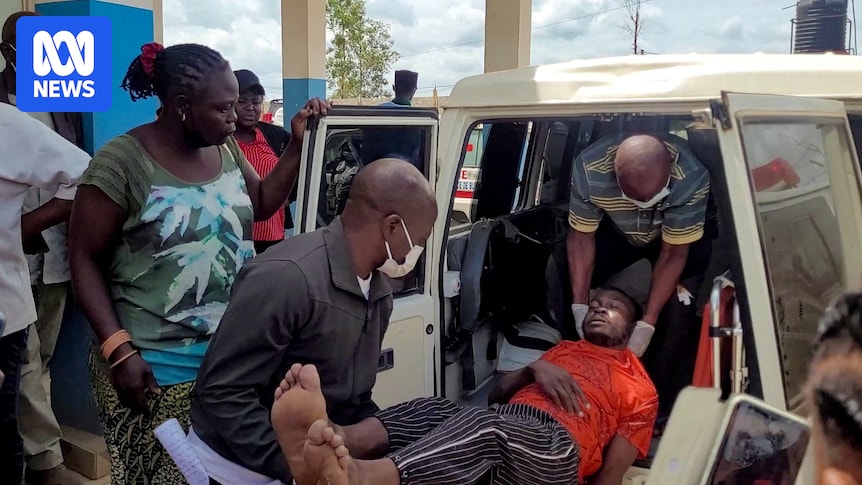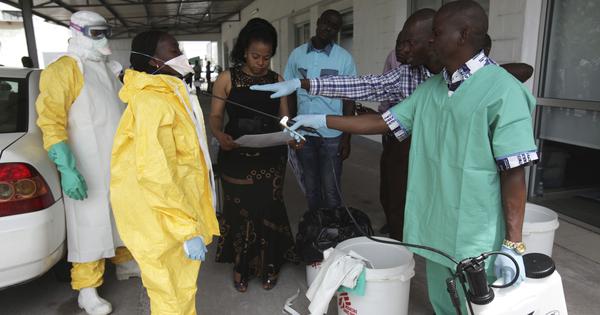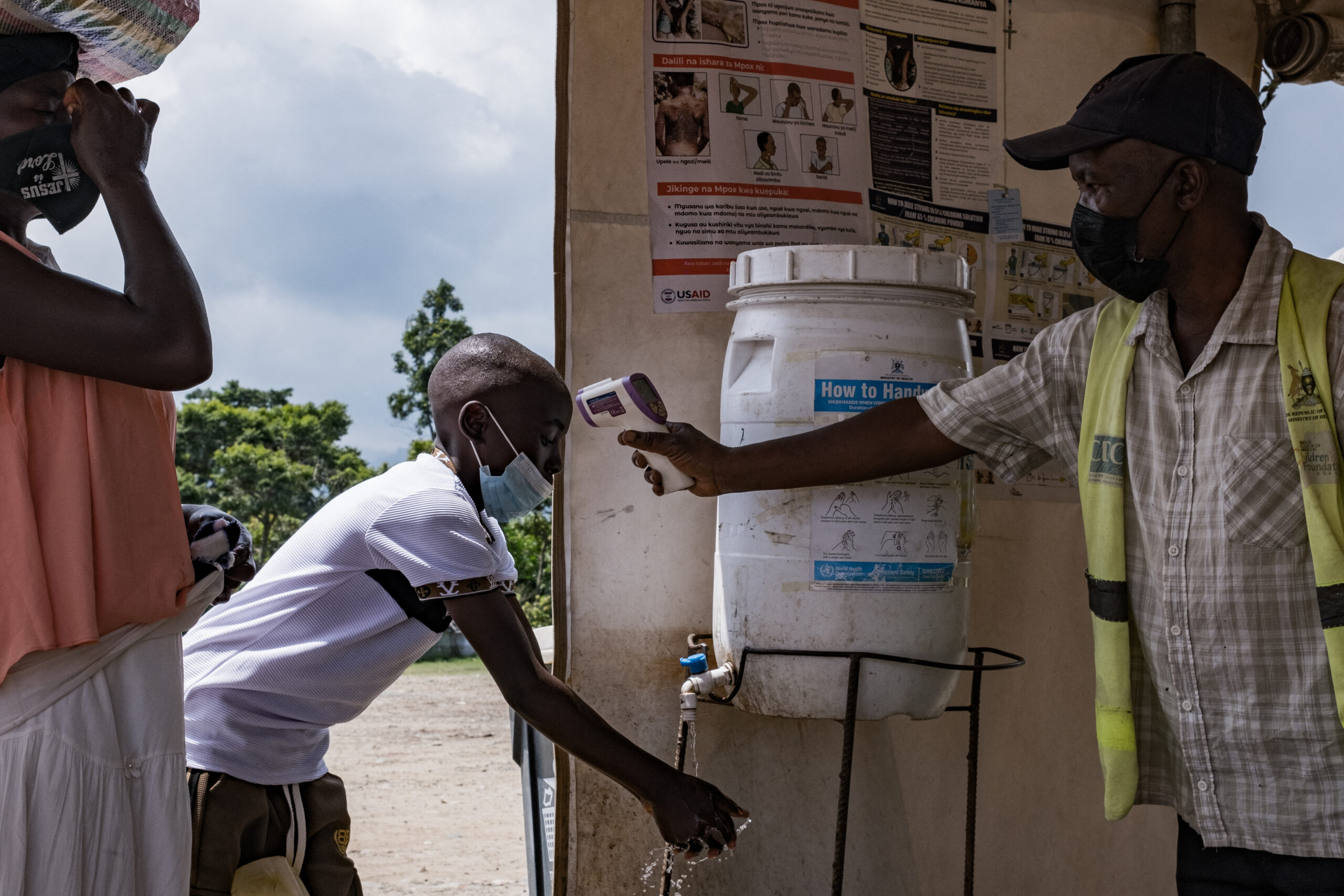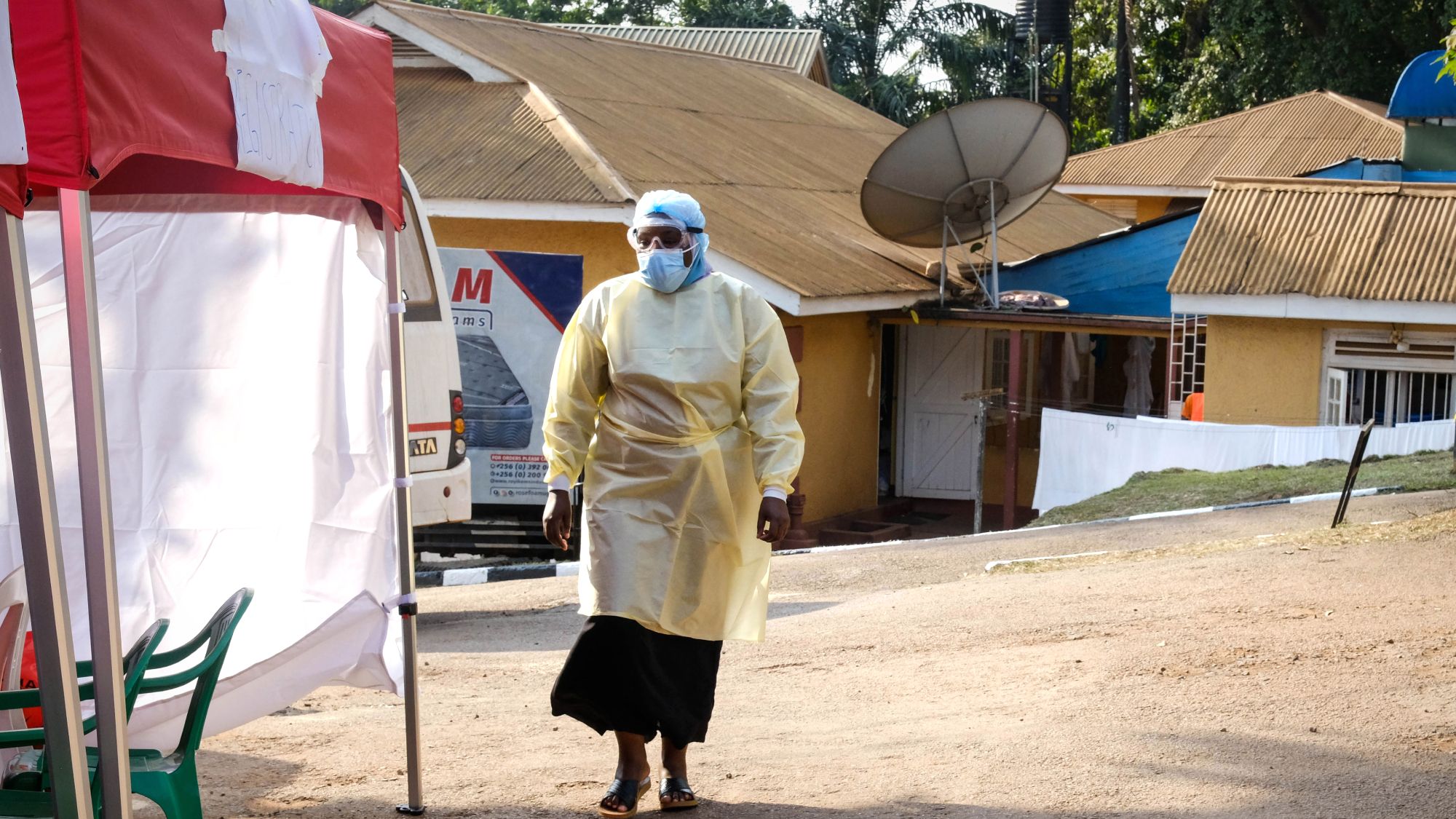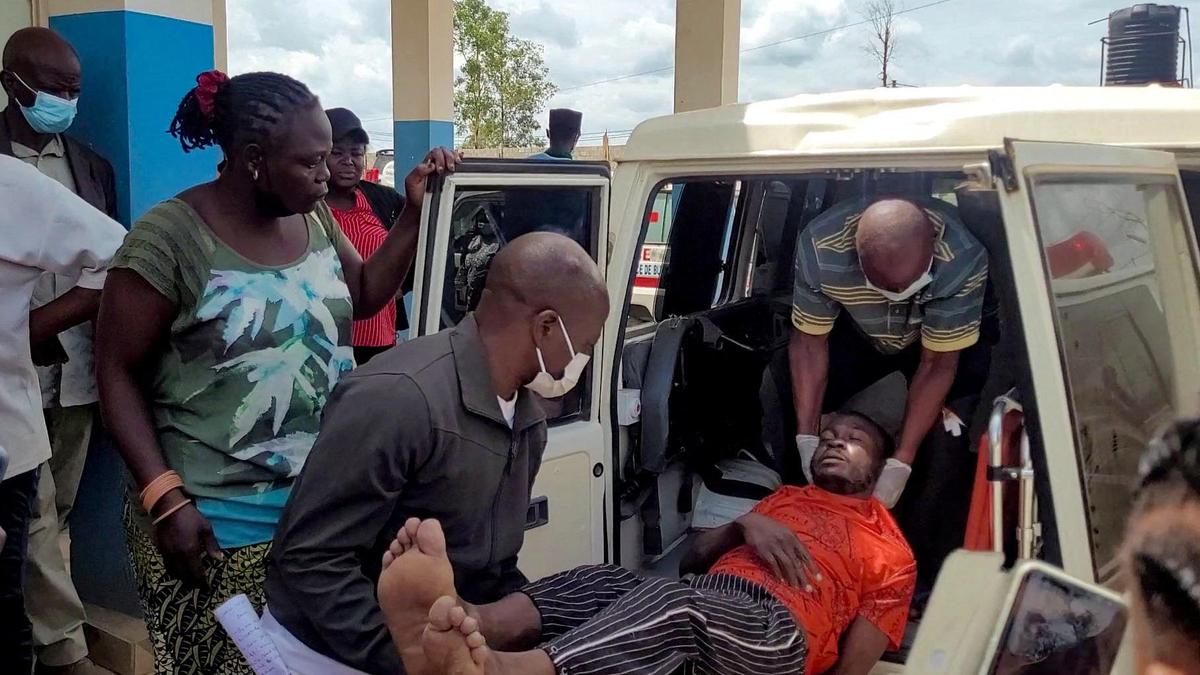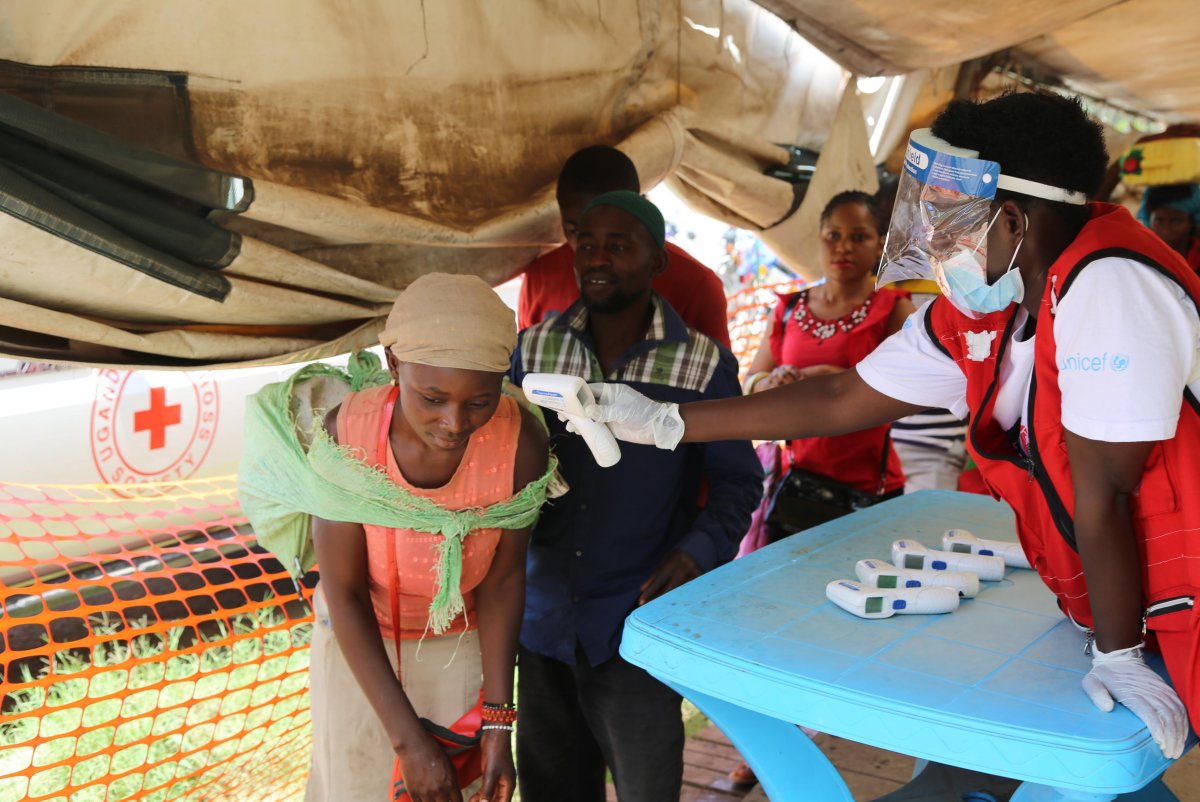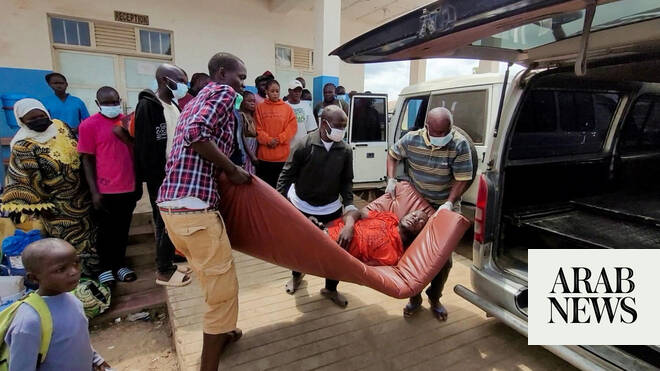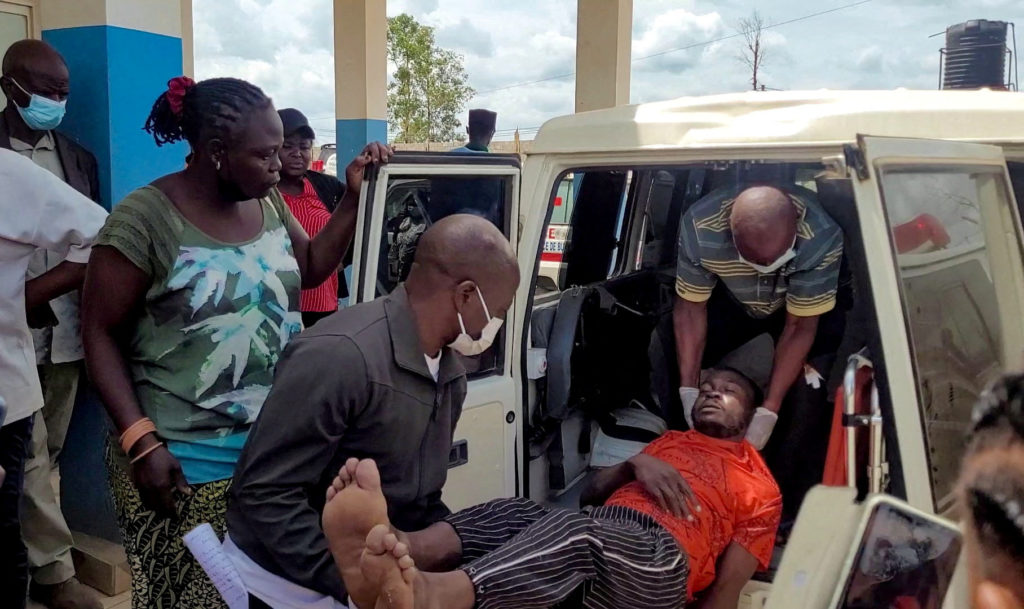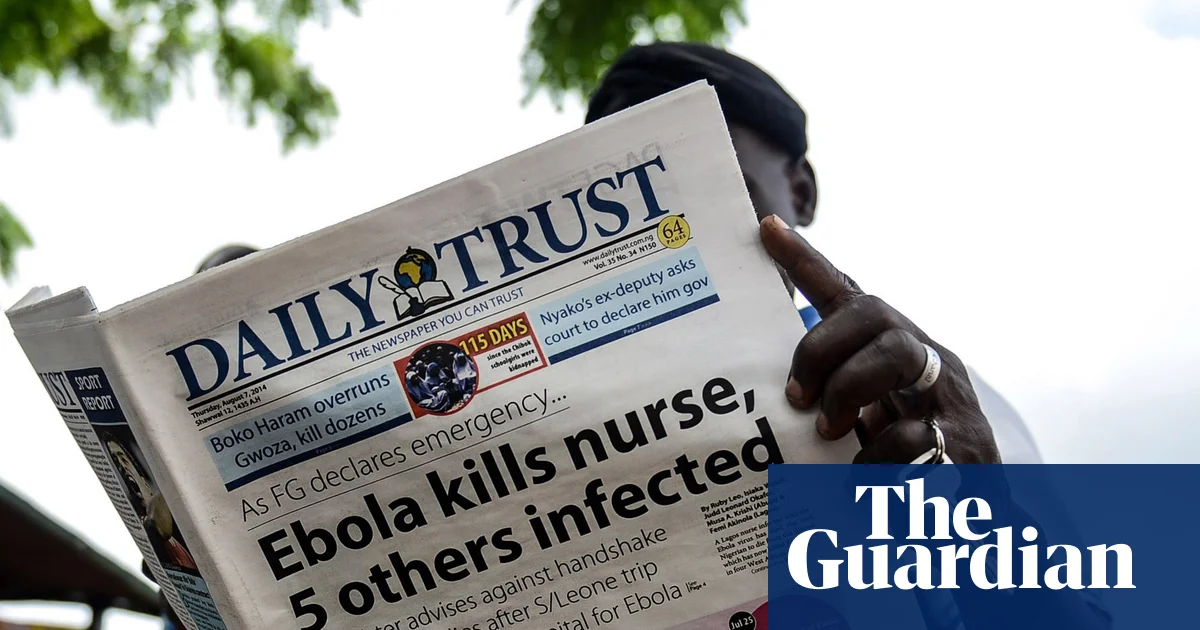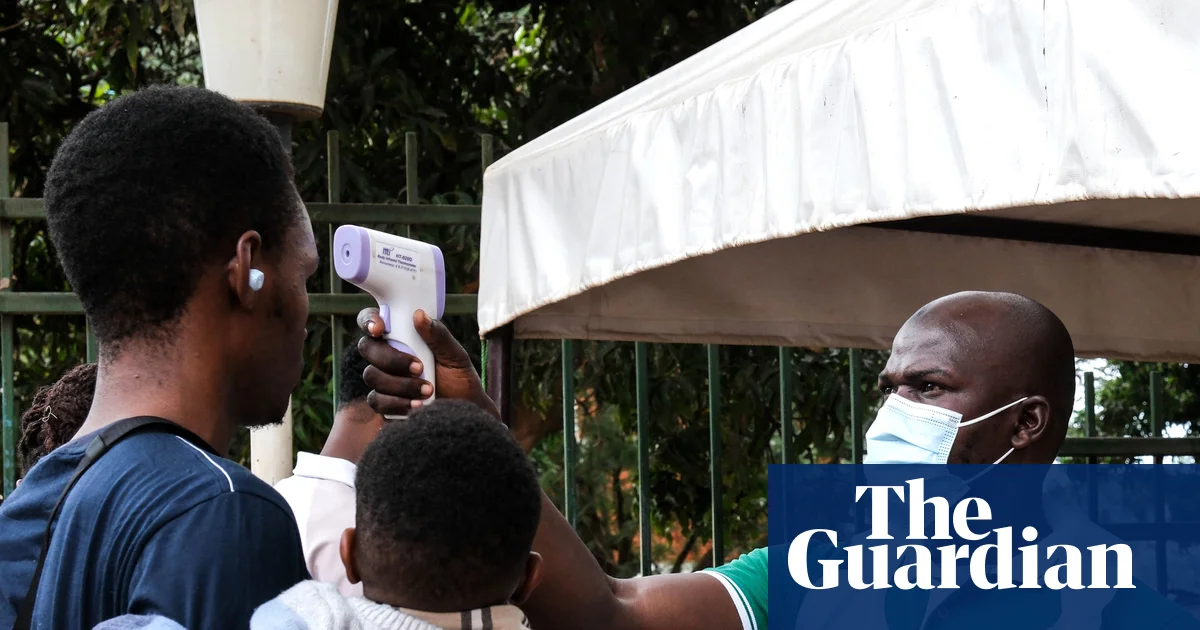
A health official screens people entering a hospital in Kampala. Two confirmed Ebola cases in Uganda involved individuals who had travelled from the Democratic Republic of the Congo. Photograph: Hajarah Nalwadda/APA health official screens people entering a hospital in Kampala. Two confirmed Ebola cases in Uganda involved individuals who had travelled from the Democratic Republic of the Congo. Photograph: Hajarah Nalwadda/APHealth authorities in the Democratic Republic of Congo and Uganda are trying to contain an outbreak of Ebola involving – so far – 246 suspected cases and 88 deaths.It began in Ituri province, in eastern DRC, but cases have already been detected elsewhere in the country and in neighbouring Uganda.On Sunday, the World Health Organization declared the outbreak “a public health emergency of international concern” and urged robust efforts to limit its spread.What is Ebola?Ebola is a highly contagious and often fatal disease. Caused by different viruses mostly associated with fruit bats, the infection often results in viral haemorrhagic fever. More than 40 outbreaks have been documented since it first emerged in 1976. This is the 17th outbreak in the DRC.Outbreaks result from “zoonotic spillover” – animal to human transmission. Infected humans then pass on the disease to others through bodily fluids such as vomit, blood and semen. Symptoms include fever, fatigue, muscle pain and headache followed by vomiting, diarrhoea, rash and internal and external bleeding. It has a 50% death rate.There are four types or strains of Ebola that affect humans: Zaire, Sudan, Bundibugyo and Tai Forest. The WHO says the latest outbreak involves the Bundibugyo virus. There have only been two previous outbreaks involving this strain, in 2007 and 2012.A graphic showing reported cases in different Ebola outbreaks since 1976Why is this outbreak causing such concern?Because the strain of Ebola involved is rare, there is no vaccine for it, and conflict in the DRC makes efforts to contains its spread difficult.“This outbreak is more worrying than others because … the existing Ebola outbreak vaccine, the Ervebo vaccine, is not appropriate. There are no Bundibugyo virus-specific therapeutics or vaccines,” says Dr Simon Williams, an infectious diseases expert at Swansea University.“And it’s a nasty disease with a very high case fatality rate; much higher than Covid, for example. Fortunately, Ebola is much less transmissible than Covid, or, say, measles. But it is much more severe and can be fatal to anyone, not just the elderly or immunosuppressed or other higher-risk groups,” Williams adds.When no vaccine is available, infection control usually involves bringing those affected into treatment centres to minimise transmission. That may be very difficult in this case because of the conflict and the targeting of healthcare facilities, says Paul Hunter, a professor of medicine at the University of East Anglia.“In the past healthcare facilities have been targetted by militias and this is one reason why [affected individuals] may choose not to seek care, so pose an ongoing risk to family and other contacts,” he adds.Ambulances parked at Bunia general referral hospital after confirmation of an Ebola outbreak in Ituri province. Photograph: Victoire Mukenge/ReutersWhy was the outbreak not detected sooner and how could that delay affect what happens?The outbreak began last month. The earliest-known suspected victim, a 59-year-old man, developed symptoms on 24 April and died threes later. Health authorities were only alerted to the outbreak though social media on 5 May. Fifty people had already died by then, according to the Africa Centres for Disease Control and Prevention (CDC).Slow detection gave the outbreak time to spread, says Dr Jean Kaseya, the director general of the Africa CDC. Any delay in responding to an Ebola outbreak “can have catastrophic consequences”, says Dr Anne Cori, an associate professor in infectious disease modelling at Imperial College London.The large numbers of detected cases and deaths “suggests an unusually high number of suspected cases were identified before the outbreak was officially declared”, she adds.“This indicates that the outbreak has likely gone undetected for several weeks or even months, which can make standard control measures, such as contact tracing, considerably more difficult to implement effectively, especially in a setting which already faces other challenges such as conflict.”Map of the DRCHow big could this outbreak get?A lot bigger, potentially. While it began in Ituri, two confirmed cases have also been found in neighbouring Uganda, both of the infected individuals had travelled there from the DRC. One of them died at a hospital in the Ugandan capital, Kampala.The WHO fears that the high proportion of positive cases found among those who have been tested, combined with the spread to Kampala and the deaths in Ituri, “all point towards a potentially much larger outbreak than what is currently being detected and reported, with significant local and regional risk of spread”.“There are significant uncertainties to the true number of infected persons and geographic spread associated with this event at the present time, it has said.
What is Ebola and why is WHO treating outbreak as global health emergency?
Strain of fatal disease has no vaccine and conflict in DRC makes containing spread difficult as Uganda reports cases
806 words~4 min read