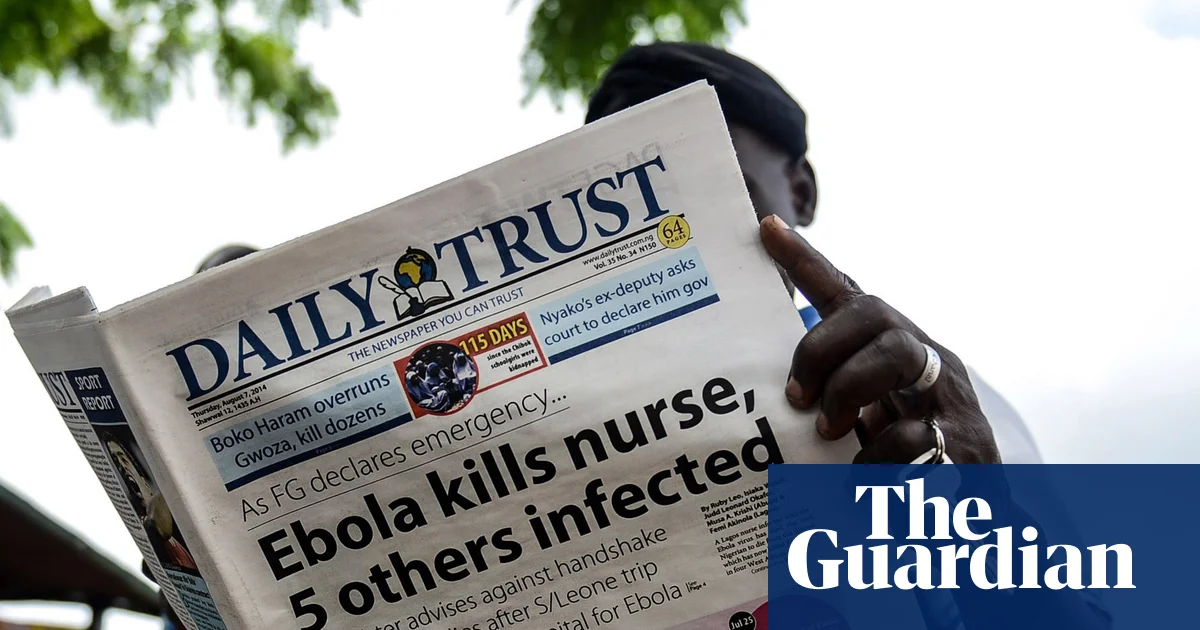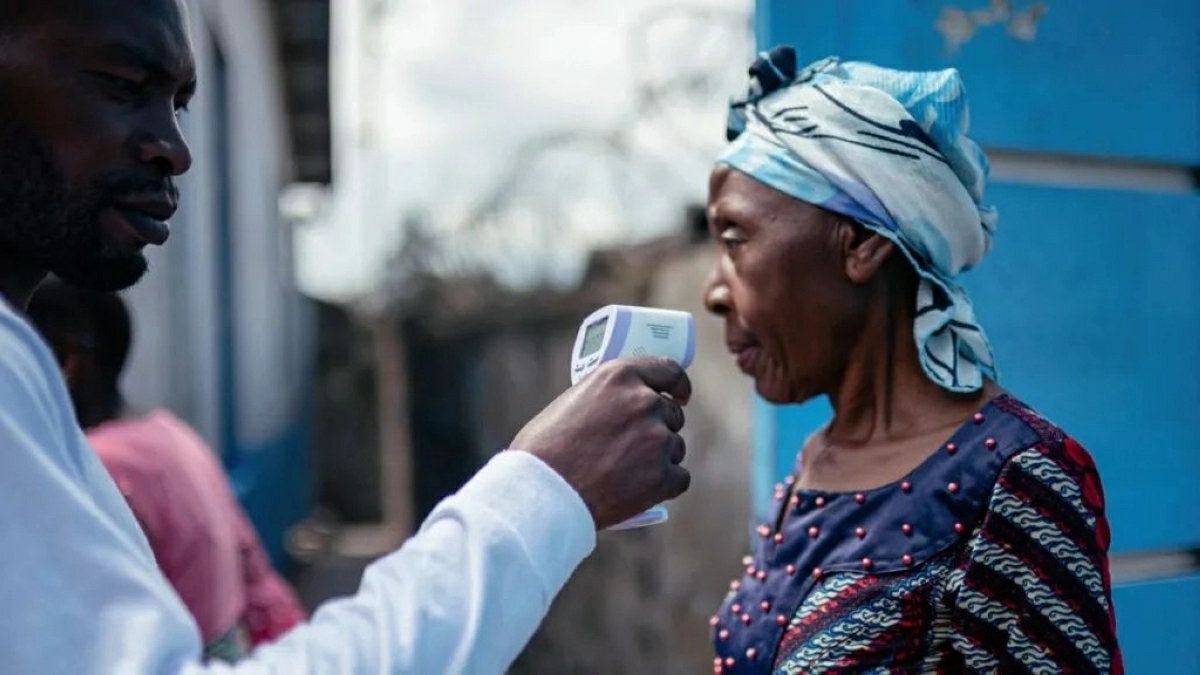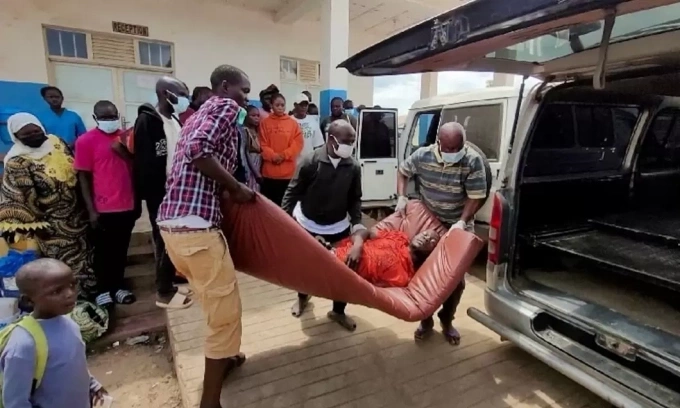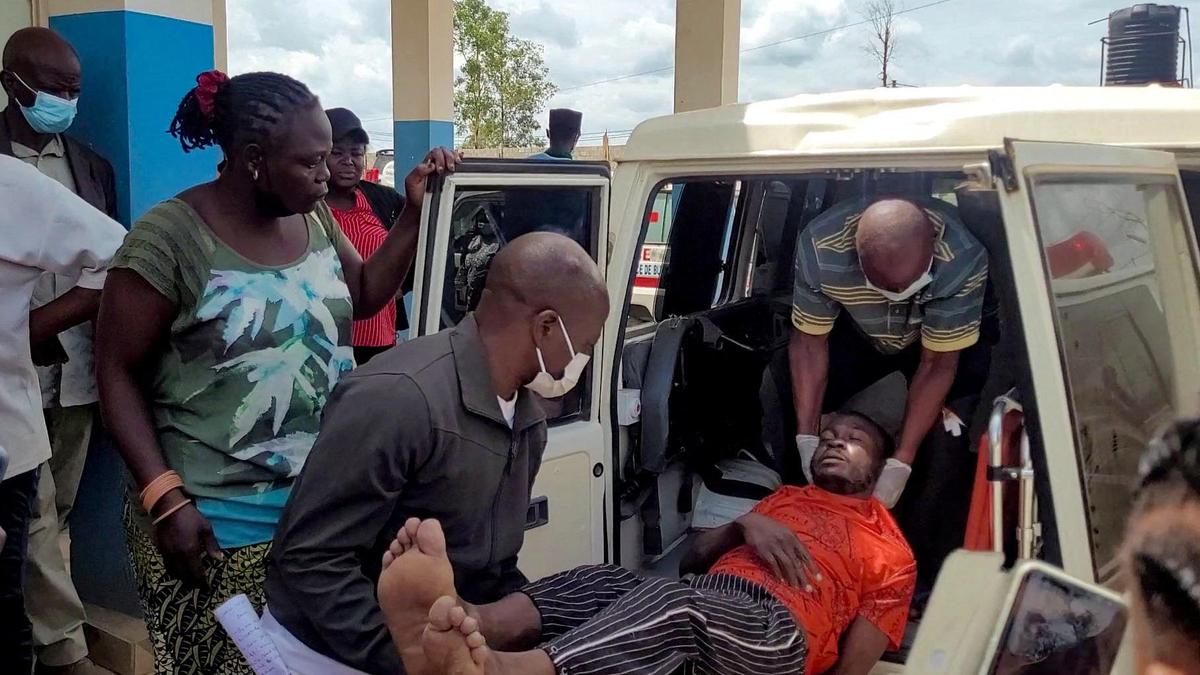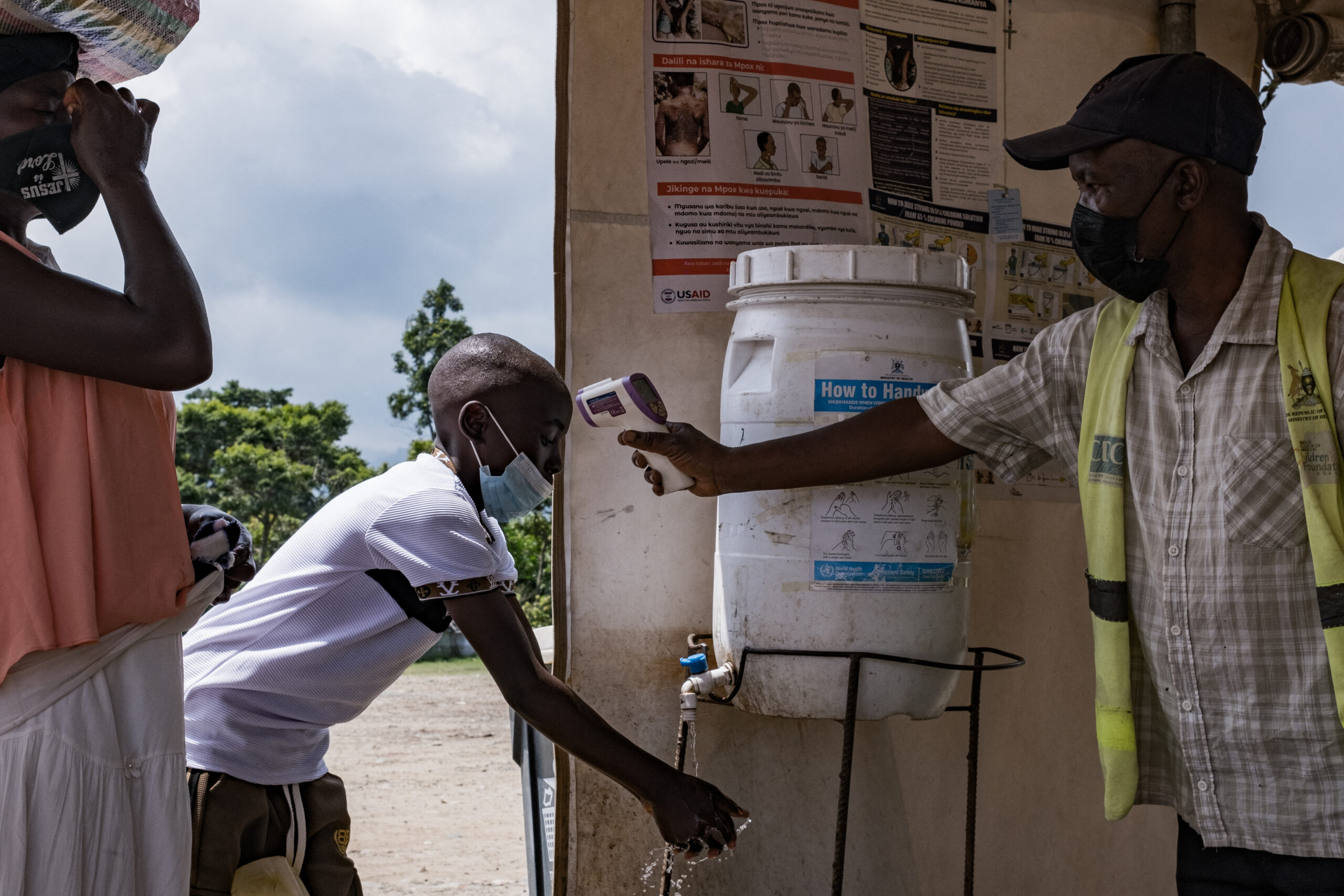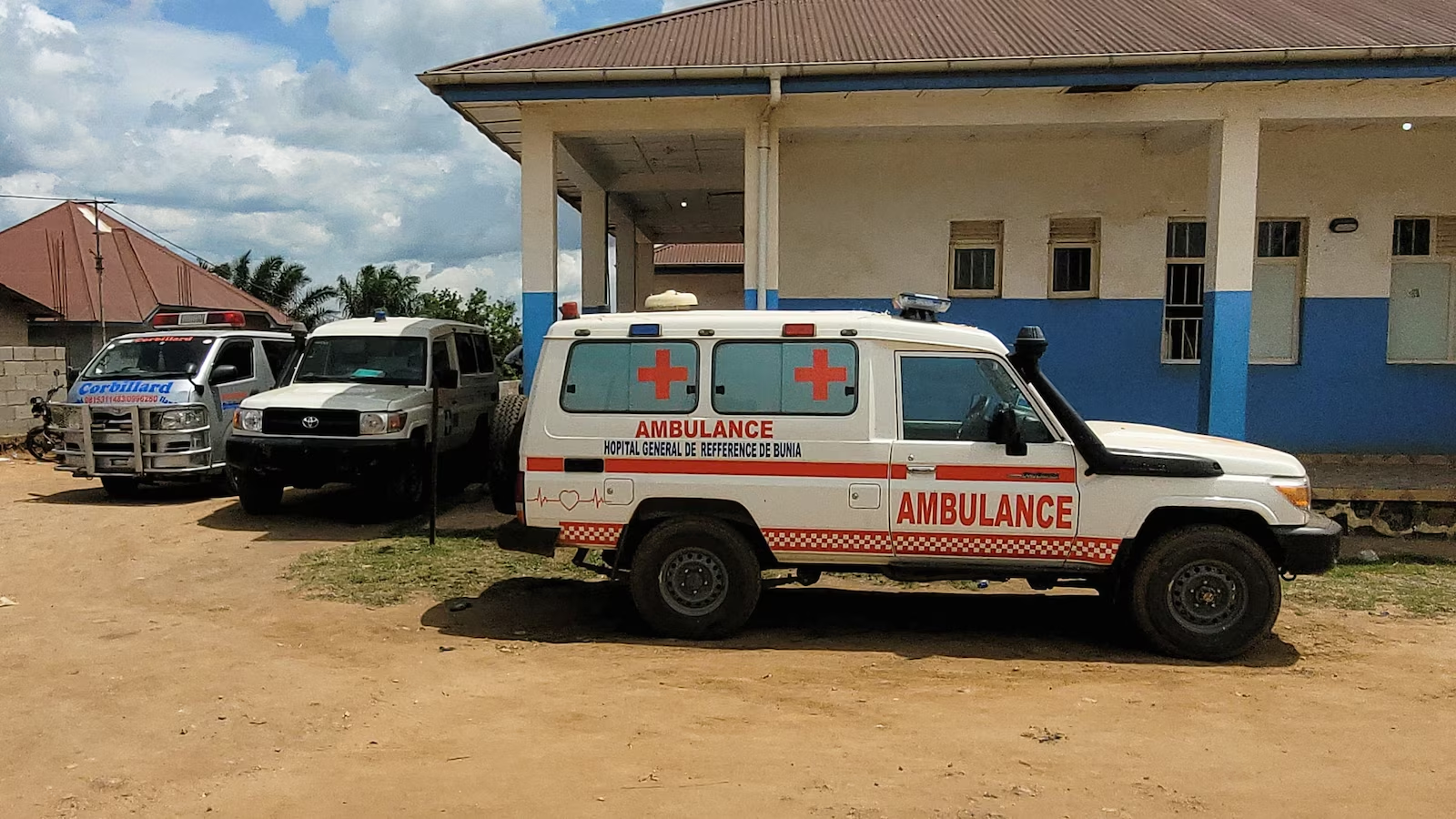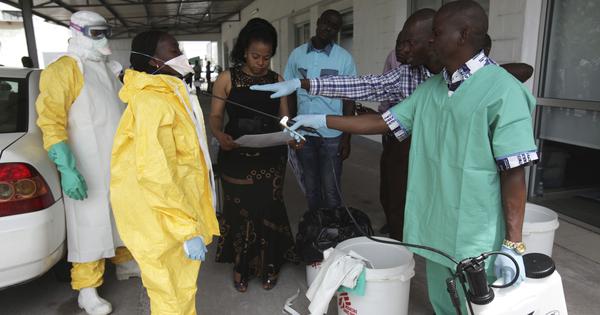
The World Health Organization on Sunday declared an Ebola outbreak in the Democratic Republic of Congo and Uganda a public health emergency of international concern. The announcement was made after eight confirmed cases of the virus, 246 suspected cases and 80 suspected deaths were reported in Ituri province of the Democratic Republic of Congo. Cases have also been reported in the capital, Kinshasa, and neighbouring Uganda.The United Nations body said that the outbreak, caused by the Bundibugyo virus, does not meet the criteria of a pandemic emergency. However, the trends of suspected cases and clusters of deaths being reported in Ituri “point towards a potentially much larger outbreak than what is currently being detected and reported, with significant local and regional risk of spread”, it added. Ebola is a virus that causes sudden fever, intense weakness, muscle pain and a sore throat in the initial stages. However, it escalates to vomiting, diarrhoea, internal and external bleeding. Infection occurs after coming into direct contact with the blood, vomit, faeces or bodily fluids of someone suffering from Ebola. Patients reportedly die due to dehydration and multiple organ failure.According to the health agency, there is no proven cure for Ebola and the disease has an average fatality rate of around 50%. Around 15,000 people have died from the virus in Africa over the past 50 years. The Democratic Republic of Congo’s deadliest outbreak occurred between 2018 and 2020, when nearly 2,300 people died, while another outbreak in a remote region last year killed 45 people.Officials first announced the latest outbreak in the Democratic Republic of Congo on Friday, according to The Guardian.In Uganda, two laboratory-confirmed cases, including one death, were reported in Kampala among persons who had travelled from the Democratic Republic of Congo.The outbreak is considered “extraordinary” due to its scale, the presence of cases in multiple locations and the absence of approved treatments or vaccines specifically for the Bundibugyo strain, unlike other Ebola variants, said the WHO. All but one of the Democratic Republic of Congo’s previous Ebola outbreaks had been caused by the Zaire strain, Reuters reported.This is the 17th recorded outbreak in the Democratic Republic of Congo since Ebola was first identified there in 1976.WHO Director-General Tedros Adhanom Ghebreyesus said there are significant uncertainties about the number of infections and the geographic spread.The situation poses a risk of “international spread”, which has already been documented, and requires a coordinated global response, he added. The agency has advised countries affected by the outbreak to activate emergency coordination mechanisms, strengthen surveillance, improve laboratory testing and enhance infection prevention and control in health facilities.It also called for daily monitoring of contacts and immediate isolation of suspected and confirmed cases.The WHO also urged countries not to close borders or impose trade and travel restrictions, saying such measures are “usually implemented out of fear and have no basis in science”.The agency said it will convene an emergency committee to provide further recommendations as the situation evolves.Written by Sara Varghese. Edited by Sneha.
WHO classifies Ebola outbreak in DR Congo, Uganda a global health emergency
Eight confirmed cases, 246 suspected and 80 suspected deaths have been reported in Ituri province of the Democratic Republic of Congo.
498 words~2 min read