Oman is emerging as an effective option in India’s rerouting strategy
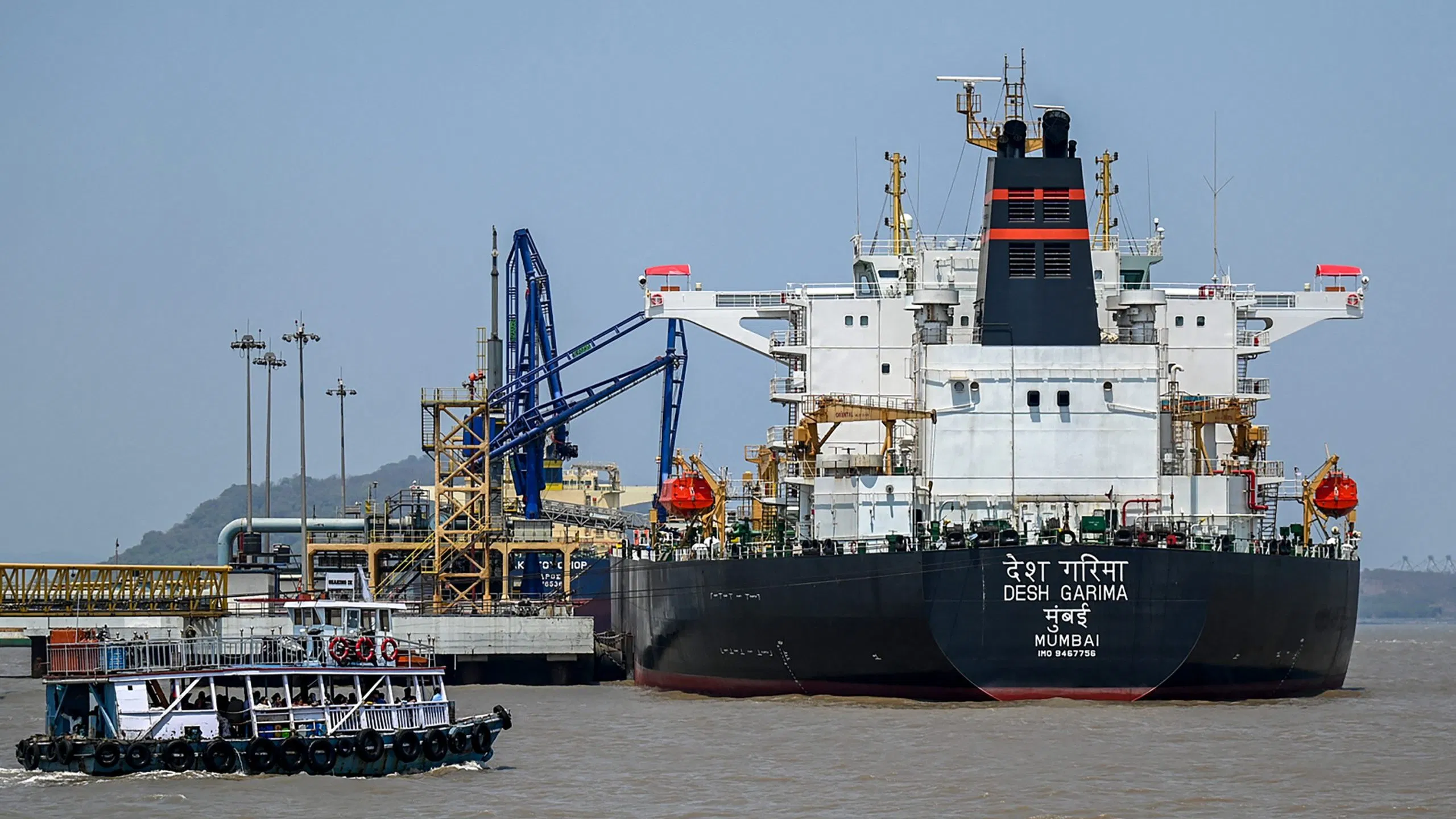
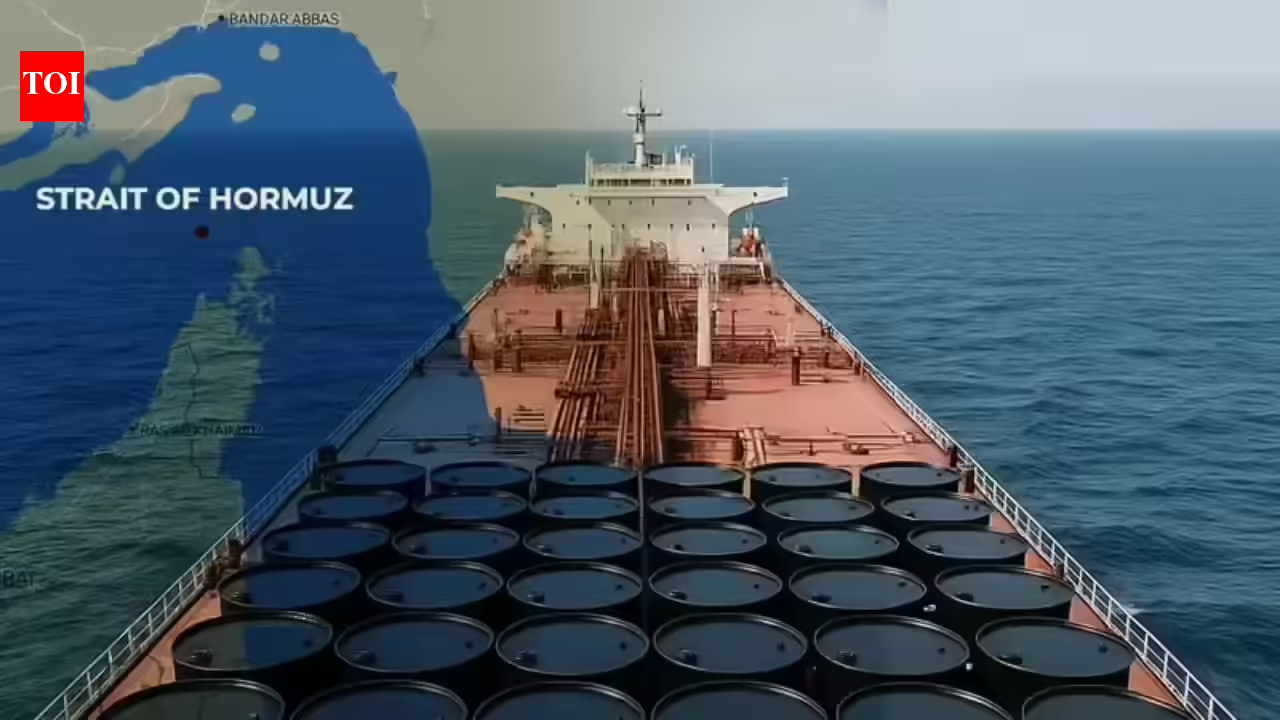
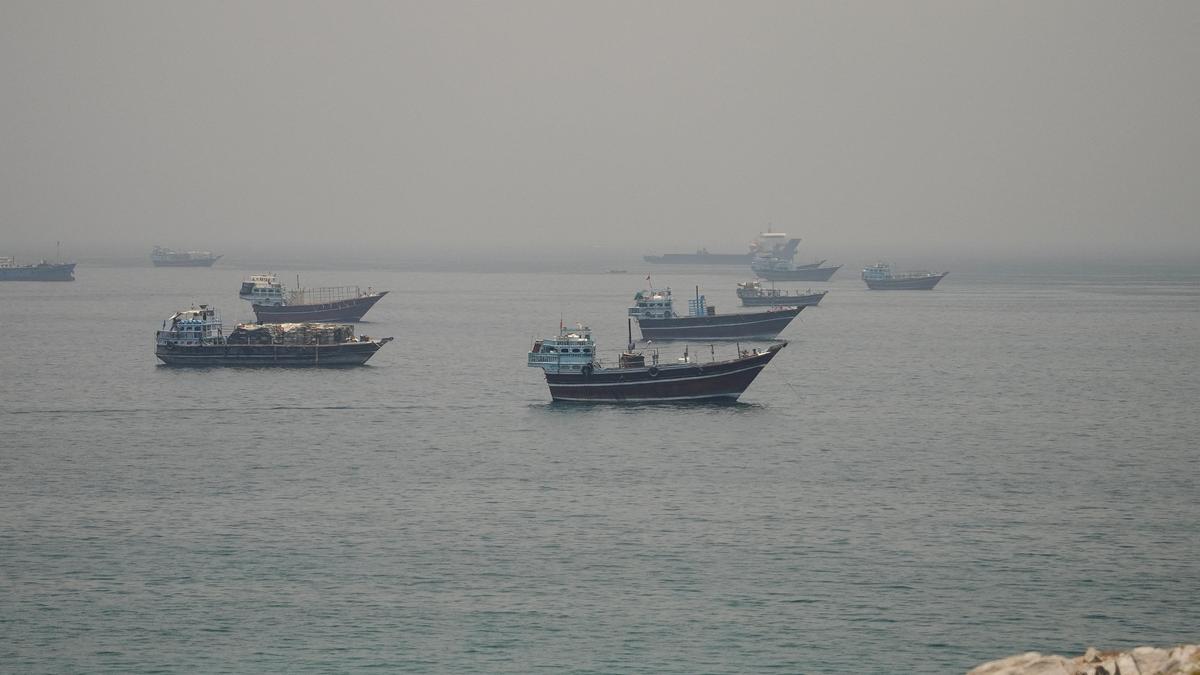
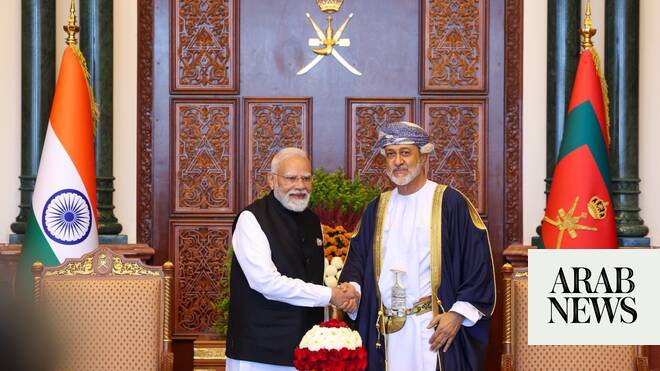
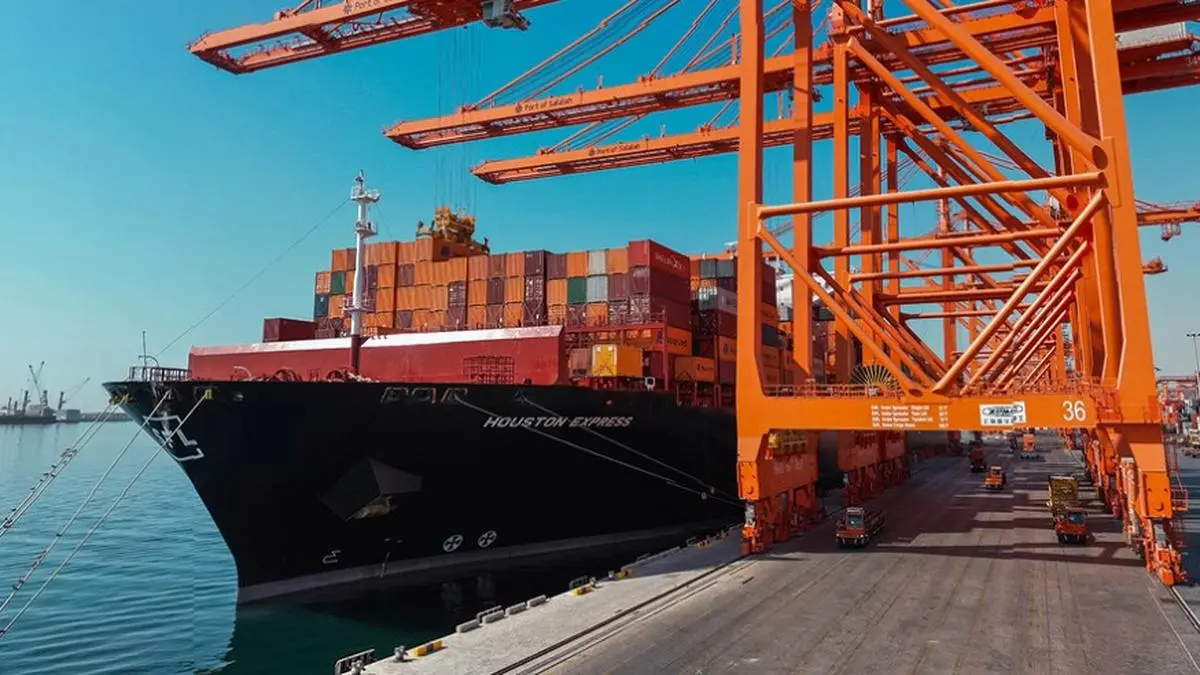
Amid the prolonged conflict rattling West Asia, India is looking to Oman for continuation of its vital trade in essential foods — such as rice, meat, poultry, dairy, fruits and vegetables — with the broader region by routing shipments through Omani ports and land routes, avoiding high-risk maritime zones.“With the Strait of Hormuz in a state of inactivity effectively blocking India’s traditional trade arteries with West Asia, New Delhi is actively exploring logistical alternatives to continue its agricultural sector exports to West Asia, estimated at about $11.8 billion annually. Oman is emerging as an effective option in India’s rerouting strategy,” a source tracking the matter told businessline.Alternative pathwayLast week, the Agricultural and Processed Food Products Export Development Authority (APEDA) held discussions with a visiting Omani high level trade delegation, to hammer out the operational mechanics of securing the alternative pathway.“Oman has ports such as Sohar and Salahlah and land bridges that provide connectivity to Saudi Arabia and other GCC countries. Already some of our agriculture exports are going through this route to various markets in West Asia. But costs are high, especially land transport costs,” a source tracking the matter told businessline.In addition to discussions on use of the ports and land bridges to send shipments, Indian exporters also discussed ways in which costs might be brought down for land transportation in Oman as it put additional pressure on them, an industry source noted.“Oman’s advantage is geographical. Unlike most Gulf countries, much of Oman’s coastline lies outside the Strait of Hormuz, directly on the Arabian Sea and Gulf of Oman. Major ports such as Port of Salalah and Port of Duqm remained accessible even as traffic through Hormuz faced disruption. The crisis has shown that Oman can serve as an alternative trade and energy corridor for India when shipping through the Strait becomes risky or unstable,” according to Ajay Srivastava from Global Trade and Research Initiative (GTRI).Trade boostThe India-Oman FTA, likely to be implemented on June 1 (according to Commerce Minister Piyush Goyal), is also set to give a boost to bilateral and regional trade.India’s exports to West Asia suffered sharp contractions in March and April 2026, primarily due to severe shipping disruptions and a blockade at the Strait of Hormuz. Commerce Secretary Rajesh Agrawal said that India’s exports to West Asian countries fell by more than 28 per cent year-on-year to $4.16 billion in April while imports from the region dropped 31.64 per cent to $10.47 billion.Agricultural produce is a major export item from India with West Asia accounting for 21.8 per cent of total agricultural exports in FY26 with shipments valued at $11.8 billion. “Rice exports face major exposure, with $4.43 billion exported to West Asia, accounting for 36.7 per cent of India’s global rice exports,” per an analysis done by GTRI.Spice exports are closely tied to Gulf demand, with 70.5 per cent of nutmeg, mace and cardamom exports going to the region. Additionally, about 98.9 per cent of sheep and goat meat and 97.4 per cent of fresh beef exports shipped to West Asia.Dairy and beverages also rely heavily on Gulf markets, including 58.1 per cent of butter exports and 81 per cent of beer exports, according to GTRI.Published on May 17, 2026